
2027 Winch - Oil Field Trucks For Sale in Texas
Browse 2027 oil field winch trucks for Texas jobs. Compare chassis, winch capacity, PTO setup, axle ratings, and off-road durability.
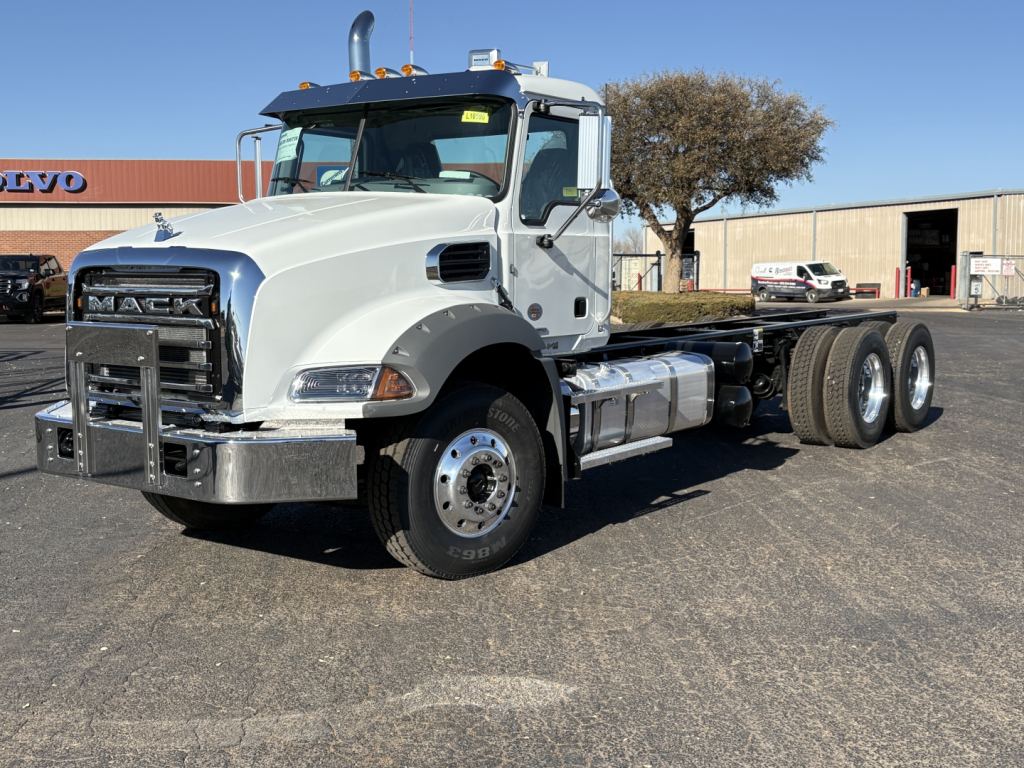

Selling a 2027 winch - oil field truck? List your 2027 winch - oil field truck for sale and reach thousands of commercial buyers.
2027 Winch - Oil Field Trucks in Texas
The winch system is the heart of the truck, but the chassis spec behind it is what determines how useful the unit will be. Buyers should look closely at winch capacity, cable length, drum configuration, PTO and hydraulic setup, wheelbase, and body layout. Front axle ratings, tandem or single rear axle configuration, suspension type, and tire selection all affect how the truck handles loaded decks and rough ground. Many oil field winch trucks are spec'd with heavy-duty frames, locking differentials, vocational transmissions, and engines tuned for low-end torque rather than fuel economy alone. Texas operators also tend to value cooling capacity, severe-service air cleaners, and protection for hydraulic and electrical components because heat, dust, and idle time are part of daily operation.
Body and deck design can change the truck's role just as much as the badge on the hood. Some winch trucks are configured for pipe and equipment hauling with a flat deck, headache rack, tool storage, and tie-down points, while others are set up for more specialized oil patch support. Deck length, bed height, and rear overhang affect loading angles and how effectively the winch can pull equipment onto the body. A buyer should also check for features like roller guides, fairleads, pintle hitches, D-rings, work lights, and hydraulic controls positioned for safe operation. If the truck will spend time both on-road and off-road, braking spec, turning radius, and overall bridge-law considerations still matter, even on a vocational unit.
For 2027 model year buyers, the best choice is usually the truck that matches the actual field task, not the one with the biggest published numbers. A truck moving small support equipment between South Texas leases needs a different spec than a heavy winch truck serving drilling and production sites in the Permian Basin. Pay attention to GVWR, usable payload after body and winch installation, line speed versus pulling power, and service access to the hydraulic system and drivetrain. A well-matched oil field winch truck should give controlled pulling performance, stable deck loading, and enough rugged chassis capacity to stay productive in harsh Texas work cycles.
Frequently Asked Questions about 2027 Winch - Oil Field Trucks in Texas
What is an oil field winch truck used for?
An oil field winch truck is used to pull, load, position, and transport equipment around drilling, production, and pipeline locations. Common tasks include loading skid-mounted equipment, moving pipe-related materials, recovering stuck assets, and placing support equipment where a trailer or crane is not the best fit. The winch allows controlled movement on-site, while the truck deck carries tools or equipment between jobs.
What specs matter most when buying a winch truck for Texas oil field work?
The most important specs are winch capacity, PTO and hydraulic system design, axle ratings, suspension, frame strength, and deck configuration. In Texas oil field service, buyers also pay close attention to cooling performance, air filtration, traction features, and tire choice because heat, dust, caliche roads, and long idle periods are common. The right combination depends on the weight of the equipment being pulled and the type of terrain the truck will see every day.
How do I choose between a single-axle and tandem-axle oil field winch truck?
A single-axle winch truck can be a good fit for lighter support work, tighter locations, and lower operating weight, while a tandem-axle truck is generally better for heavier equipment, more deck payload, and tougher off-road job conditions. Tandem configurations usually provide better weight distribution and stability when winching or carrying larger loads. The decision should be based on real payload needs, site conditions, and how often the truck will work on soft ground or unimproved roads.
Is winch capacity the main number to compare?
Winch capacity is important, but it is not the only number that matters. A truck also needs the chassis, hydraulic flow, axle capacity, braking system, and deck structure to safely handle the work. Line speed, cable length, mounting strength, and overall truck balance can affect productivity just as much as maximum rated pull. A properly matched truck is usually more useful than one that simply has the largest winch rating on paper.
What features improve day-to-day performance on an oil field winch truck?
Useful features include locking differentials, severe-duty suspension, heavy front and rear axle ratings, work lighting, tool storage, tie-down points, fairleads, roller guides, and well-placed hydraulic controls. Operators also benefit from durable deck surfaces, accessible service points, and electrical and hydraulic routing protected from mud, debris, and heat. These details can make a major difference in uptime, safety, and ease of operation in oil patch service.