
2027 Mack Winch - Oil Field Trucks For Sale in Texas
Browse 2027 Mack winch oil field trucks for sale, built for rig support, equipment recovery, pipe handling, and heavy-duty field service.
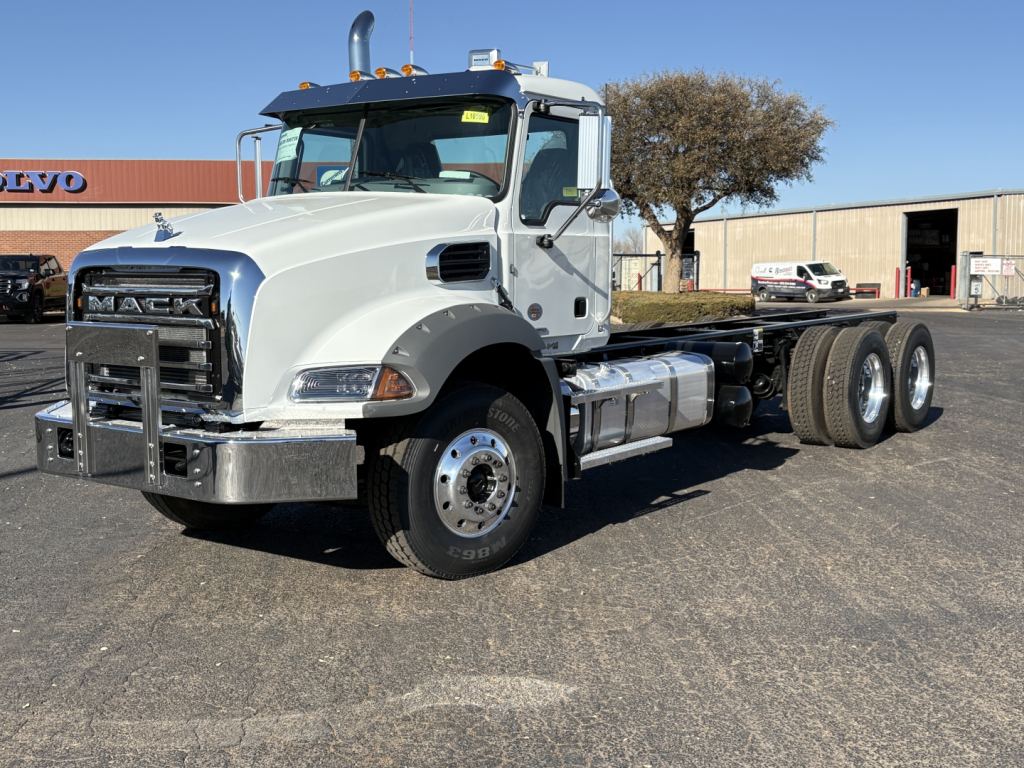

Selling a 2027 mack winch - oil field truck? List your 2027 mack winch - oil field truck for sale and reach thousands of commercial buyers.
2027 Mack Winch - Oil Field Trucks in Texas
For this category, the key buying decisions usually come down to winch capacity, boom or gin pole configuration if equipped, and how the truck is set up for off-highway use. Mack platforms are often chosen for their vocational durability, with buyers paying close attention to GVWR, front axle rating, rear suspension, wheelbase, and engine torque curve. Oil field winch trucks may be spec'd as 4x2, 6x4, or heavier vocational layouts depending on terrain and payload needs. Locking differentials, heavy-duty rears, all-terrain tires, and reinforced frames matter in Texas oil patch conditions where soft surfaces, caliche roads, and tight leases can punish an under-spec'd truck quickly.
The body and hydraulic package are just as important as the cab and chassis. Buyers should look at winch line pull, drum capacity, hydraulic system output, headache rack design, tool storage, rear work area layout, and any towing or rigging equipment included. Some trucks are set up primarily for pipe and equipment handling, while others are closer to recovery or service configurations. Visibility, control placement, and ease of rigging can affect daily productivity as much as headline capacity numbers. If the truck will spend time both on-road and in the field, it also makes sense to compare transmission choice, turning radius, fuel capacity, and service access.
Mack winch trucks in the oil field segment appeal to fleets that need a vocational truck with a strong frame, dependable drivetrain, and upfit flexibility. The best spec is the one matched to the actual work cycle, not the biggest numbers on paper. A buyer comparing listings should look closely at axle ratings, PTO and hydraulic compatibility, suspension type, brake configuration, and how the winch body is integrated with the chassis. On oil field work, durability, stability, and controllable pulling performance usually matter more than cosmetic extras.
Frequently Asked Questions about 2027 Mack Winch - Oil Field Trucks in Texas
What is a winch oil field truck used for?
A winch oil field truck is used to pull, load, reposition, and recover equipment in oilfield and energy-related operations. Common jobs include moving skid-mounted units, handling pipe and materials, supporting rig moves, and recovering stuck equipment on lease roads or in yard environments. The exact role depends on the winch body, hydraulic setup, and chassis capacity.
What specs matter most when buying a Mack winch oil field truck?
The most important specs are axle ratings, GVWR, wheelbase, frame strength, PTO provision, hydraulic capacity, and winch line pull. Buyers should also review rear suspension, differential setup, tire type, and whether the truck is configured for off-road traction and stability. The right combination depends on how often the truck will work in mud, soft aggregate, or uneven oil patch terrain.
Are Mack winch trucks suitable for Texas oil field work?
Mack vocational chassis are commonly considered for Texas oil field work because they can be spec'd for high frame strength, heavy axles, and demanding duty cycles. Texas applications often require a truck that can handle highway travel between jobs along with rough lease roads, heat, dust, and frequent stop-and-pull work. A properly spec'd Mack chassis can fit that use case well, especially when matched to the right winch body and hydraulic package.
How do buyers choose the right winch capacity?
Winch capacity should be matched to the heaviest routine loads and the type of pulling or recovery the truck will perform. Buyers should consider line pull, drum capacity, cable size, hydraulic pressure, and whether the truck will be used for straight pulls, loading tasks, or equipment recovery. Choosing too little capacity limits usefulness, but overspec'ing without matching the chassis, suspension, and frame can add cost without improving job performance.
What is the difference between a winch truck and a standard oil field service truck?
A winch truck is centered around hydraulic pulling capability and load handling, while a standard oil field service truck may be focused more on tools, mechanics service, fuel, lubrication, or crane work. Some service trucks support field maintenance without any heavy pulling equipment. A winch truck is generally selected when controlled line pull, recovery, and equipment movement are part of the daily workload.