
2027 Mack Winch - Oil Field Trucks For Sale
Browse 2027 Mack winch oil field trucks built for rig support, equipment recovery, and heavy pulling with vocational chassis strength.
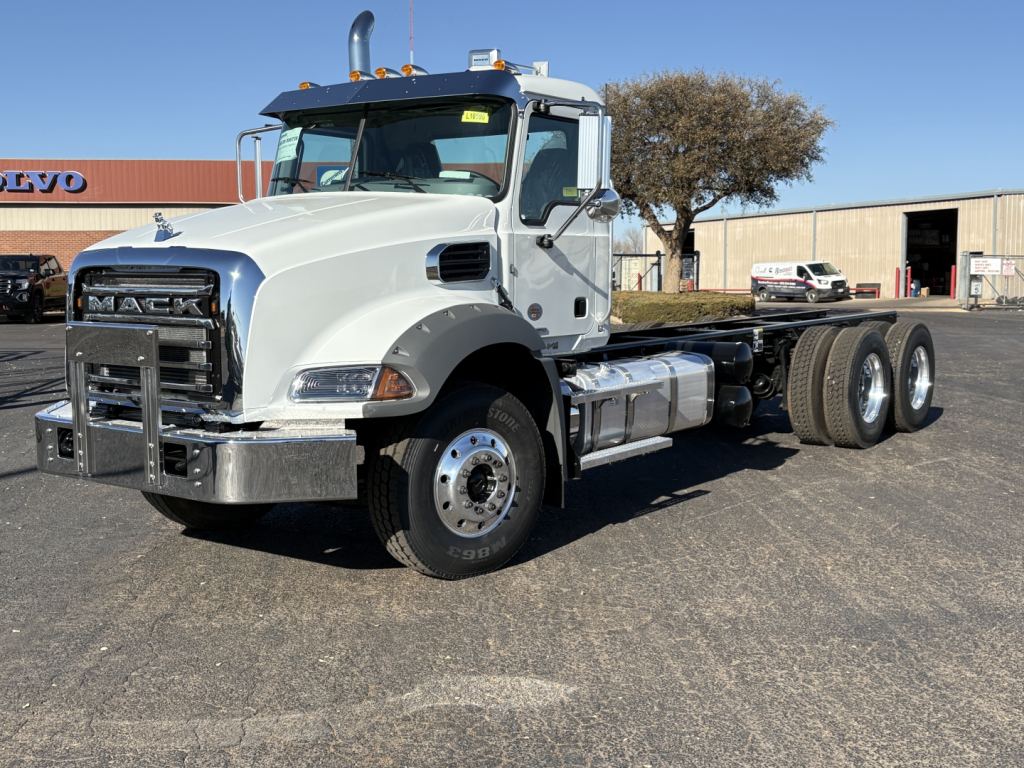

Selling a 2027 mack winch - oil field truck? List your 2027 mack winch - oil field truck for sale and reach thousands of commercial buyers.
2027 Mack Winch - Oil Field Trucks
On Mack platforms, buyers will often compare lighter vocational configurations against heavier severe-duty chassis depending on the work cycle. A truck based on a Mack MD7 may fit lighter oil field support roles or regional service work, while a heavier Mack vocational chassis such as a Granite-spec configuration is more appropriate for repeated off-road loading, higher winch capacities, and rougher terrain. Common decision points include single-line pull rating, wire rope length, hydraulic winch system design, headache rack construction, deck length, stake pockets, and whether the body includes gin poles, tool storage, chain trays, work lights, and rear rollers. Axle configuration matters too. A 4x2 may suit lighter applications on improved roads, but many oil field buyers prefer 6x4 layouts for traction, durability, and legal payload flexibility.
Spec details make a major difference in real-world usability. Engine torque and transmission gearing affect low-speed control during loading and recovery, especially when pulling disabled equipment or dragging loads onto the deck. PTO-driven hydraulic systems are common, and buyers should confirm the pump capacity matches the intended winch speed and pulling requirements. Frame reinforcement, crossmember design, suspension type, and tire selection all matter when the truck regularly leaves pavement. In oil patch service, ground clearance, locking differentials, and body protection can be just as important as horsepower. Buyers should also look closely at brake configuration, wheelbase, and turning radius because many job sites require backing into congested pads or maneuvering around tanks and trailers.
A well-matched oil field winch truck should be selected around the actual loads being handled, the terrain it will see, and how often it will be asked to work as a transport truck versus a recovery or positioning unit. Mack trucks are known for vocational durability, and that matters in a category where frame stress, driveline load, and stop-and-go operation are constant. If the truck will spend time on public roads between locations, it is also smart to review bridge laws, deck capacity, securement points, lighting, and any body upfit details that affect compliance and uptime. The best choice is usually the one with enough chassis and hydraulic capacity in reserve, not the one spec'd at the absolute minimum.
Frequently Asked Questions about 2027 Mack Winch - Oil Field Trucks
What is a winch oil field truck used for?
A winch oil field truck is used to pull, load, recover, and reposition oil field equipment that cannot be driven or lifted efficiently by other means. Typical jobs include moving skid-mounted machinery, loading tanks and pumps, recovering stuck equipment, and handling support gear on drilling, production, and pipeline sites. The winch provides controlled line pull, which is often the safest and most practical method for moving heavy loads across uneven ground or onto a deck.
What specs matter most when buying a Mack oil field winch truck?
The most important specs are chassis capacity, axle ratings, axle configuration, engine torque, transmission gearing, PTO setup, and winch rating. Buyers should also check deck length, hydraulic system output, suspension type, frame reinforcement, and off-road traction features such as locking differentials. In this category, the truck and body have to work as one system, so an undersized chassis or weak PTO-hydraulic combination can limit the usefulness of the winch body.
Is a 6x4 better than a 4x2 for oil field winch work?
In many oil field applications, a 6x4 is the better choice because it provides better traction, improved load distribution, and more confidence on lease roads, muddy locations, and uneven job sites. A 4x2 can work for lighter-duty service or operations that stay mostly on improved roads, but it has less margin in poor ground conditions. The right choice depends on terrain, load weight, and how often the truck operates off pavement.
How do I choose the right winch capacity?
Winch capacity should be based on the heaviest loads you expect to pull, the surface conditions, and whether the work involves rolling equipment, dead pulls, or loading onto an angle. A higher rated winch gives more reserve capacity and usually improves jobsite versatility, but the truck chassis, deck, and hydraulic system must also be spec'd to support it. Buyers should evaluate the complete pulling setup, including wire rope, fairlead or roller system, anchor strength, and the structural rating of the body.
Are Mack chassis a good fit for oil field winch bodies?
Mack chassis are a strong fit for winch body applications because they are widely used in vocational service where frame strength, durability, and drivetrain performance matter more than simple highway efficiency. The right Mack configuration can support oil field transport, recovery, and equipment handling with the suspension, axle capacity, and PTO compatibility needed for demanding work. The key is choosing a chassis class and axle setup that matches the body and the actual field conditions.