
Winch - Oil Field Trucks For Sale in Texas
Shop winch oil field trucks for rig-up, pipe handling, and recovery work. Compare GVWR, axle ratings, PTO setups, wheelbase, and drivetrain specs.
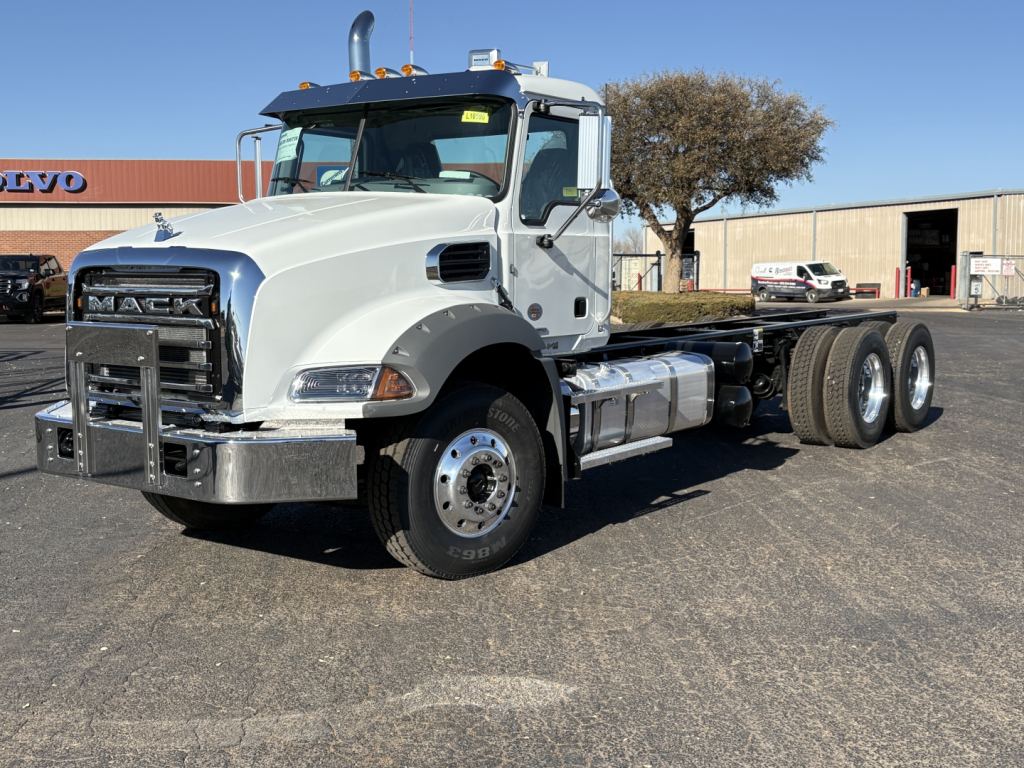

Selling a winch - oil field truck? List your winch - oil field truck for sale and reach thousands of commercial buyers.
Winch - Oil Field Trucks in Texas
Powertrain selection should match the job, not just the gross rating. Medium-duty configurations often run in the 300 hp range with automatic transmissions for easier operation around tight locations and frequent stop-and-go work. Heavier oil field winch trucks commonly move into the 355 to 455 hp range with either Allison automatics or Fuller manual transmissions, depending on driver preference and PTO requirements. Rear axle ratios in this class are typically spec'd lower for pulling power and launch, especially on trucks that need to move loaded equipment on soft ground or uneven lease roads. Front axle ratings around 12,000 to 20,000 lb and rear ratings from 21,000 lb on single axles up to 46,000 lb on tandems are common reference points when comparing listings.
A serious buyer should look closely at wheelbase, frame strength, and intended body layout. A shorter wheelbase can improve maneuverability around well sites and yards, while a longer wheelbase may better support certain winch body lengths, tool storage, headache racks, and weight distribution. PTO provision is critical because the truck has to support the hydraulic or mechanical demands of the winch system. Transmission model, PTO opening, cooling capacity, and engine torque curve all affect line pull performance in the field. Brake type also deserves attention. Drum brakes remain common on vocational oil field trucks because of simplicity and serviceability, especially in dirty operating conditions.
These trucks are also referred to as oilfield winch trucks or winch tractors depending on body style and application. The right spec depends on whether the truck will handle rig-up work, small equipment moves, pipe yard support, or general oilfield service duty. Buyers in Texas often prioritize rugged vocational chassis, high rear axle capacity, durable rear suspension, and gearing that favors control over highway speed. The best listing is not always the biggest truck. It is the one with the right balance of GVWR, wheelbase, transmission, PTO setup, and suspension for the body and winch package it is expected to carry.
Frequently Asked Questions about Winch - Oil Field Trucks in Texas
What should I look at first when buying a winch oil field truck?
Start with GVWR, front and rear axle ratings, wheelbase, and transmission PTO compatibility. Those specs tell you whether the chassis can properly support the winch body, carry the working load, and power the hydraulic or mechanical system. After that, compare suspension type, rear axle ratio, and engine horsepower to make sure the truck fits the terrain and pulling demands of your operation.
Are single-axle or tandem-axle winch oil field trucks better?
It depends on the application. A single-axle truck is often a good fit for lighter service work, tighter yards, and lower gross weight needs. A tandem-axle truck is usually the better choice for heavier winch bodies, higher payload demands, and rougher off-road conditions. Tandems also provide more rear axle capacity and better support for severe-duty oil patch work.
Is an automatic or manual transmission better for an oilfield winch truck?
Both can be right depending on the job. Allison automatics are popular for frequent maneuvering, stop-and-go operation, and easier driver training. Manual transmissions still appeal to fleets that want direct control, specific gearing, and proven compatibility with certain PTO and severe-service setups. The key is confirming the transmission is properly matched to the engine torque, rear ratio, and winch drive requirements.
Why does wheelbase matter on a winch truck?
Wheelbase affects maneuverability, body fit, and axle loading. A shorter wheelbase can help in congested lease roads and tight drilling locations, while a longer wheelbase may be necessary to mount the body, winch assembly, storage, and related equipment without creating poor weight distribution. Buyers should match wheelbase to the exact body configuration and the type of loads the truck will handle.
What engine and horsepower range is common for winch oil field trucks?
This category covers a broad range. Medium-duty units are often equipped around 300 hp, while heavier tandem-axle vocational chassis commonly fall in the 355 to 455 hp range. Horsepower alone does not tell the whole story. Torque output, rear axle ratio, transmission gearing, and PTO setup are just as important when the truck is expected to pull, recover, or position equipment in difficult field conditions.