
Mack Winch - Oil Field Trucks For Sale in Texas
Shop Mack winch oil field trucks for Texas jobs. Compare MP7 and MP8 power, axle ratings, PTO setups, wheelbase, suspension, and GVWR.
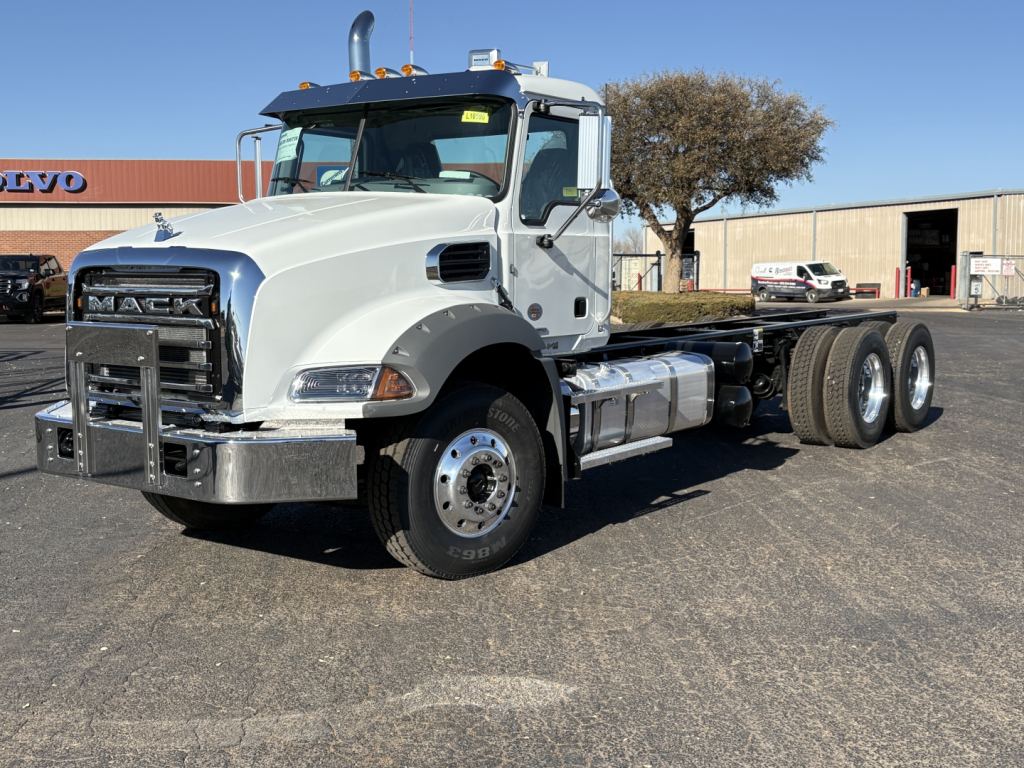

Selling a mack winch - oil field truck? List your mack winch - oil field truck for sale and reach thousands of commercial buyers.
Mack Winch - Oil Field Trucks in Texas
The most important spec decisions usually come down to horsepower, transmission type, rear ratio, and suspension. An MP7 in the mid-300 hp range can fit lighter pulling and support roles, while an MP8 in the mid-400 hp range gives more reserve for heavier oilfield loads and tougher terrain. Buyers comparing automated and automatic transmission behavior to manual gearing should also pay attention to PTO provisions, since winch performance depends on how the hydraulic system is driven. Rear axle ratings around 46,000 pounds, front axle ratings in the 18,000 to 20,000 pound range, and GVWRs in the mid-60,000 pound class are typical for this segment. Wheelbase also matters because it affects body layout, winch placement, turning radius, and bridge between maneuverability and stability.
For oilfield use, Mack chassis are often selected for their heavy vocational frame options, durable rear suspensions, and predictable handling under load. Camelback and severe-service parabolic suspensions both show up in this category, and the better choice depends on the job mix, road speed, and off-pavement conditions. A stiffer suspension can be an advantage in harsh service and load control, while a more compliant setup may help ride quality and traction on broken surfaces. Buyers should also confirm axle ratios, brake type, and tire package against the intended work. Drum brakes remain common on vocational trucks because they are durable and familiar in severe-duty applications, especially where dirt, debris, and frequent low-speed work are part of the job.
A Mack winch truck buyer should look beyond engine badge and focus on the complete oilfield package: PTO-ready transmission, frame strength, axle capacity, wheelbase, deck and winch integration, and local service support. Also verify how the truck is equipped for the specific role, such as pipe and equipment handling, rig support, recovery, or hotshot-style field service. In this category, the right spec is the one that matches the winch rating, body design, and daily operating environment. For Texas fleets, that usually means balancing highway travel to the next location with the low-speed pulling and site access demands that define oilfield work.
Frequently Asked Questions about Mack Winch - Oil Field Trucks in Texas
What should I look for first in a Mack winch oil field truck?
Start with the chassis and driveline, not just the engine horsepower. The key checks are PTO provision, transmission type, rear axle ratio, front and rear axle ratings, wheelbase, and suspension. Those specs determine how well the truck can power the winch, carry the body, and handle low-speed pulling on lease roads or in tight yards. A truck that looks strong on paper can still be a poor fit if the PTO setup, frame layout, or wheelbase does not match the intended winch body.
Is a Mack MP7 enough for oilfield winch work, or is an MP8 better?
It depends on the load profile and how aggressive the work cycle is. An MP7 can be a solid fit for lighter support duty, shorter pulls, and applications where maneuverability and operating cost matter. An MP8 gives more horsepower and torque reserve, which can be important for heavier equipment moves, tougher off-road conditions, and jobs where the truck spends more time under strain. Buyers should compare engine output with the planned winch rating, gross operating weight, and terrain rather than assuming bigger is always necessary.
Why does wheelbase matter on an oil field winch truck?
Wheelbase affects more than turning radius. It influences body length, winch placement, deck space, driveline geometry, weight distribution, and site maneuverability. A shorter wheelbase can help in tighter field locations, while a longer wheelbase may support better body layout and load balance. The correct choice depends on the combination of winch body design, axle spacing, and the type of equipment the truck will pull or carry.
What suspension is common on Mack oilfield trucks?
Heavy-duty Mack vocational trucks in this category often use Camelback or mRIDE-style rear suspensions, depending on the application. Camelback is known for durability and stability in severe service, which appeals to fleets working rough roads and heavy loads. Parabolic or vocational air-related setups can offer different ride and traction characteristics. Suspension choice should be matched to road conditions, body weight, expected pull loads, and driver preference.
Are automatic transmissions suitable for oil field winch trucks?
Yes, many oilfield winch trucks use automatic transmissions effectively, especially when they are ordered with PTO provision and paired correctly with the hydraulic system. An automatic can improve ease of operation in stop-and-go work and reduce driver fatigue. Manual and manual-style transmissions still appeal to some fleets for gear control and familiarity in severe-duty work. The best transmission is the one that supports the winch system, matches the engine torque curve, and fits the operator's work environment.