
2023 Chipper Trucks For Sale in Florida
Compare 2023 chipper trucks for tree service, arborist, and landscape work. Review GVWR, body length, hoist type, roof design, and towing setup.
Selling a 2023 chipper truck? List your 2023 chipper truck for sale and reach thousands of commercial buyers.
2023 Chipper Trucks in Florida
The first buying decision is usually chassis class and GVWR. Many chipper trucks are set up in the non-CDL range, typically around 23,500 to 25,950 pounds GVWR, because that opens the truck to a broader labor pool and suits local stop-and-go work. Common platforms include Chevrolet Silverado 6500HD, Ford F-600, International Durastar 4300, and Freightliner M2 106. Diesel engines remain common for torque and longevity, but gas-powered models can make sense for shorter routes and simpler emissions considerations. Automatic transmissions dominate this category because crews often rotate drivers and spend the day in traffic, neighborhoods, and jobsite entrances. Air brakes are common on higher-GVWR units, while electric-over-hydraulic hoists and PTO-driven hoists are both widely used depending on chassis configuration and body builder spec.
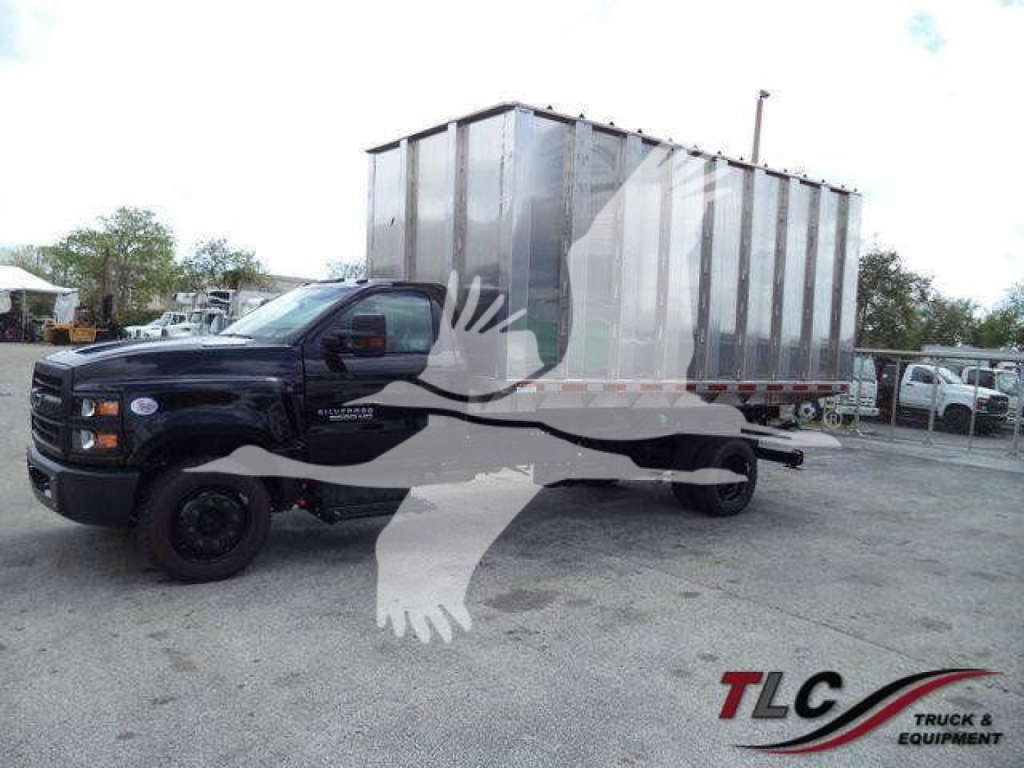
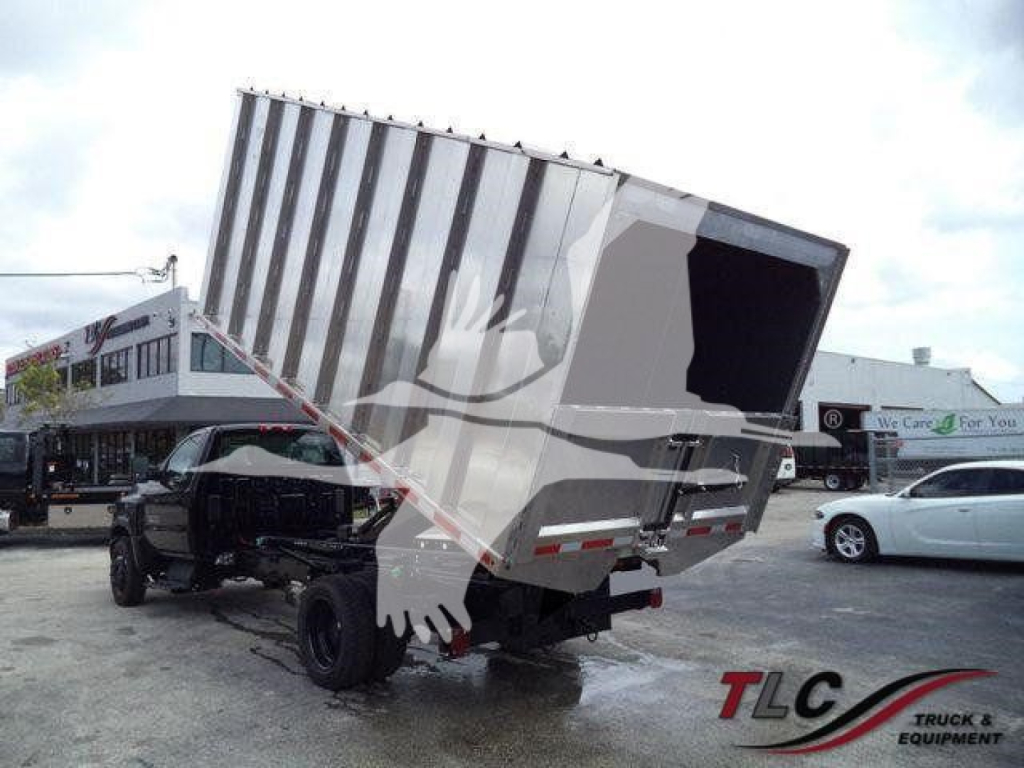
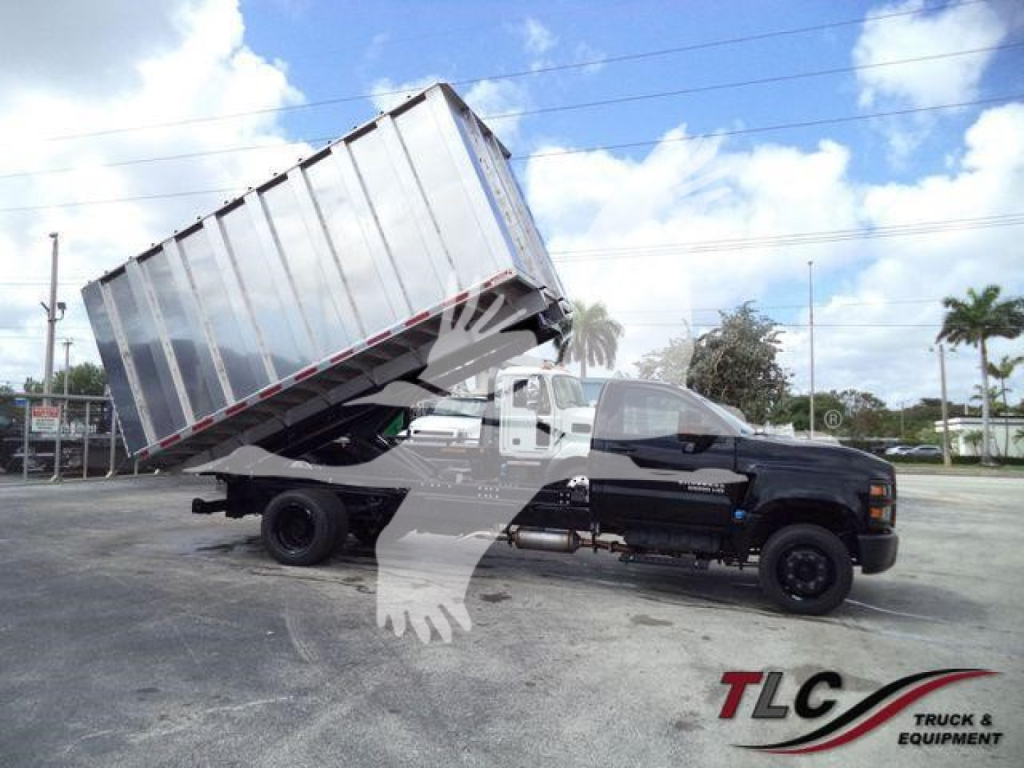
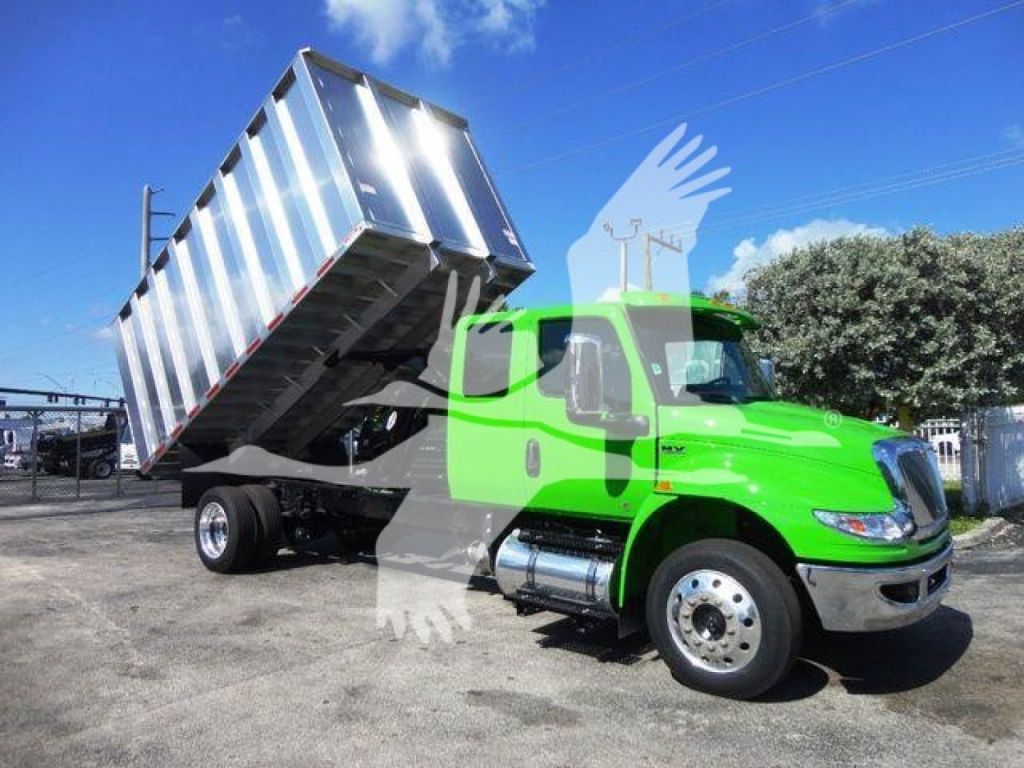
Body construction is what separates a true chipper truck from a standard dump truck. A typical 2023 unit may carry a 14-foot to 16-foot chipper body with 72-inch to 84-inch sides, a full or partial roof, smooth plate walls, closely spaced crossmembers, and a dump hoist sized for high-volume organic material rather than dense aggregate. Aluminum bodies are popular because they reduce empty weight and help preserve payload on non-CDL chassis. Buyers should look closely at side wall thickness, floor design, long sills, bulkhead reinforcement, door framing, and how the roof is stamped or braced. Rear barn doors are standard for chip discharge and hand unloading, and many trucks are ordered with a pintle hitch or receiver hitch plus a 7-way plug so the truck can tow a wood chipper, mini skid, or support trailer.
The best 2023 chipper truck for sale depends on how the crew works. Tree service buyers may prioritize taller sides, stronger bulkheads, towing equipment, and cab comfort for long days. Municipal and landscape contractors may focus more on maneuverability, lower cab height, and easy servicing. In Florida, corrosion resistance, cooling performance, and reliable A/C matter more than buyers in cooler climates sometimes expect. Review wheelbase-to-body match, turning radius, tire size, suspension, and hoist access before deciding. A well-spec'd chipper truck should load brush cleanly, tow confidently, dump consistently, and stay under the weight threshold that fits your licenses, routes, and crew structure.
Frequently Asked Questions about 2023 Chipper Trucks in Florida
What is the difference between a chipper truck and a standard dump truck?
A chipper truck is designed for bulky organic debris such as wood chips, brush, and leaves, not dense material like gravel or demolition debris. It typically has much taller sides, an enclosed or partially enclosed roof, and rear barn doors to contain light material during transport. The body is built for volume more than raw weight capacity, and many chipper trucks include towing equipment for a tow-behind wood chipper.
What GVWR is most common for a 2023 chipper truck?
Many 2023 chipper trucks are spec'd in the non-CDL range, commonly from about 22,000 to 25,950 pounds GVWR. That range is popular because it supports local tree and landscape work without requiring a CDL in many applications, assuming the full combination weight and local regulations still fit the exemption. Buyers should always confirm actual GVWR, registered weight, and towing impact before assigning the truck to a crew.
Is an aluminum chipper body better than steel?
Aluminum is a strong fit for many chipper truck applications because it reduces body weight and helps maximize payload on medium-duty chassis. It also offers corrosion resistance, which is valuable in humid coastal markets like Florida. Steel can be a good choice when the truck sees rougher loading practices or mixed-use work, but for hauling chips and brush, aluminum bodies are widely preferred for weight savings and long-term durability.
What body size is typical on a 2023 chipper truck?
A common body length is 14 to 16 feet with side heights ranging from roughly 72 to 84 inches. That size gives crews enough cubic capacity for brush and chip volume while staying practical on medium-duty wheelbases. The right size depends on route density, dump frequency, tow-behind chipper use, and how important maneuverability is in residential neighborhoods or tight municipal work zones.
What should Florida buyers pay attention to on a chipper truck?
Florida buyers should pay close attention to corrosion resistance, cab A/C performance, engine cooling, and how well the body contains wet debris during heavy rain. Aluminum bodies and clean electrical routing are especially valuable in a humid environment. Tire condition, brake performance, and hoist reliability also matter because many Florida chipper trucks spend their lives in stop-and-go service with frequent PTO or dump cycles.