
Chipper Trucks For Sale in Florida
Chipper trucks in Florida, from under-CDL singles to tandems, with durable chip boxes, low tare weight, and corrosion protection, for coastal climates
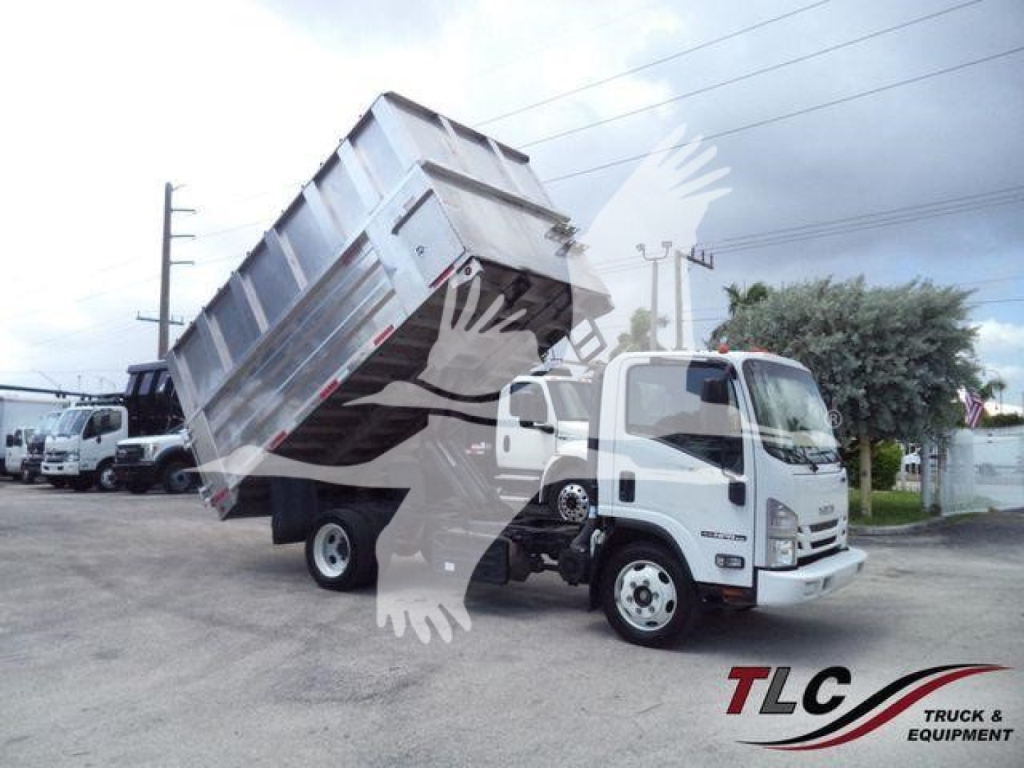
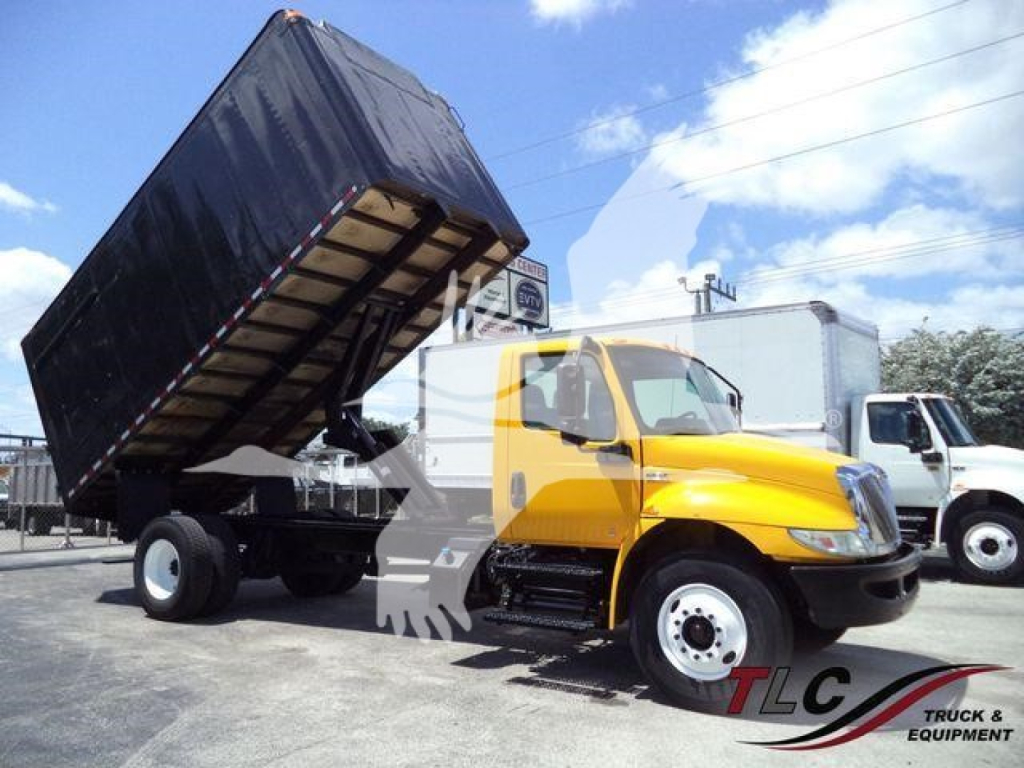
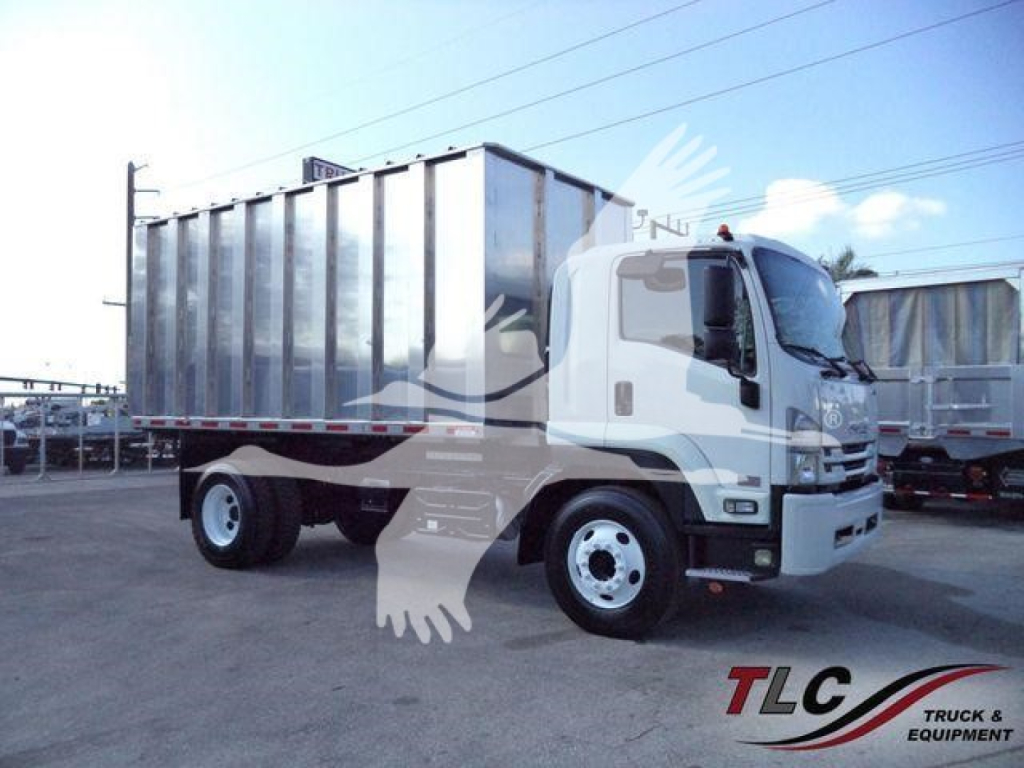
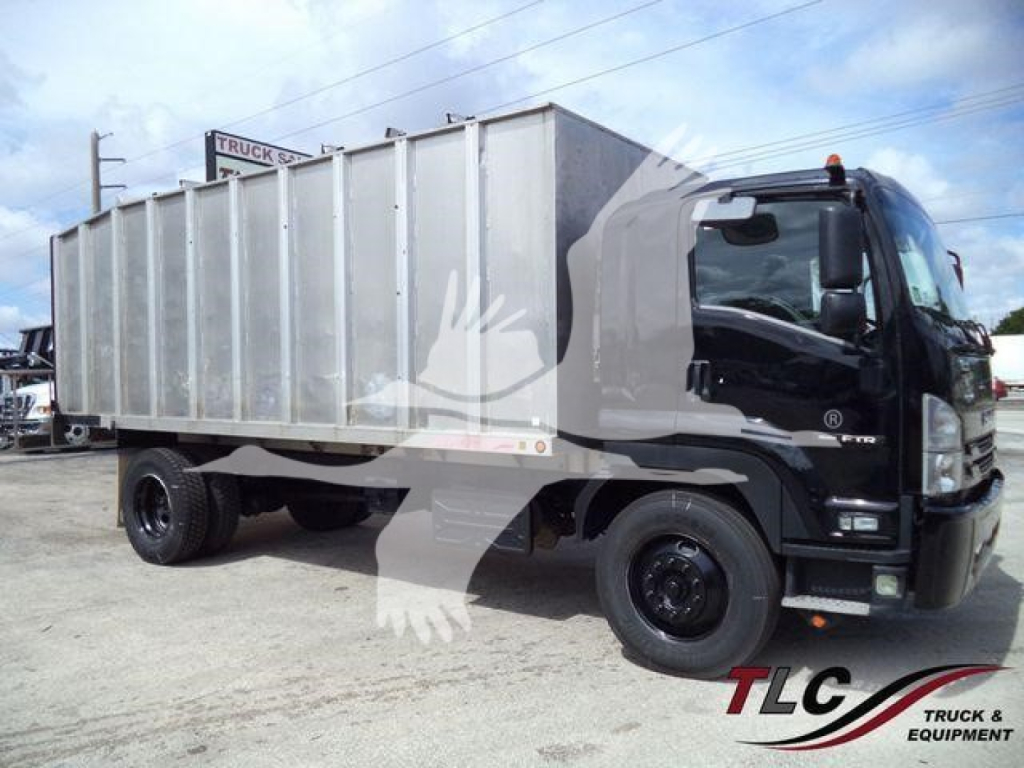
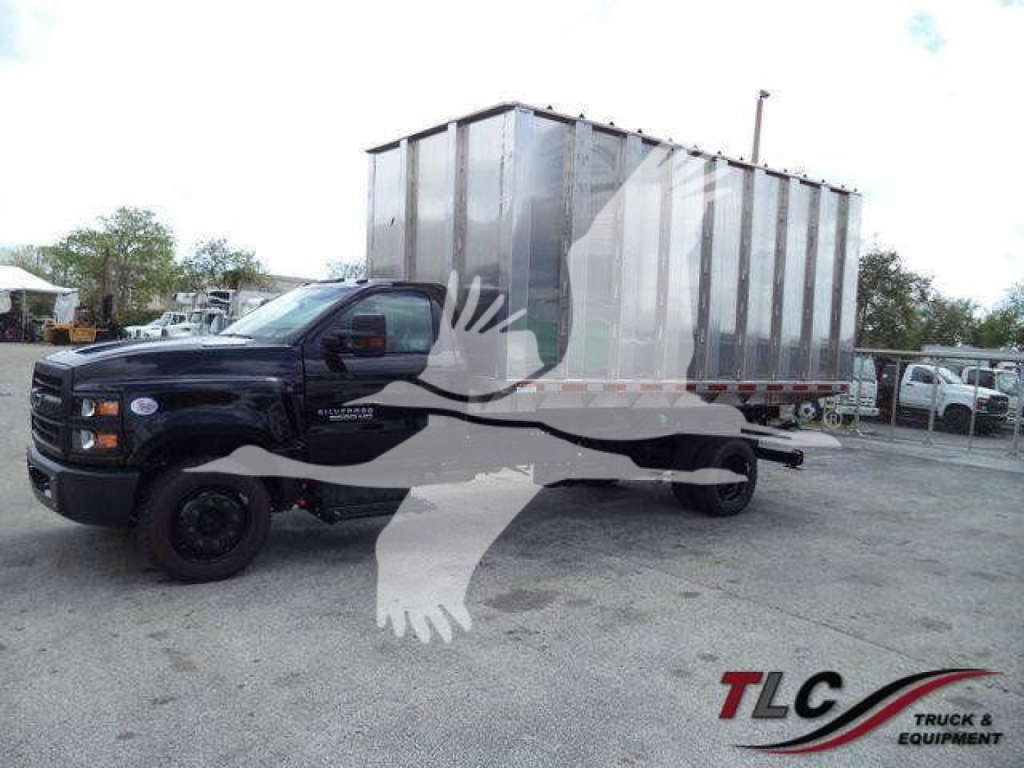
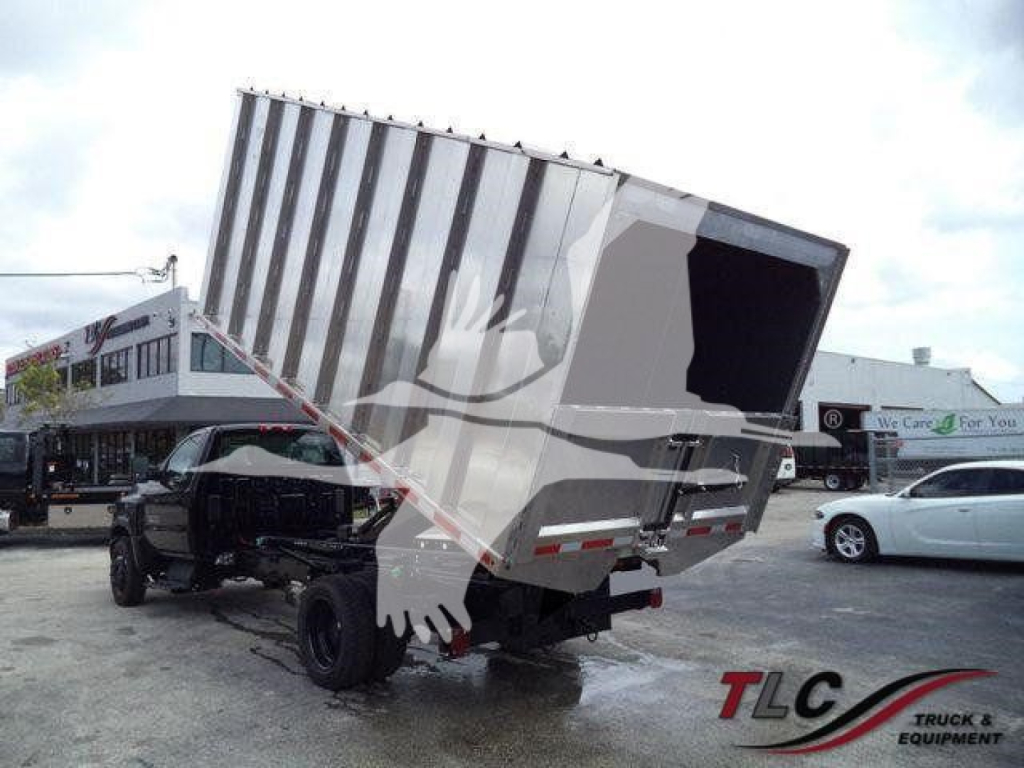
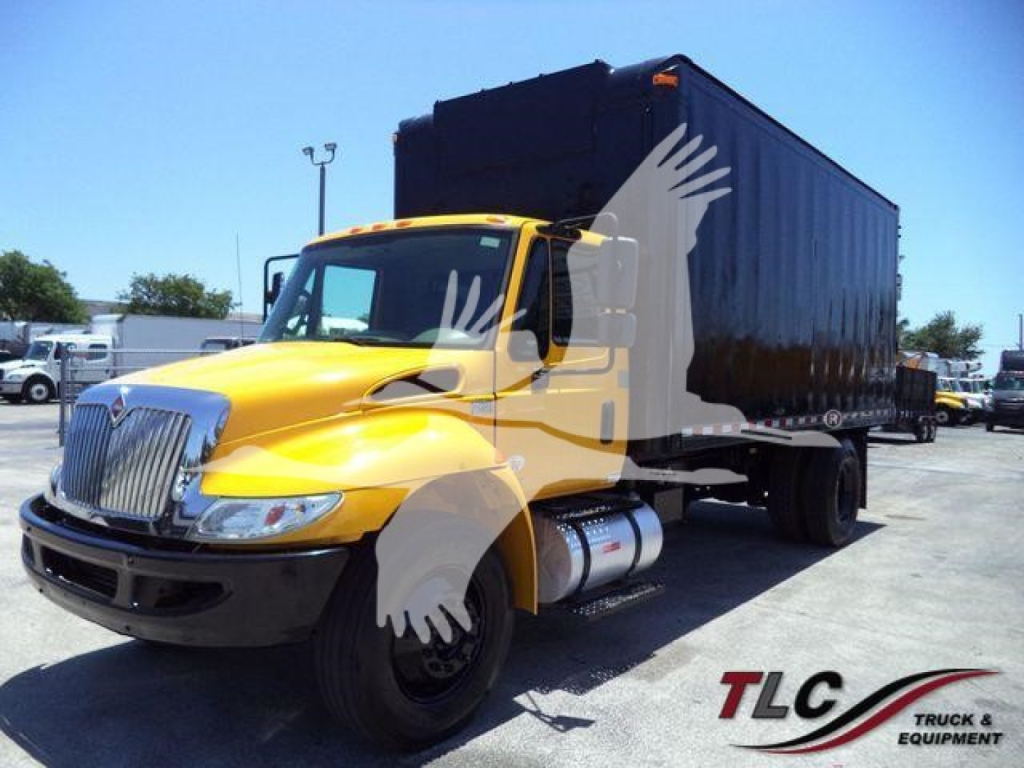
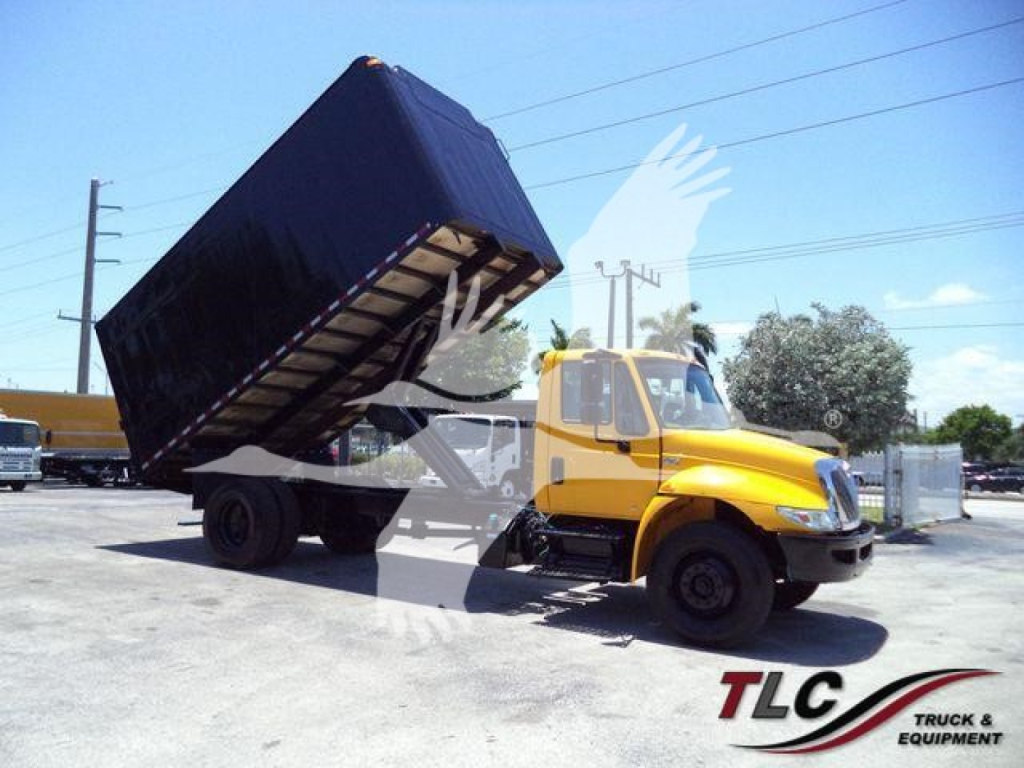
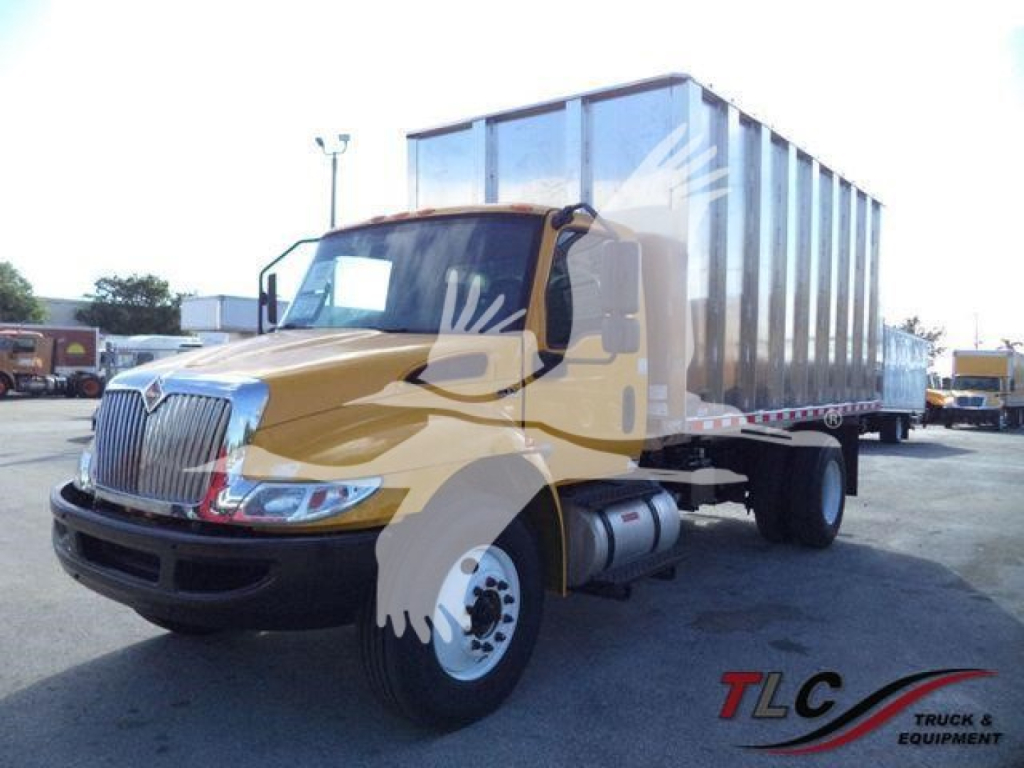
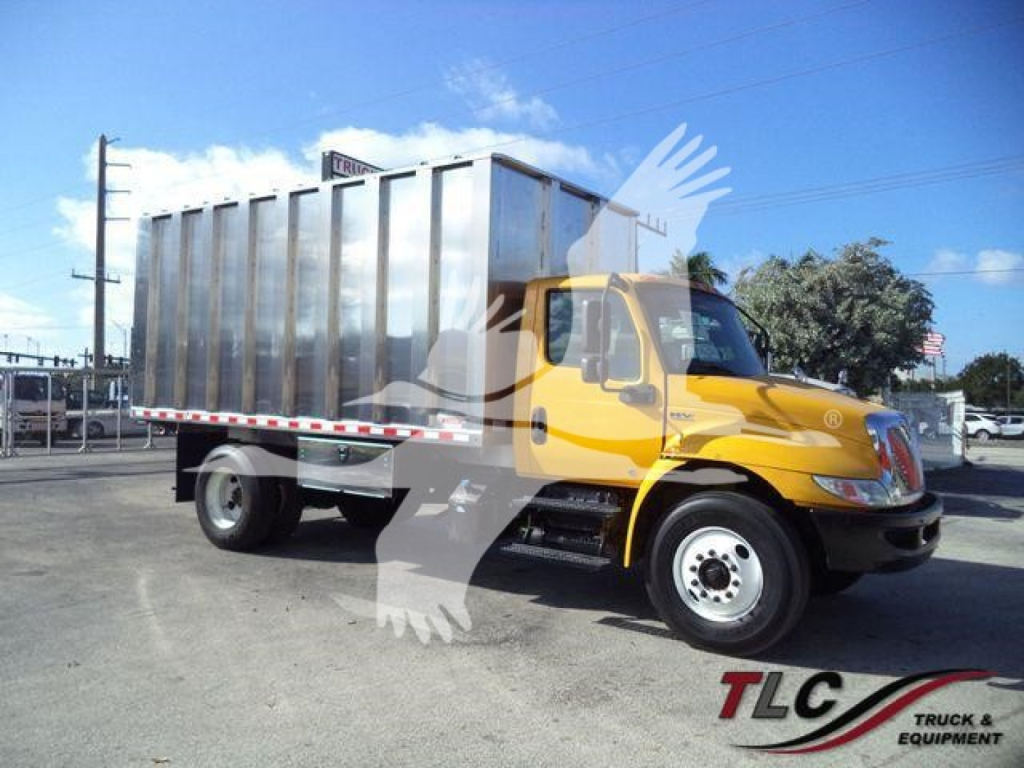
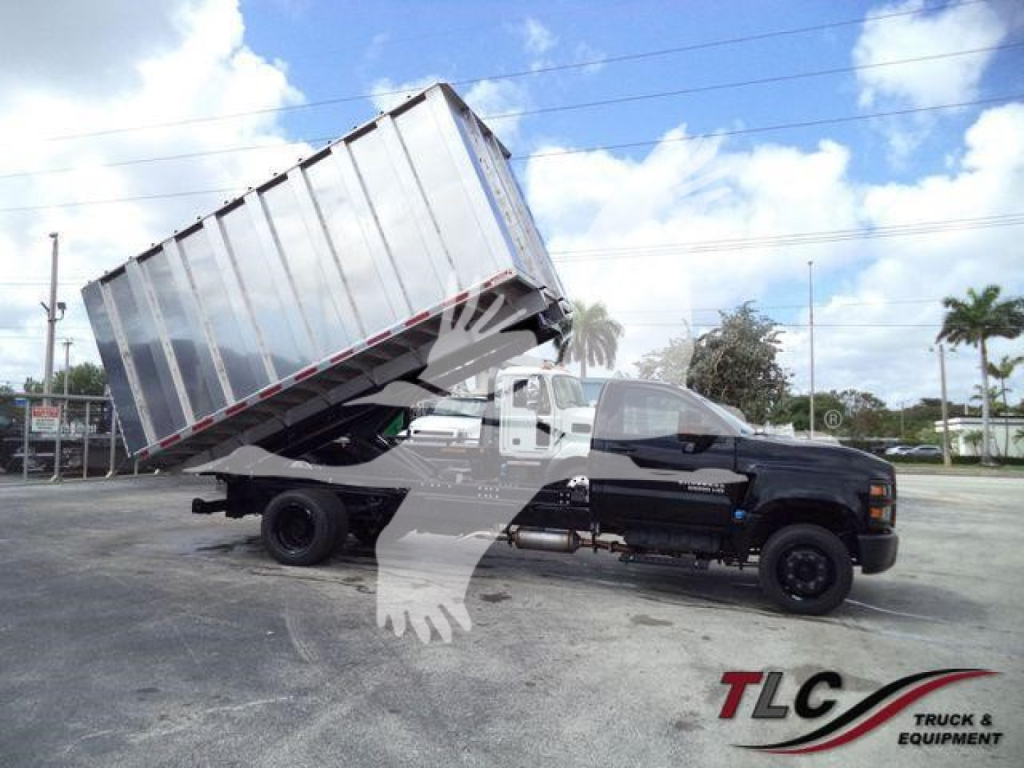
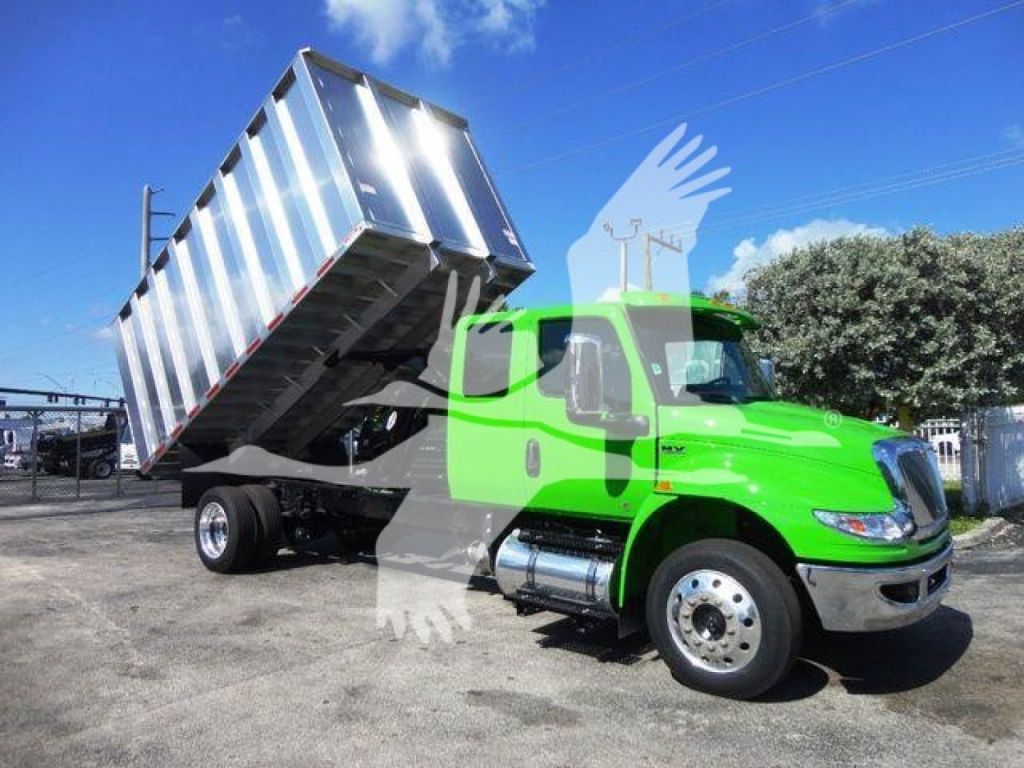
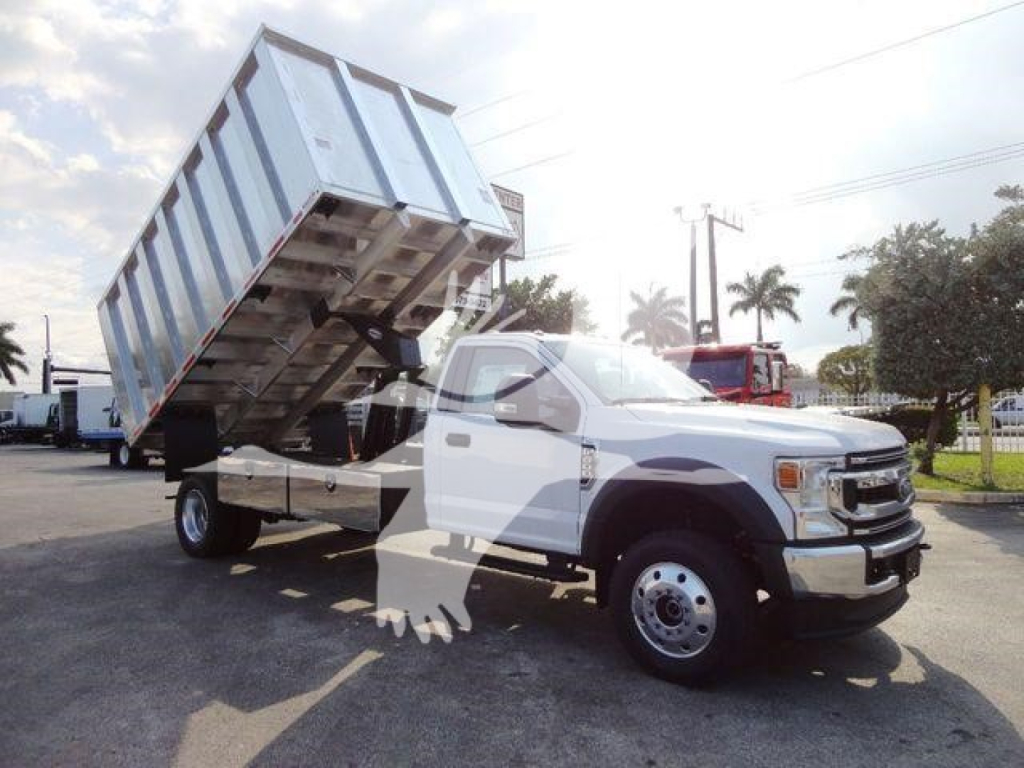
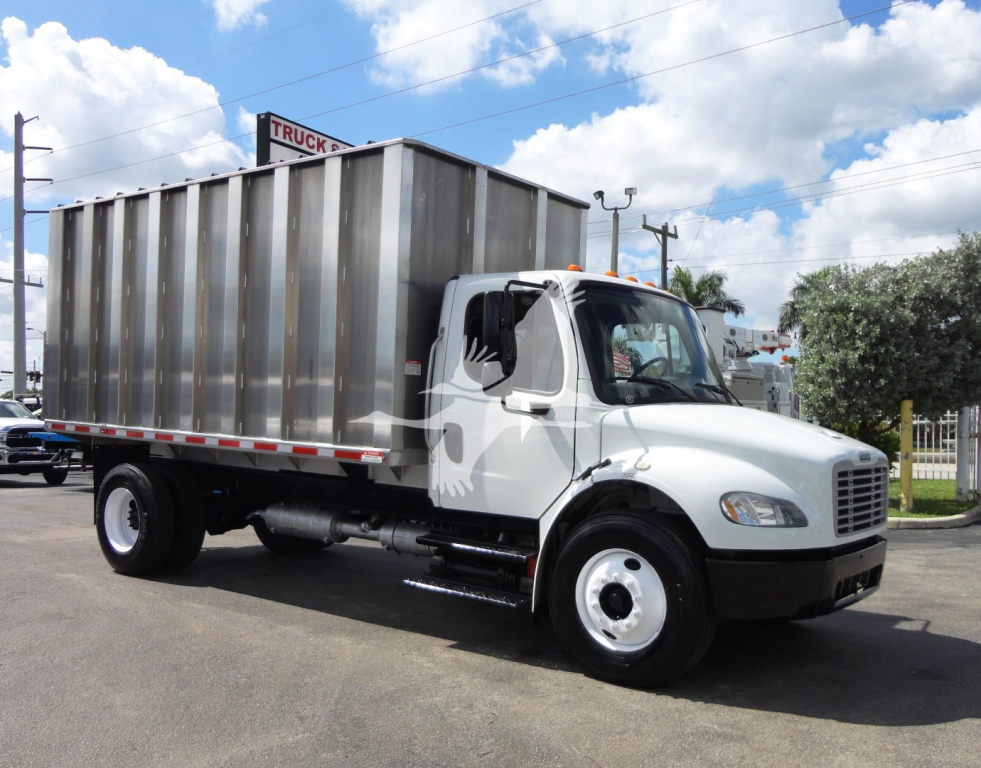
Selling a chipper truck? List your chipper truck for sale and reach thousands of commercial buyers.
Chipper Trucks in Florida
Floor strength matters because chips are abrasive and crews often toss rounds into the body. Look for 3 or 4 inch crossmembers on 12 inch centers, heavy sills, and 3/16 inch steel floors or AR wear plate in high impact zones. High molecular weight poly or hardwood liners reduce sticking and protect paint at the rear door. Scuff liners and vertical posts at 16 or 24 inch centers keep side panels straight. Tight tailgate seals and a curbside chip door improve containment and reduce cleanup; a rear barn door with top hinge simplifies dumping brush. Scissor hoists are stable on short frames and deliver quick dump cycles.
Tare weight drives payload and licensing. A single axle steel chip body on a Class 6 or 7 chassis typically scales 13,000 to 16,000 pounds with fuel and toolboxes, which leaves 10,000 to 13,000 pounds of payload on a 26,000 GVWR under CDL truck. Wet chips can run 400 to 600 pounds per cubic yard, and rounds push weights higher, so 14 to 16 yard bodies are common on under CDL singles and 18 to 20 yard bodies on tandems. Aluminum or galvanneal bodies cut several hundred pounds, which adds payload or room for a pallet of logs, but they trade some dent resistance compared to full hard steel. Specify an automatic transmission with live PTO and high idle control for reliable hoist operation, and match your GCWR and pintle rating to the chipper you tow.
Florida humidity, salt air, and daily rain test chipper truck corrosion protection. Aluminum bodies, stainless hardware, e coated subframes, and sealed harnesses resist rust; isolate mixed metals with non conductive pads to prevent galvanic corrosion. Factory undercoating and epoxy primer under the body floor slow rot that starts with wet chips sitting overnight. Good thermal and moisture management helps too, use vented roof caps, screened vents, or a mesh tarp to let heat and steam escape so chips do not sour and blister paint. LED work lights, backup cameras, tire pressure monitoring, and spring suspensions with helper leaves improve uptime on curbside jobs without adding unnecessary weight.
Frequently Asked Questions about Chipper Trucks in Florida
What body material makes the most sense for a Florida chipper truck?
Steel offers the best impact resistance when you are tossing rounds, but it is heavier and needs strong paint and undercoating in humid, coastal areas. Aluminum trims several hundred pounds of tare and resists rust, which adds payload and reduces maintenance, but it dents more easily and needs isolation from steel subframes to avoid galvanic corrosion. Galvanneal steel is a solid middle ground, it paints well and slows rust creep compared to bare carbon steel. Stainless is excellent for hardware and hinges, not typical for full bodies due to cost.
How many cubic yards should I choose for residential tree work under CDL limits?
For under CDL operations at 26,000 GVWR, 14 to 16 cubic yards on a single axle is a practical sweet spot in Florida suburbs. With typical tare in the mid teens, that keeps you within payload when chips are wet at roughly 400 to 600 pounds per cubic yard, and still leaves room for a few rounds. If you frequently haul large limbs or storm debris, consider a tandem at 18 to 20 yards and higher GVWR for legal payload and braking capacity.
Which hoist and door configuration works best on a chipper body?
A scissor hoist provides stable lifting on short wheelbases and centers the load well, with quick cycle times and good body control. Telescopic front mounts save weight but require adequate tower space and frame reinforcement. For doors, a rear barn door with top hinge simplifies dumping brush, while a tight sealing tailgate helps retain chips on the highway. A curbside chip door aligned to your chipper chute speeds loading and reduces spills.
Can a single axle chipper truck tow a 12 to 18 inch chipper legally, and what hitch should I spec?
Yes, provided the chassis GCWR, hitch rating, and brakes cover the trailer weight. Many 12 to 18 inch drum or disc chippers run 7,000 to 14,000 pounds. A 20,000 pound pintle hitch with an appropriate drawbar eye, safety chains, and a brake controller is common. Verify Florida requirements for trailer brakes and breakaway systems, and match electrical connectors. Keep overall GCWR within the manufacturer limit and ensure axle and tire ratings are not exceeded.
How can I reduce corrosion and odors from wet chips in Florida heat?
Rinse the body after heavy wet loads, keep drains clear, and avoid letting chips sit against bare metal. Vented roof caps or mesh tarps let heat and steam escape, which protects paint and reduces sour chip odors. Specify e coat or epoxy primer under the floor, stainless hardware, sealed wiring, and dielectric isolation between aluminum bodies and steel frames. A poly floor or wear liner at the rear reduces abrasion where chips concentrate before dumping.