
2019 Chipper Trucks For Sale in Florida
Browse 2019 chipper trucks for sale in Florida. Compare dump body specs, GVWR, hoists, PTO setups, and arborist-ready chip box designs.
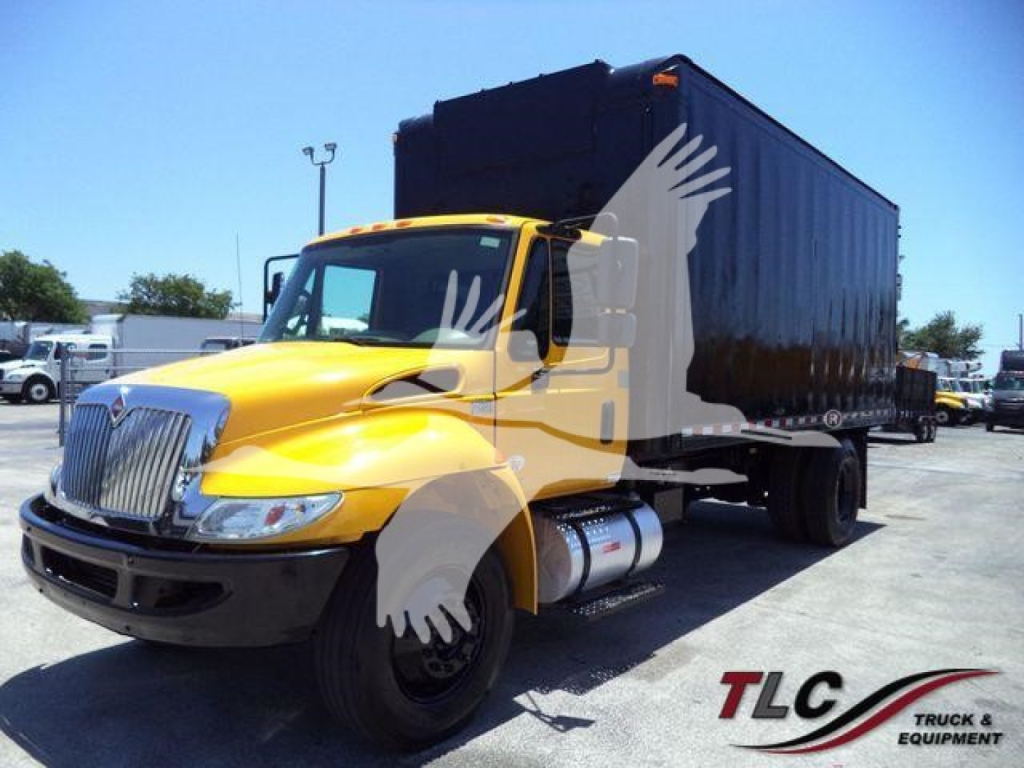
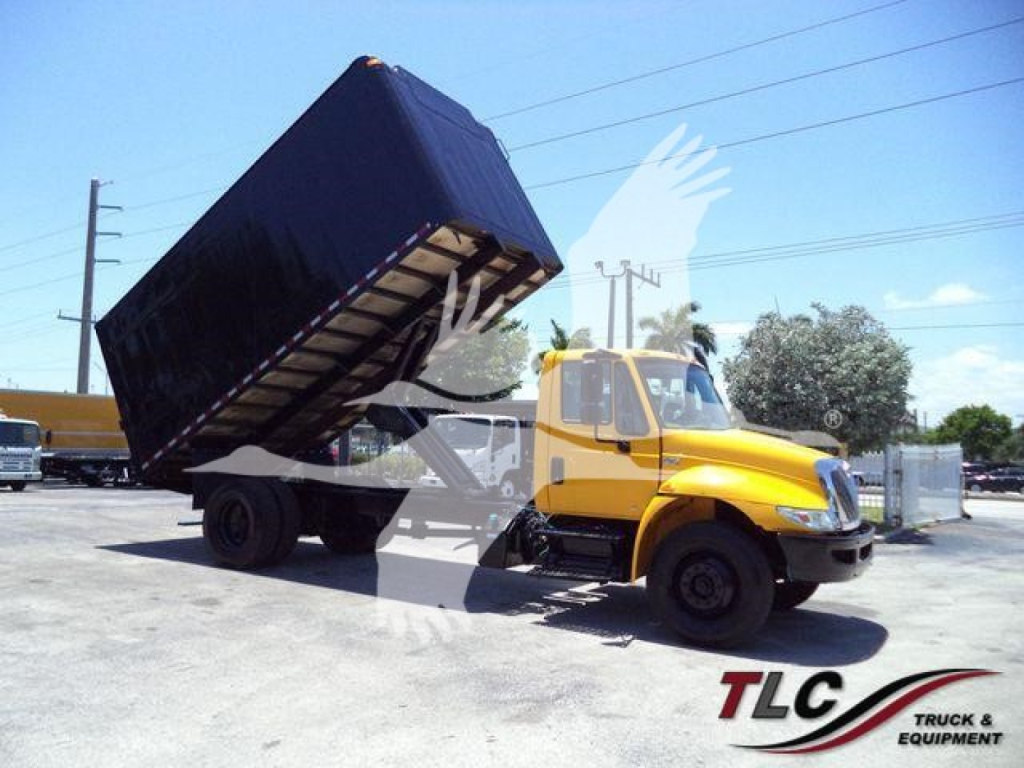
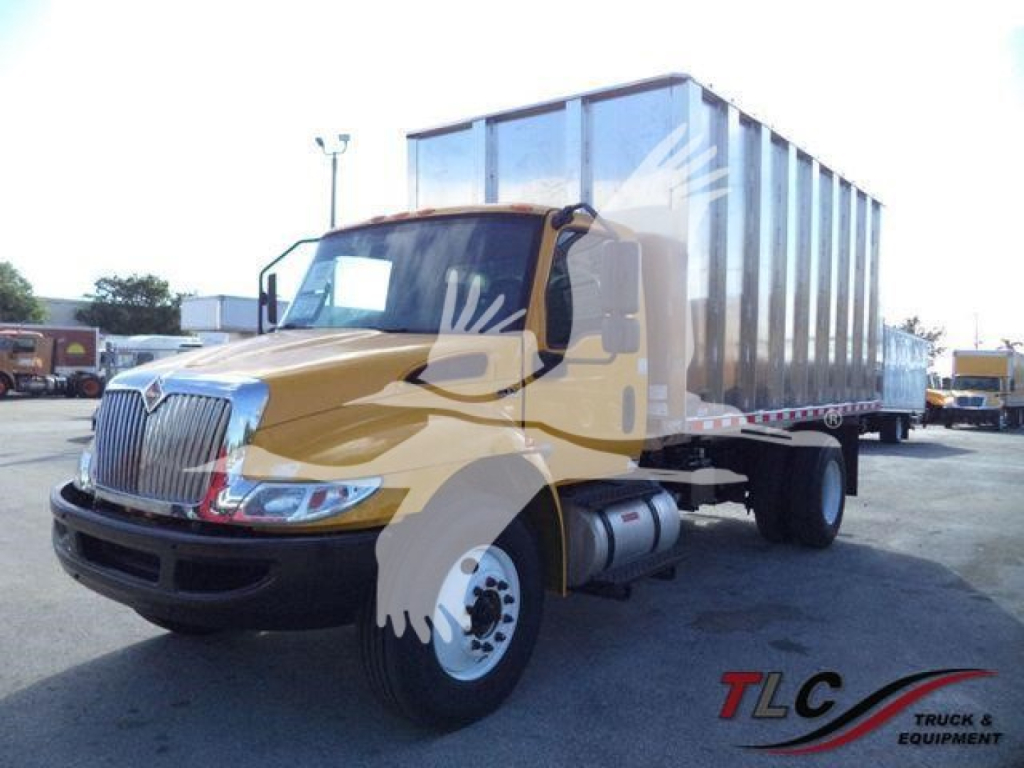
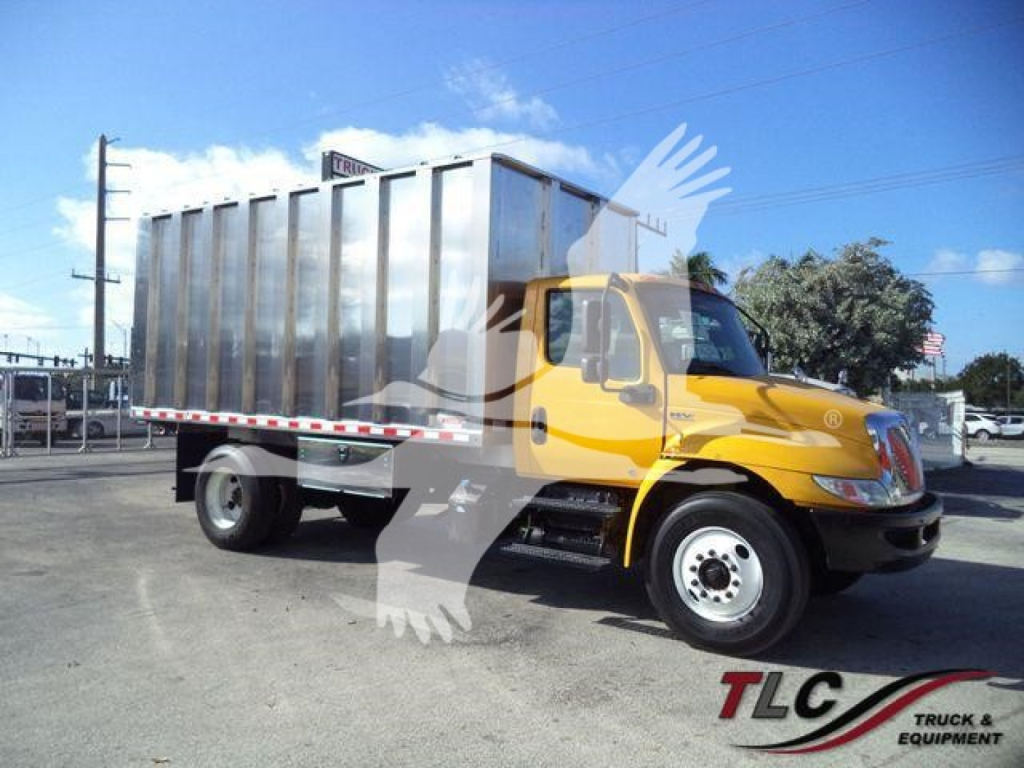
Selling a 2019 chipper truck? List your 2019 chipper truck for sale and reach thousands of commercial buyers.
2019 Chipper Trucks in Florida
Body design is the first major buying decision. Many 2019 chipper trucks use 14 to 16 foot bodies with 84 inch side walls, enclosed tops or chip roofs, rear barn doors, and smooth interior liners to help material slide out cleanly during dumping. Crossmember spacing, long beam strength, floor thickness, and hoist rating all affect long-term durability, especially if the truck sees repeated loading from commercial chippers or mixed debris. A well-matched hoist and PTO setup matters just as much as engine horsepower. Buyers should verify whether the truck uses electric-over-hydraulic or engine-driven hydraulic systems, and check for recent hydraulic, PTO, and hoist service if uptime is critical.
On the chassis side, 2019 chipper trucks commonly fall in the Class 6 to Class 7 range, often around 23,500 to 26,000 GVWR. That puts many units in the under-CDL sweet spot when spec'd at 25,950 or 26,000 GVWR, which can simplify hiring and routing. Common configurations include automatic transmissions, diesel engines from Cummins or Duramax, 4x2 drivetrains, and either hydraulic or air brake systems depending on the chassis. Air ride suspension, 19.5 or 22.5 inch wheels, and receiver hitches with 7-way plugs are useful details for crews towing a wood chipper, stump grinder, or equipment trailer between jobs.
For Florida buyers, condition and application fit are more important than badge alone. Check the roof structure for impact damage from loader work, inspect barn door framing and hinge wear, and look for cracking around body mounts, hoist attachment points, and bulkheads. Confirm the truck dumps cleanly, the PTO engages smoothly, and the body dimensions match the volume your crew produces in a normal day. A 2019 chipper truck can be a strong value when the chassis, dump body, and hydraulic system are balanced for arborist work instead of general dumping. The right spec will move brush efficiently, reduce dump trips, and stay maneuverable in residential streets, HOA communities, and storm response zones.
Frequently Asked Questions about 2019 Chipper Trucks in Florida
What is a chipper truck used for?
A chipper truck is used to haul wood chips, brush, limbs, leaves, and light green waste generated by tree service and landscape crews. The body is built with tall sides and large cubic capacity so crews can load debris from a tow-behind chipper or by hand. Most chipper trucks also dump, which makes unloading at a disposal site much faster than a fixed chip box body.
Is a 26,000 GVWR chipper truck a good choice for tree service work?
A 26,000 GVWR chipper truck is a popular choice because it offers medium-duty capacity while often staying at the top end of the non-CDL range. For many arborist operations, that rating provides enough chassis strength for a 14 to 16 foot chip body, towing capability for a chipper, and manageable operating costs. The key is payload balance, since chipper trucks carry bulky but relatively light material, and overbuilding the chassis can add cost and reduce usable volume efficiency.
What should I inspect on a used 2019 chipper truck?
Inspect the dump body floor, side walls, roof, barn doors, hinges, bulkhead, and body mounts for cracking, repairs, or distortion. Check the hoist, hydraulic lines, PTO engagement, and cylinder operation under load if possible. On the chassis, review brake type, suspension condition, tire size and wear, cooling system health, and any signs of corrosion around the frame and electrical connections. For a Florida truck, salt air exposure and moisture-related electrical issues deserve extra attention.
Are aluminum chipper bodies better than steel bodies?
Aluminum chipper bodies are often preferred because they reduce empty weight and resist corrosion better than steel, which is important in humid and coastal markets. That lower body weight can improve legal payload and overall efficiency. Steel still has advantages in impact resistance and repair familiarity, but for chip hauling and arborist work, aluminum is a common and practical spec when the body is properly reinforced.
What body features matter most on a chipper truck?
The most important body features are overall length, side wall height, roof design, door configuration, floor thickness, crossmember spacing, and hoist capacity. High sides and a full chip roof help maximize volume retention during transport. Smooth interior surfaces and a strong hoist help the load evacuate cleanly. A rear hitch with a 7-way plug is also important for crews that tow a wood chipper or other support equipment.