
Mack Hood Parts For Sale
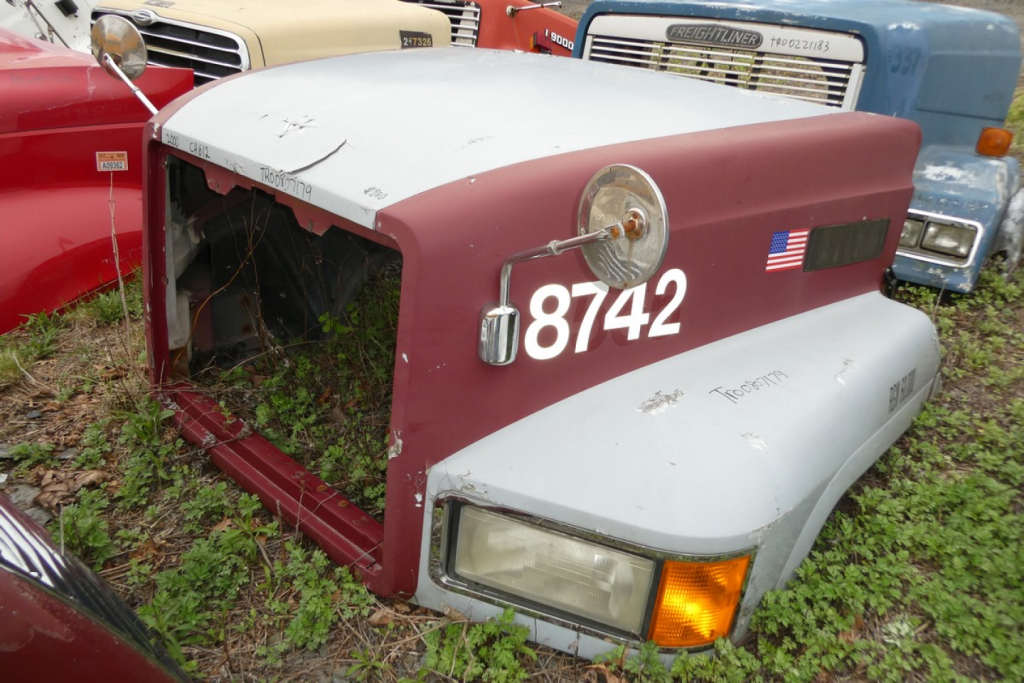
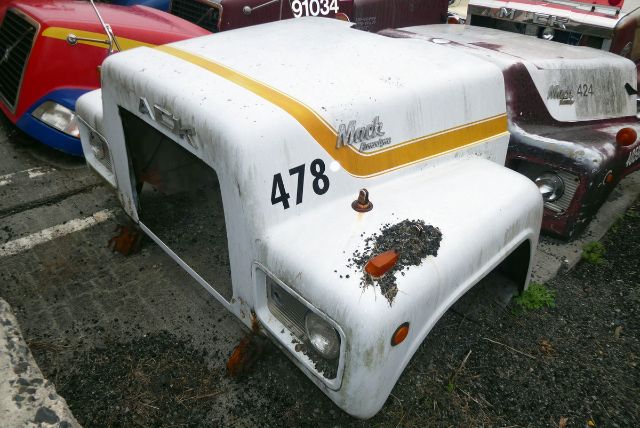
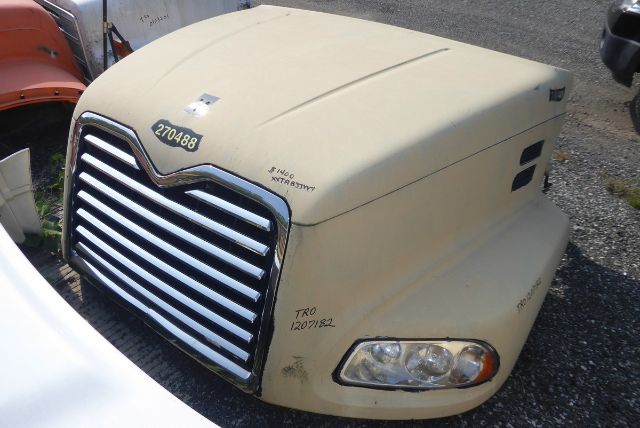
Shop Mack hood parts for CH, CXU, R Model and other applications. Compare fitment, material, mounting points, grille style, and condition.
Selling a mack hood part? List your mack hood part for sale and reach thousands of commercial buyers.
Mack Hood Parts
Material and condition drive the real value of a used Mack hood. Many Mack hoods are fiberglass, and the most important inspection points are stress cracks around hinges, latch areas, fender crowns, and mounting surfaces. Check for prior repairs on the inner liner, signs of delamination, and uneven panel shape that can create poor hood-to-cab gaps. On aerodynamic highway models like the CXU and CH series, even small alignment issues can affect headlight fit and bumper clearance. On older vocational and classic models, buyers often focus on nose profile, grille compatibility, and whether the hood retains the correct Mack look for the truck.
Fit-up details are what separate a usable replacement from a costly mismatch. Verify hood length, overall width, radiator support relationship, charge air cooler clearance, and the position of the hinges and latch mechanisms. If the hood is being sourced for a truck with prior front-end damage, it is smart to inspect surrounding components such as hood pivots, cowl mounts, bumpers, fender supports, and radiator framework at the same time. Many buyers also look for complete front clip compatibility because swapping only the hood may still require matching headlights, grille inserts, trim panels, or side closeout pieces.
Used Mack hood parts are often purchased for collision repair, restoration, or rebuilding older trucks where OEM-style appearance still matters. A clean used hood can be a practical solution when a new replacement is expensive or difficult to source, especially for discontinued Mack platforms. The best choice usually comes down to straight structure, correct mounting points, and minimal fiberglass repair history. For buyers comparing listings, the key questions are simple: what exact Mack model does it fit, what components are included, and what damage or repairs are present.
Frequently Asked Questions about Mack Hood Parts
How do I confirm a Mack hood will fit my truck?
Start with the truck's exact model, year, and configuration, then compare the donor hood's mounting points, hinge style, latch setup, headlight openings, grille opening, and overall hood shape. Mack trucks can change front-end design within the same model family, so visual similarity is not enough. If available, compare OEM part numbers and measure critical dimensions around the cowl, bumper, and radiator support area.
What should I inspect on a used fiberglass Mack hood?
Focus on cracks around hinge mounts, latch areas, and the inner structure where stress tends to build. Look for repaired sections, fiberglass mat patches, filler, delamination, and any warping that may affect panel alignment. Also inspect the headlight mounting areas, grille surround, and lower edges, since these are common damage points after front-end contact or repeated opening and closing.
Are Mack hood assemblies usually sold complete?
Not always. Some listings are for the bare hood shell only, while others may include grille, headlights, bezels, inner bracing, latch hardware, and side trim. A complete assembly can reduce installation time and parts chasing, but buyers should verify exactly what is included because missing trim or lighting components can add significant cost.
Which Mack models commonly need hood fitment verification?
CH, CXU, Granite, Vision, and R Model applications all deserve close fitment checks, especially across different production years. Changes in lighting design, grille style, emissions-era front-end packaging, and vocational versus highway configurations can affect interchange. Even when a hood is listed for a certain model, buyers should still confirm year range and front-end details before purchase.
Is a used Mack hood a good option for repair or restoration?
A used hood can be an excellent option when the structure is straight and the mounting areas are intact. It is often the most practical route for older Mack trucks or discontinued applications where new parts are limited or costly. For restoration work, buyers usually place extra value on correct body lines, grille compatibility, and an original-style appearance that matches the truck's era.