
New 2026 Ford Commercial Trucks For Sale in Georgia
Shop new 2026 Ford trucks in Georgia, including Transit vans, F-350 flatbeds, and service trucks with diesel, gas, and work-ready specs.
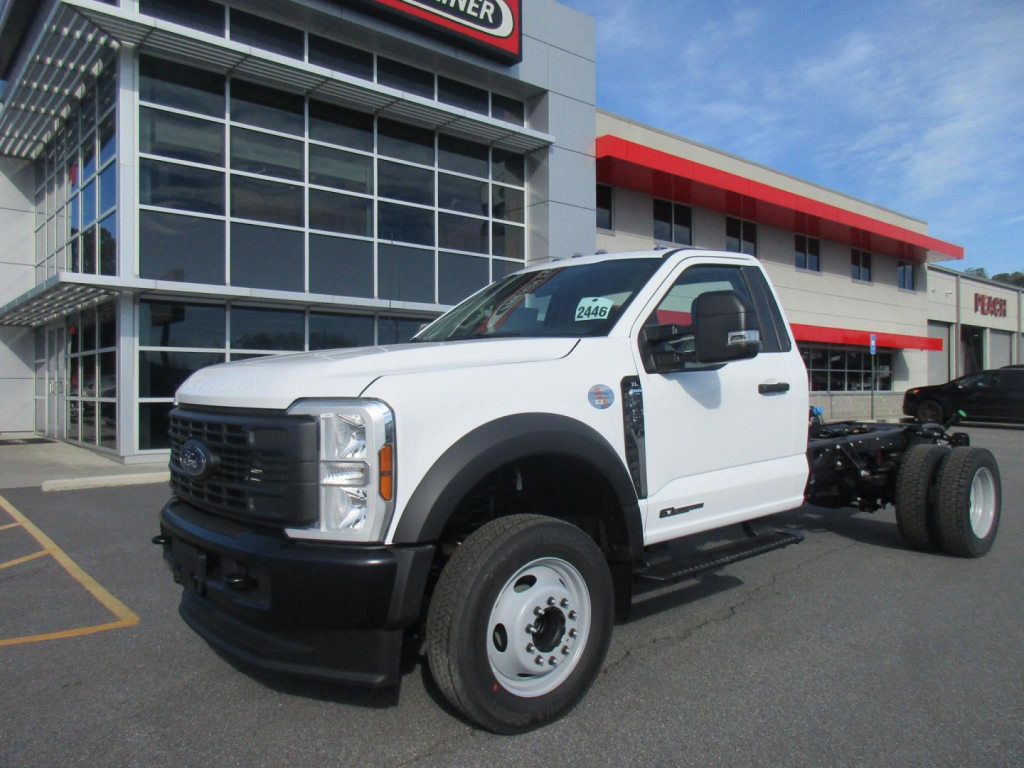
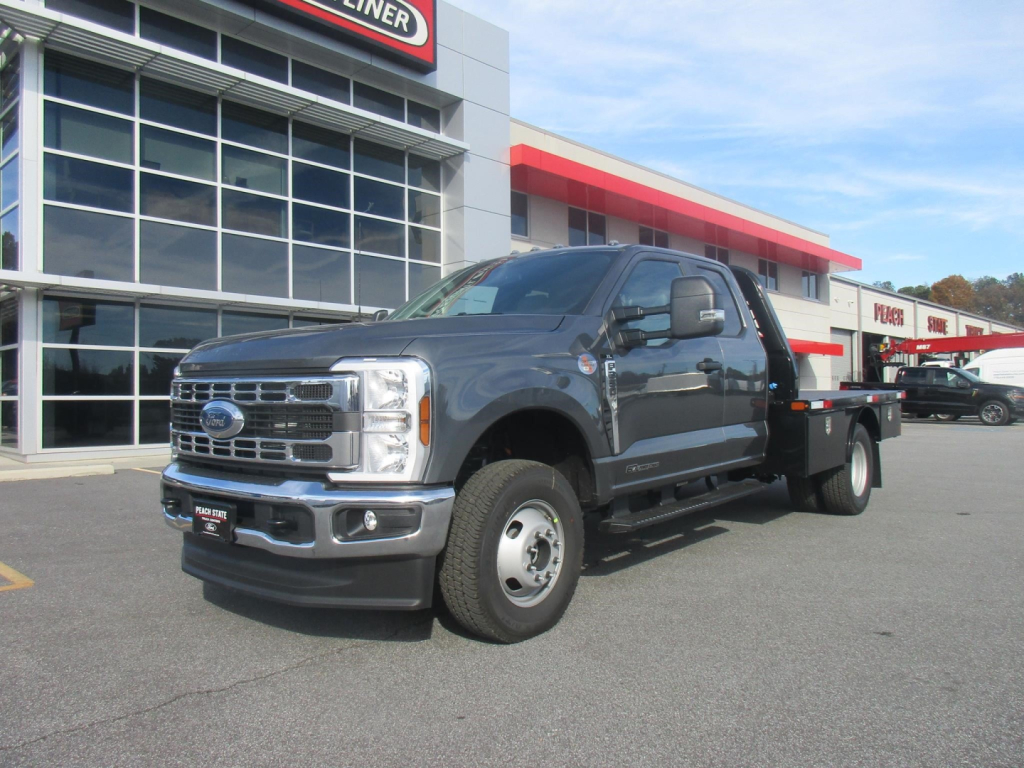
Selling a new 2026 ford commercial truck? List your new 2026 ford commercial truck for sale and reach thousands of commercial buyers.
New 2026 Ford Commercial Trucks in Georgia
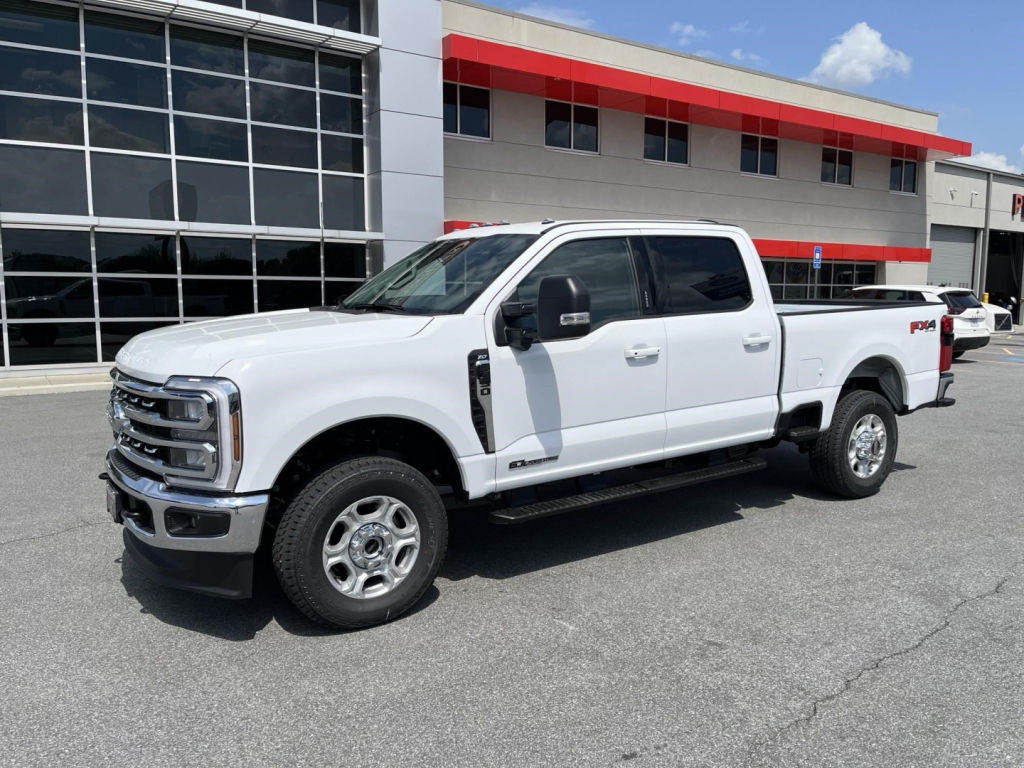
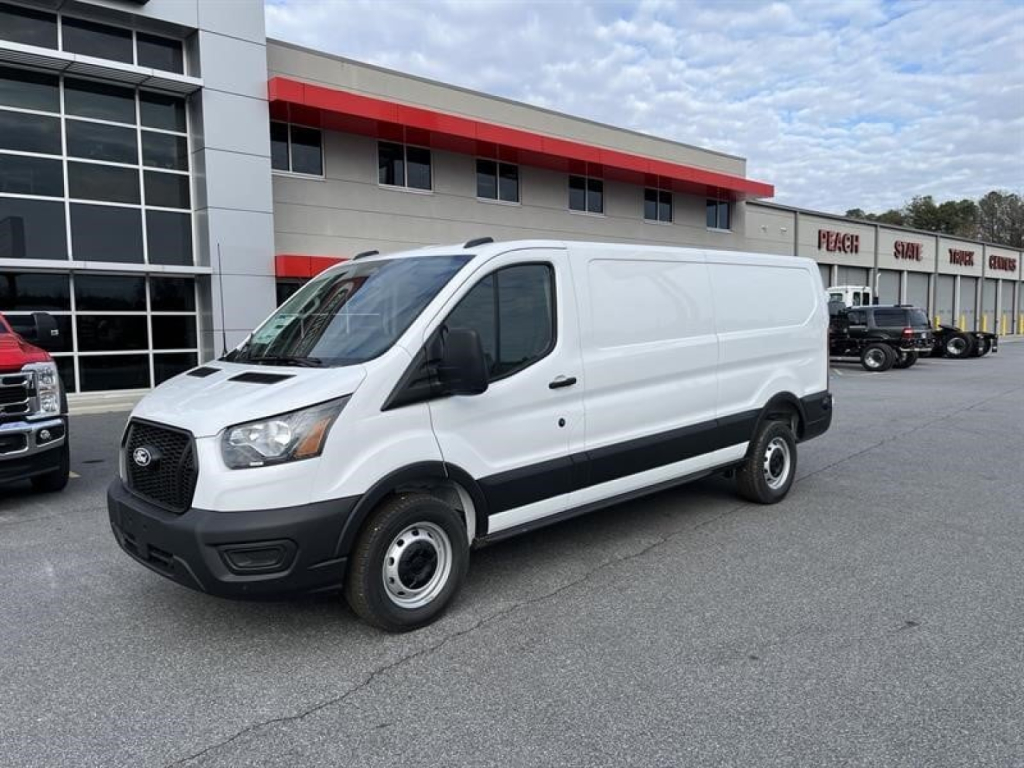
Powertrain choice matters because Ford trucks in this class can serve very different duty cycles. The 3.5L PFDi V6 in the Transit is a practical gas engine for stop-and-go routes, lower operating complexity, and easier fleet standardization. The 10-speed automatic helps keep the van responsive in city traffic and on secondary roads. On the heavier side, the 6.7L Power Stroke diesel in the F-350 is the engine buyers usually target when they need torque for trailers, loaded service bodies, or flatbeds carrying dense materials and equipment. In Georgia, that combination makes sense for highway towing, mixed rural and metro use, and job sites where a truck may idle, haul, and tow in the same day. Buyers should also look closely at axle ratio, 4x4 availability, dual rear wheel setup, wheelbase, and cab configuration because those specs affect turning radius, body length, bridge clearance, and legal payload more than the badge on the fender.
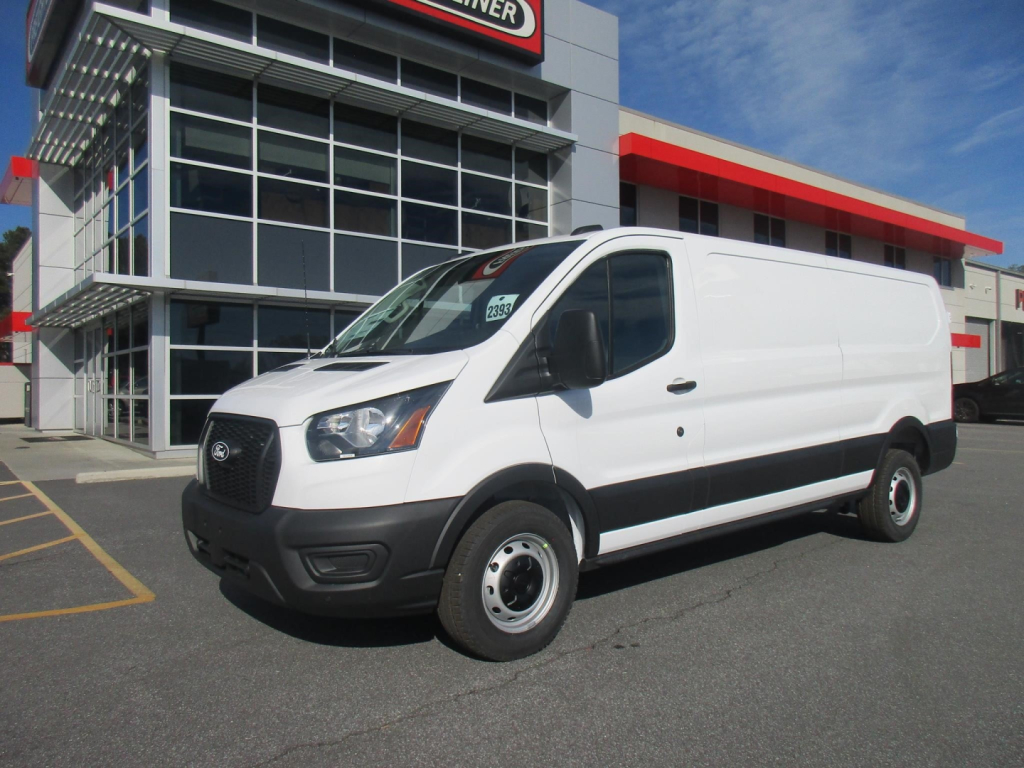
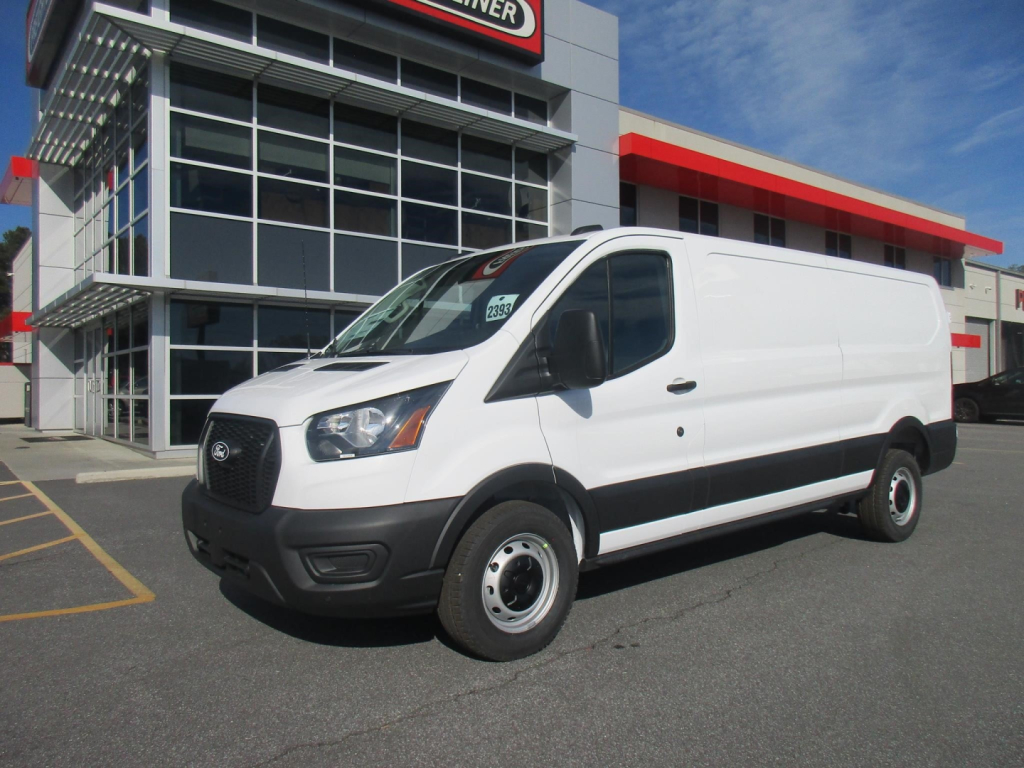
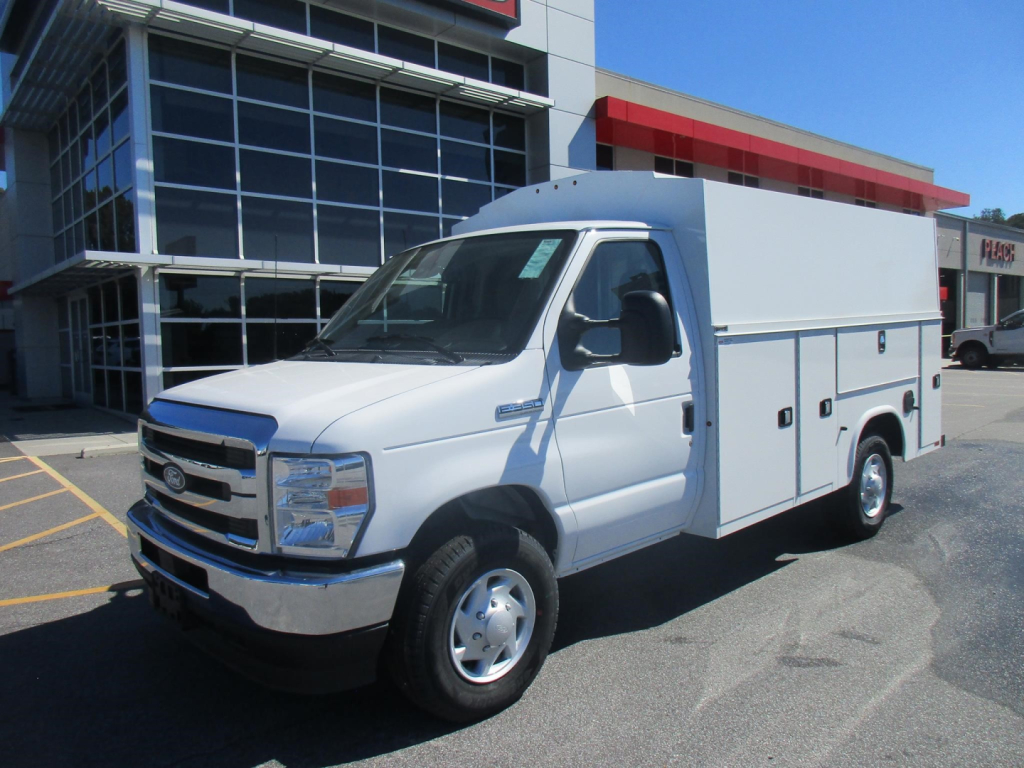
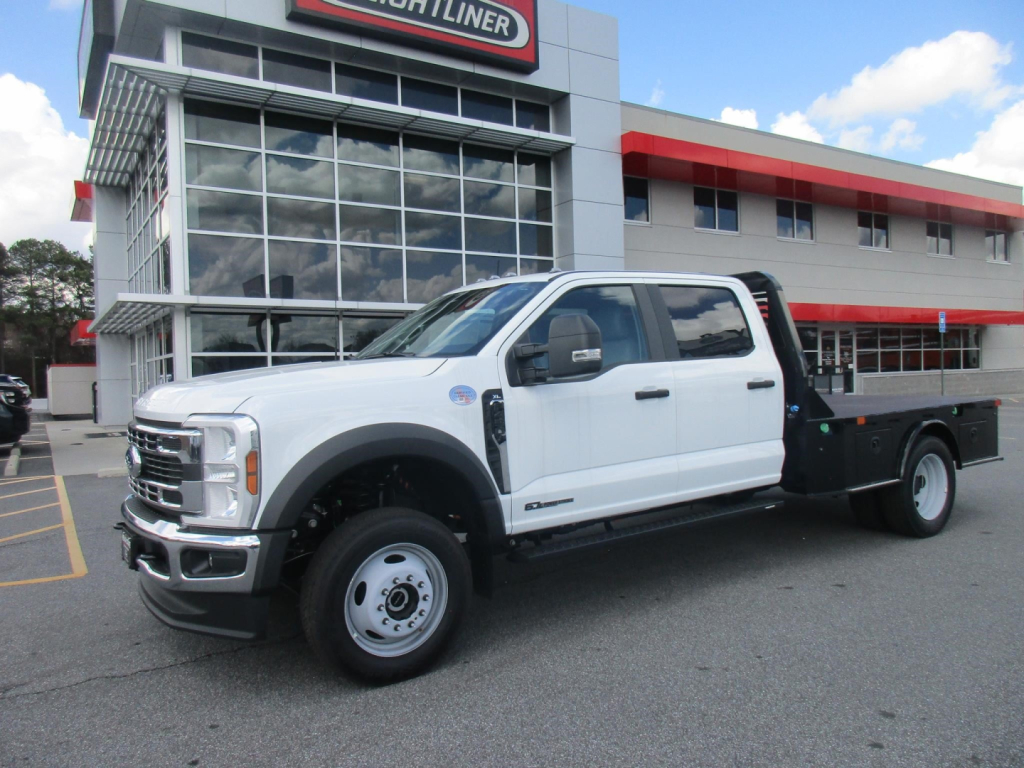
Body and upfit details often decide long-term value. A Transit should be evaluated by roof height, wheelbase, door configuration, cargo access angle, shelving potential, and driver-assistance features such as rear cameras, parking sensors, lane departure warning, and automatic emergency braking. Those details matter when the truck is making repeated stops in tight metro areas. On an F-350 flatbed, key points include bed length, skirted sides, stake pockets, gooseneck or receiver hitch setup, underbody toolbox capacity, and trailer brake controller integration. On a service truck, buyers should pay attention to body brand, compartment layout, crane or compressor readiness, fuel tank placement, and how the service body impacts rear axle loading. If the truck is being purchased new, it also pays to confirm the truck-body match is engineered correctly so the final upfit supports the intended payload without compromising driveline, suspension, or brake performance.
For Georgia fleets and owner-operators, Ford trucks are often chosen because they can be ordered and upfitted for specific work instead of forced into a one-size-fits-all role. A low-roof Transit works well for parking garages, municipal routes, and dense delivery zones. A 4x4 F-350 with a diesel and flatbed is better suited to agricultural supply, site service, and trailer work across mixed terrain. A crew cab service body supports field technicians who carry both personnel and parts. The smartest comparison is not just price. It is how the engine, wheelbase, axle capacity, body design, and cab layout line up with the daily job. Buyers who spec that combination correctly tend to get better uptime, safer loading, and lower operating cost over the life of the truck.
Frequently Asked Questions about New 2026 Ford Commercial Trucks in Georgia
What are the most common 2026 Ford truck configurations for commercial buyers?
The most common commercial configurations include Transit cargo vans for enclosed freight and service work, F-350 flatbeds for hauling materials and equipment, and F-350 service trucks with utility bodies for field repair and contractor use. Transit models are typically chosen for maneuverability, cargo security, and driver access in city routes. Super Duty models are more common when the job requires higher GVWR, towing capacity, diesel torque, or specialized upfits such as flatbeds, tool bodies, and gooseneck hitches.
Is a Ford Transit or a Ford F-350 better for commercial use?
It depends on the job. A Transit is better for lighter enclosed cargo, route delivery, mobile technicians, and operations that need easy loading height and better maneuverability in traffic. An F-350 is better for heavier payloads, towing, off-pavement access, and upfits that add significant weight, such as service bodies or steel flatbeds. Buyers should compare cargo type, trailer use, parking environment, and required GVWR before choosing between the two.
What should I look for when buying a new 2026 Ford work truck in Georgia?
Start with the truck's intended duty cycle. Check GVWR, payload rating, axle setup, wheelbase, bed or body dimensions, and whether the engine matches the load and towing demands. In Georgia, many buyers also prioritize air conditioning performance, towing hardware, rear camera systems, parking sensors, and 4x4 capability for mixed jobsite use. If the truck has an upfit, confirm the body is properly matched to the chassis and that storage, hitch equipment, and rear axle loading fit the work application.
Why do many commercial buyers choose the 6.7L Power Stroke diesel in the Ford F-350?
The 6.7L Power Stroke is a common choice because it delivers the low-end torque needed for towing trailers, carrying heavier bodies, and handling loaded work cycles with less strain. It is especially useful for flatbeds, service trucks, and trucks that operate across longer distances or pull equipment regularly. Buyers considering diesel should still weigh fuel cost, maintenance practices, idle time, and emissions-system management against the truck's actual workload.
Which features matter most on a new Ford Transit cargo van?
The most important Transit features usually include roof height, wheelbase, side and rear door access, GVWR, and cargo-area layout potential. For fleets and contractors, a rear view camera, front and rear parking sensors, lane departure warning, and automatic emergency braking can improve safety and reduce low-speed damage. The 10-speed automatic, touchscreen interface, and connectivity features also matter for route efficiency and driver acceptance, but cargo access and usable interior space should still drive the buying decision.