
New 2026 Ford Cargo Vans For Sale in Georgia
Shop new 2026 Ford cargo vans for Georgia work fleets. Compare Transit roof heights, wheelbases, GVWR, cargo access, and driver tech.
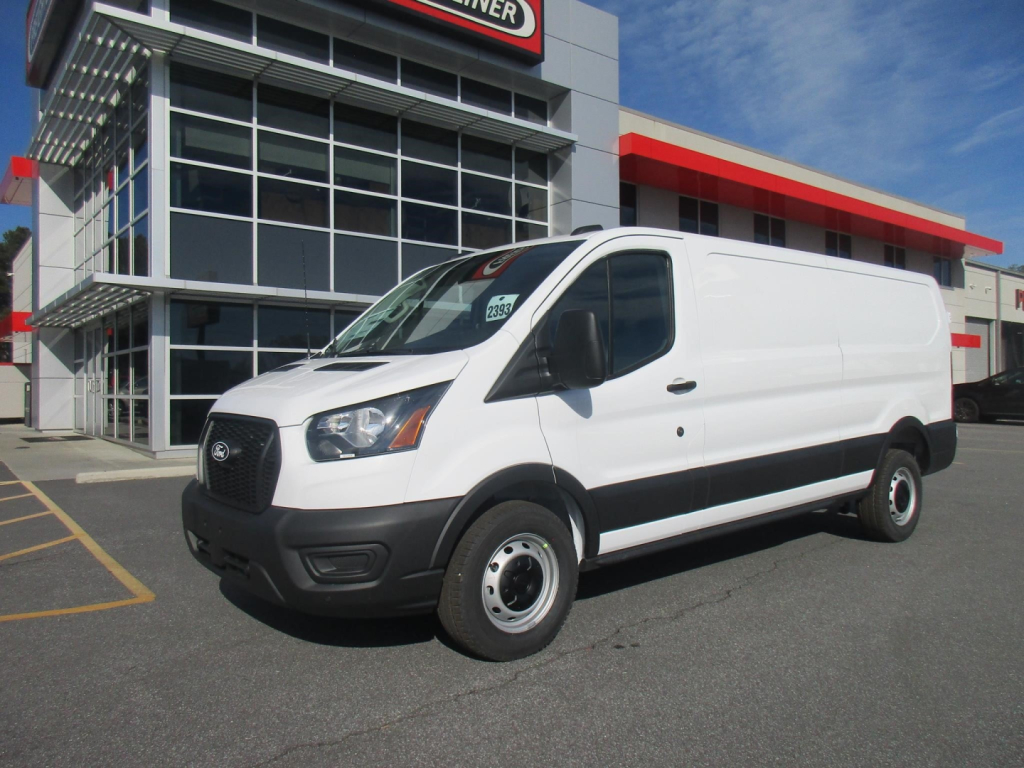
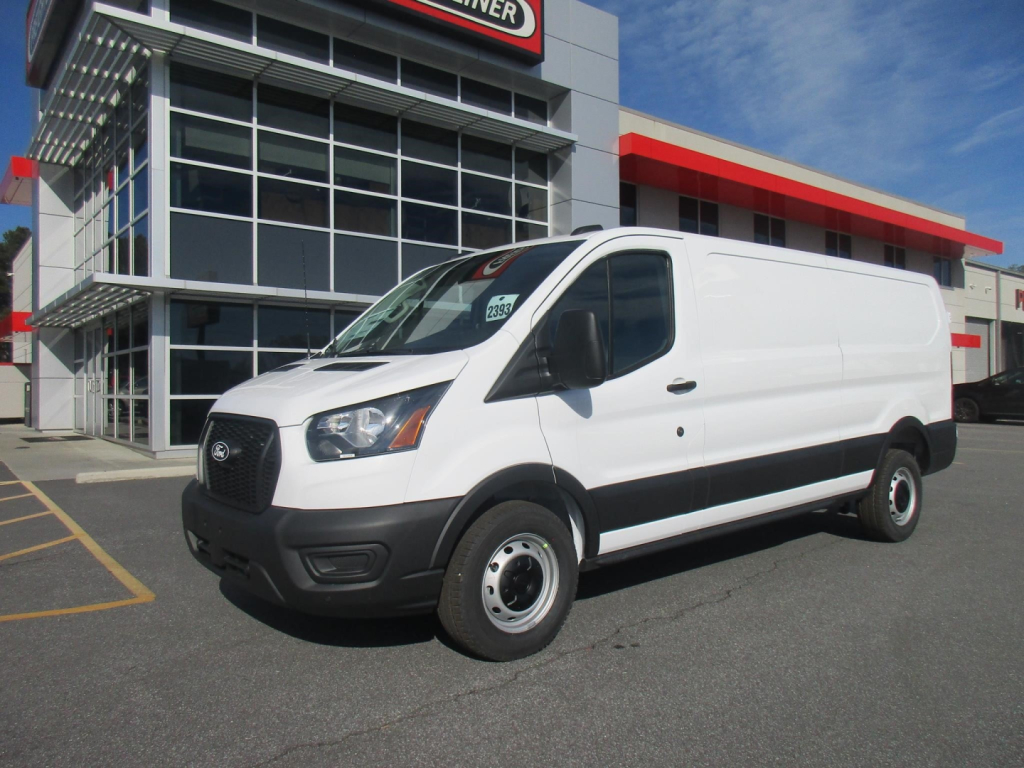
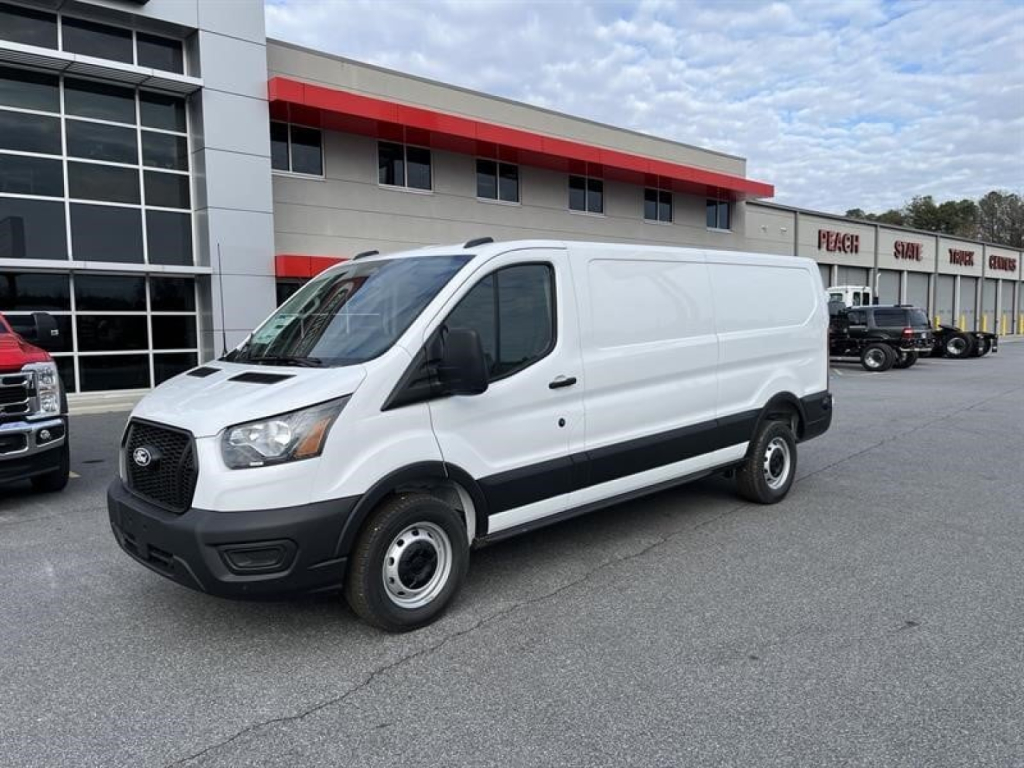
Selling a new 2026 ford cargo van? List your new 2026 ford cargo van for sale and reach thousands of commercial buyers.
New 2026 Ford Cargo Vans in Georgia
The 3.5L PFDi V6 paired with Ford's 10-speed automatic is a familiar setup for buyers who want straightforward gas-engine serviceability and broad parts support. On a cargo van, drivetrain choice affects more than fuel cost. It also impacts idle time, stop-and-go drivability, maintenance planning, and how the van performs once shelving, bins, ladder racks, partitions, or refrigeration equipment are added. Buyers comparing new Ford Transit cargo vans should pay close attention to roof height, wheelbase, rear axle rating, and door configuration because those specs determine how useful the van will be after it is put to work.
Cargo access is a major strength in this category. Common Ford Transit cargo van setups include a passenger-side sliding door and split rear cargo doors that can open wide, including high-opening rear door configurations that improve dock and forklift access. Rear compartment lighting, parking sensors, and rear camera systems make a noticeable difference for drivers backing into tight alleys, job sites, and commercial parking lots. Inside the cab, the current Transit is typically equipped with modern fleet-friendly features such as a large touchscreen, Apple CarPlay, Android Auto, Wi-Fi capability, power accessories, and tilt-telescoping steering adjustment, all of which matter when the van is used across multiple drivers or long service days.
Safety and driver-assist technology are also part of the buying equation on new Ford cargo vans. Systems such as Ford Co-Pilot360, Pre-Collision Assist with Automatic Emergency Braking, lane departure warning, and front and rear parking sensors can reduce backing damage and support driver retention in high-turnover fleets. For buyers planning an upfit, a new 2026 Ford Transit cargo van is often selected because it can serve as a clean base for electrical service bodies, plumbing packages, HVAC shelving, parcel delivery interiors, and mobile workshop builds. The best unit is usually the one that matches your real cargo cube, door clearance, daily route conditions, and total payload after the upfit is installed.
Frequently Asked Questions about New 2026 Ford Cargo Vans in Georgia
What should I look at first when buying a new 2026 Ford cargo van?
Start with roof height, wheelbase, and GVWR before comparing convenience features. Those three specs determine cargo volume, payload capacity, maneuverability, and how well the van will accept shelving, partitions, racks, or other upfits. A low-roof Transit can be the better fit for city work and parking garages, while a longer wheelbase and higher-capacity chassis may be the better choice for heavier tools, route freight, or larger service bodies.
Is the Ford Transit a good cargo van for commercial fleet use?
Yes. The Ford Transit is widely used in commercial fleets because it offers multiple body lengths, common upfit compatibility, broad service support, and practical gas-engine drivability. For many buyers, it covers a wide range of jobs including last-mile delivery, contractor service, telecom, plumbing, electrical, and general commercial use. Its popularity also helps with parts access, resale familiarity, and technician familiarity.
How important are rear and side door configurations on a cargo van?
Door configuration directly affects loading speed and how useful the van is in tight spaces. A passenger-side sliding door helps drivers access tools or parcels from the curb side, while split rear cargo doors with wide opening angles improve access for pallets, carts, and bulky equipment. Buyers who load at docks, use hand trucks, or work in crowded urban areas should treat door layout as a core operating spec, not a minor option.
What engine and transmission setup is common on new 2026 Ford Transit cargo vans?
A common configuration is the 3.5L PFDi V6 matched to a 10-speed automatic transmission. This setup is popular with fleets that want predictable gas-engine maintenance, solid drivability in stop-and-go service, and a powertrain that works well across delivery and service applications. When evaluating this setup, buyers should still account for final payload, idle time, route type, and any power demands created by the planned upfit.
Are driver-assist features worth paying attention to on a work van?
Yes. Features such as Automatic Emergency Braking, lane departure warning, rear cameras, and parking sensors can reduce minor collision damage and improve driver confidence. On a cargo van that spends its day backing into job sites, alleys, loading zones, and tight commercial lots, these systems are more than convenience items. They can support uptime, lower avoidable repair costs, and make the van easier to assign across multiple drivers.