
New Ford Cargo Vans For Sale
Shop new Ford cargo van trucks, including Ford Transit models with gas V6 power, multiple roof heights, wheelbases, and upfit-ready cargo space.
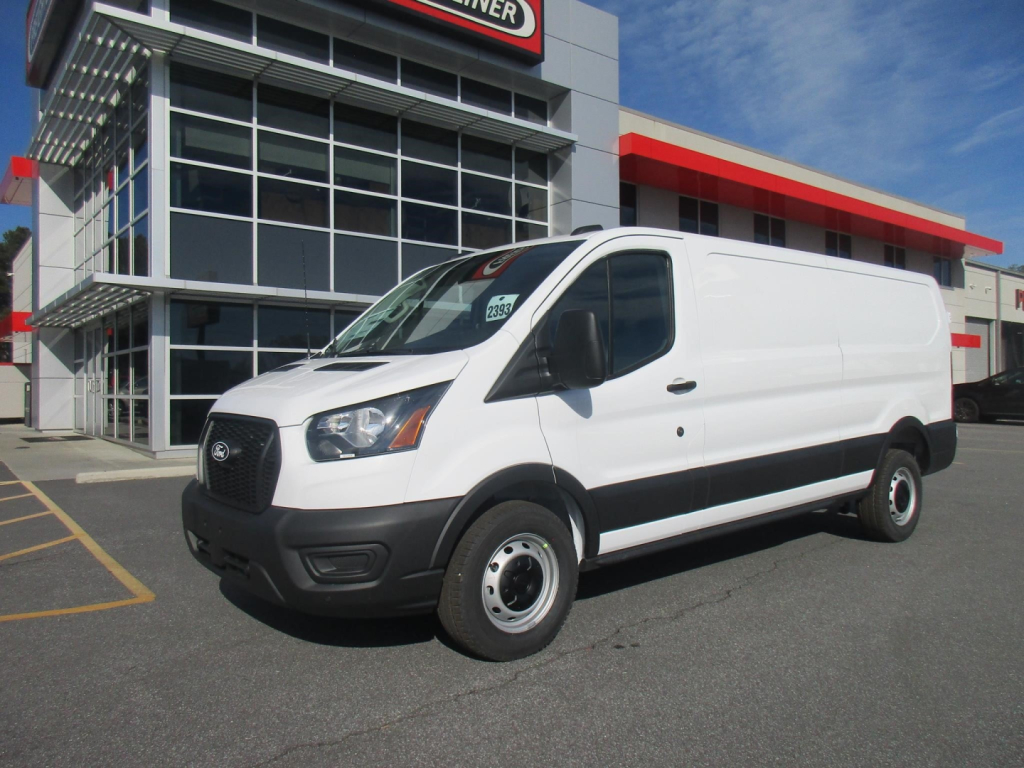
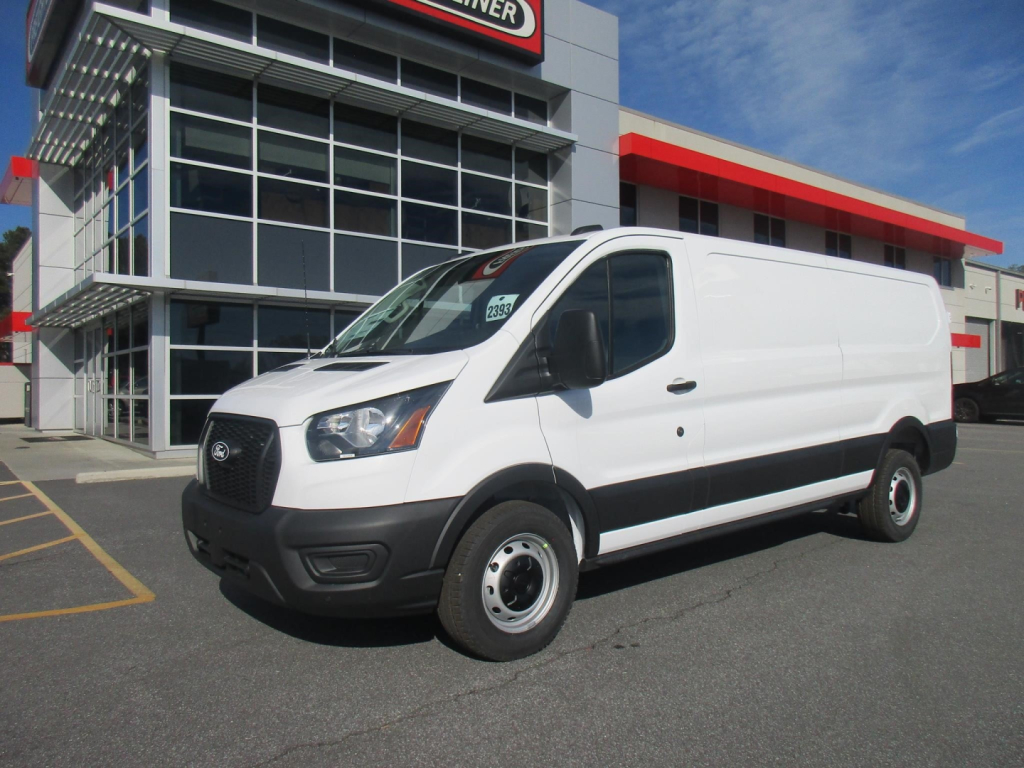
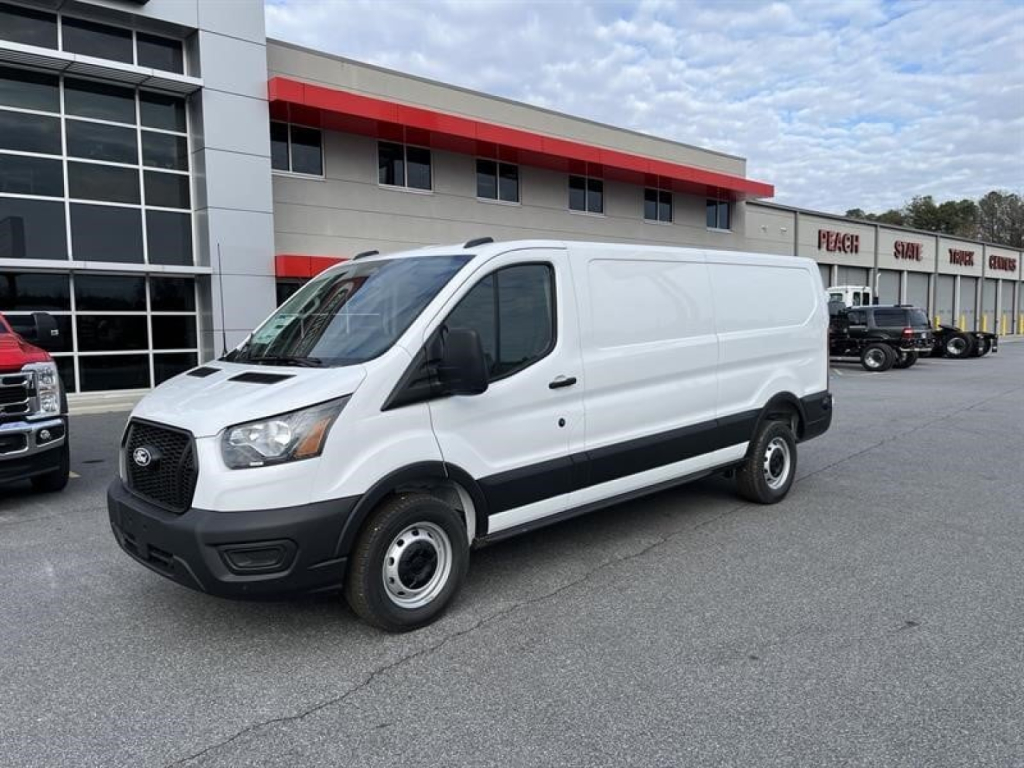
Selling a new ford cargo van? List your new ford cargo van for sale and reach thousands of commercial buyers.
New Ford Cargo Vans
Powertrain and operating costs matter on a van that may run all day. Many new Ford cargo vans are equipped with the 3.5L PFDi V6 paired with a 10-speed automatic, while some configurations may also show the 3.5L EcoBoost V6 for buyers who want stronger acceleration under load. Most units in this class are 4x2 and gas-powered, which suits regional delivery routes, service fleets, and mixed city-highway use. GVWR commonly falls in the Class 2 range, with examples around 8,800 to 9,070 pounds, so it is important to match the van's rating to cargo weight, shelving, tools, and any future upfit.
Cargo access and driver usability are major reasons buyers stay with the Ford Transit platform. A sliding side door and split rear cargo doors are standard priorities, and wide-opening rear doors, including configurations with up to 253-degree swing-out capability, make a real difference at loading docks and tight job sites. Interior details such as rear compartment lighting, a flat load floor, and room for shelving packages or parcel racks affect productivity more than many buyers realize. On the cab side, features like a 12-inch touchscreen, Apple CarPlay, Android Auto, rear view cameras, and front and rear parking sensors improve driver efficiency and reduce backing risk in dense delivery environments.
For fleet buyers, the advantage of a new Ford cargo van is consistency. The Transit is widely used, easy to spec across multiple routes, and well suited for electrician, plumbing, HVAC, telecom, bakery, courier, and last-mile delivery work. When comparing listings, pay close attention to roof height, wheelbase, overall length, rear door opening, and safety content such as Ford Co-Pilot360, lane departure warning, and automatic emergency braking. Those details determine how well the van fits garages, parking decks, route density, and upfitting requirements, and they usually matter more than cosmetic differences between units.
Frequently Asked Questions about New Ford Cargo Vans
What should I look at first when comparing new Ford cargo van trucks?
Start with roof height, wheelbase, and overall body length. Those three specifications determine interior cargo volume, ease of loading, parking clearance, and how well the van fits your route. A low-roof Transit is easier to live with in parking structures and residential areas, while higher-roof models improve stand-up room for technicians and mobile service crews. After that, check GVWR, engine choice, and door configuration to make sure the van can handle both the payload and the upfit you plan to install.
What engine is common in a new Ford Transit cargo van?
A common setup is the 3.5L PFDi V6 with a 10-speed automatic transmission. This combination is widely used for general fleet service because it is straightforward, well matched to daily commercial driving, and suitable for city and highway operation. Some new Transit cargo vans may also be equipped with the 3.5L EcoBoost V6, which is often preferred when the van will regularly carry heavier loads or spend more time at highway speeds.
How much GVWR does a Ford cargo van usually have?
Many Ford Transit cargo vans fall into the Class 2 range, with GVWR figures often around 8,800 to just over 9,000 pounds depending on configuration. That rating needs to cover the van itself, passengers, fuel, tools, shelving, and cargo. Buyers should calculate real working weight, not just empty cargo capacity, because service bodies, ladder racks, partitions, and interior storage can consume payload faster than expected.
Why do rear and side door specifications matter on a cargo van?
Door configuration affects loading speed, dock access, and how usable the van is in confined spaces. A sliding side door is important for curbside loading and quick stops, while split rear doors are better for pallets, carts, and larger equipment. Wide-opening rear doors, including 253-degree swing capability on some Ford Transit setups, can make backing to a dock or loading at a job site much easier by keeping the doors clear of the opening.
Is a new Ford Transit a good choice for fleet and service applications?
Yes. The Transit is one of the most common commercial cargo vans in service fleets because it offers broad configuration flexibility and supports a wide range of upfits. It works well for package delivery, maintenance departments, contractor trades, and mobile technicians. Buyers also value the availability of modern driver-assist and connectivity features such as rear view cameras, parking sensors, lane departure warning, automatic emergency braking, and smartphone integration, which can help with driver acceptance and day-to-day operating efficiency.