
New Ford Cargo Vans For Sale in Georgia
Shop new Ford cargo van trucks in Georgia. Compare Transit roof heights, wheelbases, GVWR, cargo access, safety tech, and upfit-ready specs.
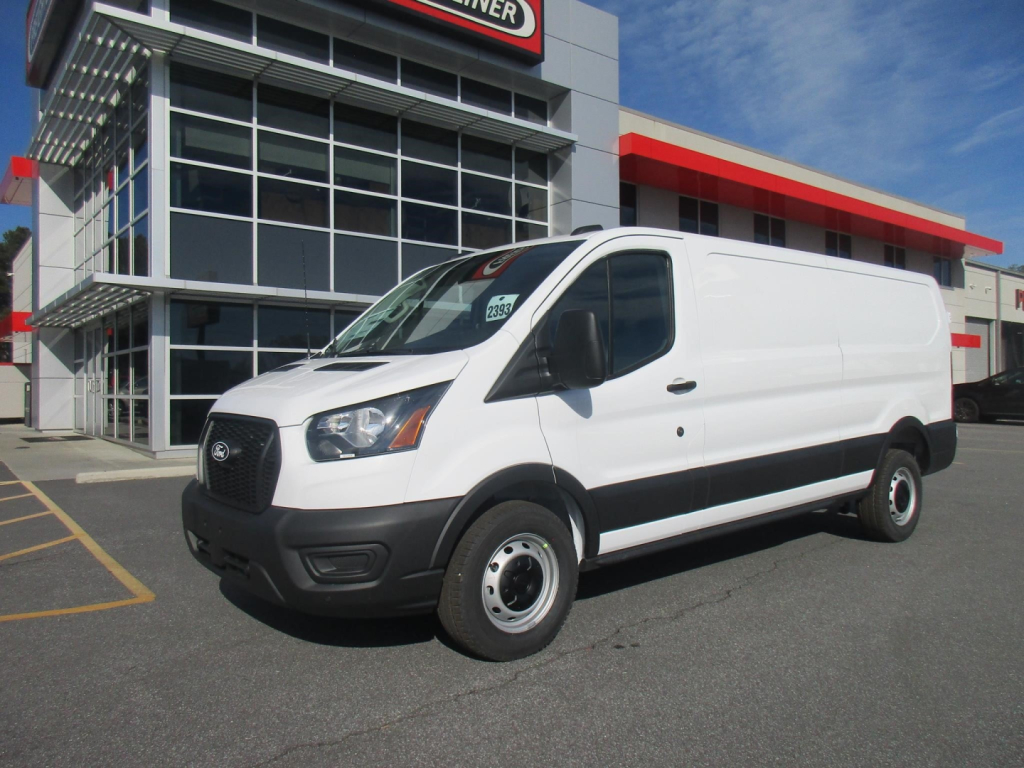
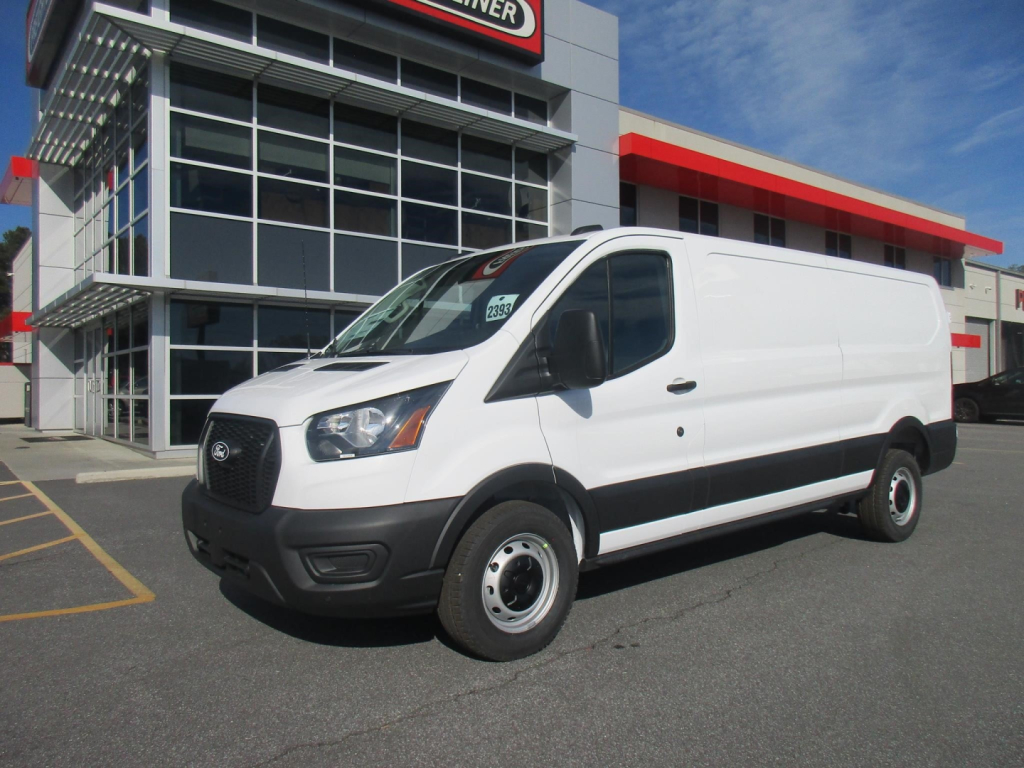
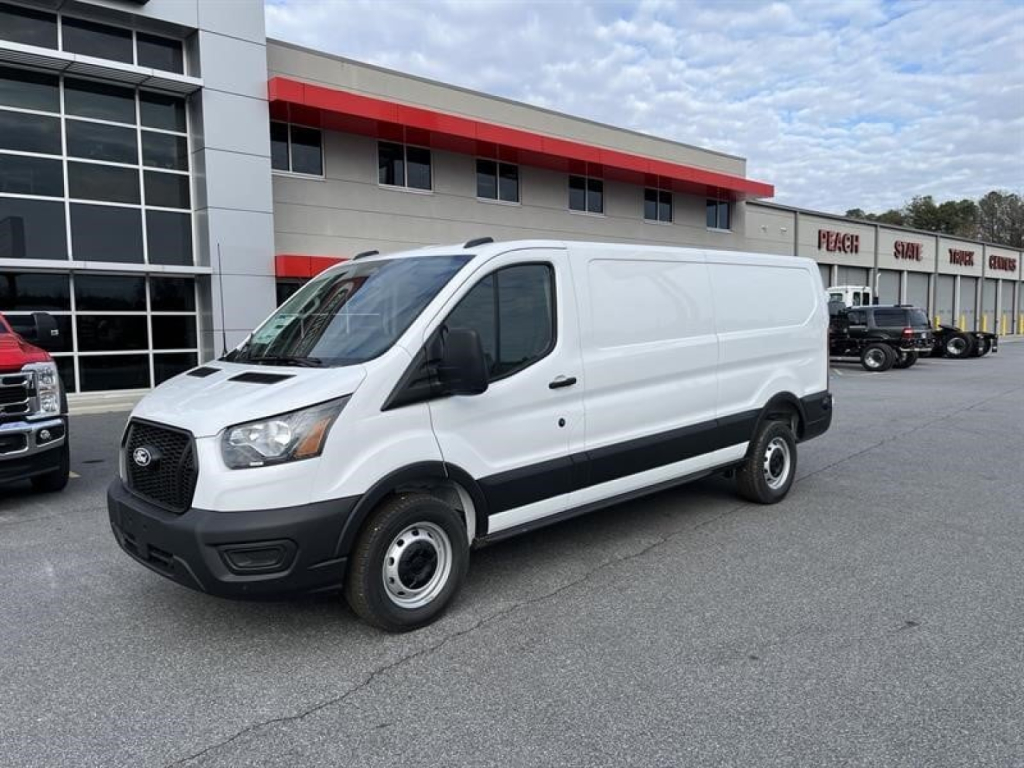
Selling a new ford cargo van? List your new ford cargo van for sale and reach thousands of commercial buyers.
New Ford Cargo Vans in Georgia
The current Ford Transit cargo van platform is widely chosen because it balances maneuverability with usable cargo volume. Typical specs on new models include the 3.5L PFDi V6 paired with a 10-speed automatic transmission, plus dual rear cargo doors and a passenger-side sliding door for dock, curbside, and jobsite access. Rear doors that open up to 253 degrees are especially useful for forklift loading and tight backing situations. Buyers comparing vans should pay close attention to interior cargo length, standing height, rear door opening dimensions, and how shelving, ladder racks, bins, or bulkheads will affect usable space after upfit. For electricians, plumbers, HVAC contractors, telecom crews, and parcel operations, upfit compatibility matters as much as the base van itself.
Driver-assist and cab technology have become a bigger buying factor on new cargo vans, especially for fleets running dense metro routes in Georgia. Features often found on new Ford Transit vans include rear view cameras, front and rear parking sensors, lane departure warning, pre-collision assist with automatic emergency braking, and Ford Co-Pilot360 safety technology. These systems help reduce low-speed damage, improve driver confidence, and support safer operation in traffic, alleys, and customer sites. In-cab equipment such as a 12-inch touchscreen, Apple CarPlay, Android Auto, Wi-Fi capability, cruise control, and power convenience features also matters for retention and route efficiency when drivers spend full days in the vehicle.
A new Ford cargo van is a strong fit when cargo security, weather protection, and branding space matter more than open-bed versatility. It is also known as a commercial cargo van or delivery van, and it is frequently used as the base for custom service bodies and mobile work vans. For Georgia buyers, cooling performance, air-conditioning output, and stop-and-go drivability are practical considerations, especially in summer heat and mixed urban-highway operation. The best match comes down to load profile, route density, upfit plan, and building access. A van that is ideal for city parcel work may not be the right choice for a contractor carrying tall shelving, heavy parts, or technicians who need to stand and work inside the cargo area.
Frequently Asked Questions about New Ford Cargo Vans in Georgia
What is the most important spec to compare on a new Ford cargo van?
The most important spec depends on the job, but most buyers should first compare roof height, wheelbase, and GVWR. Roof height affects standing room and building access. Wheelbase affects cargo length and maneuverability. GVWR affects legal carrying capacity once passengers, tools, shelving, and equipment are added. A van that looks similar on paper can perform very differently once it is fully upfitted and loaded for a normal workday.
Is a Ford Transit T-150 enough for commercial fleet use?
A Ford Transit T-150 is enough for many light-duty commercial applications, especially delivery, parts transport, mobile service, and trade vans with moderate payload demands. It is a common choice when the priority is maneuverability and enclosed cargo space rather than maximum carrying capacity. Buyers should still calculate actual payload after fuel, driver weight, passengers, shelving, partitions, and mounted equipment are installed, because upfits can reduce available cargo capacity quickly.
What door configuration is best on a Ford cargo van?
Most commercial buyers prefer a passenger-side sliding door and split rear swing-out doors because that setup works well for curbside loading, dock access, and hand unloading. Rear doors with a wide opening angle, including 253-degree capability on some Transit configurations, can improve forklift access and make it easier to work around the van in tight spaces. The best choice depends on how often the van backs to docks, loads pallets, or makes frequent roadside stops.
Are new Ford cargo vans good for upfitting?
Yes, the Ford Transit is widely used for upfitting because it supports many common commercial layouts, including shelves, bins, ladder racks, partitions, power inverters, refrigeration equipment, and trade-specific storage packages. Upfit planning should happen before purchase, not after, because roof height, wheelbase, door openings, and electrical requirements all affect the final build. Buyers should confirm that the chassis configuration matches the intended payload and interior layout before committing to a body package or equipment install.
What features matter most for Georgia cargo van buyers?
Georgia buyers often place extra value on air-conditioning performance, easy entry and exit, visibility, parking assistance, and stop-and-go drivability. Metro Atlanta and other dense service areas can be hard on drivers and vehicles, so rear cameras, parking sensors, automatic emergency braking, and lane warning systems can help reduce downtime and minor collision costs. Heat, traffic, and mixed highway-city operation also make cab comfort and driver-assist features more important than they were on older fleet vans.