
Ford Cargo Vans For Sale
Shop Ford cargo van trucks including Transit models. Compare roof heights, wheelbases, payload, engine options, and upfit potential.
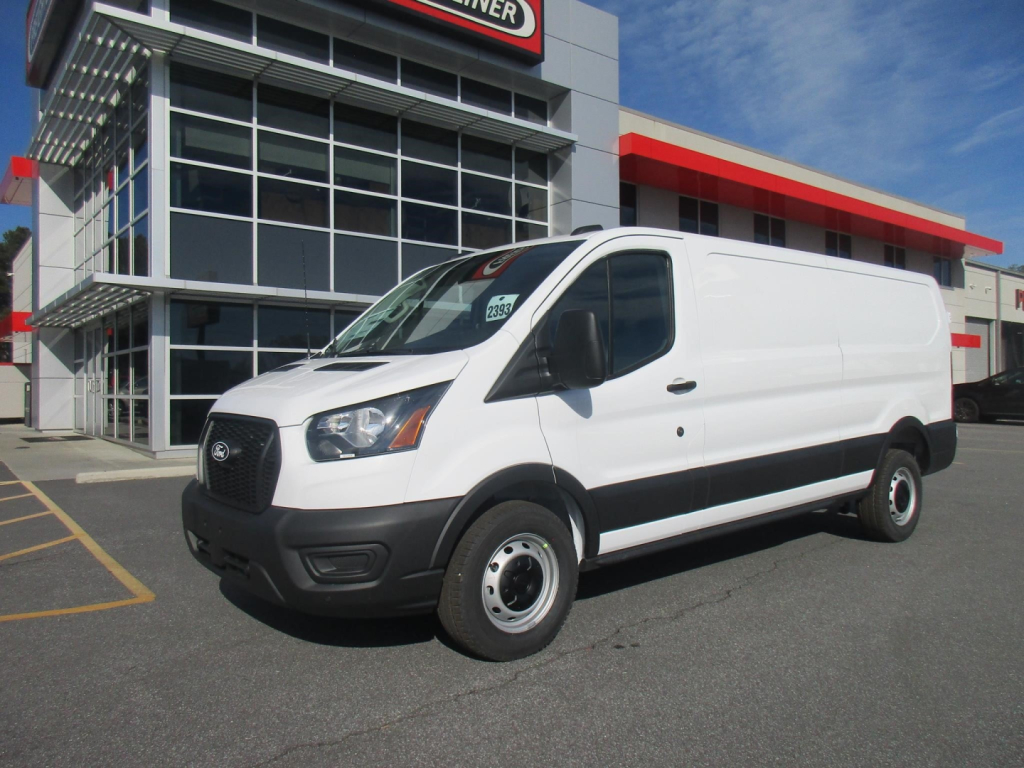
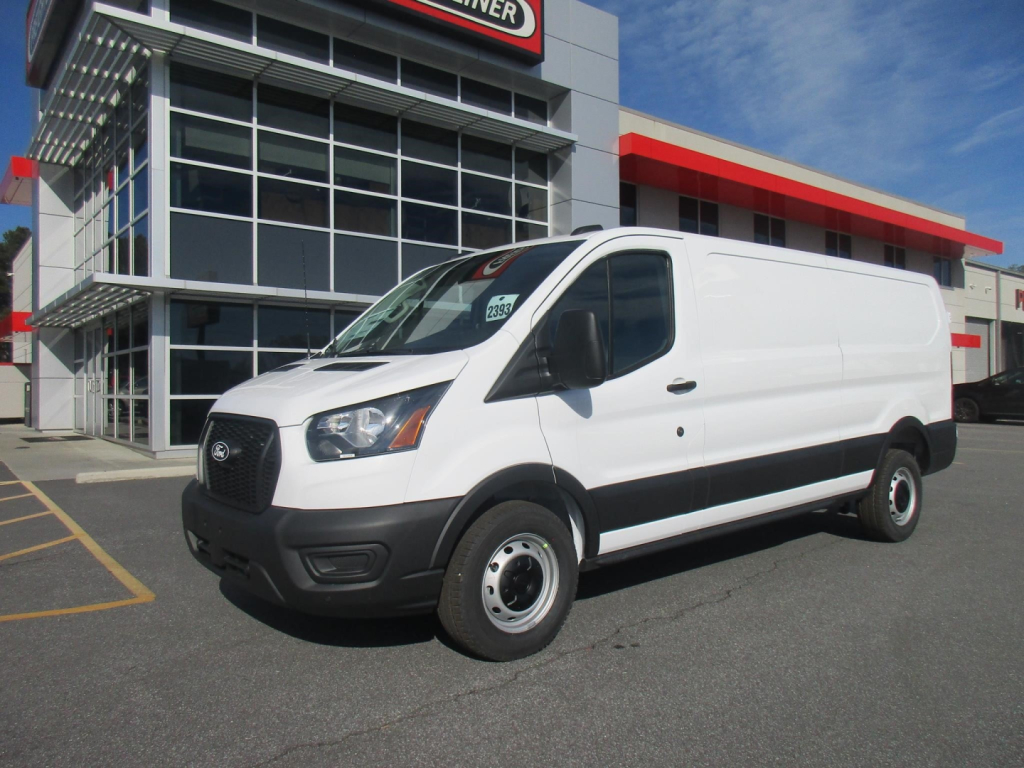
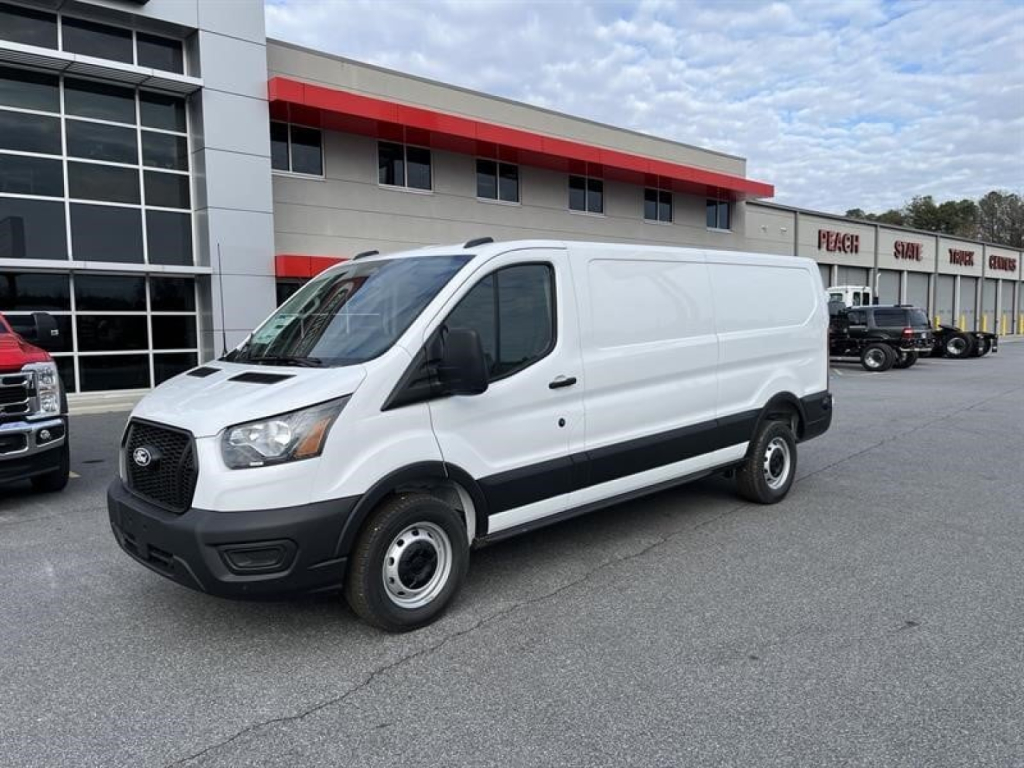
Selling a ford cargo van? List your ford cargo van for sale and reach thousands of commercial buyers.
Ford Cargo Vans
The Transit is commonly spec'd as a Class 2 van with GVWRs around the 8,000 to 9,000 pound range, though exact ratings vary by configuration. Wheelbases around 148 inches are common, and that dimension matters because it influences turning radius, cargo floor length, and how the van behaves in city routes versus highway work. Ford gasoline powertrains, including the 3.5L EcoBoost V6 and other 3.5L or 3.6L class gas engines shown in listings, are often paired with a 10-speed automatic transmission and 4x2 driveline. For buyers carrying tools, shelving, parcels, or service parts, the practical questions are payload after upfit, rear and side door access, roof clearance, and whether the van will spend more time in parking garages, neighborhoods, or interstate service routes.
Upfit potential is one of the biggest reasons buyers focus on Ford cargo vans. A Transit can be configured for plumbing, electrical, HVAC, telecom, courier work, mobile workshops, or general freight that needs weather protection and theft resistance. Look closely at cargo area dimensions, interior tie-down points, bulkhead setup, floor material, and the electrical capacity needed for inverters, liftgates, beacon lights, or refrigeration equipment. If the van will be driven by multiple operators, cab ergonomics, visibility, entry height, and driver-assist features matter almost as much as payload. A clean body structure and a sensible upfit often do more for long-term value than raw mileage alone.
For commercial buyers comparing Ford cargo van trucks, the real separator is how well the spec matches the route. High-roof models improve technician productivity and package handling but add total height that can limit garage access. Longer bodies increase cube but can reduce maneuverability in dense urban service. Turbo gasoline power can help when the van runs loaded or sees more highway miles, while a simpler naturally aspirated setup may suit lighter local work. The best Ford cargo van is usually the one with the right roof, wheelbase, door configuration, and upfit-ready layout for the job, not just the newest model year.
Frequently Asked Questions about Ford Cargo Vans
What is the most important spec to compare on a Ford cargo van truck?
The most important spec is usually the combination of roof height, wheelbase, and GVWR. Those three numbers determine how much cargo volume you get, how easy the van is to maneuver, and how much legal payload remains after shelving or other upfits are installed. Buyers who work in cities often prioritize wheelbase and overall height, while service fleets usually focus on interior access and payload after equipment is added.
Is a Ford Transit cargo van better for city delivery or service work?
A Ford Transit works well for both, but the best configuration is different for each job. City delivery operations often prefer a shorter or mid-length van that is easier to park and turn in tight streets. Service work often benefits from a high-roof configuration because technicians can move inside the cargo area more efficiently and organize shelves, bins, and parts with less strain. The platform is flexible, so application fit matters more than the badge alone.
What engine and transmission setup is common in newer Ford cargo vans?
Many newer Ford Transit cargo vans are equipped with gasoline engines such as the 3.5L EcoBoost V6, paired with a 10-speed automatic transmission and 4x2 driveline. This setup is popular because it balances drivability, power under load, and everyday serviceability for commercial use. Buyers should still compare real operating conditions, because route length, idle time, stop-and-go frequency, and payload all affect which engine setup makes the most sense.
How does roof height affect a Ford cargo van purchase decision?
Roof height affects both productivity and access. A high-roof van gives better interior working room and makes package handling or mobile service work easier, especially for operators who are in and out of the cargo area all day. The tradeoff is exterior height, which can limit access to some garages, loading docks, and low-clearance structures. Standard-roof vans are easier to live with in parking structures but give up some interior usability.
What should buyers inspect on an upfitted Ford cargo van?
Inspect the quality of the upfit as closely as the van itself. Check how shelving, partitions, ladder racks, wiring, and flooring were installed, and look for drilling, corrosion protection, and load distribution. Verify that the added equipment does not push the van too close to its GVWR once tools or inventory are onboard. A well-executed upfit can save time and money, but a poor one can create electrical problems, water leaks, premature wear, and reduced resale value.