
2026 Ford Cargo Vans For Sale
Shop 2026 Ford Cargo Van trucks, including Transit models with multiple roof heights, wheelbases, GVWR options, and delivery-ready cargo layouts.
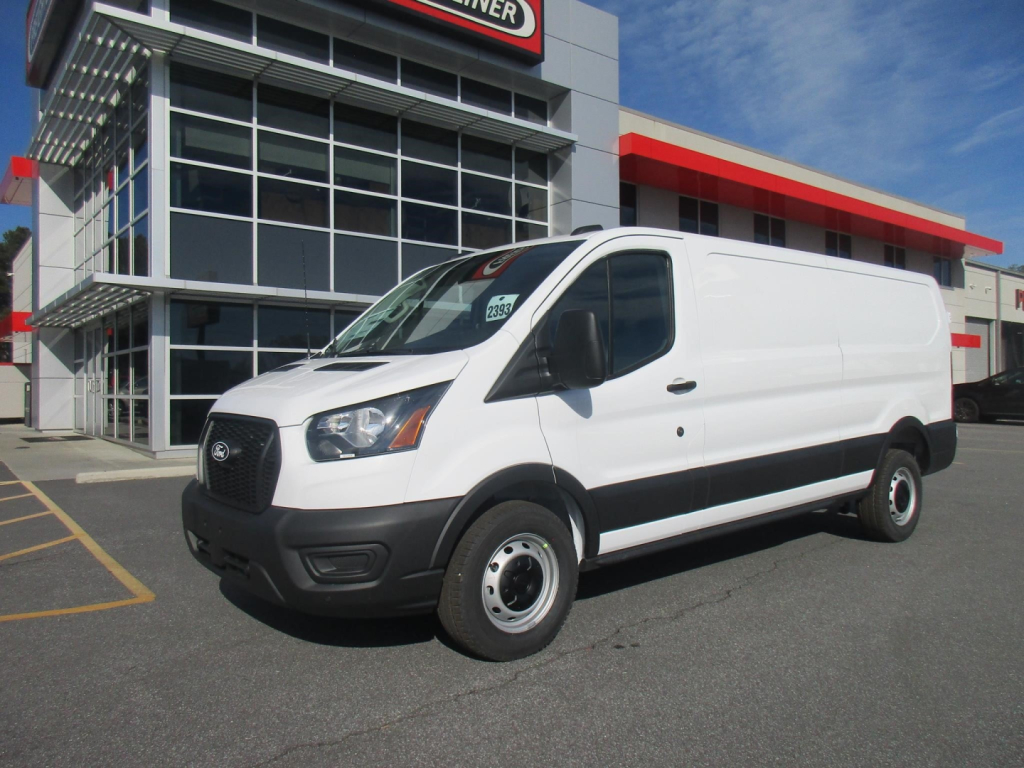
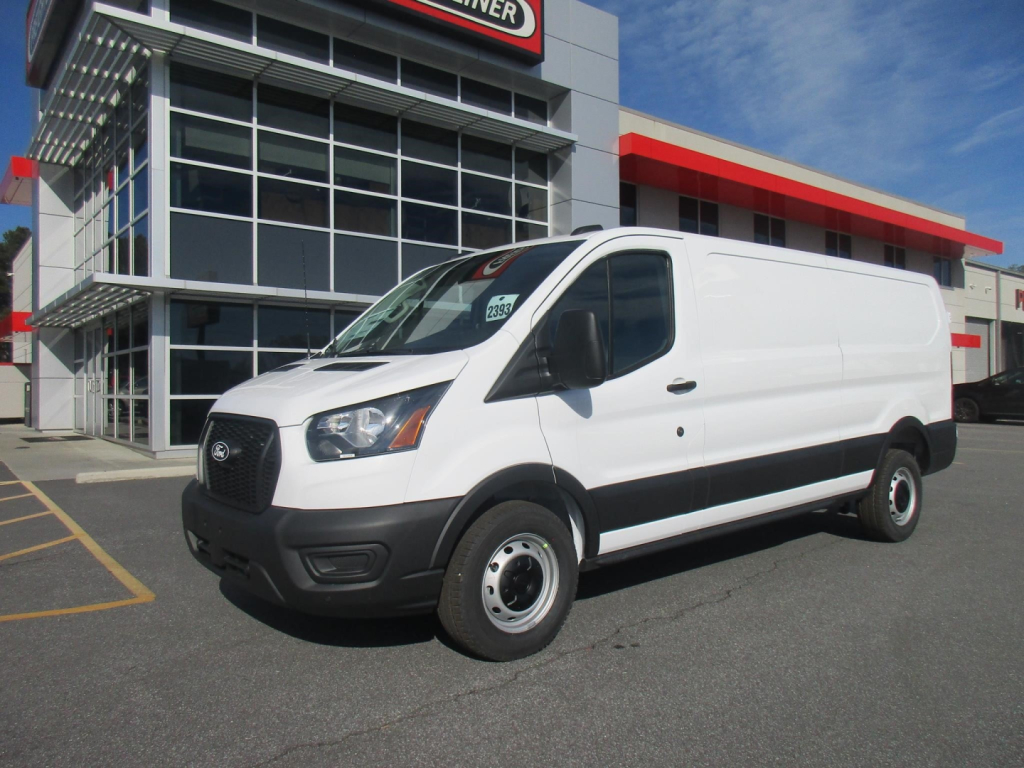
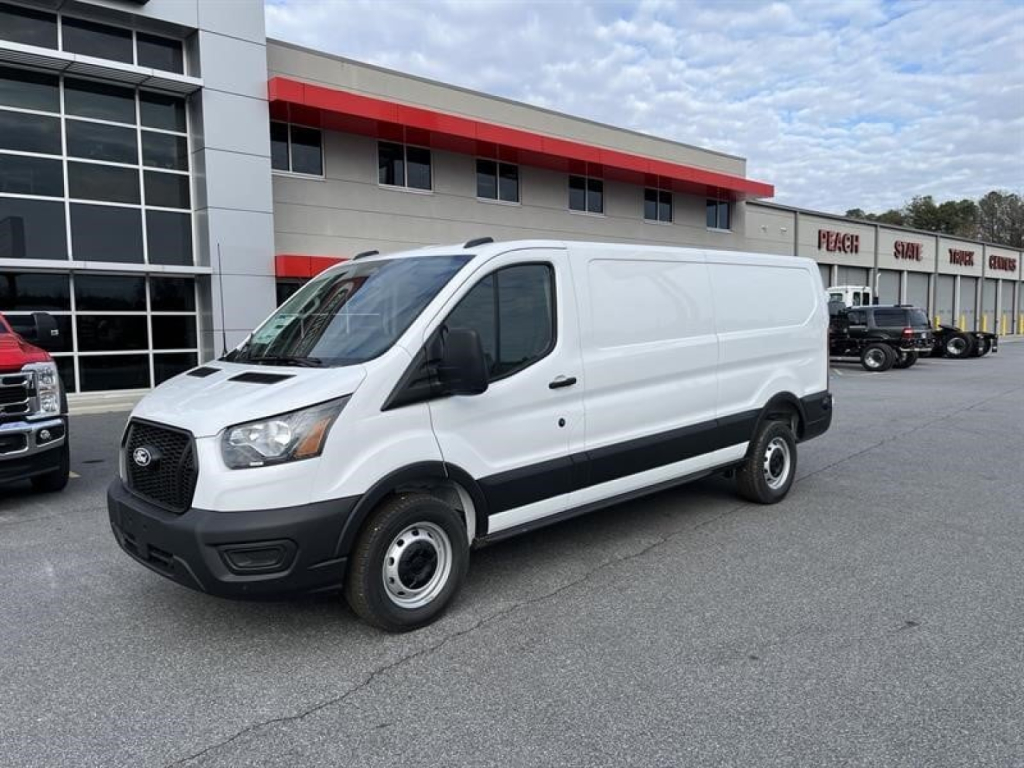
Selling a 2026 ford cargo van? List your 2026 ford cargo van for sale and reach thousands of commercial buyers.
2026 Ford Cargo Vans
Powertrain and operating profile matter as much as cargo volume. Many 2026 Ford Transit cargo vans are equipped with the 3.5L PFDi V6 and a 10-speed automatic, a combination aimed at predictable maintenance and broad service support. For stop-and-go delivery work, buyers should compare axle ratio, curb weight after upfit, and real payload needs rather than shopping by GVWR alone. A lightly optioned van may suit parcel or light trade work, while electricians, HVAC contractors, telecom crews, and plumbers often need higher series ratings to carry shelving systems, generators, fittings, and inventory without eating up the legal payload margin.
Door configuration and interior layout have a direct effect on daily productivity. The sliding side door and split rear cargo doors are standard decision points, and wide-opening rear doors can make a noticeable difference at docks and in curbside service calls. Inside, look closely at load floor height, tie-down placement, rear lighting, bulkhead design, and the amount of flat wall space available for shelving or drawer systems. If the van will be upfitted, confirm alternator capacity, factory upfitter switches, and any telematics or power distribution needs before purchase. Ford cargo vans are widely used as empty vans, parts runners, mobile service units, and last-mile delivery vehicles because the body accepts a broad range of aftermarket equipment.
Safety and driver-assist content have become a major buying factor in newer cargo vans. Many 2026 Ford Transit units include Ford Co-Pilot360 features such as pre-collision assist with automatic emergency braking, lane departure warning, rear cameras, and parking sensors. These features are especially relevant for fleets working congested urban routes, rotating drivers, or managing insurance exposure. For buyers comparing listings, the best value often comes from matching the van’s roof, wheelbase, door setup, and series rating to the actual route and cargo profile instead of simply choosing the lowest acquisition cost.
Frequently Asked Questions about 2026 Ford Cargo Vans
What is the difference between Ford Transit T-150, T-250, and T-350 cargo vans?
The main difference is chassis rating and carrying capacity. A T-150 is commonly used for lighter cargo, parcel delivery, and service work where maneuverability and lower operating weight are priorities. T-250 and T-350 models are better suited for heavier upfits, more onboard inventory, and higher payload demands. Buyers should compare the actual GVWR, payload sticker, wheelbase, and planned upfit weight because the model badge alone does not tell the full capacity story.
Which roof height is best for a Ford cargo van?
The best roof height depends on the route and the job. A low-roof van works well for parking garages, urban environments, and fleets that do not need technicians to stand inside the cargo area. Medium- and high-roof vans improve technician access, shelving height, and ergonomic loading, which matters for service trades and package operations with frequent cargo handling. Clearance restrictions, fuel economy, and driver familiarity should all be part of the decision.
Is the Ford Transit a good cargo van for fleet use?
The Transit is a strong fleet platform because it offers multiple wheelbases, roof heights, GVWR classes, and a large support network for parts and service. It is widely used in delivery, contractor, municipal, and field service applications, which also means strong aftermarket support for shelving, partitions, ladder racks, and telematics. For fleet buyers, its value usually comes from configuration flexibility and upfit compatibility rather than just purchase price.
What should I check before buying an upfitted cargo van?
Start with the payload sticker and subtract the weight of the existing shelves, partitions, racks, drawers, and any permanently mounted equipment. Then review door access, load floor condition, electrical additions, wiring quality, inverter or auxiliary battery installations, and whether the layout fits the work process. It is also smart to confirm that the upfit does not interfere with side-curtain airbags, factory wiring, rear camera visibility, or routine maintenance access.
What features matter most on a 2026 Ford cargo van for city delivery or service work?
For urban use, the most important features are usually wheelbase, roof height, side and rear door access, rear visibility, and driver-assist systems. A rear camera, parking sensors, and automatic emergency braking can reduce backing incidents and low-speed damage. Inside the cargo area, rear lighting, tie-down points, and a practical shelving or partition setup often have more day-to-day value than cosmetic trim or infotainment features.