
Cargo Vans For Sale
Shop cargo van trucks for sale. Compare roof heights, wheelbases, payload, fuel types, and upfit options for delivery, trades, and service fleets.
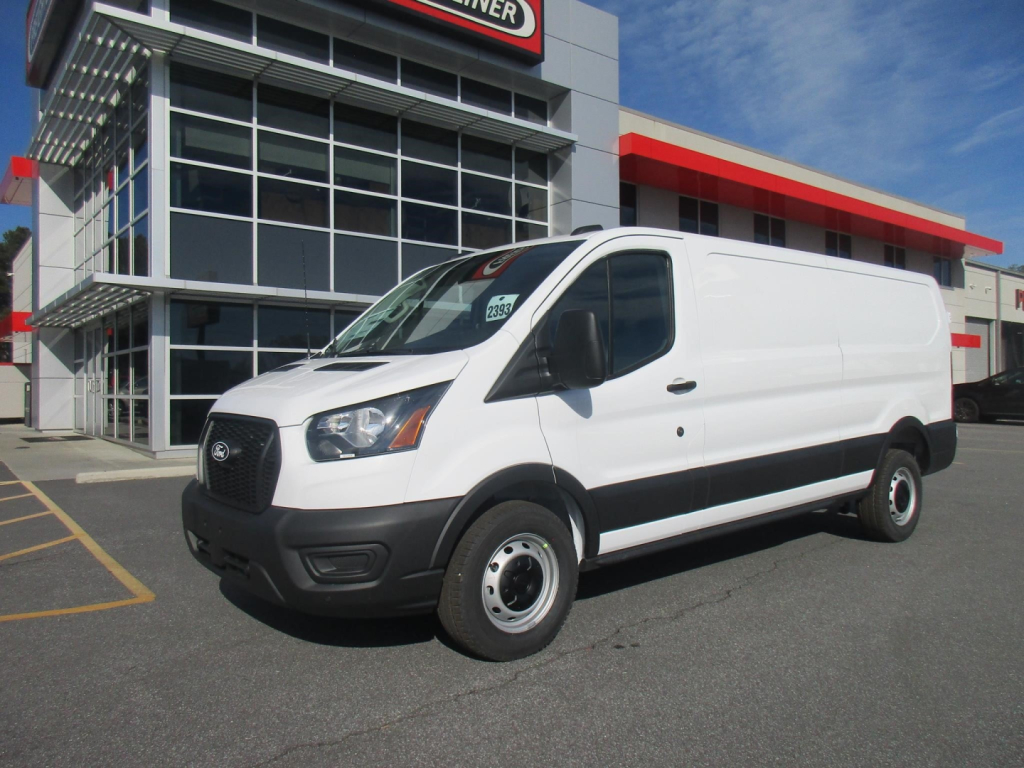
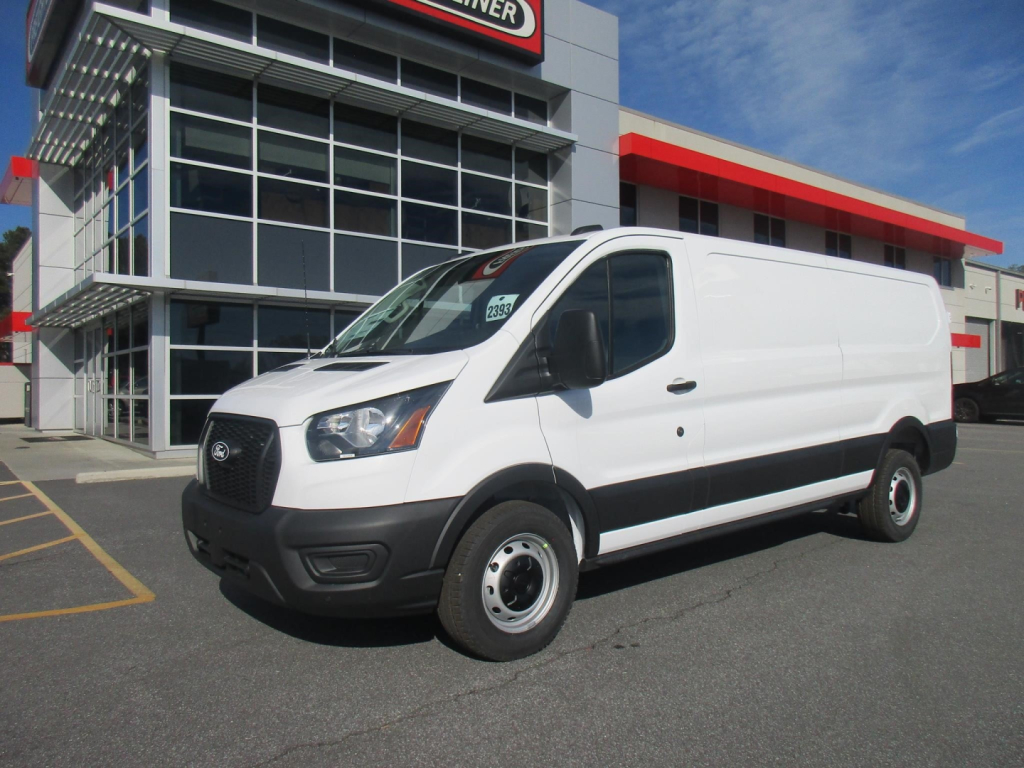
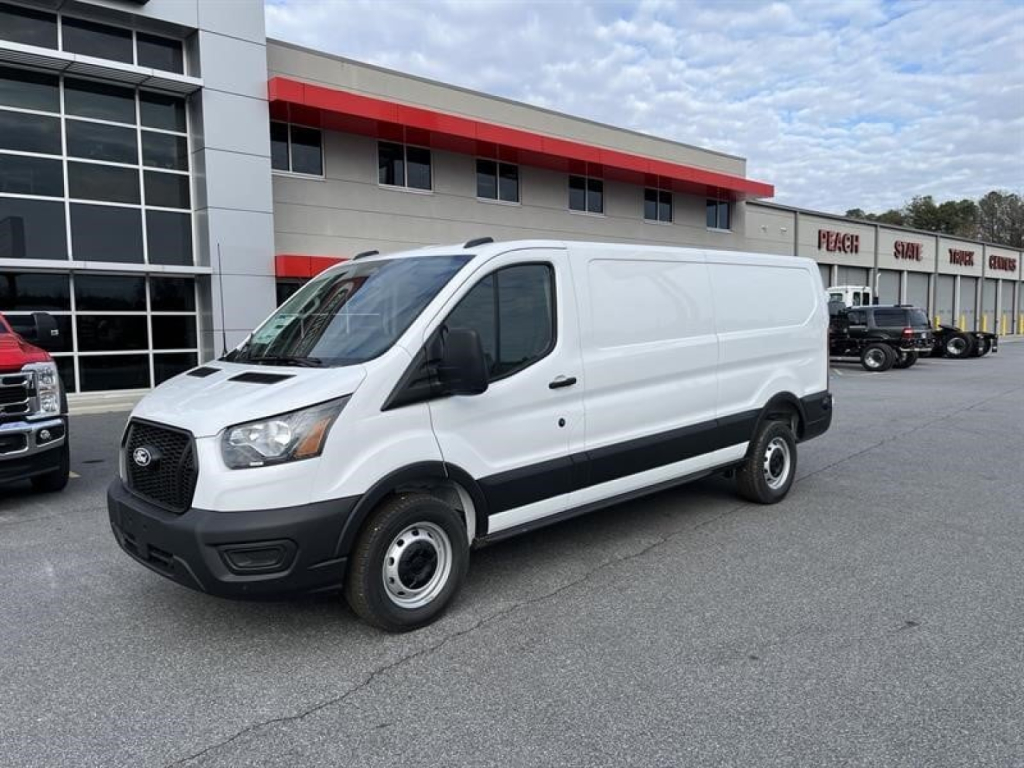
Selling a cargo van? List your cargo van for sale and reach thousands of commercial buyers.
Cargo Vans
Powertrain choice affects cost, performance, and uptime. Gasoline V6 and turbo gas engines offer lower upfront cost and simpler emissions systems, good for short trip stop-and-go duty. Modern diesels deliver higher torque and longer range for heavy payloads, mountain routes, and frequent towing, but require DEF and periodic DPF regens. Front-wheel drive vans like ProMaster have a lower load floor that eases entry and improves traction when lightly loaded. Rear-wheel drive platforms such as Transit and Sprinter generally support higher towing and payload, and often offer dual rear wheel on higher GVWR trims for stability. AWD or 4x4 variants improve winter traction and site access at a small payload penalty. Electric cargo vans are emerging for final-mile work, with typical usable range around 100 to 170 miles, low operating cost, and quiet operation. Plan charging access and account for payload derate versus comparable ICE trims.
Cargo management and upfits determine day-to-day efficiency. A steel bulkhead or partition improves driver safety and HVAC performance. Shelving, bins, and drawer systems keep inventory organized, while E-Track or logistics posts, D-rings, and scuff liners protect freight and walls. Consider composite or rubberized flooring for slip resistance and easy cleanout. Ladder racks, rear step bumpers, and grab handles speed loading. For temperature-sensitive loads, look for insulated liners and a properly sized rooftop or nose-mount reefer unit with a clear service history. Security upgrades such as reinforced door locks, windowless rear doors, alarm integration, and cargo area lighting reduce shrink and nighttime errors.
Operating details matter. Verify door sticker GVWR and rear axle ratio against your payload and towing needs. Class 2 and 3 cargo vans commonly tow 5,000 to 7,500 pounds with the right hitch and cooling, and some high-GVWR models can be rated higher. Safety tech like blind spot monitoring, crosswind assist, lane keeping, parking sensors, and a backup camera are valuable in tight docks and city traffic. Telematics, idle management, and tire pressure monitoring help control fuel and tire costs across a fleet. For cold climates, spec block heaters, heated mirrors, and all-weather tires. If low-clearance garages are on route, confirm overall height for medium and high roof vans with roof racks installed before you commit to a build.
Also known as: Panel Van
Frequently Asked Questions about Cargo Vans
How do I choose the right roof height and wheelbase for a cargo van?
Match interior height to your work style and cargo. Low roof fits most garages and reduces crosswind sensitivity but limits standing room. Medium and high roof bodies allow upright work and taller shelving, improving cubic capacity and pick speed. Short wheelbase vans are easier to park and turn on city routes, while extended wheelbase and long body options maximize cube for bulk parcels and equipment.
Gas, diesel, or electric for a cargo van?
Gas engines usually cost less to buy and maintain and work well for short routes with frequent stops. Diesel provides higher torque and efficiency under heavy payloads, long highway runs, and towing, but adds DEF and DPF service. Electric vans suit final-mile duty cycles within a defined radius, offer quiet operation and low per-mile costs, and may qualify for incentives, but require charging access and typically trade some payload and range versus ICE.
Should I pick FWD, RWD, or AWD on a cargo van?
Front-wheel drive yields a lower load floor and good traction when lightly loaded, which helps curbside delivery and frequent entry. Rear-wheel drive usually supports higher towing and payload and offers durable driveline components for heavy-duty use. AWD or 4x4 improves traction in snow and on job sites with a modest payload penalty and slightly higher running cost.
What payload and towing can a cargo van handle?
Most modern cargo vans offer payload in the 2,500 to 5,000 plus pound range depending on GVWR, roof height, and options. Towing commonly ranges from 5,000 to 7,500 pounds when properly equipped, with some high-GVWR trims rated higher. Always verify the specific van’s door sticker, axle ratio, cooling package, and hitch class to confirm legal and safe capacities for your use case.
What upfits are most useful for delivery and service trades?
Start with a solid partition, LED cargo lighting, and non-slip flooring. Add modular shelving, bins, and E-Track to secure freight. Consider a rear step bumper, grab handles, and a ladder rack for exterior gear. For technicians, an inverter, secondary battery, and lockable drawers improve productivity. Temperature-sensitive work calls for insulation and a right-sized reefer unit. Security upgrades like reinforced locks and windowless rear doors help protect tools and inventory.