
Cargo Vans For Sale in Georgia
Shop cargo van trucks for sale in Georgia. Compare roof heights, wheelbases, payload, GVWR, gas engines, and delivery-ready van specs.
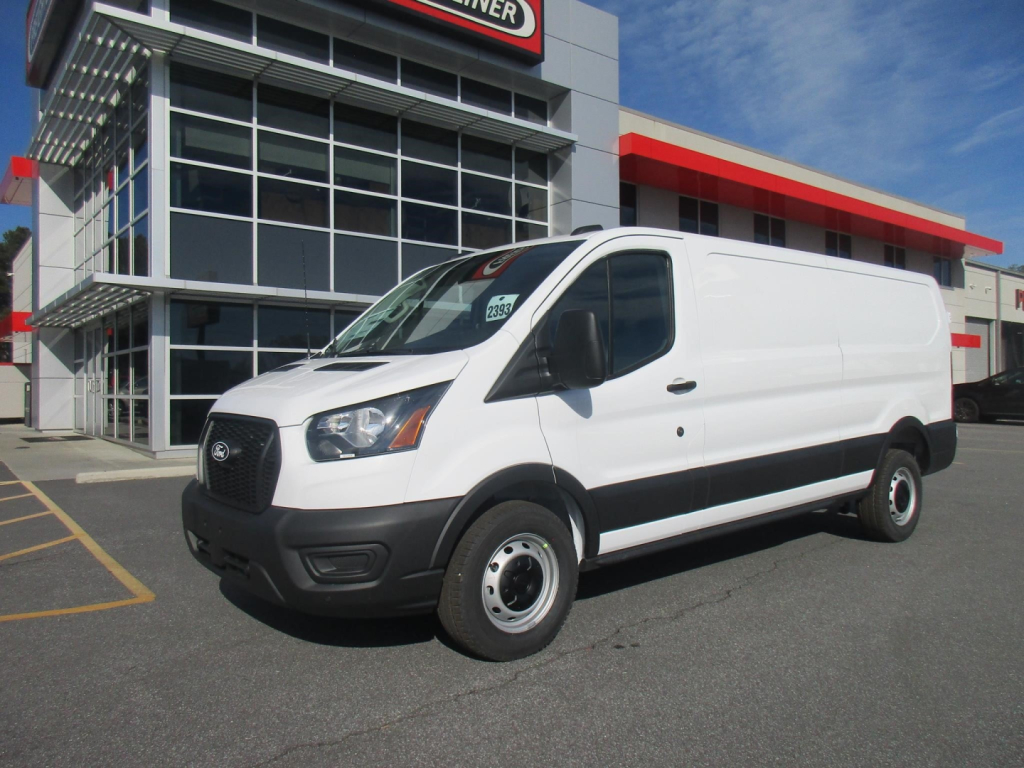
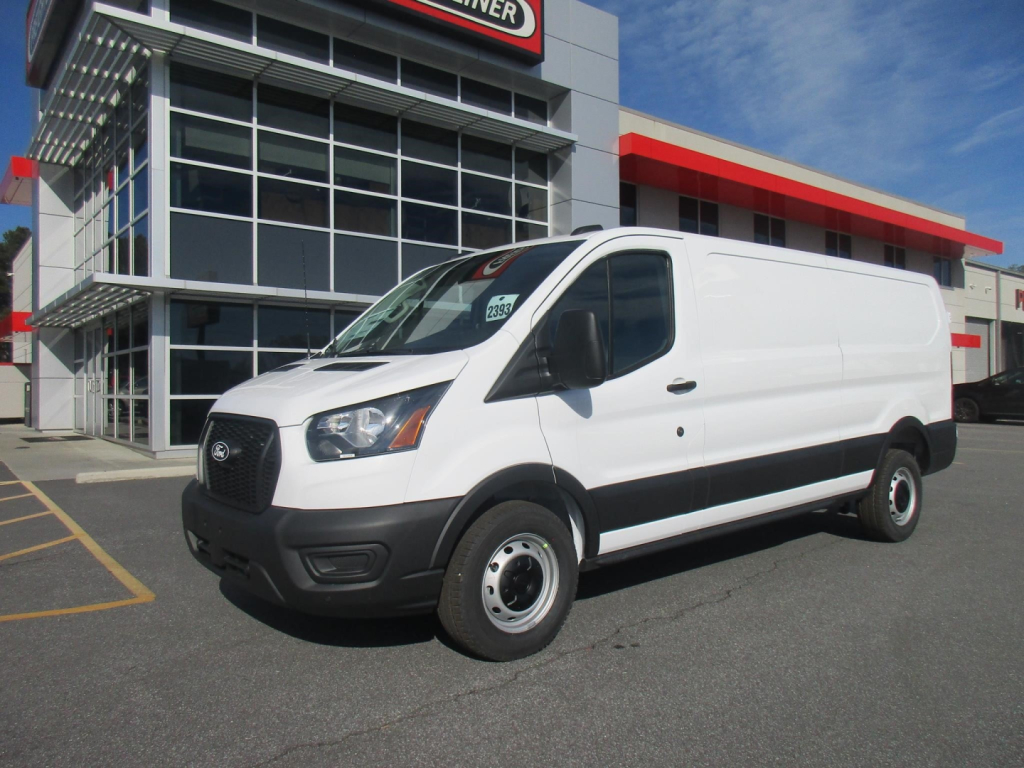
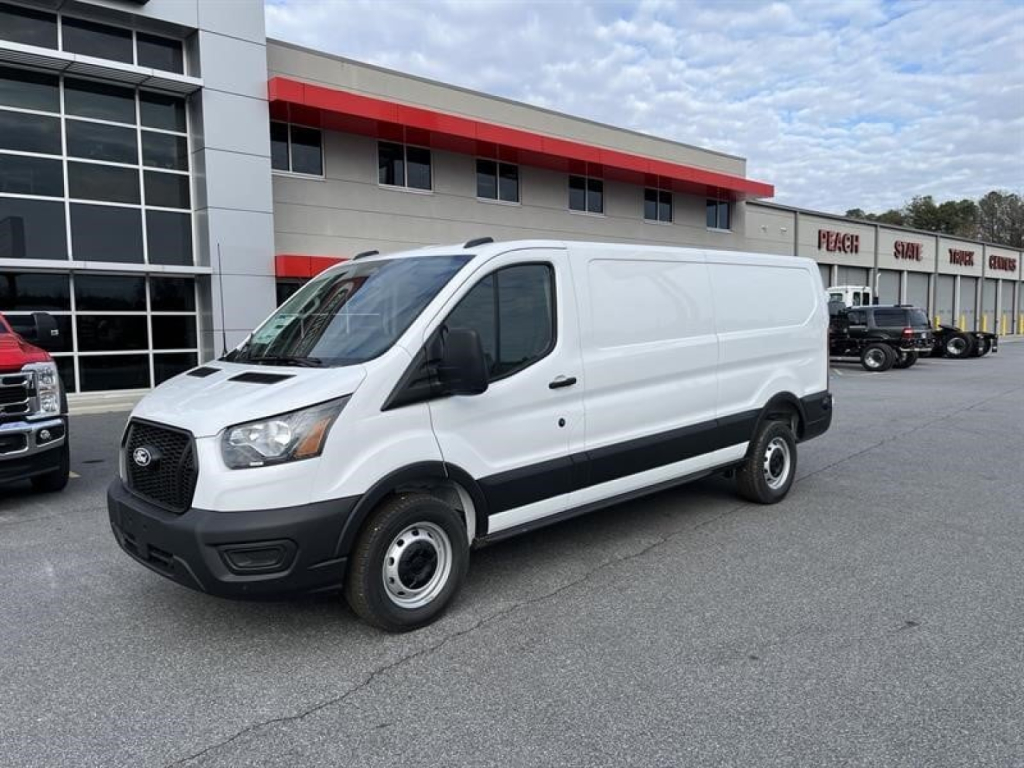
Selling a cargo van? List your cargo van for sale and reach thousands of commercial buyers.
Cargo Vans in Georgia
The first buying decision is usually size. Wheelbase, roof height, and overall body length determine how useful the van will be day to day. Standard-roof models are easier to park and clear height restrictions, while high-roof cargo vans improve walk-in access and interior upfit flexibility for plumbers, electricians, HVAC contractors, telecom crews, and delivery operators. Longer wheelbase vans add cargo volume but can give up some maneuverability in tight loading areas. Most cargo vans in this class run in Class 2 or light Class 3 GVWR ranges, often with gas engines, automatic transmissions, and 4x2 drivetrains. Common specs buyers compare include payload rating, interior cargo length, rear door opening height, side-door access, towing capacity, axle ratio, and available shelving or bulkhead upfits.
Powertrain and operating cost should be matched to route profile. Gas V6 platforms are common in this segment because they are familiar to service departments, easy to deploy across mixed-use fleets, and well suited for short-trip delivery and service applications. A 10-speed automatic is now common in late-model vans and helps drivability on both city streets and interstate runs. Buyers should look closely at engine output, transmission calibration, and rear suspension setup if the van will spend most of its life loaded near max payload. If the job involves palletized freight, parcel routes, mobile workshop duty, or temperature-sensitive equipment, cargo management features matter as much as engine specs. Good commercial vans often include tie-down points, cargo partitions, non-slip flooring, shelving provisions, and wide-opening rear or sliding side doors that reduce loading time.
A smart evaluation goes beyond mileage and model year. Check roof and body condition, inspect door alignment and hinges, verify the condition of the cargo area floor, and confirm whether the van has factory or aftermarket upfits that fit your operation. In Georgia, buyers also need to think about heat load, air conditioning performance, and how the van will handle dense traffic, frequent stops, and long idle periods. Cargo van trucks make sense when the priority is secure enclosed storage, fast access, low-step loading, and a footprint that works in city and suburban environments. For many fleets, they fill the gap between a pickup with a cap and a full cutaway or box truck.
Frequently Asked Questions about Cargo Vans in Georgia
What should I look for first when buying a cargo van truck?
Start with cargo space and payload, because those two specs determine whether the van can actually do the work. Compare wheelbase, roof height, interior length, GVWR, and payload rating before focusing on appearance or trim. A van that is easy to drive but too small for shelving, bins, tools, or parcel volume will create problems immediately. Door opening dimensions, bulkhead configuration, and floor height also matter if drivers are loading by hand all day.
Are cargo vans good for delivery routes in Georgia?
Yes. Cargo vans are a strong fit for Georgia delivery and service routes because they are easier to maneuver in urban traffic than larger straight trucks and they provide enclosed, weather-protected cargo space. They work especially well for parcel delivery, florist routes, bakery distribution, medical supply runs, contractor service calls, and last-mile operations. Buyers operating in metro Atlanta or dense suburban corridors often prioritize turning radius, side-door access, air conditioning performance, and visibility.
What is the difference between a standard-roof and high-roof cargo van?
A standard-roof cargo van is generally easier to park, easier to route through height-restricted areas, and may be a better fit for fleets that load mostly from the rear. A high-roof cargo van adds vertical cargo room and allows more stand-up movement inside the body, which is a major advantage for mobile service technicians and upfitted work vans. The tradeoff is overall height, which affects parking decks, drive-through access, and some loading areas.
Is a gasoline cargo van a good commercial choice?
For many fleets, yes. Gasoline cargo vans are common because they are simple to operate, widely serviceable, and well matched to shorter routes, frequent stops, and mixed-use commercial driving. They can be a practical choice for contractor fleets, local delivery, and municipal or institutional use. Buyers should still compare fuel economy, maintenance intervals, and how the van performs under full payload, especially if the route includes regular highway miles.
What upfit features are most useful in a cargo van?
The most useful upfit depends on the job, but common high-value features include shelving packages, ladder racks, partitions, tie-downs, non-slip flooring, inverter systems, interior lighting, and telematics. For delivery work, cargo organization and fast access usually matter most. For trade work, secure tool storage, bulkheads, and roof storage often drive the buying decision. A well-matched upfit improves productivity and reduces cargo damage, driver fatigue, and time spent searching for equipment.