
2026 Cargo Vans For Sale in Georgia
Browse 2026 cargo van trucks for sale in Georgia. Compare roof height, wheelbase, GVWR, cargo access, safety tech, and upfit-ready specs.
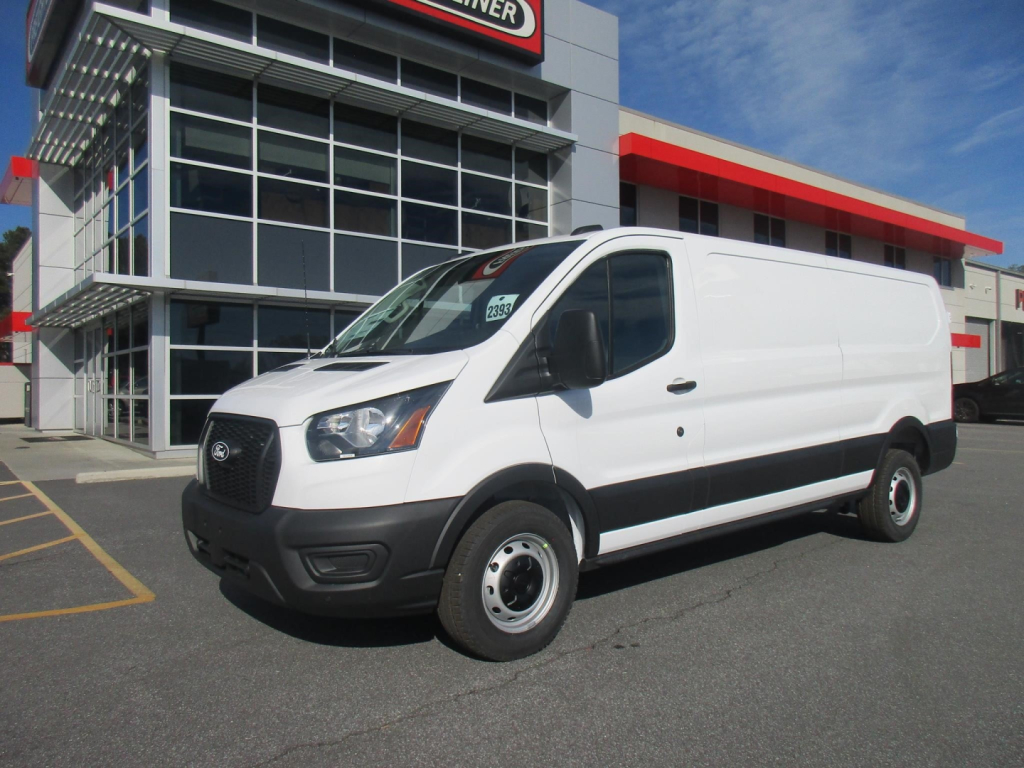
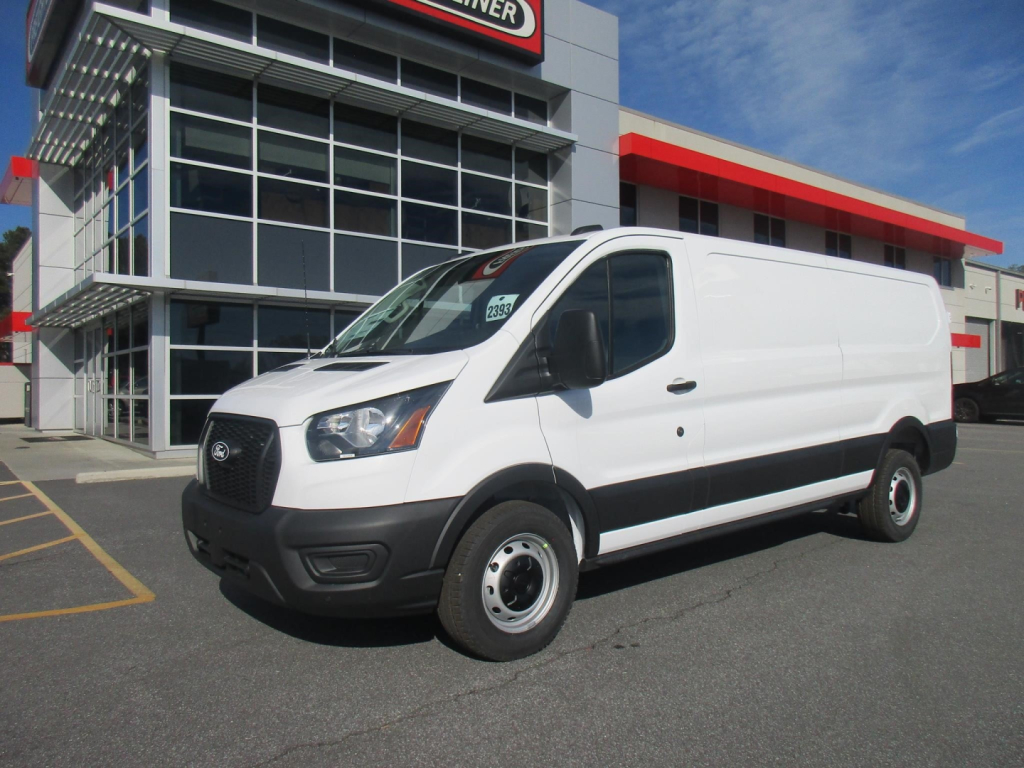
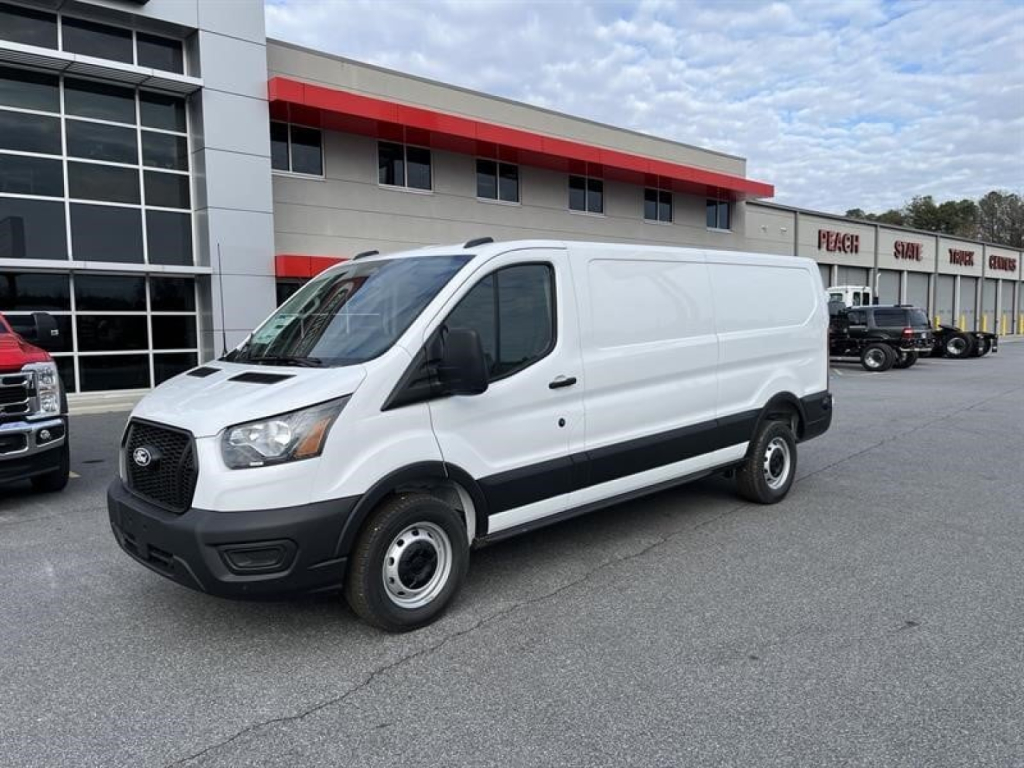
Selling a 2026 cargo van? List your 2026 cargo van for sale and reach thousands of commercial buyers.
2026 Cargo Vans in Georgia
GVWR and payload capacity are the next major decision points. Common cargo van configurations in this class include light-duty setups around the 8,500 to 9,000 lb range, with actual usable payload depending on body length, roof height, drivetrain, and upfit weight. A van that looks right on paper can lose a meaningful amount of payload once shelving, ladder racks, partitions, refrigeration units, inverters, or generator systems are installed. Buyers running HVAC, plumbing, electrical, telecom, or route delivery fleets should pay close attention to rear axle ratings, door opening dimensions, and cargo floor length, not just headline GVWR. Split rear swing-out doors with wide opening angles and a passenger-side sliding door are especially valuable for dock work, curbside deliveries, and fast hand-loading in tight spaces.
Powertrain and driver-assistance equipment have become a bigger part of the buying decision in newer cargo vans. Many 2026 models in this category are equipped with gasoline V6 power, automatic transmissions, rear cameras, parking sensors, and active safety systems such as automatic emergency braking, lane departure warning, and forward collision mitigation. For fleets covering mixed city and highway miles, transmission gearing, service access, and idle-time efficiency matter as much as raw horsepower. Cab technology also matters more than it used to. Large touchscreens, smartphone integration, telematics compatibility, Wi-Fi capability, and steering wheel controls can improve route management and reduce driver fatigue over a full day of stops.
A cargo van is also known in many fleets as a commercial van or delivery van, and the best choice usually comes down to how the van will be upfitted and how often it runs fully loaded. Buyers should evaluate interior wall structure for shelving mounts, rear compartment lighting, bulkhead options, flooring durability, and tie-down layout before comparing cosmetic features. In Georgia’s heat and long operating days, air conditioning performance, cargo ventilation, and easy-clean interior surfaces are practical considerations, especially for service fleets and parcel operations. The right 2026 cargo van should fit the route, the upfit, and the driver, while leaving enough capacity in reserve for real-world use rather than brochure numbers.
Frequently Asked Questions about 2026 Cargo Vans in Georgia
What should I look at first when comparing 2026 cargo vans?
Start with roof height, wheelbase, GVWR, and door configuration. Those four items determine how much usable cargo space you have, how easy the van is to maneuver, and how well it will accept shelving or trade-specific equipment. A low-roof van may be the better fit for parking garages and urban service work, while a longer wheelbase or higher-roof layout may be more efficient for parcel delivery, mobile workshops, or high-cube freight.
How important is GVWR on a cargo van?
GVWR is critical because it sets the legal and practical operating limit for the van, but it is only part of the picture. Buyers also need to account for curb weight, fuel, driver weight, passengers, tools, shelving, partitions, and any upfit equipment. A van can lose a significant amount of usable payload once it is equipped for service work or delivery, so axle ratings and real-world payload matter more than the sticker alone.
Are rear swing-out doors better than a roll-up rear door on a cargo van?
Rear swing-out doors are common on factory cargo vans because they provide wide access, simple hardware, and good opening clearance at docks or job sites. Wide-angle hinges can make loading pallets, carts, and long materials easier. A roll-up door can be useful on certain specialty upfits, but for most standard cargo van applications, swing-out rear doors paired with a side sliding door offer the best combination of access, serviceability, and cargo flexibility.
What features matter most for a delivery or service fleet in Georgia?
For Georgia operation, buyers usually focus on air conditioning performance, visibility, parking aids, rear cameras, and durable cargo-area lighting because vans often spend long hours in heat, traffic, and repeated stop-and-go conditions. Safety systems like automatic emergency braking and lane departure warning are also valuable for reducing driver stress and lowering accident exposure. If the van will run interstate routes as well as urban stops, comfort features and connectivity can also improve productivity over a full shift.
Is a gasoline cargo van a good choice for mixed city and highway use?
Yes. A gasoline cargo van is a common choice for fleets that need straightforward maintenance, predictable drivability, and good performance in urban delivery and regional service routes. Gas V6 configurations are especially common in light-duty commercial vans because they offer solid power for loaded operation without the added complexity some buyers want to avoid. The best setup depends on payload, annual mileage, idle time, and the amount of weight added by the upfit.