
2026 Cargo Vans For Sale
Shop 2026 cargo van trucks with modern safety tech, large enclosed cargo space, multiple roof heights, and fleet-ready upfit potential.
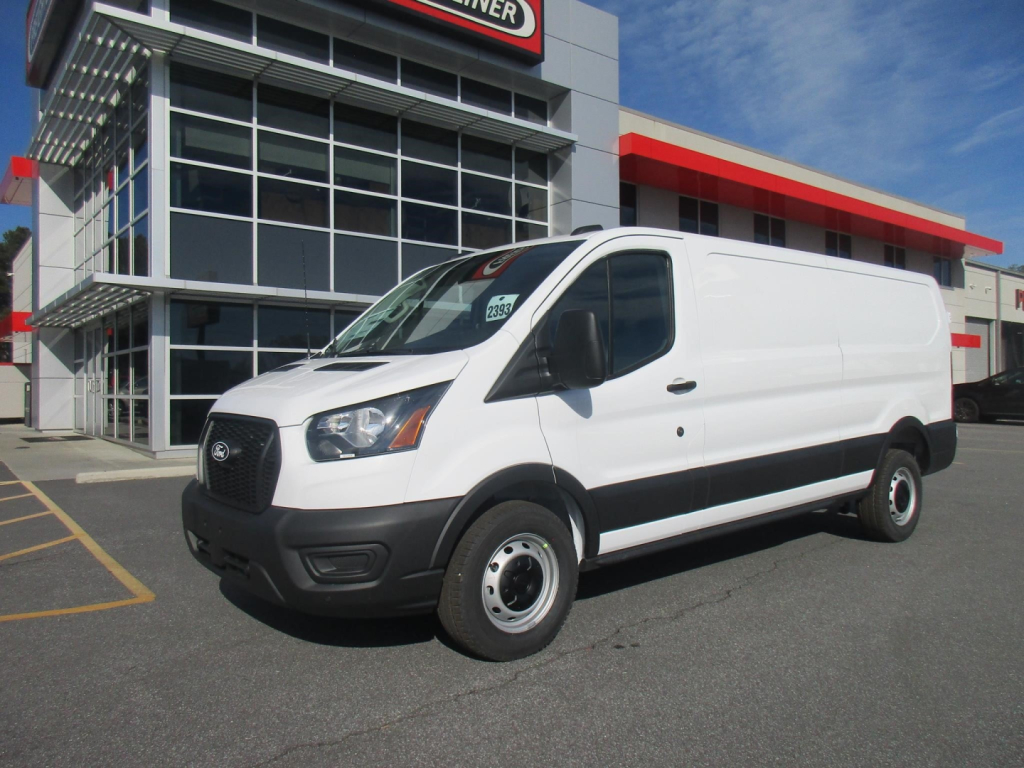
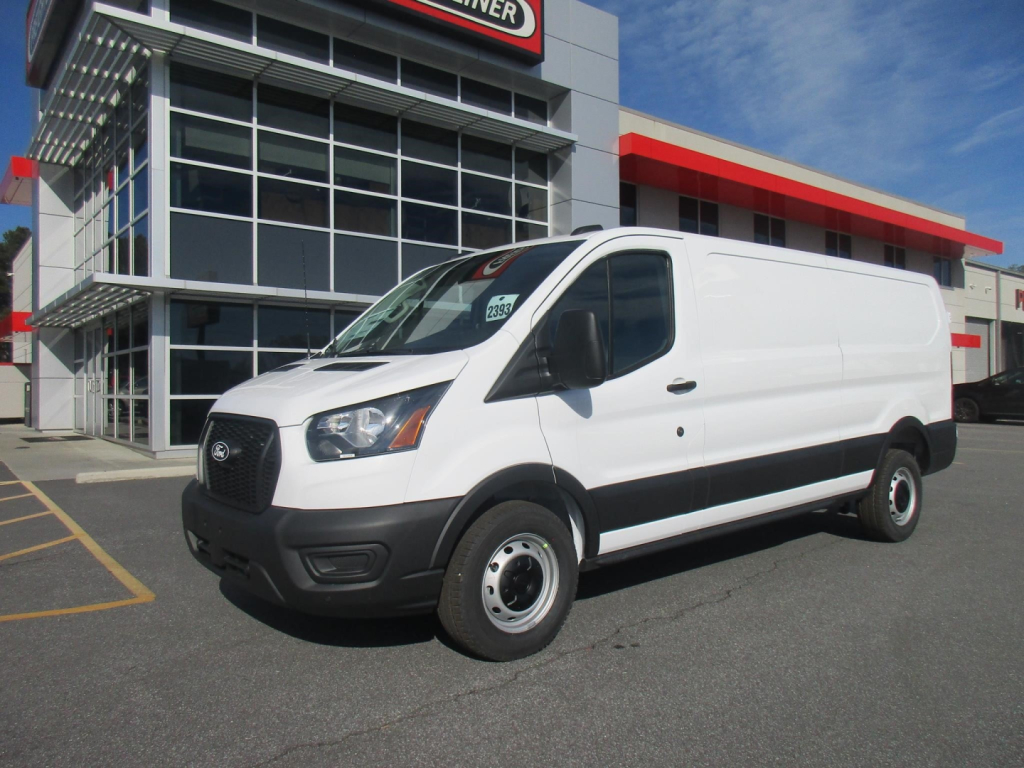
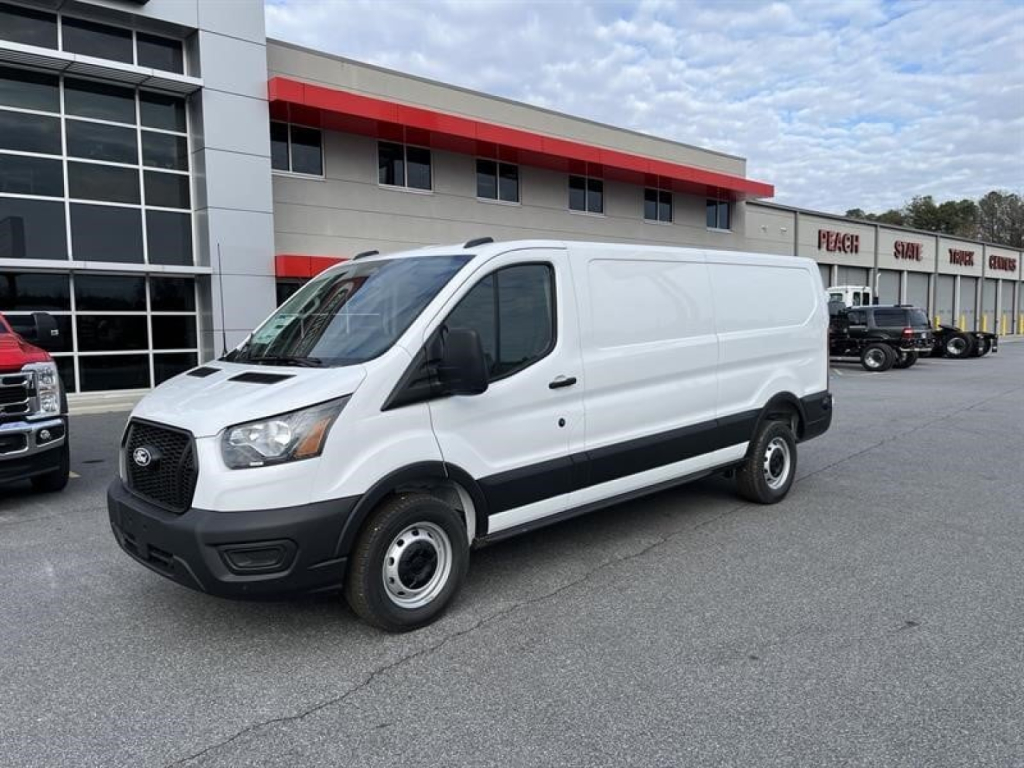
Selling a 2026 cargo van? List your 2026 cargo van for sale and reach thousands of commercial buyers.
2026 Cargo Vans
Powertrain and chassis decisions affect operating cost more than the purchase sheet suggests. In the current market, full-size cargo vans commonly use gasoline V6 power paired with multi-speed automatic transmissions, though some fleets also evaluate turbocharged gas engines or alternative-fuel and electric options depending on route length and idle time. Gross vehicle weight rating, rear axle ratio, and single-rear-wheel versus heavier-duty configurations all matter if the van will carry tools, bulk parts, or dense packaged freight. On a 2026 model, buyers should also pay close attention to driver-assist systems such as rear view cameras, parking sensors, lane-keeping technology, collision mitigation, and connectivity features that support dispatch, routing, and driver accountability.
Cargo access and body layout are where a van either works for the operation or creates daily inefficiency. Common setups include a sliding side door, split rear cargo doors, and wide-opening hinges that improve dock and curbside loading. Interior length between bulkhead and rear doors, width between wheel wells, tie-down points, LED cargo lighting, and wall structure for shelving installation are practical details that directly affect productivity. Many fleets add ladder racks, partition bulkheads, composite liners, step bumpers, inverter systems, telematics, and custom shelving packages. For service work, a cargo van is often preferred over a pickup or cutaway because tools stay locked, dry, and organized while the vehicle still fits tight job sites and urban streets.
For a buyer comparing 2026 cargo van trucks for sale, the smart approach is to match the body size and upfit plan to the route, not just the sticker. A van that spends its life in downtown stops has very different needs than one covering regional service miles with a full parts package onboard. Look closely at door opening dimensions, roof clearance, payload after upfit, seat configuration, and service access under the hood. The best cargo van setup is the one that carries the real working load every day without sacrificing maneuverability, uptime, or driver comfort.
Frequently Asked Questions about 2026 Cargo Vans
What should I look at first when comparing 2026 cargo vans?
Start with payload, wheelbase, roof height, and cargo dimensions. Those four items determine whether the van can actually handle the work after shelving, partitions, bins, or other upfits are installed. A buyer should also verify rear and side door opening dimensions, because a van can have strong cubic capacity on paper but still be inefficient for carts, pallets, or bulky equipment.
What is the difference between a cargo van and a cutaway van?
A cargo van is a complete enclosed van body from the factory, designed for secure internal storage and direct loading through side and rear doors. A cutaway van starts with a chassis and cab, then receives a separate body such as a box, utility, or service body. Cargo vans are usually better for maneuverability, theft protection, and compact urban work, while cutaways are chosen when a buyer needs more customized body space or exterior compartments.
Are high-roof cargo vans worth it?
High-roof cargo vans are worth the extra cost for many service and delivery operations because they improve technician movement inside the van and allow taller shelving or equipment layouts. They can reduce strain from repeated bending and make mobile workspace setups more practical. The tradeoff is higher overall vehicle height, which can limit access to some garages, low canopies, and older service areas with clearance restrictions.
How important is payload after upfitting a cargo van?
Payload after upfit is critical. Shelving, ladder racks, partitions, power systems, and stored tools can remove a significant amount of available carrying capacity before any job materials are loaded. A van that looks adequate in base form can become overloaded in real service if the buyer does not calculate curb weight plus the full installed upfit package and daily cargo load.
Which industries commonly use cargo van trucks?
Cargo vans are widely used in parcel delivery, last-mile logistics, electrical and plumbing service, HVAC, pest control, locksmith work, telecom support, medical supply transport, and municipal departments. The enclosed body protects freight and equipment from weather and theft, and the compact footprint makes the platform especially useful in urban routes, campus environments, and residential service work.