
Ford Cargo Van Trucks For Sale in New York



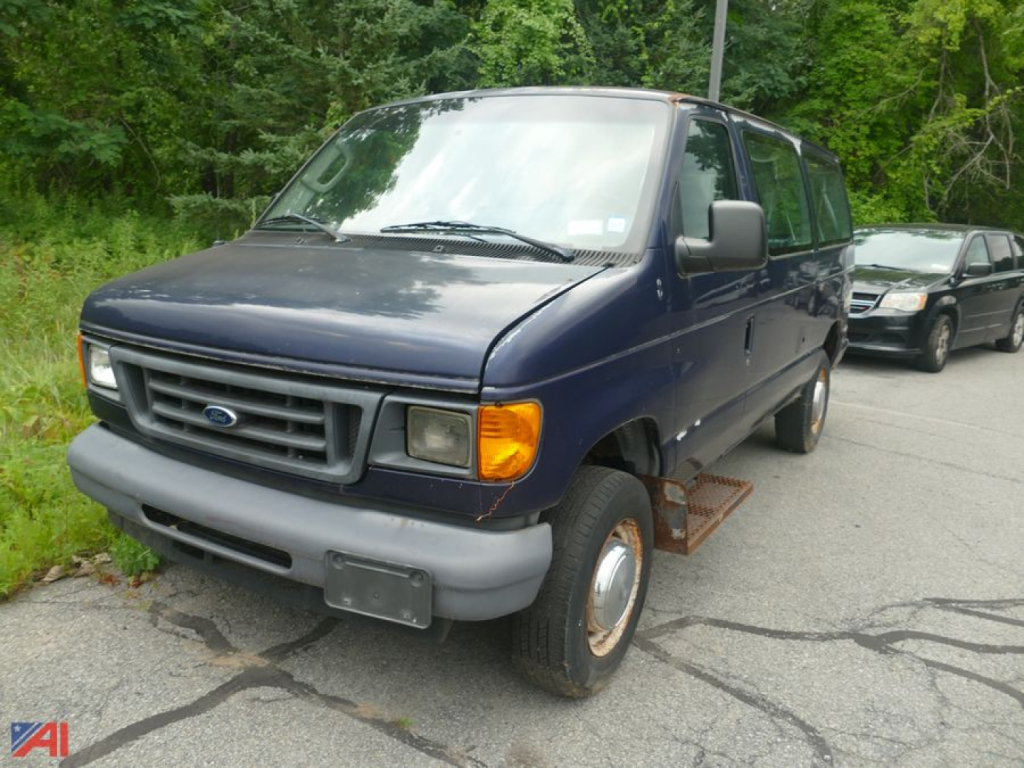
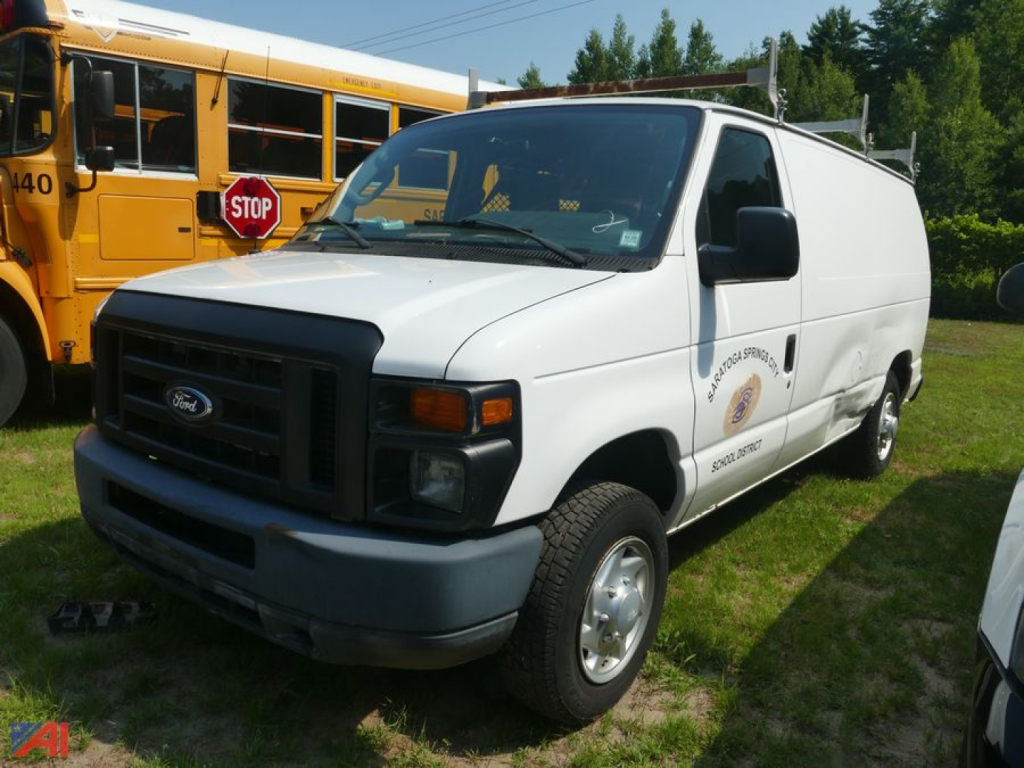
Have ford cargo van truck to sell? List it here to reach thousands of buyers.
Ford Cargo Van Trucks in New York
The first buying decision is usually size. Low-roof models are easier to park and better suited to garages, municipal buildings, and height-restricted loading areas. Medium-roof and high-roof vans improve stand-up room and make a noticeable difference for technicians carrying shelving, bins, ladders, or HVAC, electrical, and plumbing inventory. Wheelbase matters just as much. A shorter wheelbase is easier to maneuver in tight borough streets and crowded job sites, while a longer wheelbase gives you more usable floor length for parcels, equipment cases, and built-out service bodies inside the van. Buyers should also compare single rear wheel and dual rear wheel configurations where applicable, especially when payload, stability, and upfit weight start pushing the limits of a lighter-duty setup.
Powertrain and body configuration affect long-term operating cost. Ford Transit cargo vans are commonly equipped with gasoline V6 engines, and some model years may include turbocharged EcoBoost options that add stronger low-end torque for heavier loads or faster highway merging. Transmission calibration, axle ratio, and GVWR all influence how the van feels when loaded. On the body side, rear door opening angle, passenger-side sliding door access, interior tie-down points, cargo partition design, and factory telematics compatibility can matter as much as engine specs for a working fleet. Many used units have already been upfitted with shelving, ladder racks, bulkheads, inverter systems, or interior liners, so buyers should inspect how the previous upfit affects remaining payload and cargo access.
For New York operators, rust condition, underbody exposure, and stop-and-go wear deserve extra attention. A cargo van that spent years in winter road salt or city delivery service may show more corrosion, brake wear, door track wear, and idle-hour strain than mileage alone suggests. Check roof and side panel condition for signs of commercial use, verify tire condition and load rating, and confirm that the van’s cargo area dimensions match the intended route and freight profile. A Ford cargo van is often chosen because it can serve as a delivery van, service van, electrician van, plumber van, telecom van, or general contractor van without the footprint of a larger box truck, but the best unit is the one whose roof height, wheelbase, axle rating, and upfit layout fit the job from day one.
Frequently Asked Questions about Ford Cargo Van Trucks in New York
What is the most important spec to compare on a Ford cargo van?
Cargo vans should be compared first by wheelbase, roof height, and payload rating because those three factors determine how the van actually performs in service. Wheelbase affects maneuverability and floor length. Roof height affects technician comfort, shelving layout, and loading efficiency. Payload rating determines how much equipment, parts, and upfit weight the chassis can legally carry. Engine choice matters, but many buyers get more day-to-day value by matching the van’s physical dimensions and GVWR to the route and cargo.
Is a Ford Transit cargo van a good fit for city work in New York?
Yes, the Ford Transit is widely used for city work because it offers a relatively tight turning radius, good driver visibility, and multiple body lengths that fit dense urban routes better than larger straight trucks. A shorter wheelbase low-roof van is often easier to manage in tight parking, alleys, and loading zones, while still providing secure enclosed cargo space. Buyers working in New York should balance city maneuverability against the need for interior volume, especially if the van will carry racks, partitions, or bulky tools.
What should buyers inspect on a used Ford cargo van?
Key inspection points include rust on the underbody and lower body panels, sliding and rear door operation, brake condition, tire load range, suspension wear, and signs of hard commercial use inside the cargo area. It is also smart to inspect shelving mounts, bulkhead installation, roof penetrations for ladder racks or beacons, and any electrical add-ons such as inverters or auxiliary lighting. Service history is important, but on a cargo van the condition of the body, doors, and upfit can be just as critical as the engine and transmission.
What industries commonly use Ford cargo vans?
Ford cargo vans are common in parcel delivery, pharmacy and medical supply distribution, HVAC, plumbing, electrical, locksmith, telecom, municipal service, and mobile maintenance fleets. The enclosed body protects cargo from weather and theft, and the flat load floor supports shelving, bins, and custom interior packages. That flexibility is a major reason the Transit cargo van is used as both a delivery vehicle and a mobile workshop.