
New 2026 Ford Cargo Vans For Sale
Shop new 2026 Ford cargo van trucks, including Transit models with modern safety tech, flexible roof heights, wheelbases, and upfit-ready cargo space.
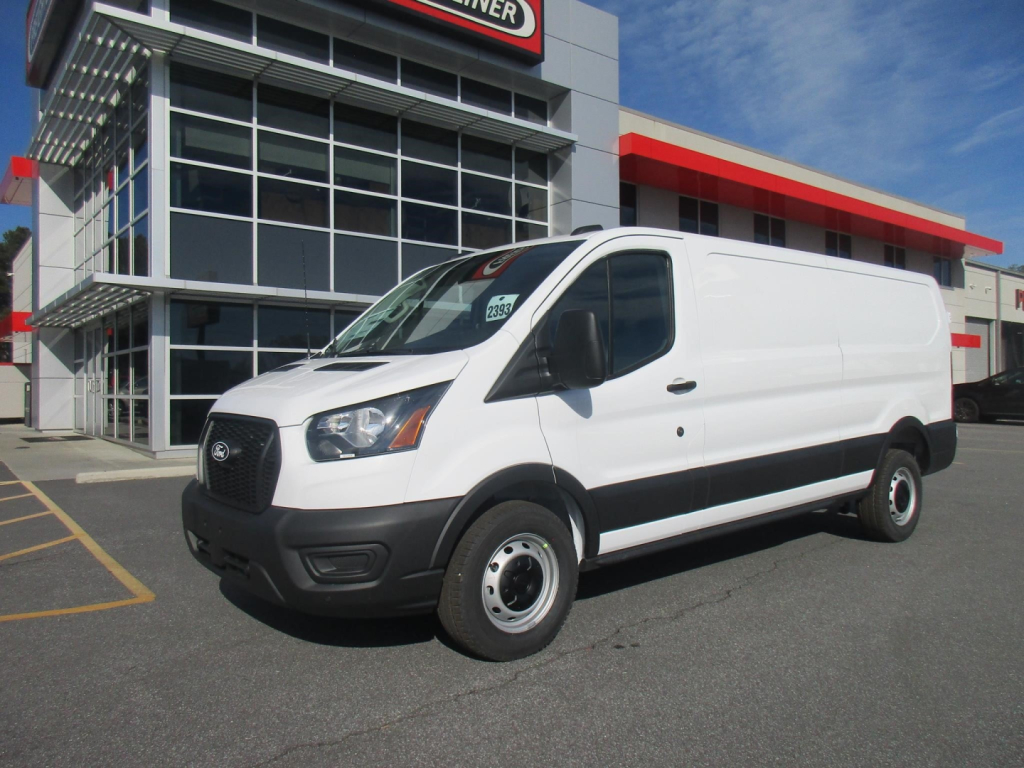
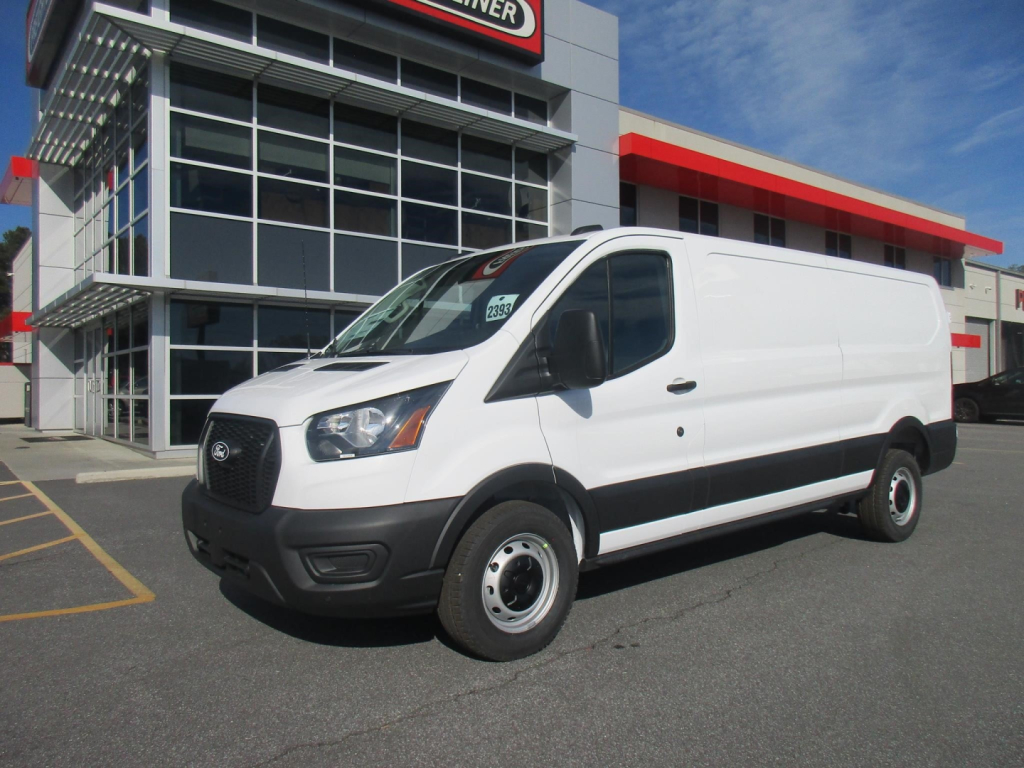
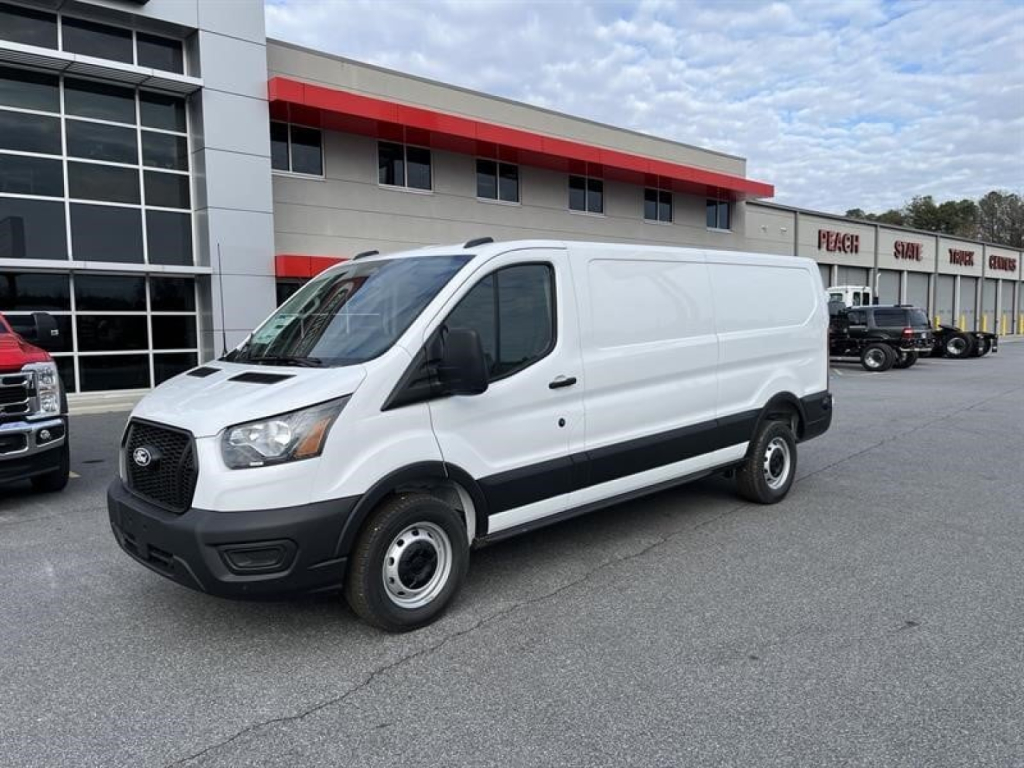
Selling a new 2026 ford cargo van? List your new 2026 ford cargo van for sale and reach thousands of commercial buyers.
New 2026 Ford Cargo Vans
The 2026 Ford Transit commonly shows up with the 3.5L PFDi V6 paired to a 10-speed automatic, a proven setup for mixed city and highway use. On the spec side, low-roof configurations are easier to park, clear height-restricted structures, and suit dense metro work. Longer wheelbases improve cargo volume and upfit space but can affect curb-to-curb handling in tight service areas. Buyers comparing T-150, T-250, and T-350 style configurations should pay close attention to GVWR, rear axle ratings, and the expected weight of shelves, bins, racks, bulkheads, refrigeration units, or electrical service bodies added after delivery. A van that looks large on paper can lose usable payload quickly once the upfit is installed.
Cab and safety technology matter more in a cargo van than many buyers expect because these trucks spend long hours in stop-and-go traffic with frequent backing and side-door access. Common features on newer Ford Transit models include a rear view camera, front and rear parking sensors, lane departure warning, pre-collision assist with automatic emergency braking, and Ford Co-Pilot360 driver-assist systems. A 12-inch touchscreen, Apple CarPlay, Android Auto, remote keyless entry, Wi-Fi hotspot capability, and cruise control can also improve driver acceptance and route efficiency. Split swing-out rear doors with wide opening angles and a sliding side door are especially important for dock access, curbside loading, and tight delivery zones.
For most buyers, the best 2026 Ford cargo van is the one that matches the route and upfit, not the one with the biggest body. Check interior cargo dimensions, rear-door opening clearance, floor height, and how the van will be loaded each day. Confirm if the van needs a low roof for garages, a medium or high roof for standing workspace, or a specific wheelbase for shelving and ladder storage. If the application includes food service, medical delivery, or temperature-sensitive freight, verify alternator capacity and body-builder compatibility before ordering equipment. Ford Transit cargo vans remain a strong choice because they cover a wide range of service applications while keeping the package familiar for drivers, upfitters, and fleet maintenance teams.
Frequently Asked Questions about New 2026 Ford Cargo Vans
What is the difference between Ford Transit T-150, T-250, and T-350 cargo vans?
The main differences are GVWR, payload capacity, and how the van is intended to be equipped. A T-150 is often suited to lighter service work and delivery use, while T-250 and T-350 configurations are better for heavier cargo, dense shelving packages, utility upfits, and applications where the completed vehicle weight rises quickly. Buyers should compare the actual door-sticker payload, axle ratings, and planned upfit weight instead of relying only on the model badge.
Is a low-roof or high-roof Ford cargo van better for commercial use?
It depends on the route and the work performed inside the van. A low-roof Transit is easier to park, easier to route through height-restricted garages, and often a better fit for urban delivery fleets. A high-roof setup adds standing room and makes sense for technicians, mobile workshops, and crews loading tall equipment or extensive shelving. The right choice comes down to clearance limits, driver movement inside the cargo area, and the shape of the cargo being carried.
What engine and transmission are common in a new 2026 Ford Transit cargo van?
A common configuration is the 3.5L PFDi V6 with a 10-speed automatic transmission. That combination is widely used because it is straightforward, familiar to many fleet buyers, and suitable for mixed city and highway duty. When comparing vans, buyers should look beyond horsepower and focus on how the engine, axle ratio, and loaded vehicle weight will affect drivability, fuel use, and maintenance in the intended service cycle.
What features matter most on a cargo van used for delivery or service work?
The most important features are usually cargo access, visibility, and upfit compatibility. A sliding side door and wide-opening split rear doors improve loading speed and access in tight spaces. Rear view cameras, parking sensors, automatic emergency braking, and lane warning systems are valuable for reducing backing incidents and urban driving risk. Inside the cargo area, lighting, tie-down points, and a layout that supports shelving or bins often matter more than appearance.
How do I choose the right Ford cargo van for an upfit?
Start with the final use case and work backward. Measure the equipment, shelves, bins, ladder racks, or refrigeration components that will be installed, then compare that total to the van’s cargo dimensions and payload rating. Check wheelbase for layout space, roof height for technician movement, and GVWR for the completed operating weight. It is also smart to confirm electrical capacity, body-builder guidance, and any drilling or mounting limitations before the upfit begins.