
New 2026 Commercial Trucks For Sale in New Jersey
Browse new 2026 trucks for sale in New Jersey, including medium-duty and upfit-ready models for delivery, towing, service, and vocational work.
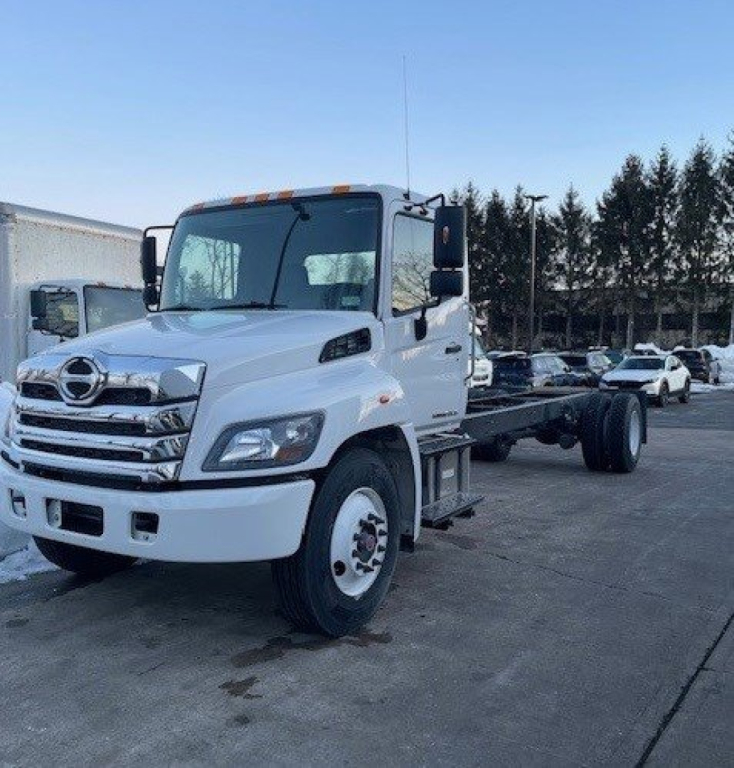
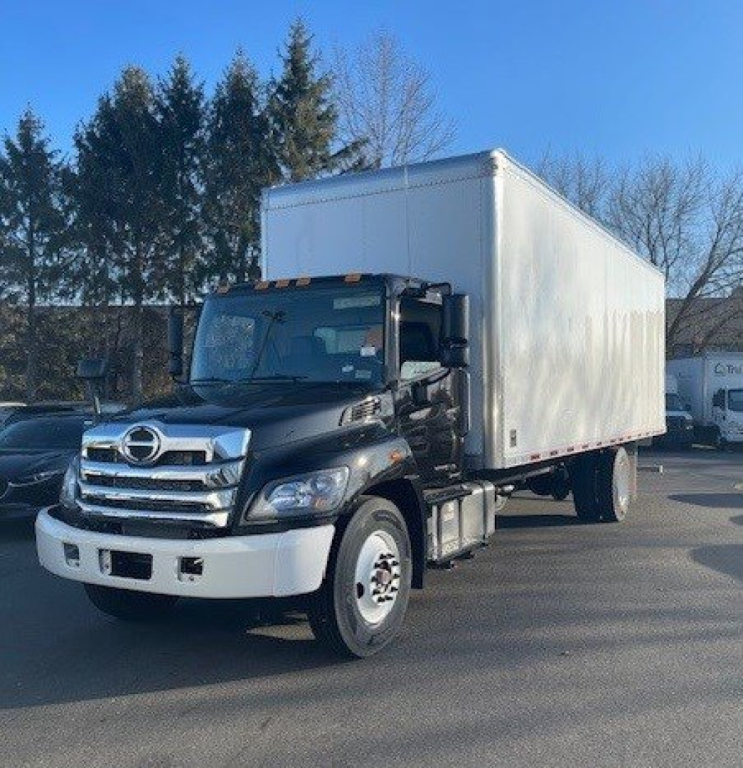
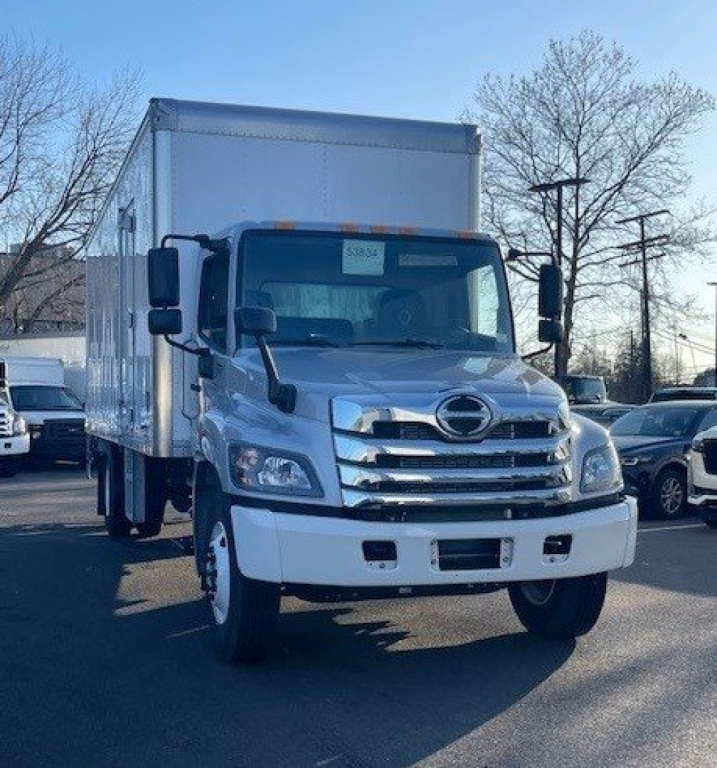
Selling a new 2026 commercial truck? List your new 2026 commercial truck for sale and reach thousands of commercial buyers.
New 2026 Commercial Trucks in New Jersey
Powertrain selection matters because it directly affects payload, service access, and driver acceptance. A common setup in new medium-duty trucks is a 6.7L diesel paired with an Allison automatic transmission, typically in the 240 to 260 horsepower range with torque suited for stop-and-go work, short regional hauls, towing, and PTO-driven applications. Buyers comparing new 2026 trucks should look closely at rear axle ratio, wheelbase, front and rear axle ratings, and suspension type, since these specs determine how well the truck will carry a van body, support a rollback, handle a hooklift hoist, or accept a future upfit. In New Jersey, tight streets, port traffic, and dense suburban delivery routes also make turning radius, cab visibility, and overall body length important practical considerations.
Body and equipment details often decide long-term value more than the badge on the hood. A box truck buyer should pay attention to body length, interior height, floor construction, liftgate rating, E-track layout, curbside access, and roll-up door specification. A towing or rollback buyer should focus on deck length, wheel-lift capacity, winch ratings, frame reinforcement, and the compatibility between the chassis GVWR and the intended recovery work. Hooklift buyers need to confirm hoist capacity, container length range, hook height, and hydraulic system performance, especially if the truck will swap dumpsters, flatbeds, or equipment bodies. For cab and chassis buyers, the key is ordering a platform with the correct frame height, cab-to-axle dimension, electrical provisions, and PTO readiness for the body builder.
New 2026 trucks also bring advantages in warranty coverage, emissions compliance, safety electronics, and driver comfort. Features like air ride driver seats, heated power mirrors, backup cameras, Bluetooth connectivity, engine brake integration, and aluminum fuel tanks are common spec points that can improve uptime and reduce fatigue over a long ownership cycle. For fleet buyers and owner-operators alike, the best purchase is usually the truck whose GVWR, wheelbase, powertrain, and upfit match the job with minimal compromise. A properly spec'd new truck in this class can serve final-mile delivery, municipal work, towing, refuse handling, landscape supply, beverage distribution, and general contractor duty with strong reliability and resale appeal.
Frequently Asked Questions about New 2026 Commercial Trucks in New Jersey
What should I look at first when comparing new 2026 trucks for sale in New Jersey?
Start with the truck’s intended application, then match it to GVWR, wheelbase, axle ratings, and body type. A 26,000-pound GVWR truck may work well for box delivery, rollback towing, or hooklift service, but the correct frame, cab-to-axle dimension, and suspension setup will differ by upfit. In New Jersey, buyers should also consider route density, bridge and roadway limitations, and whether the truck needs to stay under common CDL thresholds.
Are new 2026 medium-duty trucks commonly available with diesel engines and automatic transmissions?
Yes. Many new medium-duty trucks in this category are spec'd with diesel engines in the 6.7L class and paired with Allison automatic transmissions. This combination is popular because it offers dependable torque, simple operation for mixed driver pools, and good compatibility with delivery, towing, and vocational applications. Buyers should still confirm horsepower, torque, PTO capability, and axle ratio because those details affect launch performance, gradeability, and fuel economy.
What is the benefit of a 25,950 to 26,000 GVWR truck?
This GVWR range is popular because it can balance payload capacity with regulatory and operational flexibility. Many buyers target this class to maximize legal carrying ability while managing CDL requirements, urban maneuverability, and body size. The actual advantage depends on the finished truck weight, the body installed, and the cargo or equipment being carried, so payload should always be calculated from the final upfitted unit rather than the chassis alone.
How do I choose between a cab and chassis truck and a fully upfitted truck?
A cab and chassis is the right choice when you need a specific body, custom dimensions, or specialized vocational equipment that must be installed to your exact requirements. A fully upfitted truck can reduce lead time and simplify the buying process when the body specification already matches your operation. The key is to verify that the chassis, axle ratings, and wheelbase are correctly matched to the body and that the electrical and hydraulic provisions support the equipment you plan to run.
Which specs matter most on a new box truck, rollback, or hooklift truck?
For a box truck, focus on body length, interior dimensions, floor strength, liftgate capacity, door configuration, and cargo control features like E-track or scuff liners. For a rollback, pay close attention to deck length, wheel-lift rating, winch capacity, and chassis stability under load. For a hooklift, the critical specs are hoist capacity, body compatibility, hook height, hydraulic performance, and frame reinforcement. In each case, the best truck is the one whose chassis and body specs are aligned with the real daily workload.