
New 2026 Commercial Trucks For Sale in New Mexico
Shop new 2026 trucks for sale in New Mexico, including day cabs and medium-duty work trucks with current specs, warranty coverage, and emissions tech.
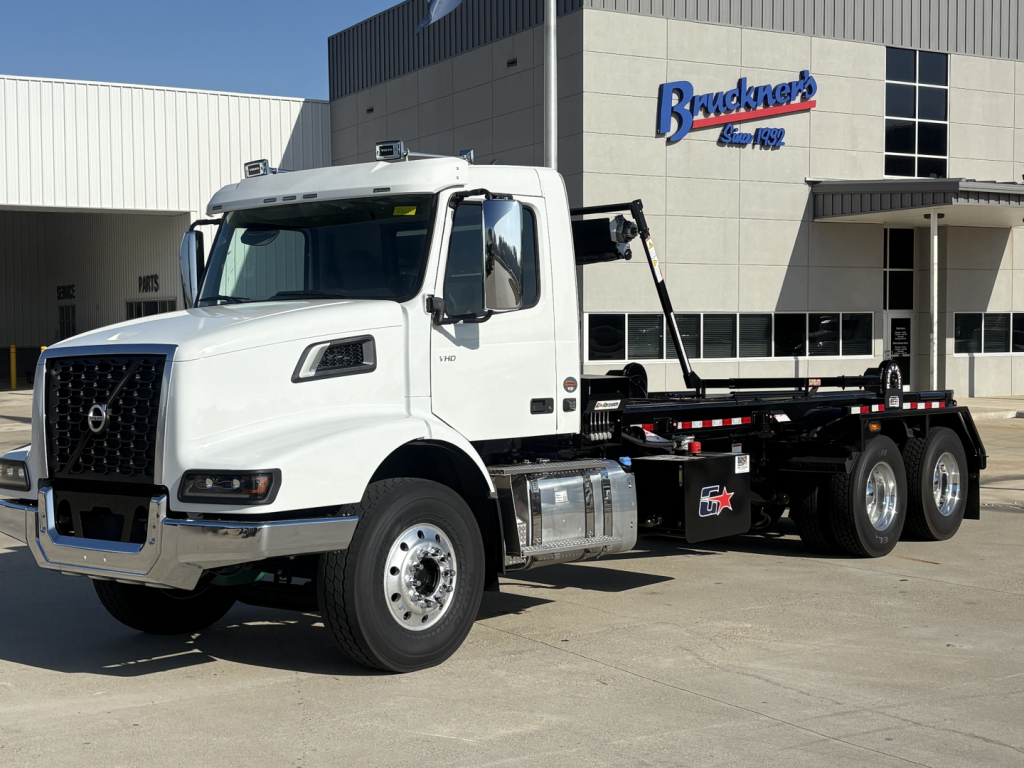
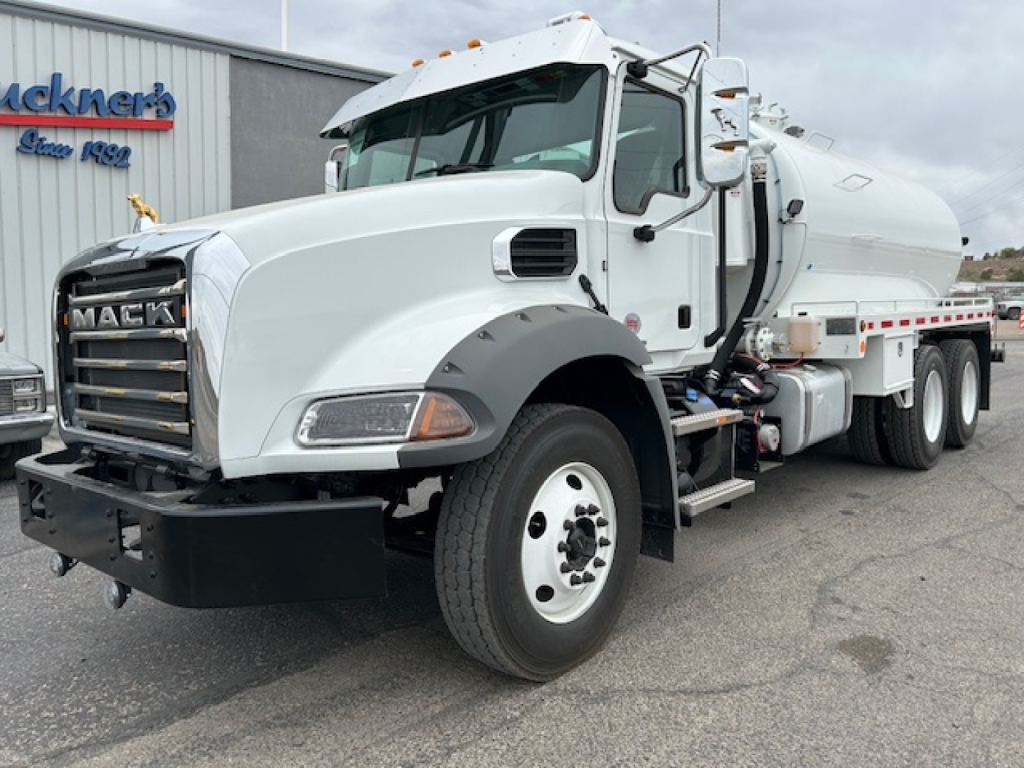
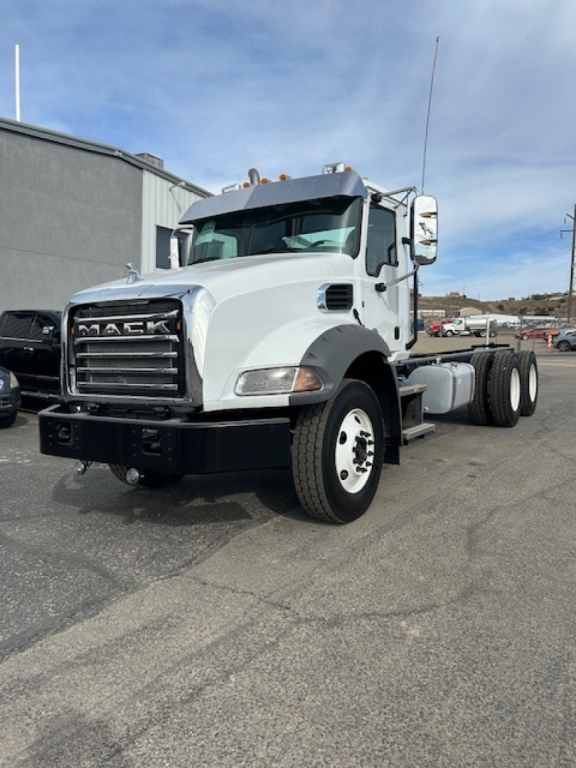
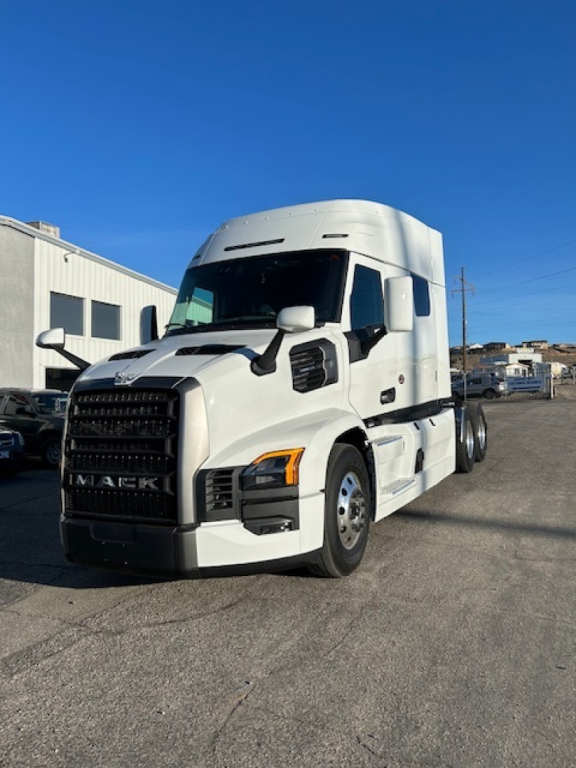

Selling a new 2026 commercial truck? List your new 2026 commercial truck for sale and reach thousands of commercial buyers.
New 2026 Commercial Trucks in New Mexico
Frequently Asked Questions about New 2026 Commercial Trucks in New Mexico
What should I look for first when comparing new 2026 trucks in New Mexico?
Start with the job, then match the truck to the route and payload. Buyers should compare GVWR, axle ratings, wheelbase, suspension, engine horsepower and torque, transmission type, and rear axle ratio before looking at cosmetics. In New Mexico, terrain, heat, and long distances between service points make cooling capacity, fuel capacity, and gearing especially important. A truck spec that works in flat urban delivery may feel underpowered or inefficient on grades, in oilfield access roads, or on longer regional runs.
Are day cab trucks a good fit for New Mexico operations?
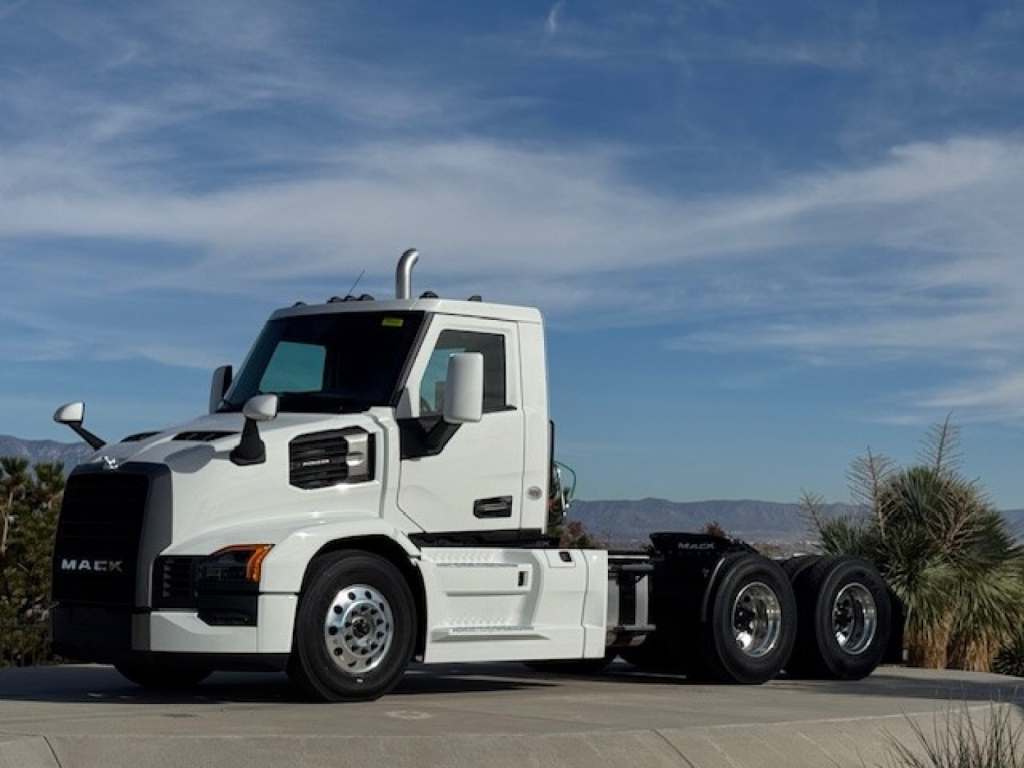
Day cab trucks are a strong fit for many New Mexico fleets because they suit regional and local applications where drivers are home daily. They are common in aggregate hauling, flatbed support, heavy equipment moves, tank work, intermodal dray, and dedicated industrial routes. Compared with a sleeper, a day cab can reduce weight and simplify maneuvering in tighter yards or job sites. The tradeoff is limited storage and no sleeper berth, so they are best for operations that do not require overnight rest in the truck.
How do engine, transmission, and rear ratio affect truck performance?
These three specs determine how a truck pulls, cruises, and returns fuel economy. Higher horsepower and torque ratings support heavier loads and steeper grades, while an automated manual or full automatic can improve driver consistency and reduce fatigue depending on the application. Rear axle ratios like 3.08, 3.42, 3.56, or 3.73 change launch feel, gradeability, and engine rpm at highway speed. Lower numerical ratios usually favor fuel economy on-road, while higher numerical ratios can help with heavier vocational work, low-speed pulling, and off-pavement conditions.
What axle and suspension specs are common on new heavy-duty trucks?
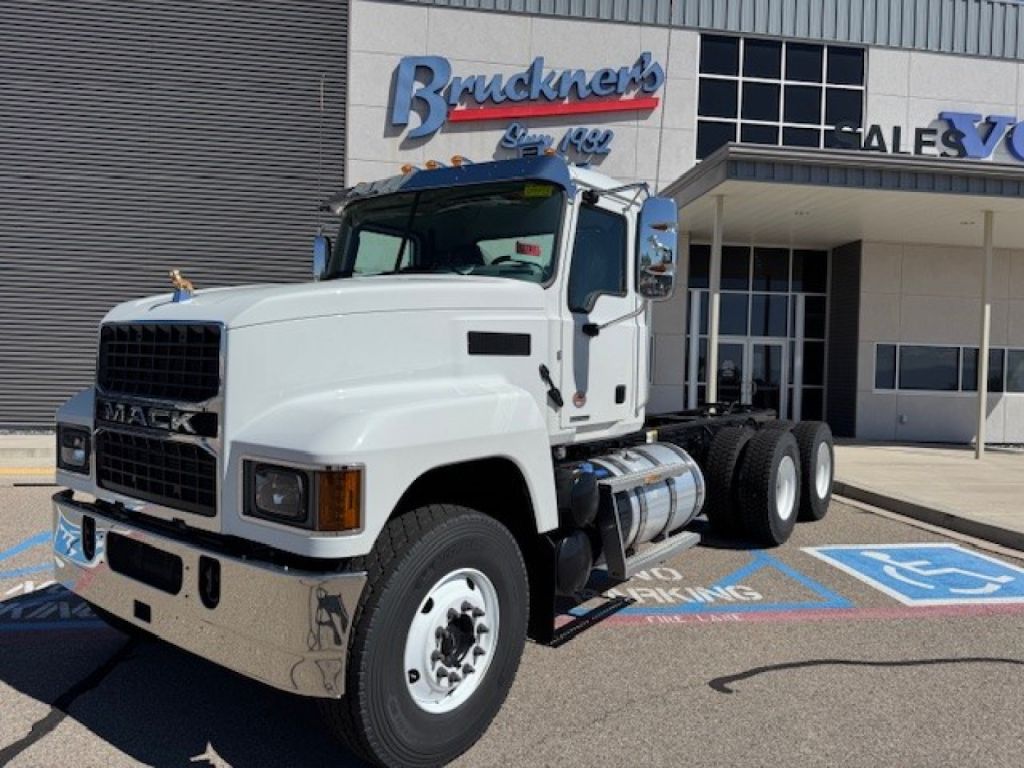
Many heavy-duty tandem day cabs are built with front axles in the 12,000 to 14,600 pound range and rear axles around 40,000 to 46,000 pounds. Air ride suspensions are popular for highway comfort, traction, and load protection, while some vocational builds may use heavier suspensions or locking rears for rougher terrain. Buyers should confirm that the front axle capacity matches any PTO, heavy bumper, or vocational body requirements. Suspension choice also affects ride quality, serviceability, and how the truck performs under changing load conditions.
Why do medium-duty 2026 trucks matter alongside highway tractors?
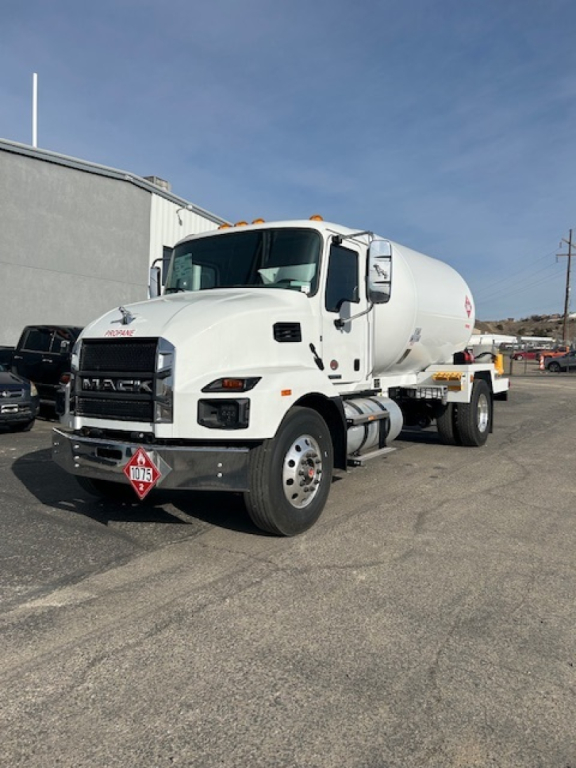
Medium-duty trucks fill jobs that do not need a Class 8 tractor but still demand dependable commercial-grade components. In New Mexico, that includes fuel and propane delivery, utility work, box trucks, flatbeds, dump bodies, and service applications. These trucks often use diesel engines in the 300-plus horsepower range, automatic transmissions, and single rear axles with GVWRs around the Class 7 range. For many fleets, a medium-duty chassis is easier to body, easier to route into urban or residential areas, and less expensive to operate than a larger highway truck.