
New 2026 Commercial Trucks For Sale in Oklahoma
Shop new 2026 trucks for sale in Oklahoma, including vocational and highway models with current specs, emissions systems, and warranty coverage.

Selling a new 2026 commercial truck? List your new 2026 commercial truck for sale and reach thousands of commercial buyers.
New 2026 Commercial Trucks in Oklahoma
For on-highway trucks, common choices include conventional day cabs and conventional sleepers with 6x4 tandem drive configurations, aerodynamic hoods, integrated safety systems, and automated manual transmissions. Key spec points include horsepower and torque ratings, rear axle ratio, fifth wheel setup, fuel capacity, and sleeper size. Oklahoma fleets that run I-35, I-40, and regional lanes into Texas, Kansas, Arkansas, and Missouri often look for a balance between fuel economy and drivability, especially in tractors expected to handle both interstate miles and heavier regional freight. New trucks in this class also tend to bring updated driver-assist features, cleaner packaging around emissions components, and factory warranty coverage that matters to uptime planning.
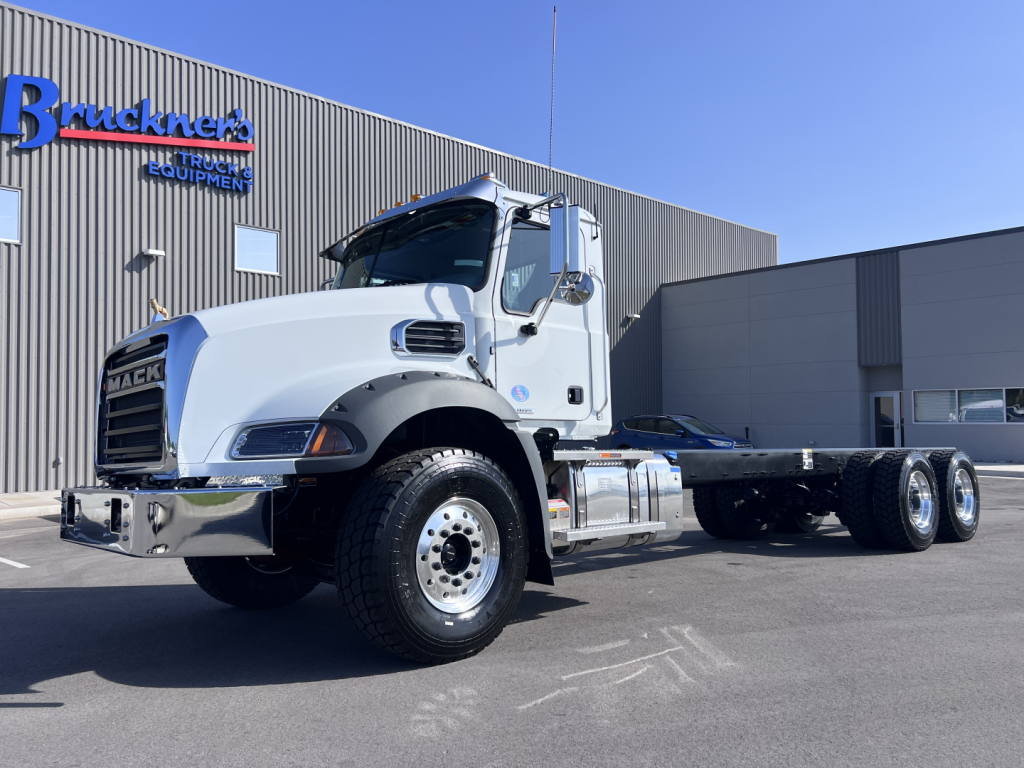
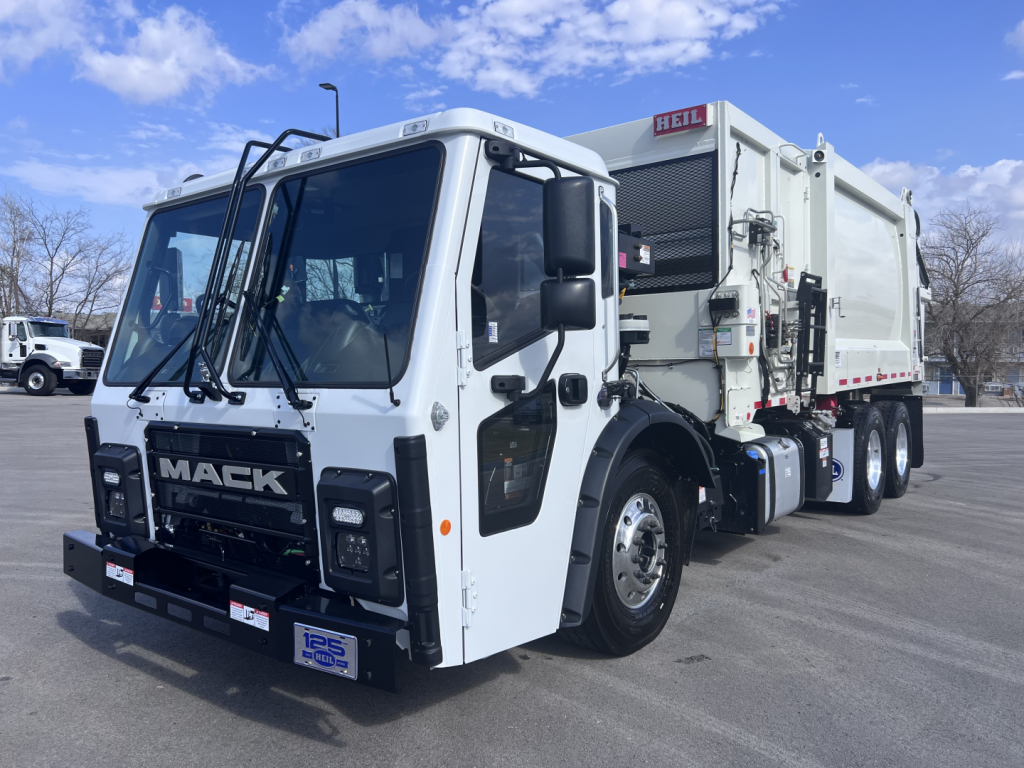
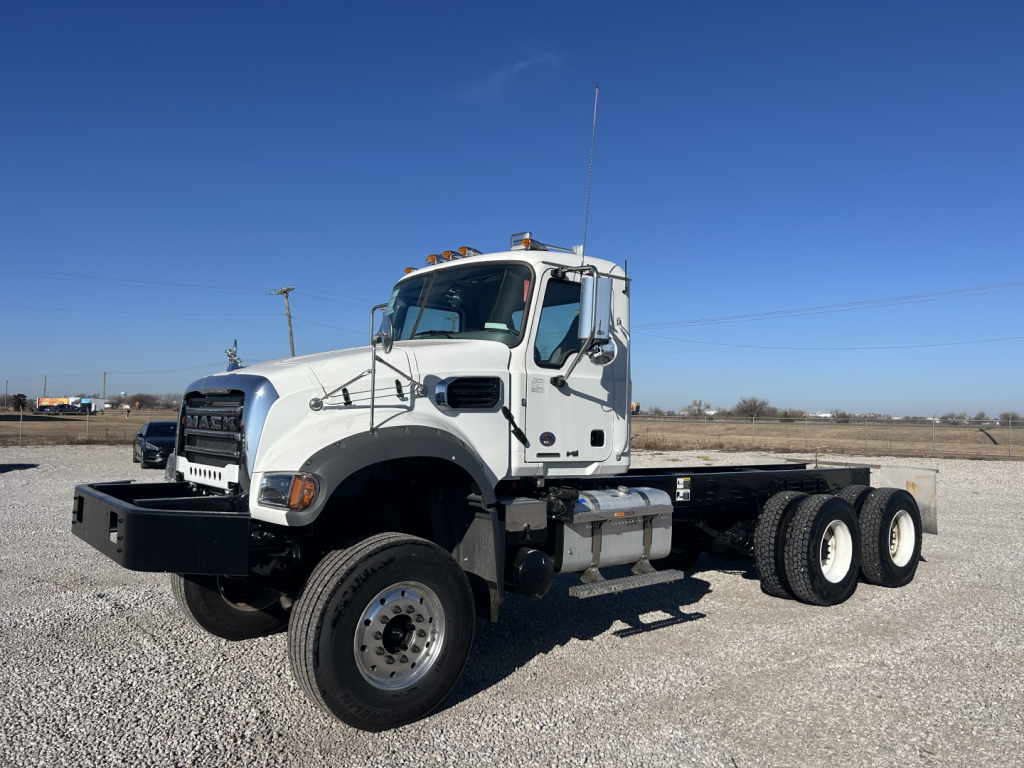
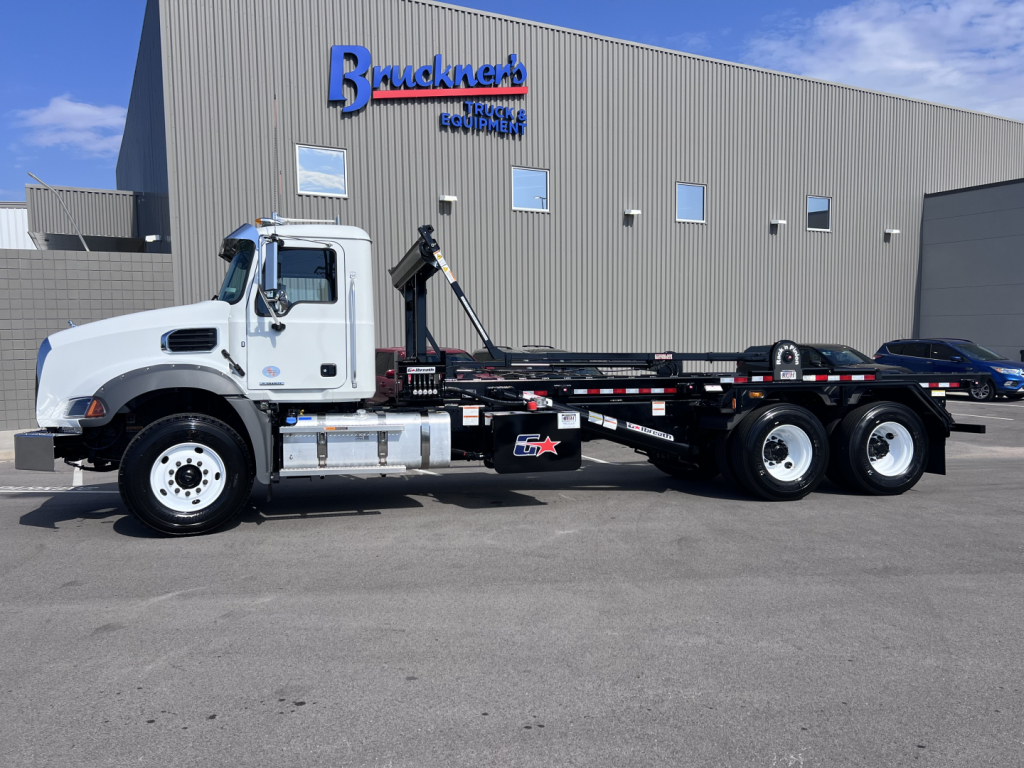
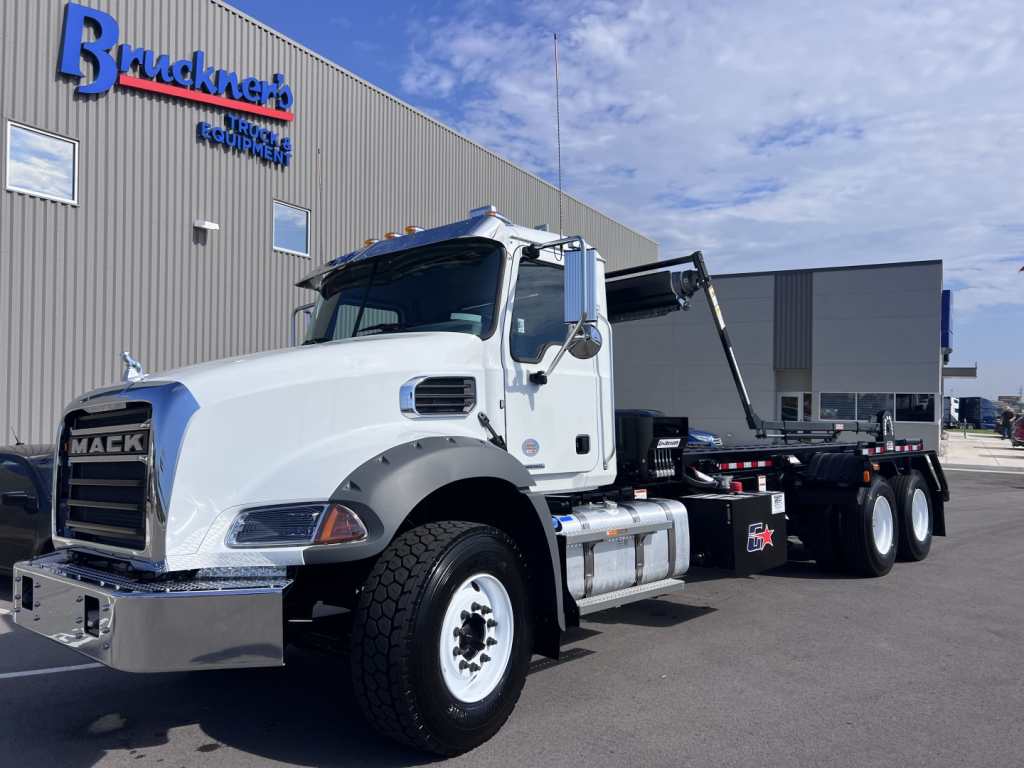
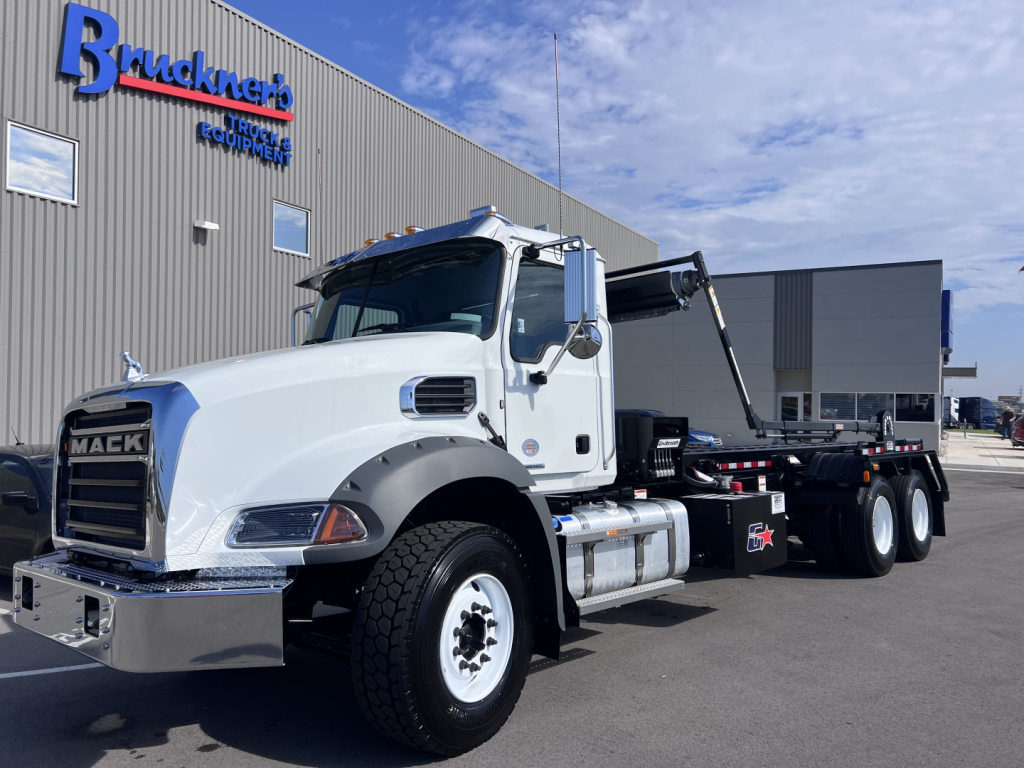
Vocational trucks in the 2026 model year are often built around durability and body integration rather than highway aerodynamics. Buyers shopping roll-off trucks, refuse trucks, or other severe-service chassis should pay close attention to front axle ratings, rear axle capacities, frame strength, transmission choice, and the hydraulic setup needed for the intended body. It is common to see heavy front axles in the 20,000-pound range, tandem rears in the 40,000 to 46,000-pound class, automatic transmissions such as Allison units for stop-and-go work, and engines calibrated for strong low-rpm torque. For refuse and roll-off applications, turning radius, cab visibility, PTO performance, and body manufacturer compatibility can matter just as much as horsepower.
A new truck also gives buyers the chance to match the spec to the route, payload, and maintenance plan from day one. In Oklahoma, that can mean choosing a highway tractor with the right aero package and wheelbase for reefer or van freight, or selecting a vocational chassis that can handle oilfield-adjacent work, construction debris, or municipal collection routes. Look closely at GVWR and GCWR, suspension type, brake package, cab configuration, and any factory-installed telematics or safety technology. The best 2026 truck is the one whose spec sheet fits the work without forcing expensive changes after delivery.
Frequently Asked Questions about New 2026 Commercial Trucks in Oklahoma
What should I compare first when shopping for a new 2026 truck in Oklahoma?
Start with the intended application and duty cycle. A long-haul sleeper tractor, a regional day cab, and a severe-duty vocational truck are built around different priorities. Compare axle ratings, horsepower and torque, transmission type, wheelbase, suspension, PTO provisions, and body compatibility before focusing on brand preference. A truck that is correctly spec'd for its job will usually deliver better uptime, payload performance, and operating cost control than a truck chosen mainly by badge or appearance.
Are new 2026 trucks in Oklahoma mostly highway tractors or vocational trucks?
The market typically includes both. Highway equipment often includes conventional sleepers and day cabs for regional and over-the-road freight, while vocational equipment includes roll-off, refuse, dump, and other work-truck configurations. Oklahoma is a strong market for both categories because fleets here support interstate freight movement as well as construction, municipal, industrial, and energy-related operations. The right choice depends on whether the truck will spend most of its time on the highway, in city routes, or on demanding job sites.
Why do many new vocational trucks use automatic or Allison transmissions?
Automatic transmissions are common in refuse, roll-off, and other stop-and-go applications because they improve drivability, reduce clutch wear, and help with consistency across multiple drivers. Allison automatic transmissions are especially common in severe-service work because they perform well in low-speed operation, frequent starts and stops, and PTO-driven applications. For buyers focused on route efficiency and driver retention, transmission choice can be just as important as engine output.
What axle ratings are common on new severe-duty trucks?
It is common to see heavy vocational chassis with front axles around 20,000 pounds and tandem rear axle ratings in the 40,000 to 46,000-pound range, depending on the body and application. Those numbers matter because they affect legal payload, body selection, and durability in rough service. Buyers should confirm that axle ratings, frame spec, suspension, and tire capacity all support the intended payload and operating environment rather than looking at a single rating in isolation.
What are the main advantages of buying a new 2026 truck instead of an older used truck?
A new 2026 truck gives the buyer current safety technology, full factory warranty support, and the ability to start with a fresh maintenance baseline. It also allows more precision in spec selection, including engine rating, axle ratio, wheelbase, cab configuration, and body-ready options. For many fleets, the biggest advantage is uptime planning. New equipment can reduce early repair exposure and make maintenance scheduling, driver assignment, and lifecycle costing more predictable.