
New 2026 Rolloff Trucks For Sale in Oklahoma
Shop new 2026 rolloff trucks for sale in Oklahoma. Compare hoist capacity, axle ratings, wheelbase, drivetrain, and container handling specs.
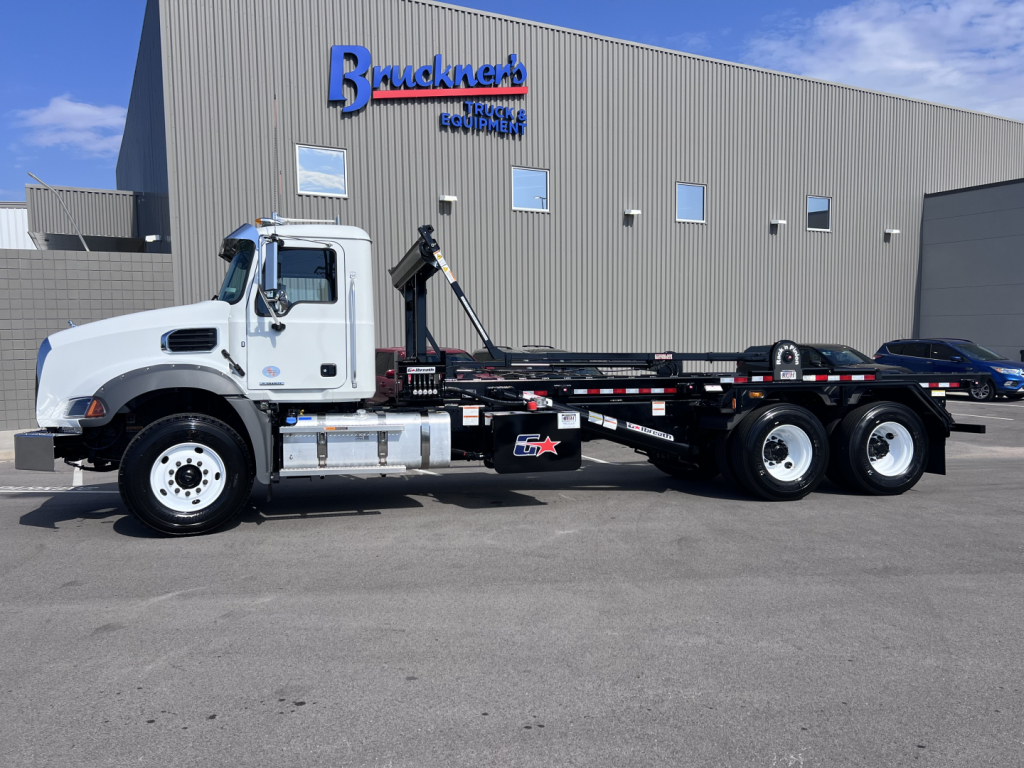
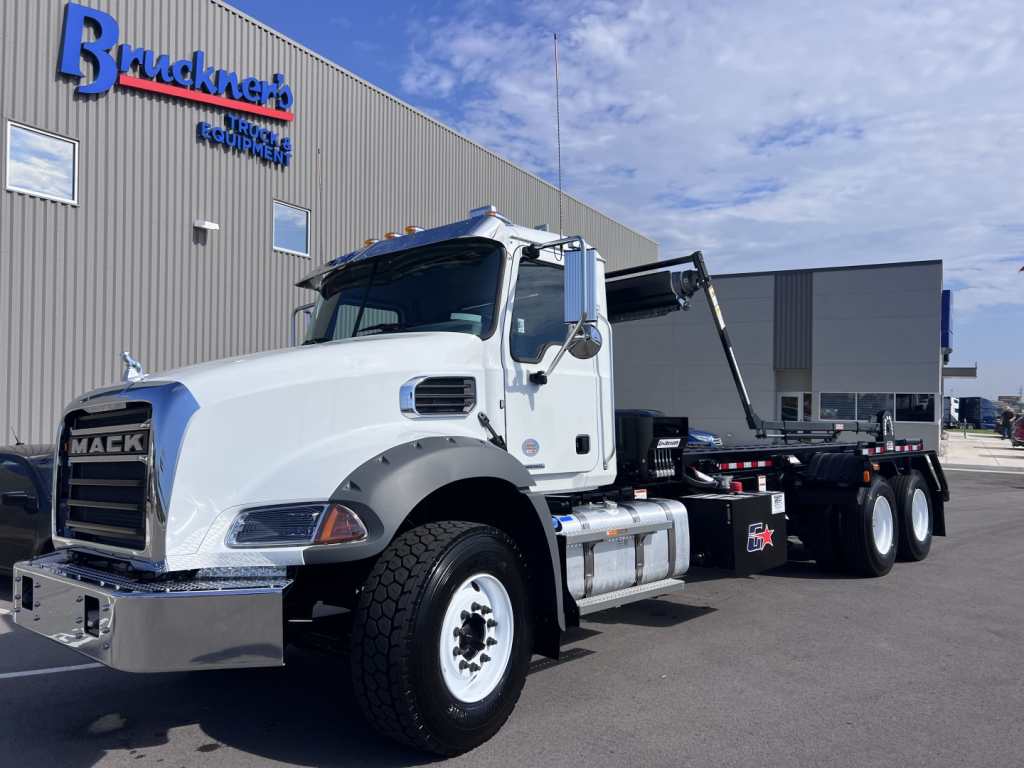
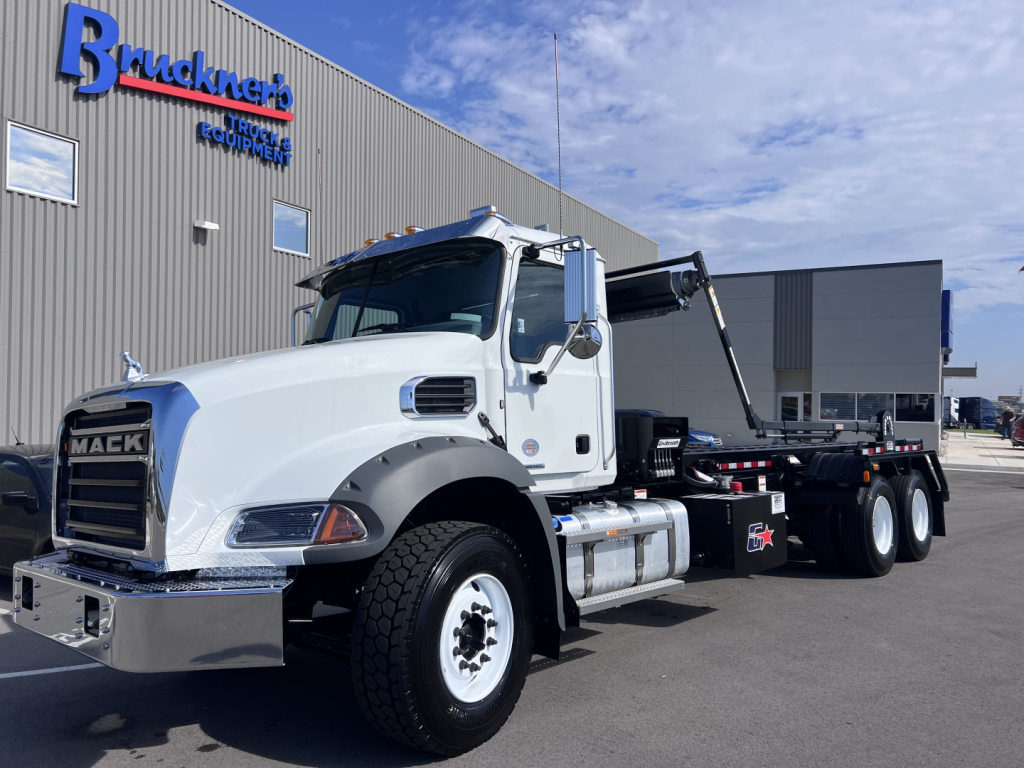
Selling a new 2026 rolloff truck? List your new 2026 rolloff truck for sale and reach thousands of commercial buyers.
New 2026 Rolloff Trucks in Oklahoma
On new rolloff trucks, axle ratings and wheelbase determine how well the truck carries loaded cans and how easy it is to maneuver at transfer stations, job sites, and tight urban pickup points. Oklahoma buyers often focus on 20,000 lb front axles, 46,000 lb rear tandems, heavy multileaf or camelback suspensions, and wheelbases around the mid-250 inch range for a balance of stability and turning radius. Engine and transmission choices are usually straightforward in this segment. A high-torque diesel in the 400 to 450 hp range paired with a proven automatic such as an Allison 4500RDS is a common vocational setup because it handles stop-and-go routes, PTO work, and driver turnover well.
Container compatibility is another major factor. Buyers should confirm intended can lengths, rail width, hook height or cable geometry, and the truck's ability to load, tarp, and transport the container sizes used in their market. New trucks may be configured with outside rail hoists, cable hoists, tarping systems, lift axles, locking differentials, and body up or hoist safety interlocks. Front tire size, rear ratio, frame reinforcement, and fuel tank placement also affect performance and upfit packaging. If the truck will spend time on rough approach angles at landfills or demolition sites, pay close attention to suspension durability, tire selection, ground clearance, and body protection around hydraulic and air components.
A well-spec'd new rolloff truck should match the route, the container fleet, and the legal weight environment, not just the advertised hoist rating. Buyers in Oklahoma often compare vocational chassis such as the Mack Granite because they are built for severe service and can be ordered with the axle, frame, and PTO provisions this application demands. The best value usually comes from matching horsepower, transmission, axle ratio, and hoist capacity to the actual payload cycle. An overbuilt truck can cost payload and fuel, while an underspec'd truck will show its limits quickly in frame stress, brake wear, and slow cycle times.
Frequently Asked Questions about New 2026 Rolloff Trucks in Oklahoma
What hoist capacity is common on a new rolloff truck?
On new heavy-duty rolloff trucks, 60,000 lb to 75,000 lb hoist capacities are common, especially on tandem axle vocational chassis. The right rating depends on the size of the containers, the material being hauled, and how often the truck will work near maximum load. Hoist capacity should be evaluated with axle ratings, frame spec, and legal gross weight, because the hoist alone does not determine what the truck can carry on the road.
What chassis specs matter most on a 2026 rolloff truck?
Front axle rating, rear axle rating, frame strength, wheelbase, suspension, engine torque, transmission, and rear axle ratio are the big items. Many buyers in this class look for a 20,000 lb front axle, 46,000 lb rears, a severe-duty frame, and an automatic transmission that handles frequent stops and PTO operation. These specs affect payload balance, durability, maneuverability, and how the truck performs when loading heavy containers on uneven ground.
Is an automatic transmission a good choice for a rolloff application?
Yes. Automatic transmissions are widely used in rolloff service because they reduce driver fatigue, improve consistency in stop-and-go operation, and work well with PTO-driven hydraulic systems. Units such as the Allison 4500RDS are common because they are proven in vocational service and simplify operation for fleets with multiple drivers. A properly matched automatic can also help reduce clutch wear and improve drivability on job sites and at transfer stations.
How do I choose the right wheelbase for a rolloff truck?
Wheelbase should match the hoist design, container lengths, axle spacing, and the operating environment. A longer wheelbase can improve container stability and body fitment, but too much length can hurt maneuverability in alleys, job sites, and urban service routes. A mid-range wheelbase is often chosen on tandem axle rolloff trucks because it gives a workable balance between turning radius, bridge compliance, and hoist installation requirements.
What should Oklahoma buyers pay attention to on a new rolloff truck?
Oklahoma buyers should pay close attention to legal weight compliance, suspension durability, cooling performance, and traction for mixed paved and unpaved routes. Landfill approaches, construction sites, and seasonal weather can all affect tire choice, differential spec, and suspension selection. It is also important to confirm the truck matches the container fleet already in service, including can length, rail setup, and tarp requirements, so the new unit integrates cleanly into daily operations.