
New 2026 Rolloff Trucks For Sale
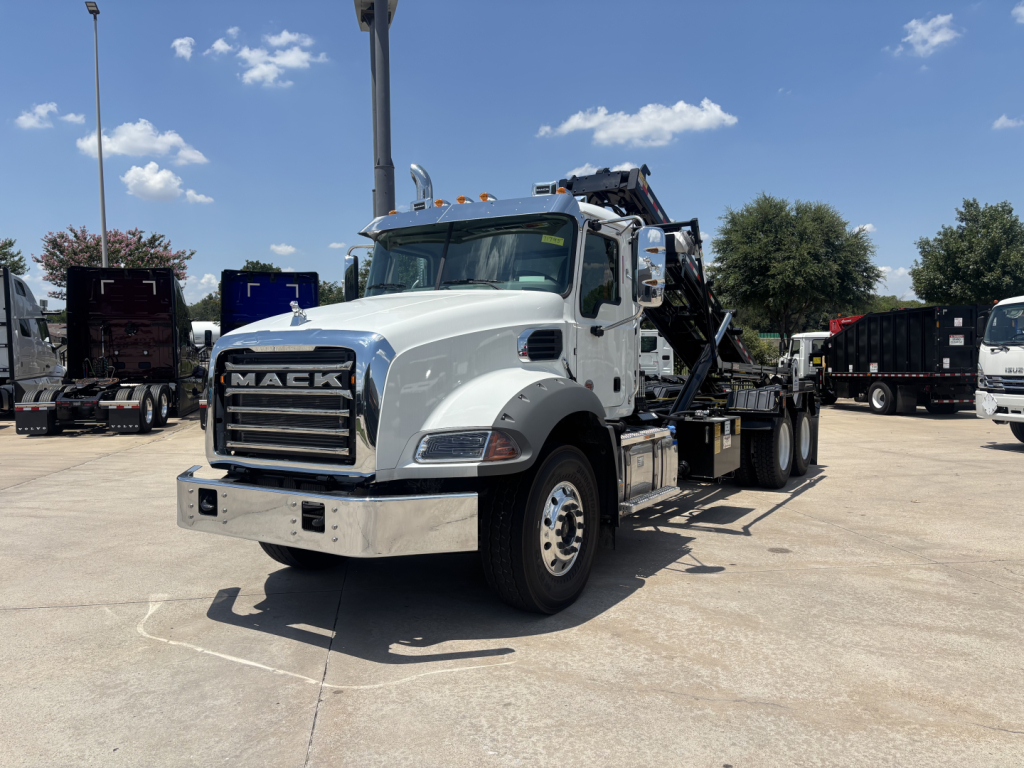
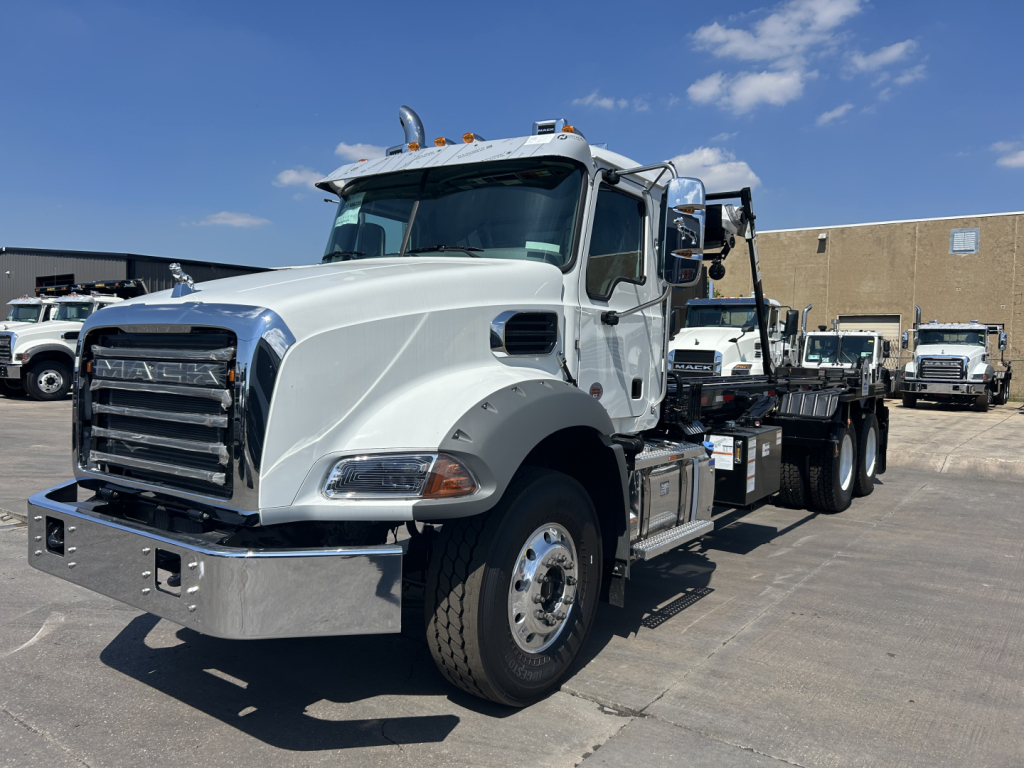
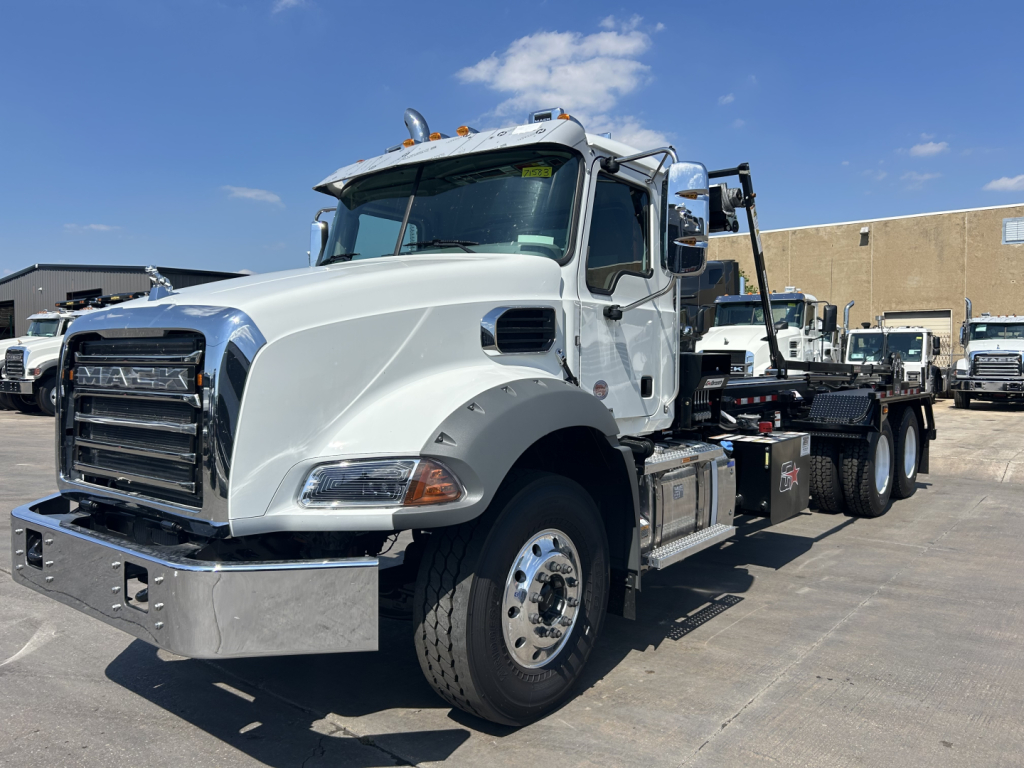
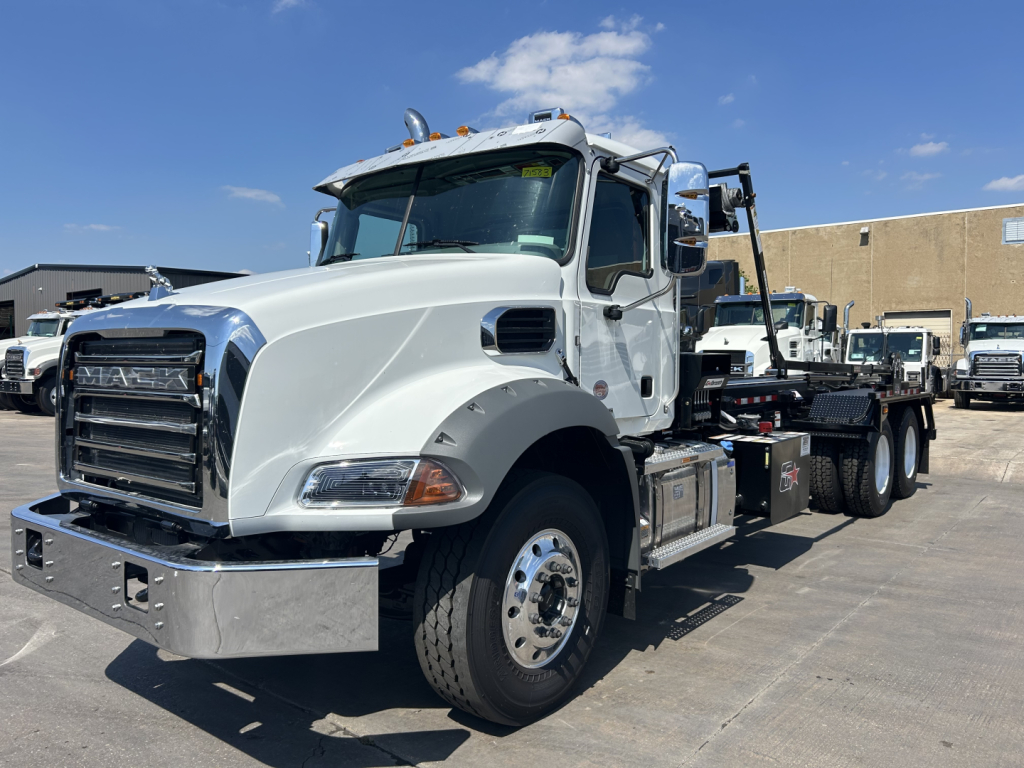
Shop new 2026 rolloff trucks for waste, scrap, demolition, and container hauling. Compare hoist types, axle setups, ratings, and chassis specs.
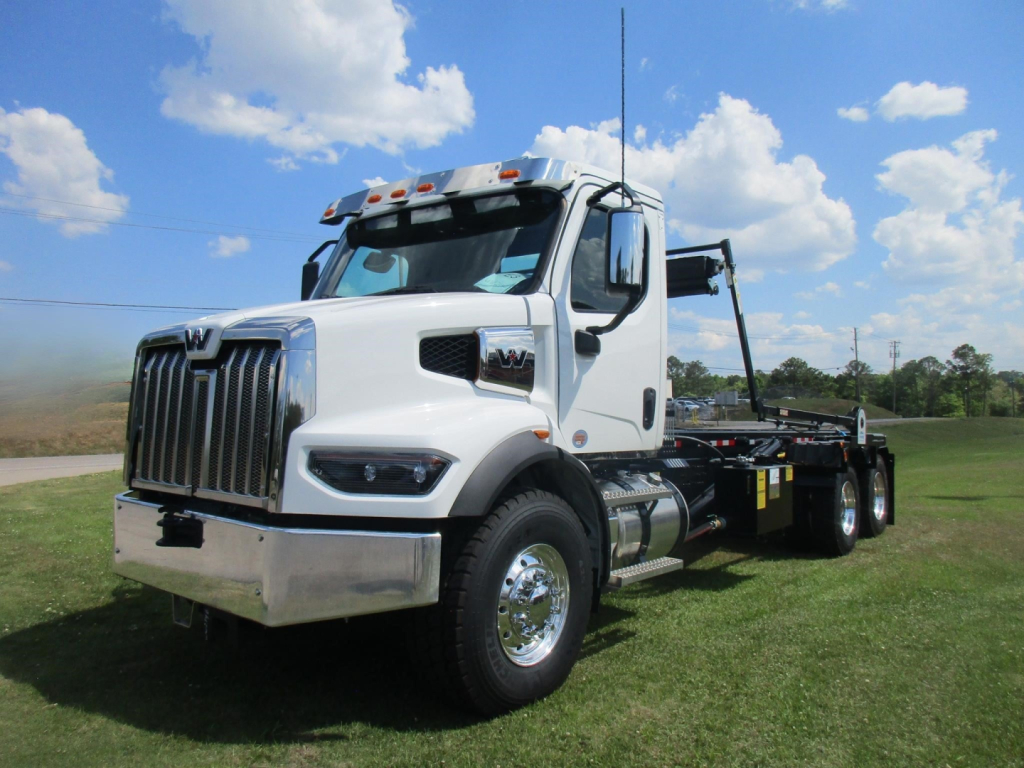
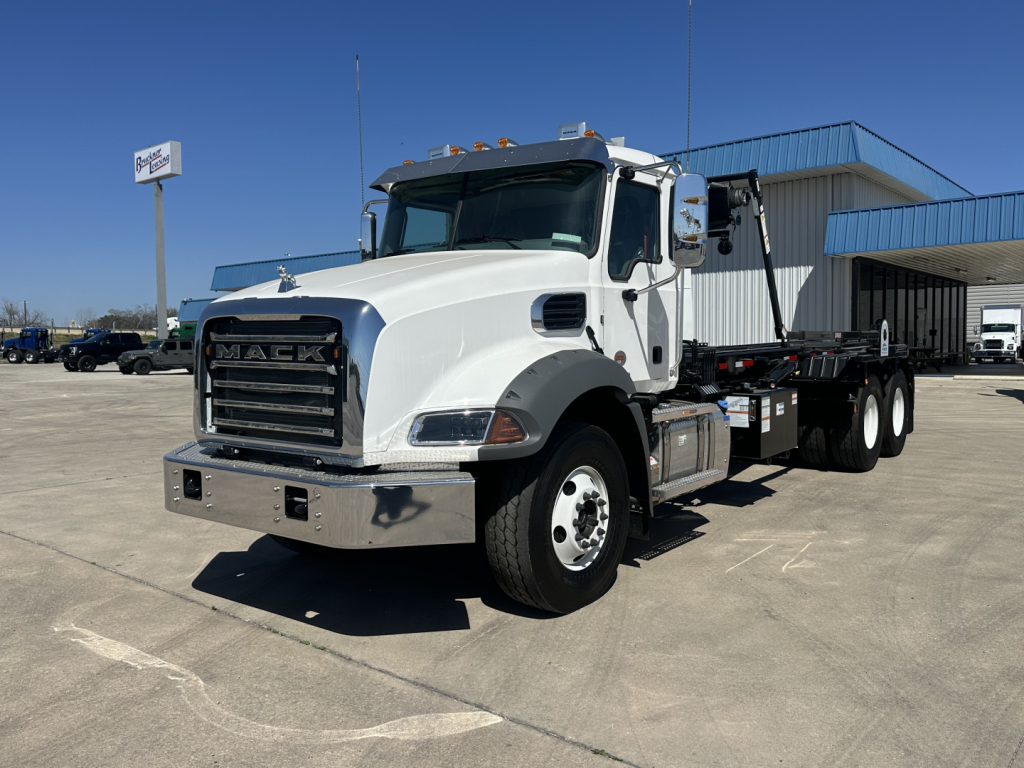
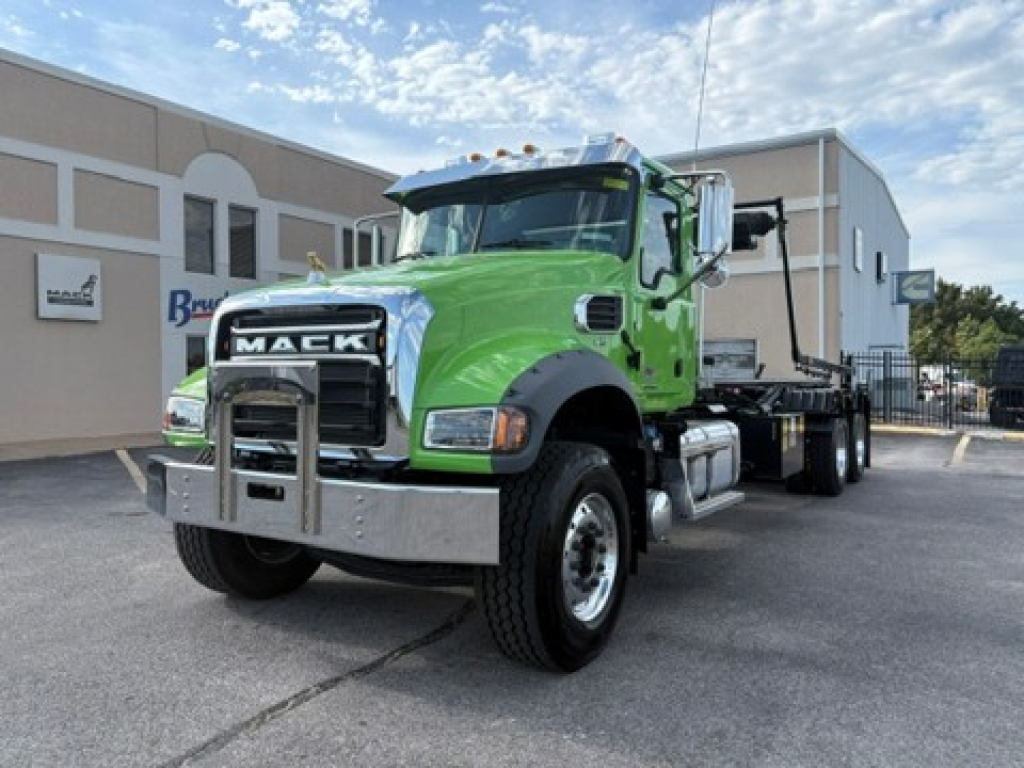
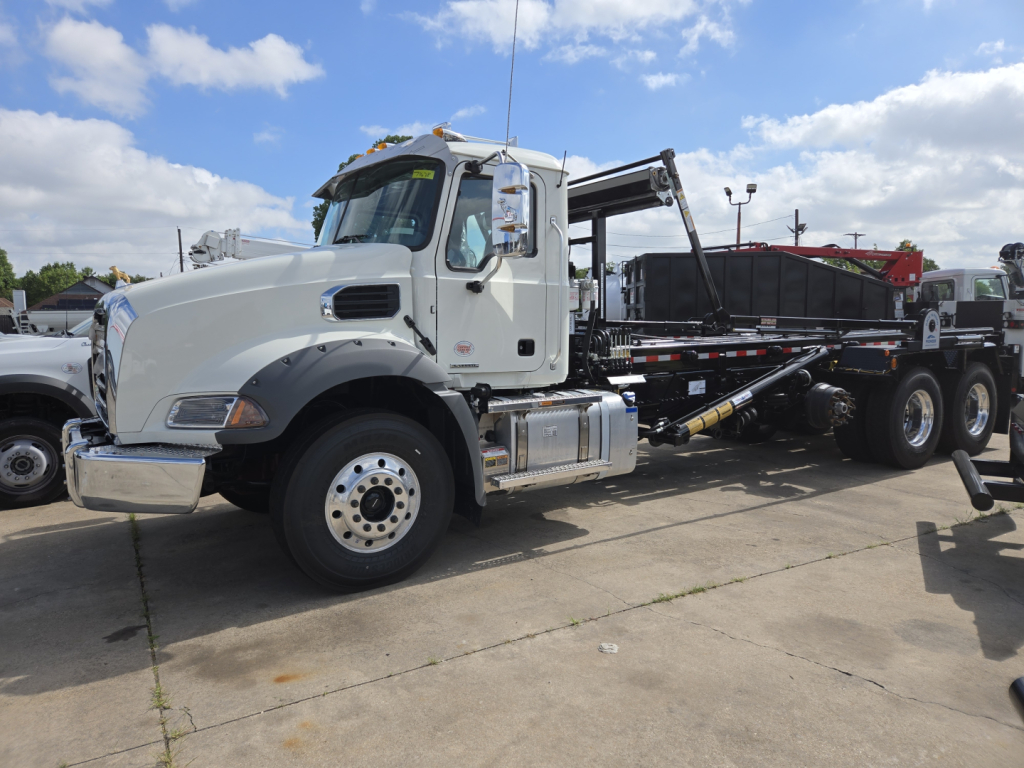
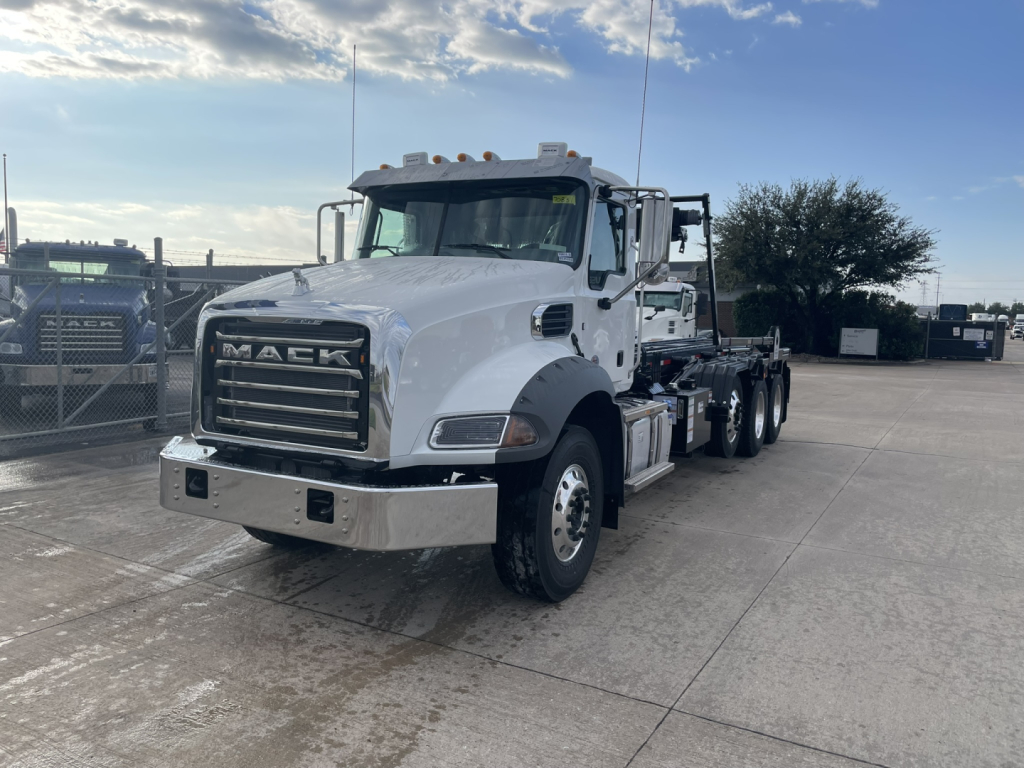
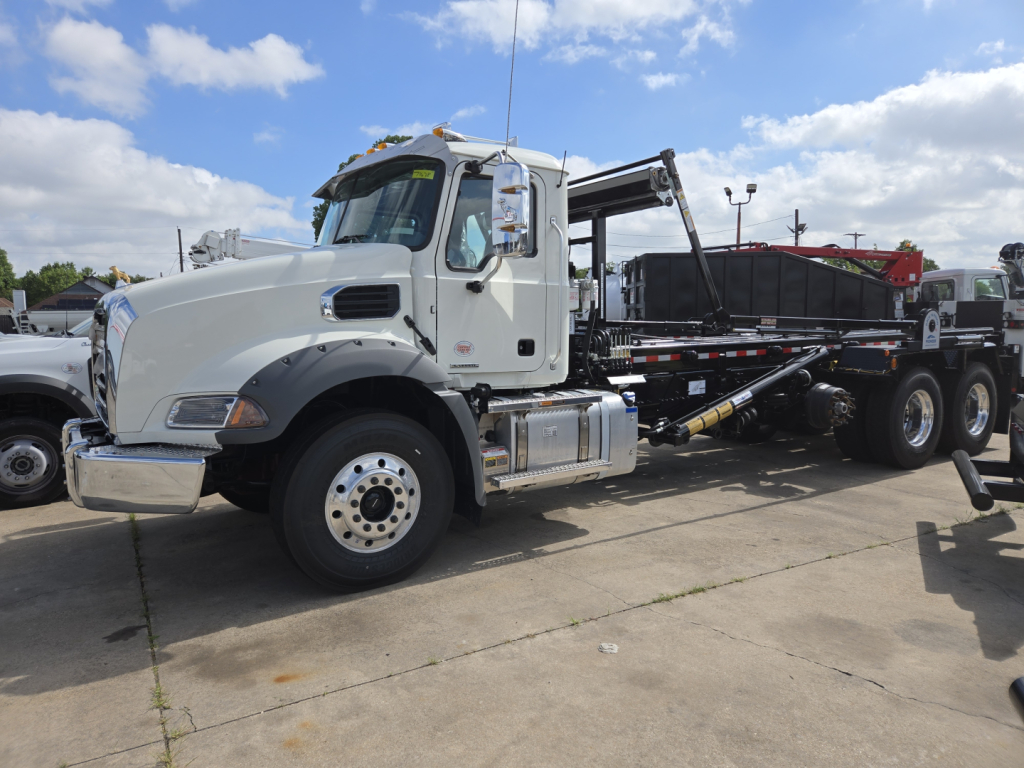
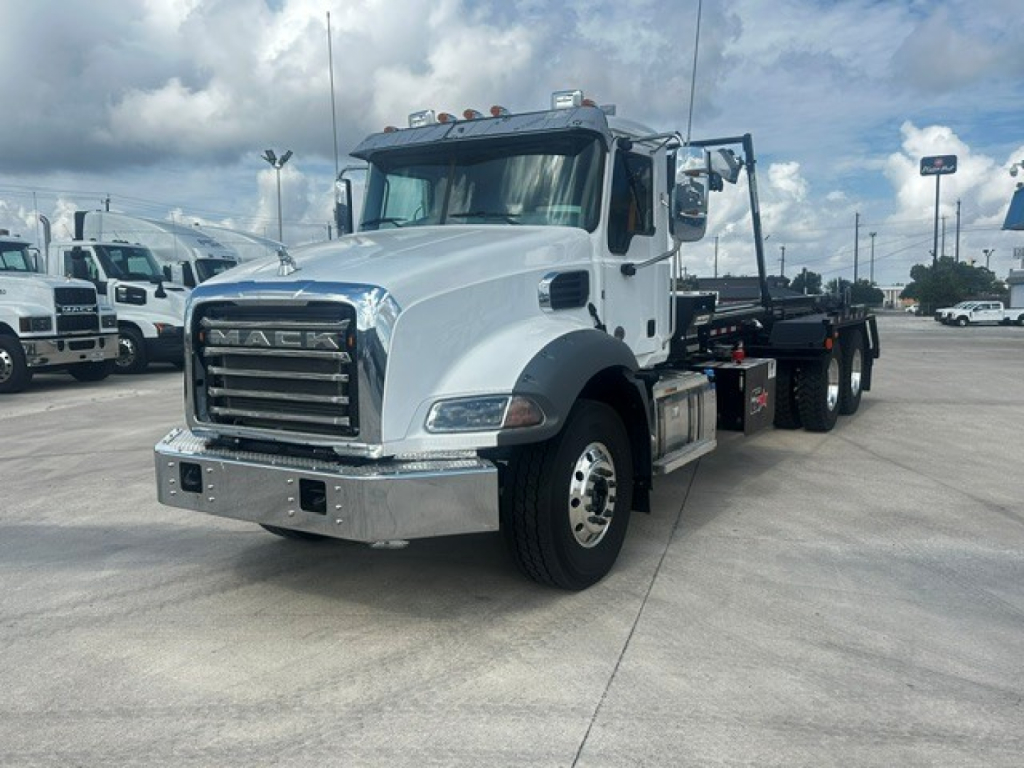
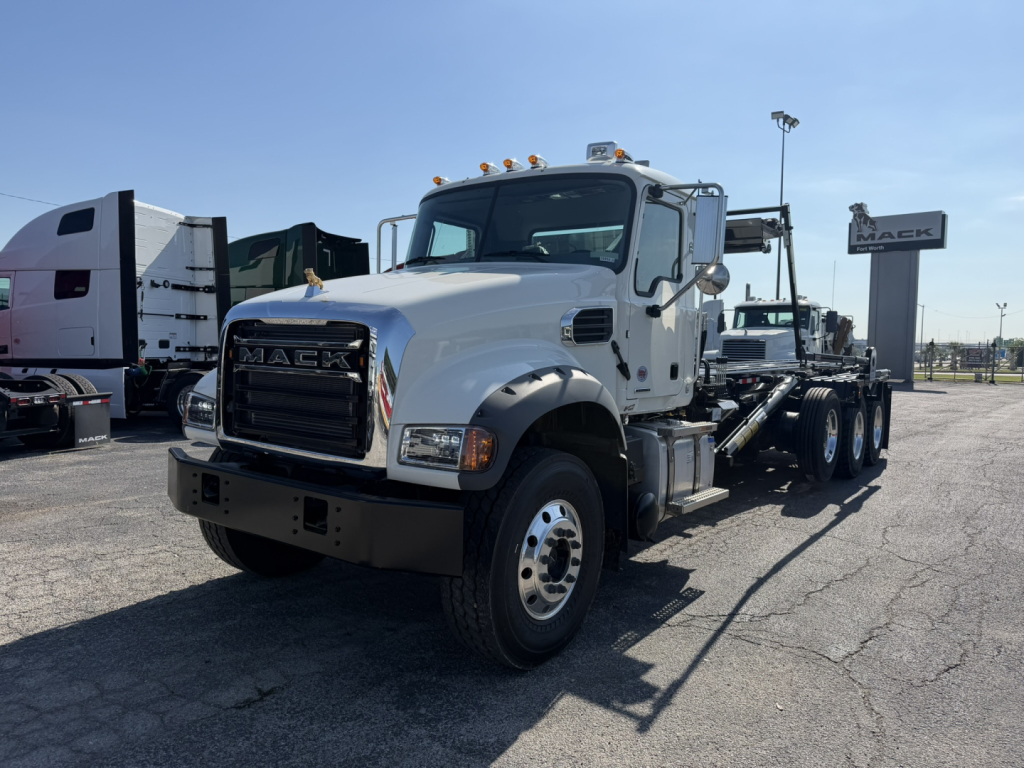
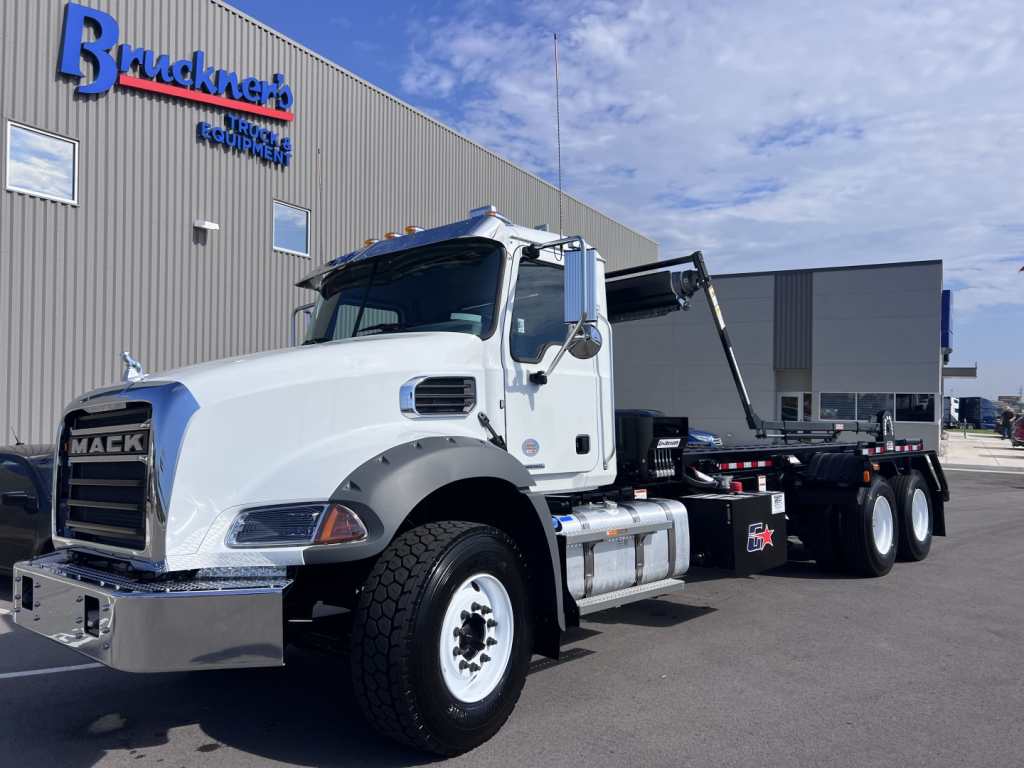
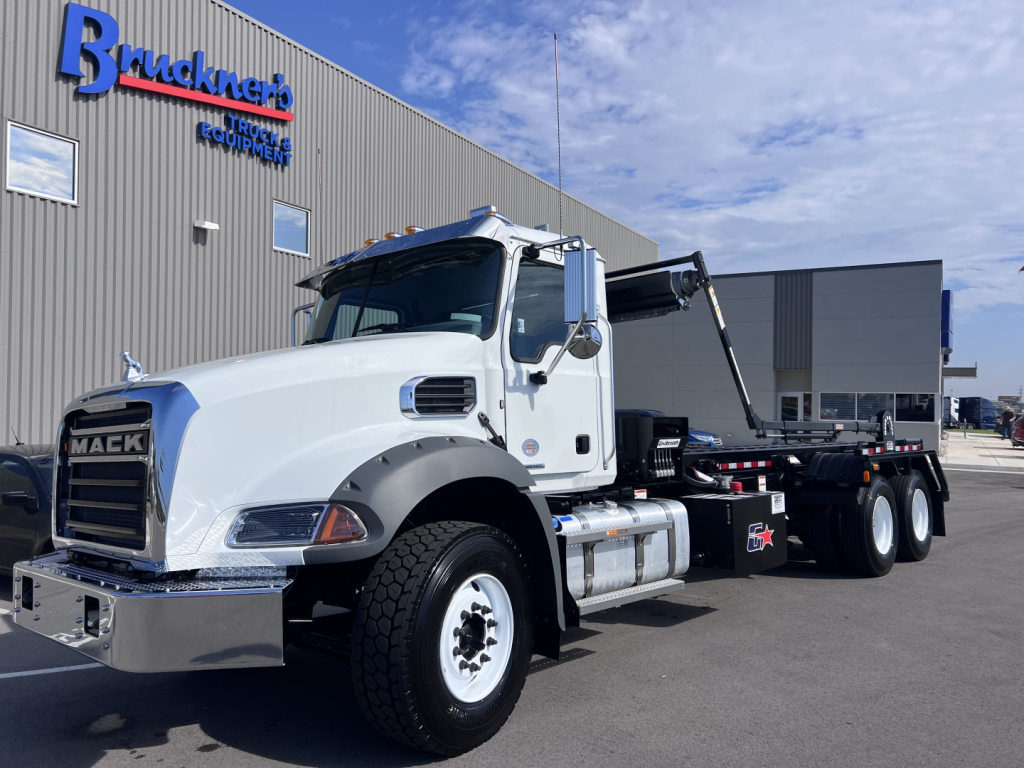

Showing 1 to 28 of 31 results
Selling a new 2026 rolloff truck? List your new 2026 rolloff truck for sale and reach thousands of commercial buyers.
New 2026 Rolloff Trucks
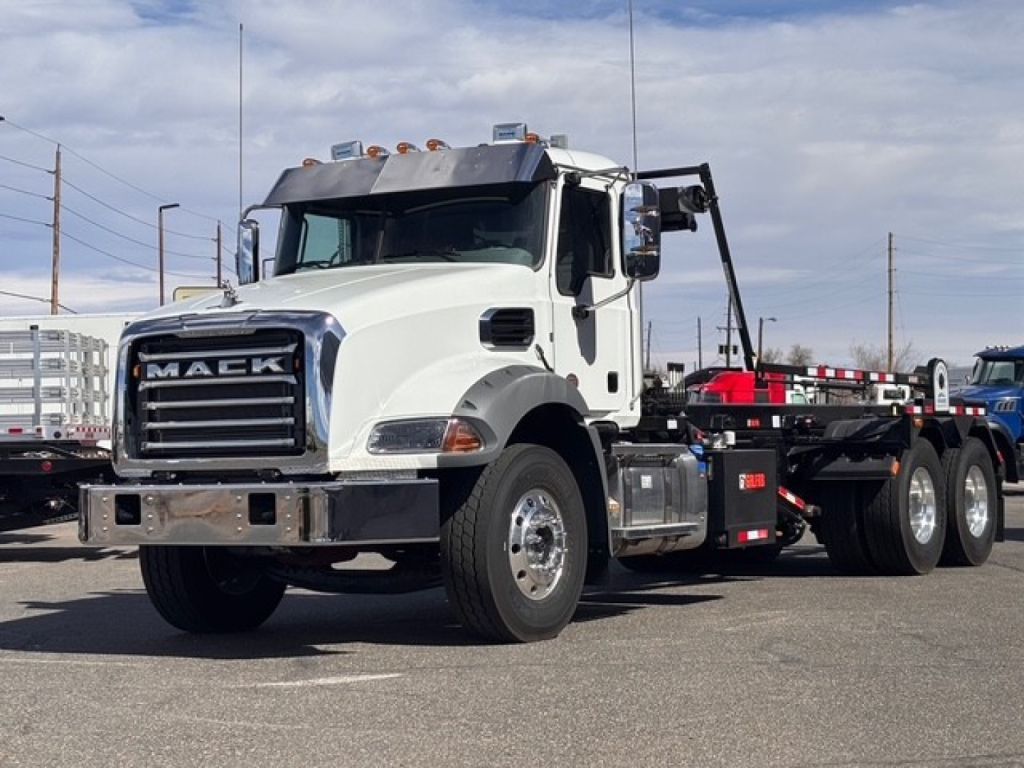
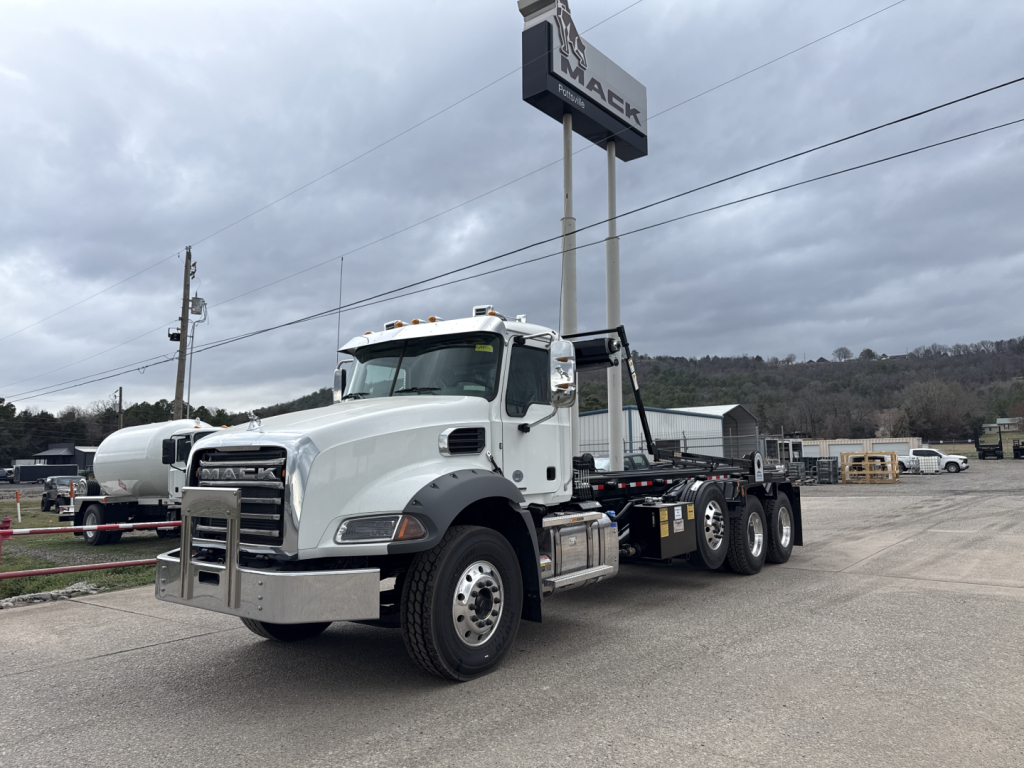
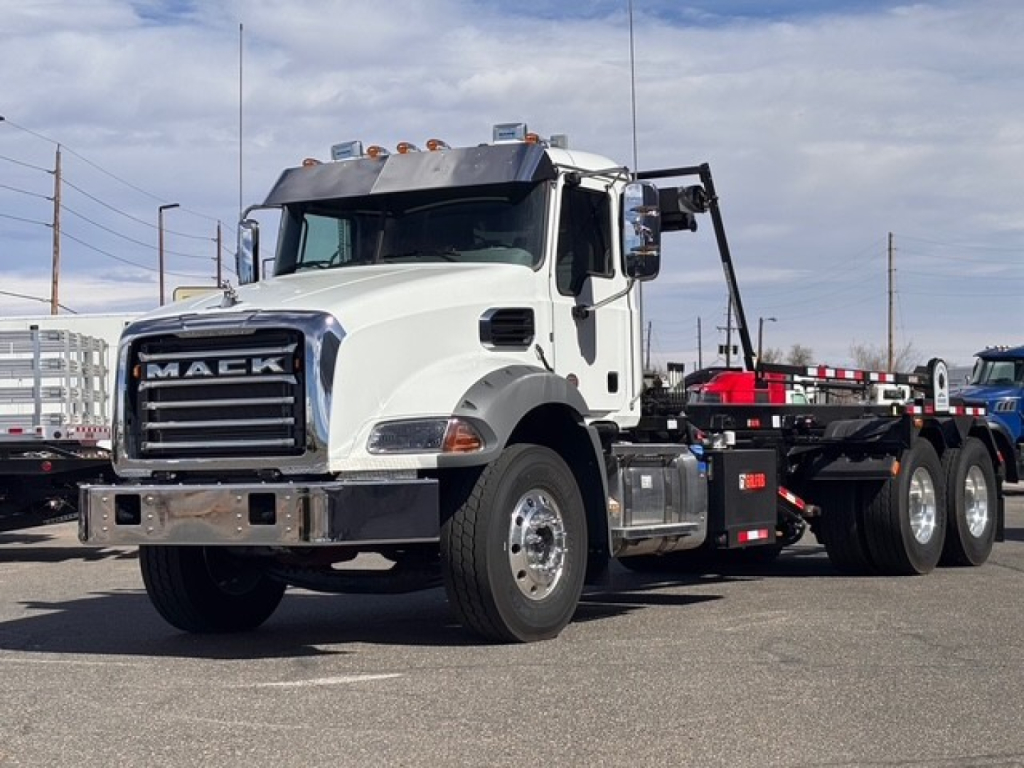
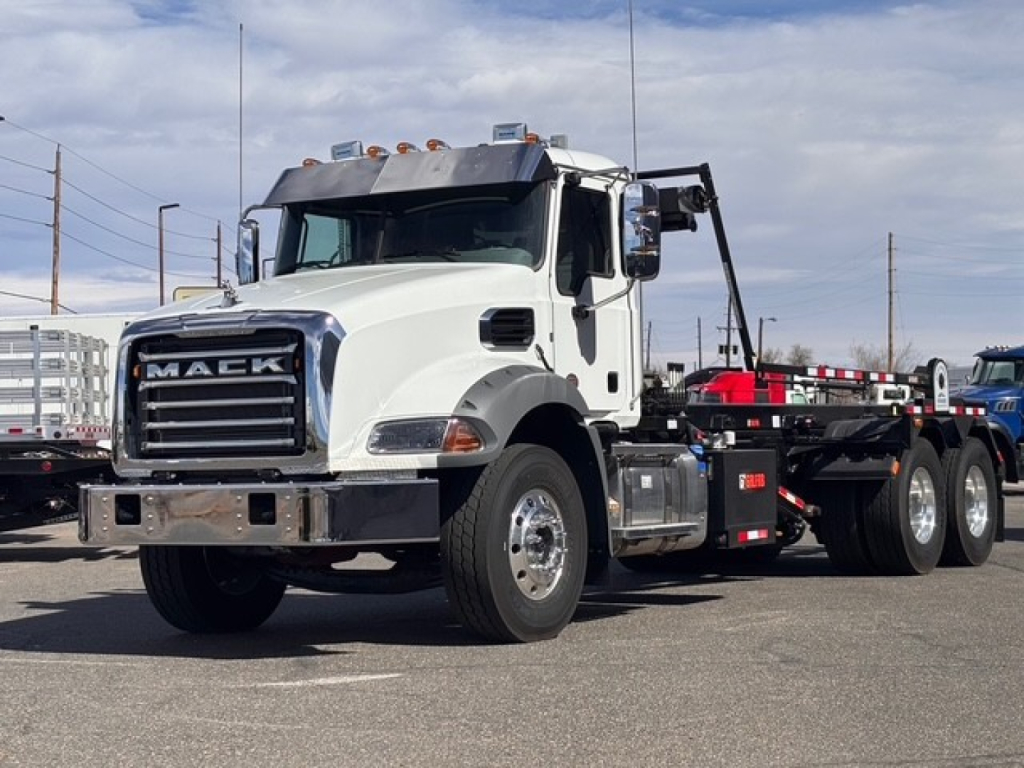
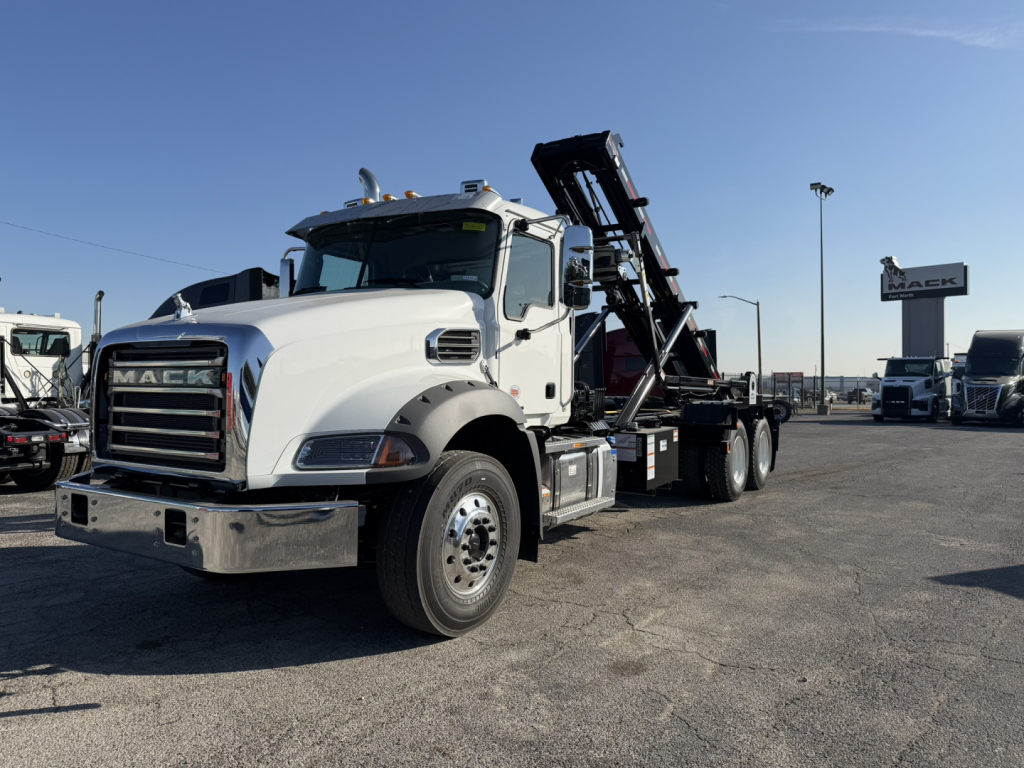
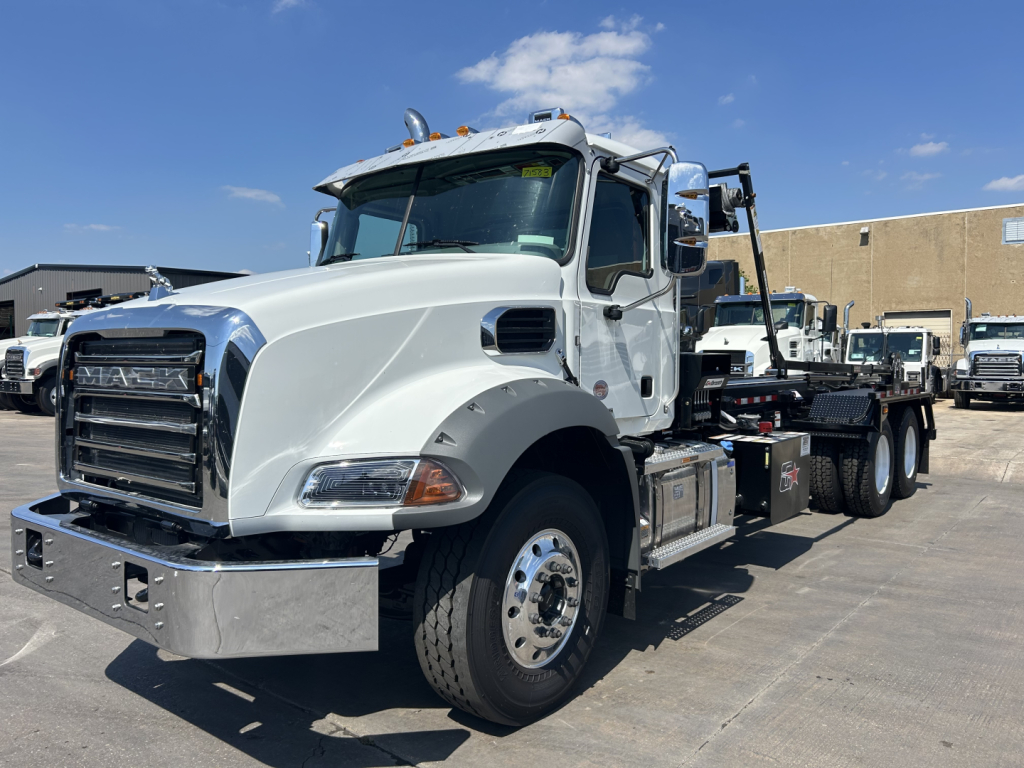
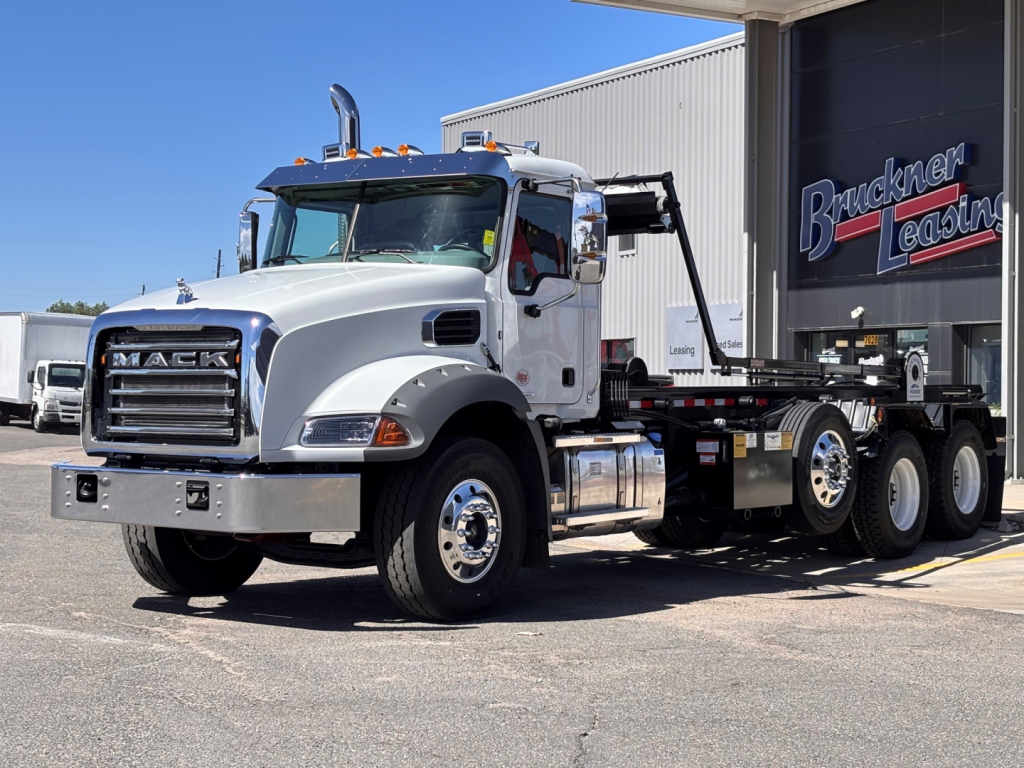
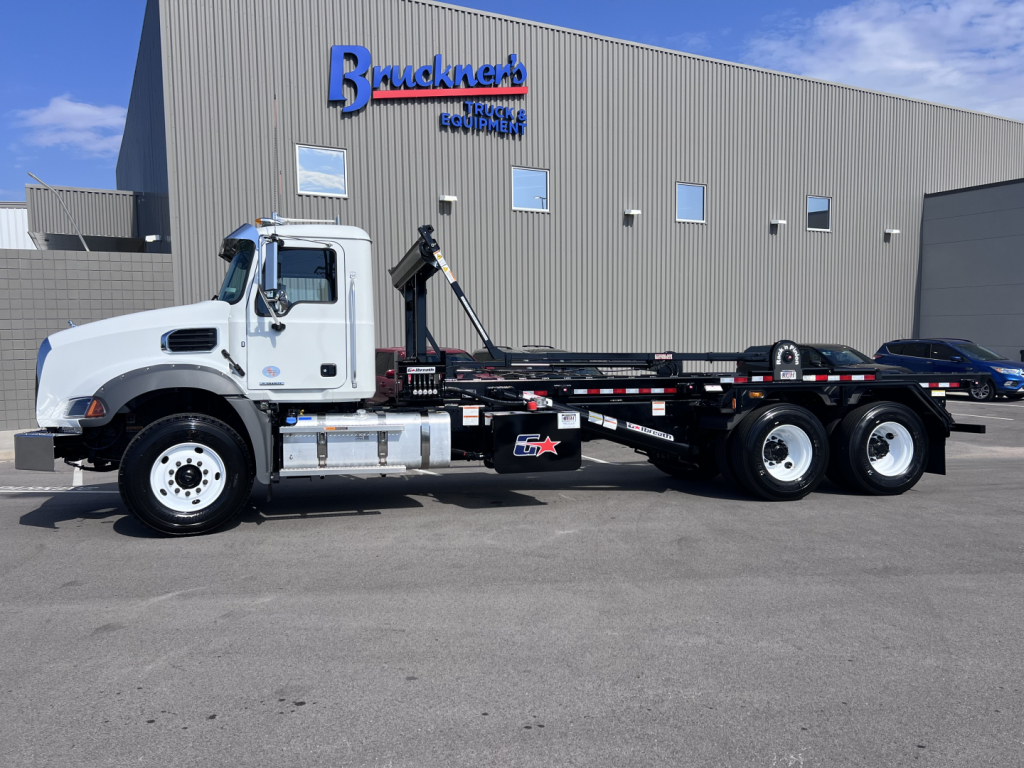
Most new rolloff trucks are spec'd as Class 8 vocational units with tandem rear axles, high-GCWR drivetrains, and frame reinforcements designed for repeated loading cycles. Typical considerations include axle ratings, bridge law compliance, suspension type, PTO setup, and the balance between legal payload and durability. Buyers should pay close attention to hoist capacity, inside rail width, cable or hook rating, jib length, and container range. A truck that will stay local on transfer routes may be spec'd differently than one working urban alleys, tight jobsites, or landfill runs with frequent stop-and-go duty. Wheelbase, back-of-cab to axle dimension, and turning radius all affect how easily the truck spots cans in confined areas.
Cab and chassis decisions have a major impact on operating cost. Diesel engines in the vocational range are typically paired with Allison automatic or automated manual transmissions, with gearing selected for launch performance rather than highway speed. Heavy front axles, lift axles, locker options, and vocational suspensions can all make sense depending on container weight and route density. Inside the body system, look for proven hydraulic components, clean hose routing, accessible valve banks, and controls that are simple for drivers to use in poor weather or low-light conditions. Safety features such as tarping systems, backup cameras, work lights, body up alarms, and interlocks are worth close review because rolloff service involves frequent backing, uneven ground, and constant interaction with containers.
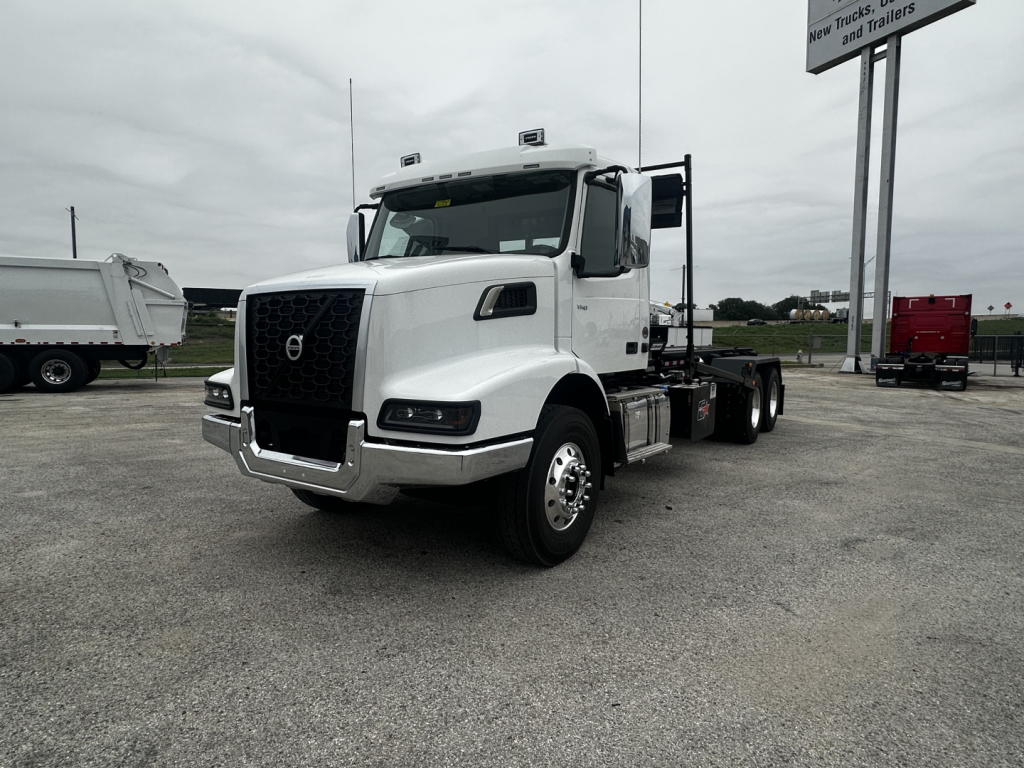
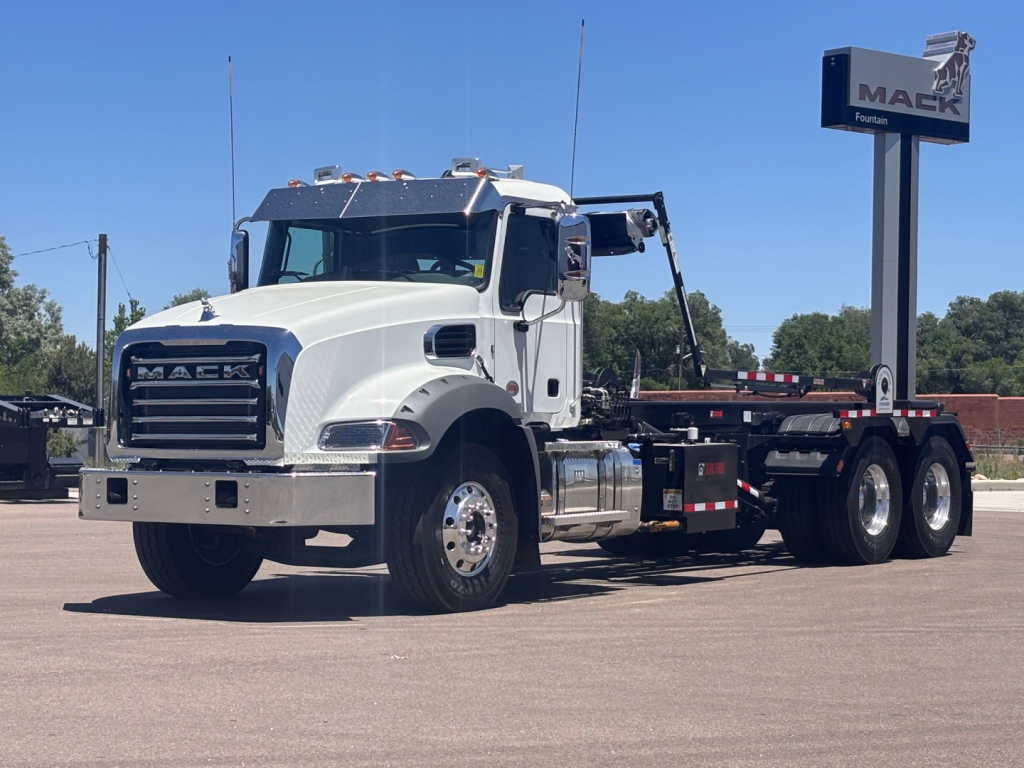
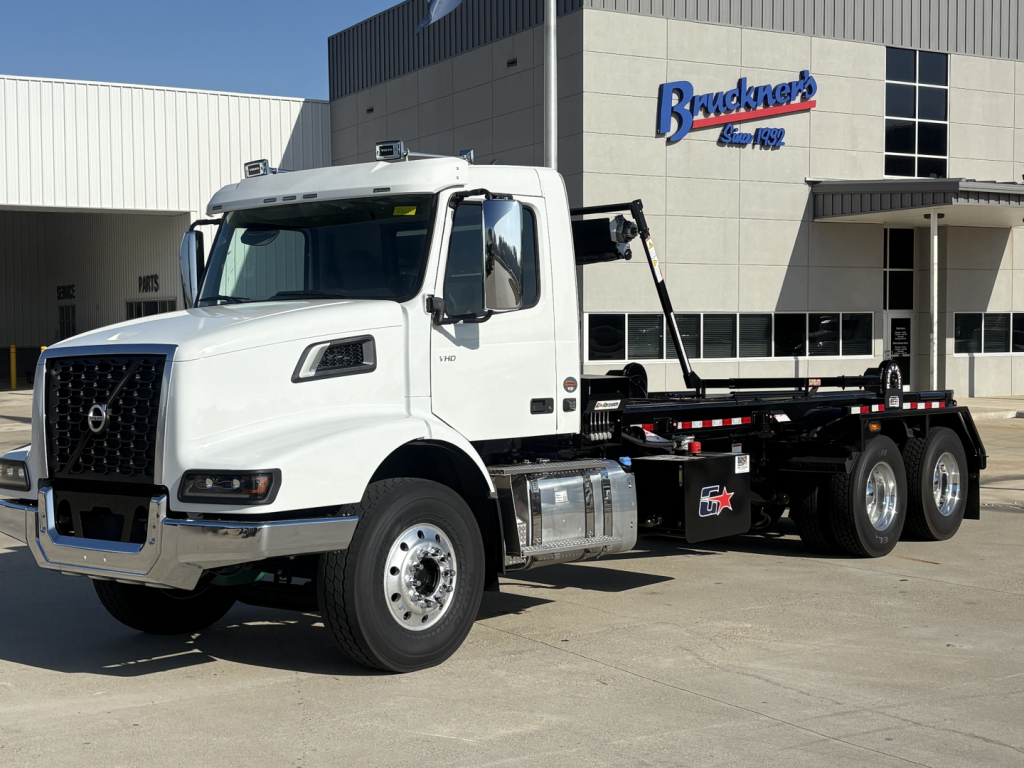
For a buyer comparing new 2026 rolloff trucks, the best spec is the one that matches the container fleet and the route, not just the highest published rating. A truck used for construction debris may need different frame, suspension, and hoist tuning than one cycling scrap bins or municipal open-tops all day. Mack vocational chassis are a familiar fit in this segment because they are commonly ordered for severe-duty work, but the real buying decision should center on hoist design, payload target, service access, and how the truck will perform after thousands of load cycles. A properly spec'd rolloff truck should load cleanly, track straight under load, and hold up to repeated container swaps without excessive frame stress or hydraulic downtime.
Frequently Asked Questions about New 2026 Rolloff Trucks
What is the difference between a cable rolloff truck and a hooklift truck?
A cable rolloff truck uses a winch and cable to pull rolloff containers onto rails, and it is commonly used for traditional open-top waste and debris containers. A hooklift uses a hydraulic jib with a hook to pick up compatible bodies and containers, which allows faster changeovers and more body versatility. The right choice depends on the container fleet already in service, the type of material being hauled, and whether the truck needs to run only rolloff cans or multiple interchangeable bodies.
What container sizes can a rolloff truck typically handle?
That depends on the hoist design, rail length, and chassis dimensions, but many rolloff trucks are built to handle a range of common container lengths used in waste and construction work. Buyers should verify the minimum and maximum container length, hoist capacity, hook height or cable setup, and any body overhang limitations before matching a truck to a can fleet. Compatibility is a spec issue, not a universal standard, so container dimensions should always be checked against the hoist manufacturer data.
What chassis specs matter most on a new rolloff truck?
The most important chassis specs are axle ratings, wheelbase, frame strength, suspension, PTO and hydraulic integration, and the drivetrain’s ability to launch heavy loads repeatedly. Front axle capacity matters more than many buyers expect because container loading can transfer significant weight forward during the hoist cycle. Wheelbase and back-of-cab dimensions also matter because they affect hoist fitment, legal weight distribution, and maneuverability at transfer stations, jobsites, and landfill approaches.
Are tandem axle rolloff trucks better than single axle models?
Tandem axle rolloff trucks are generally preferred for heavier containers, higher legal payloads, and severe-duty vocational work. A single axle truck can make sense for lighter applications, tighter urban routes, or operations that prioritize maneuverability over maximum capacity. The better setup depends on the average loaded container weight, local bridge and axle laws, and the amount of off-road or uneven-surface operation the truck will see.
What should buyers inspect on a new rolloff truck besides engine and mileage?
On a new rolloff truck, the hoist system deserves as much attention as the chassis. Buyers should look closely at hydraulic cylinder sizing, hose protection, control layout, rail construction, rear rollers, container stops, tarping integration, lighting, and safety interlocks. Service access is also important because a truck that is easy to maintain will usually spend more time working and less time waiting on hydraulic or electrical repairs.