
New 2026 Mack Rolloff Trucks For Sale
Shop new 2026 Mack rolloff trucks built for waste and scrap hauling, with heavy-duty hoists, Mack power, and vocational-ready specs.
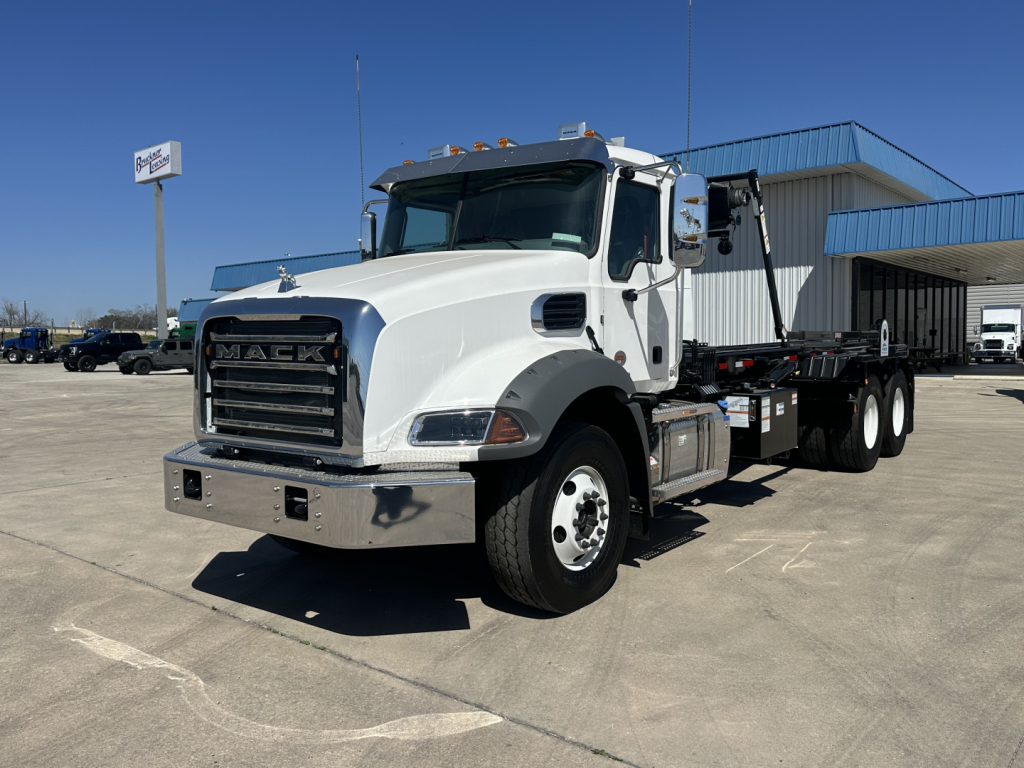
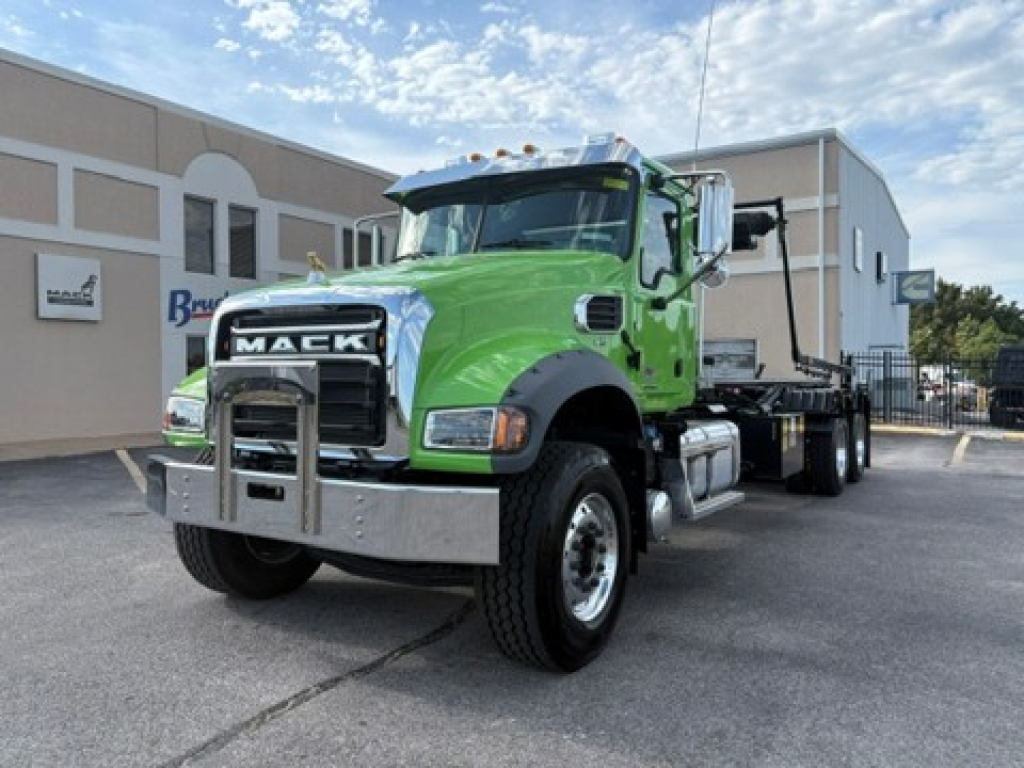
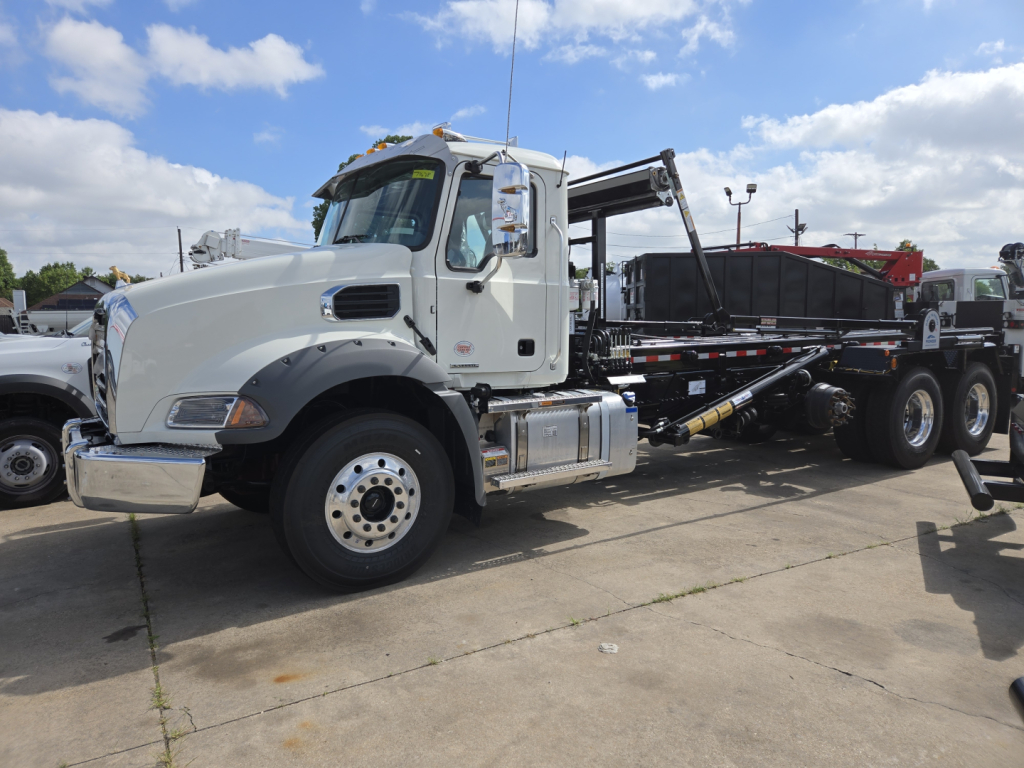
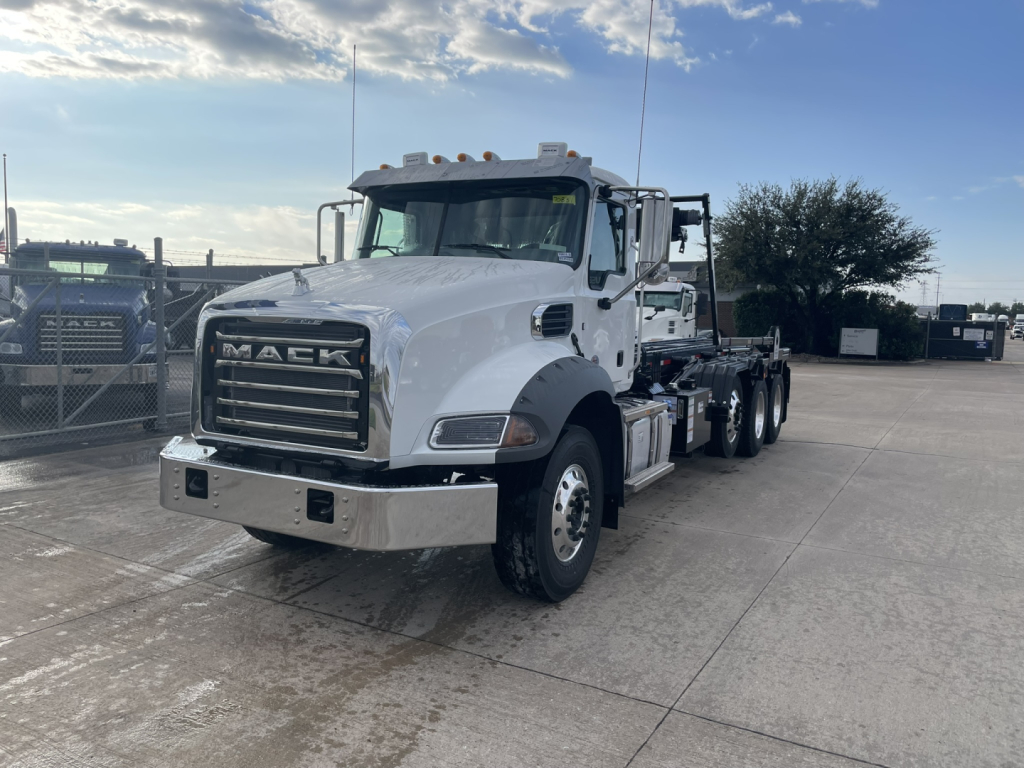
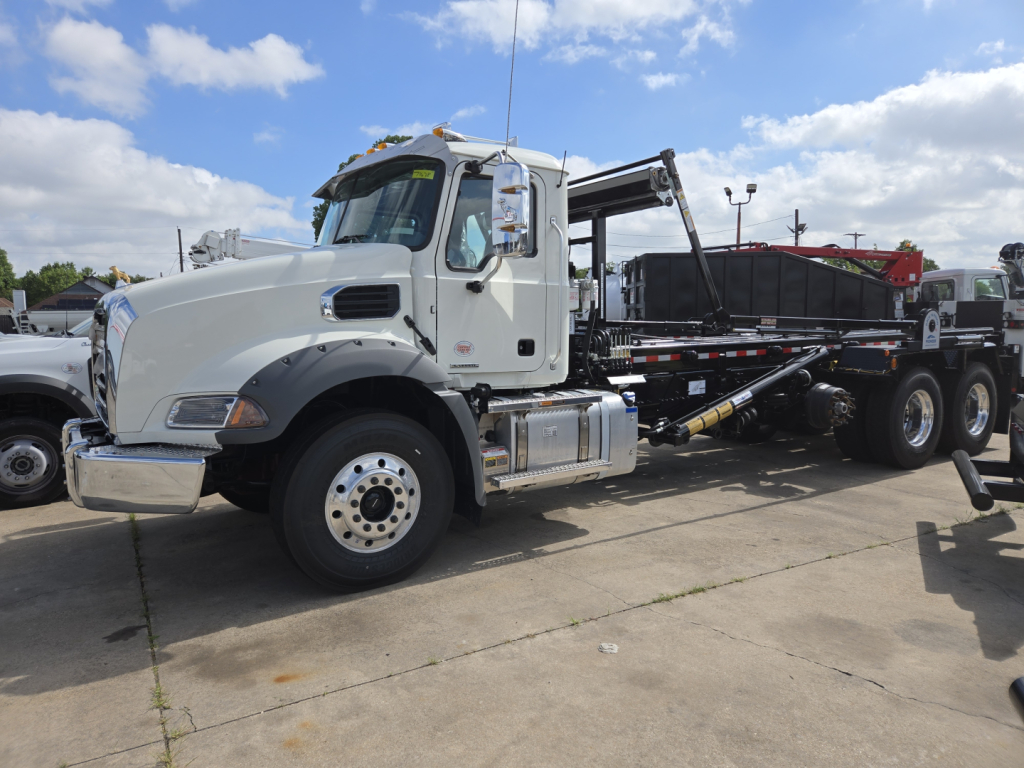
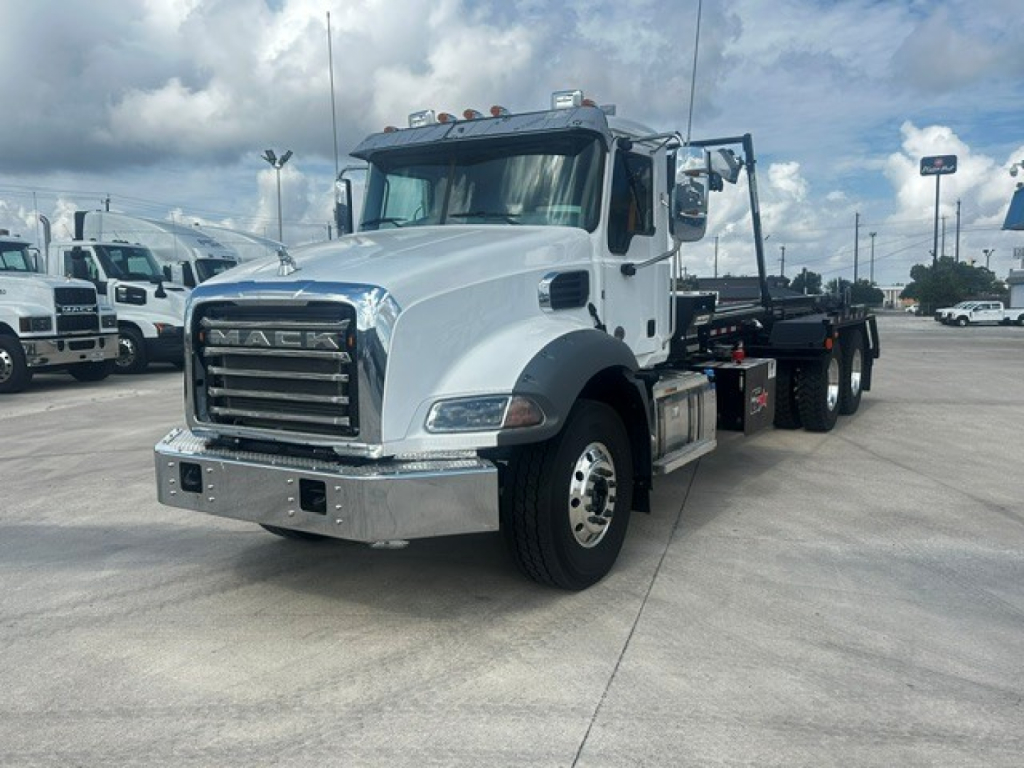
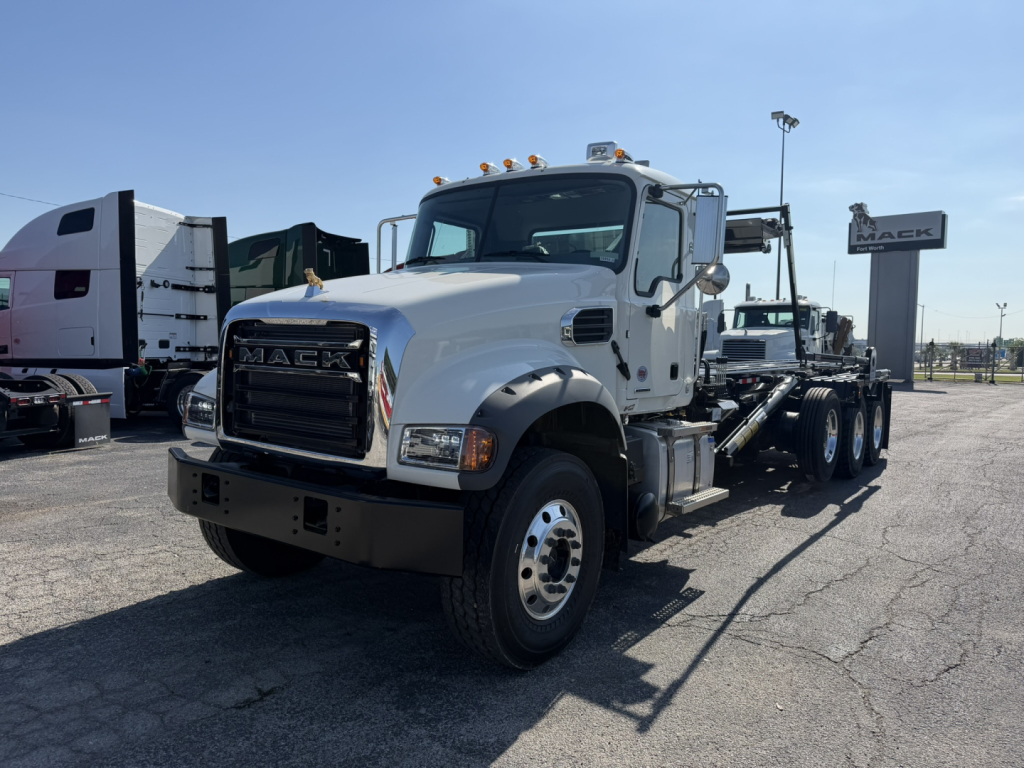
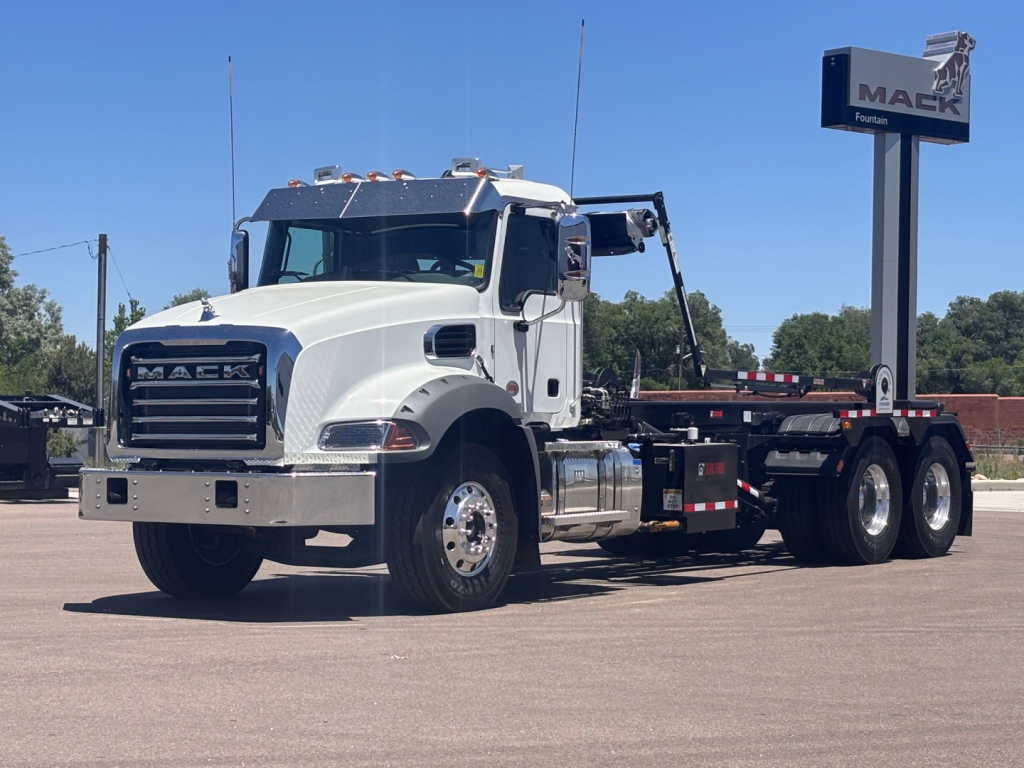
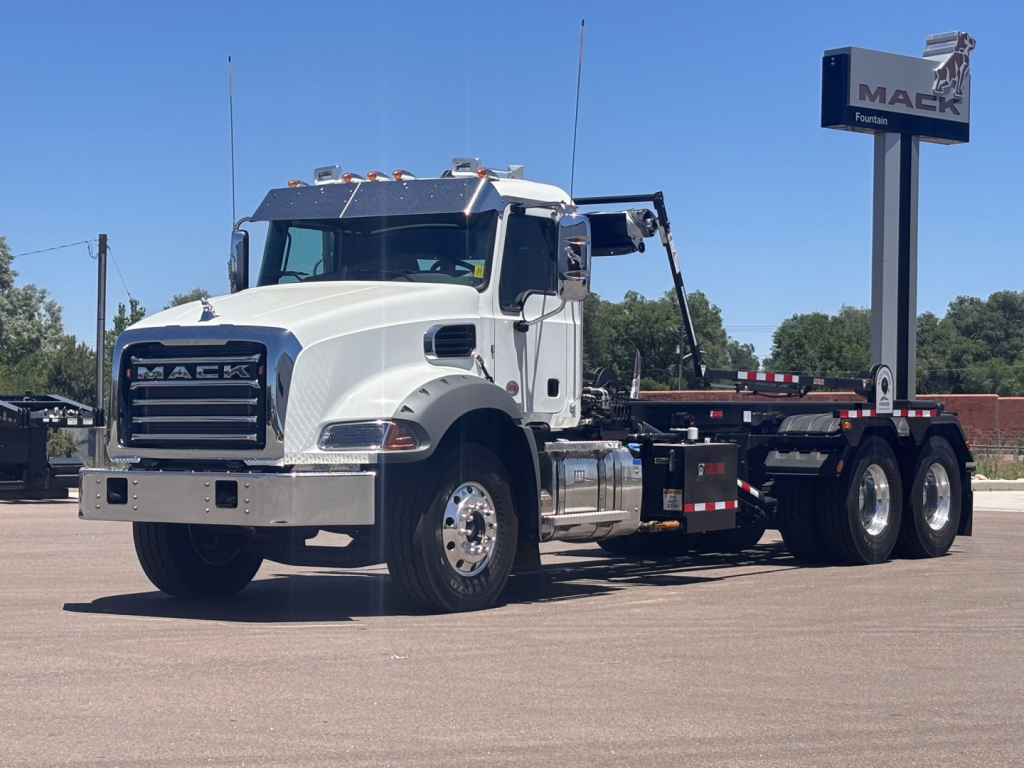
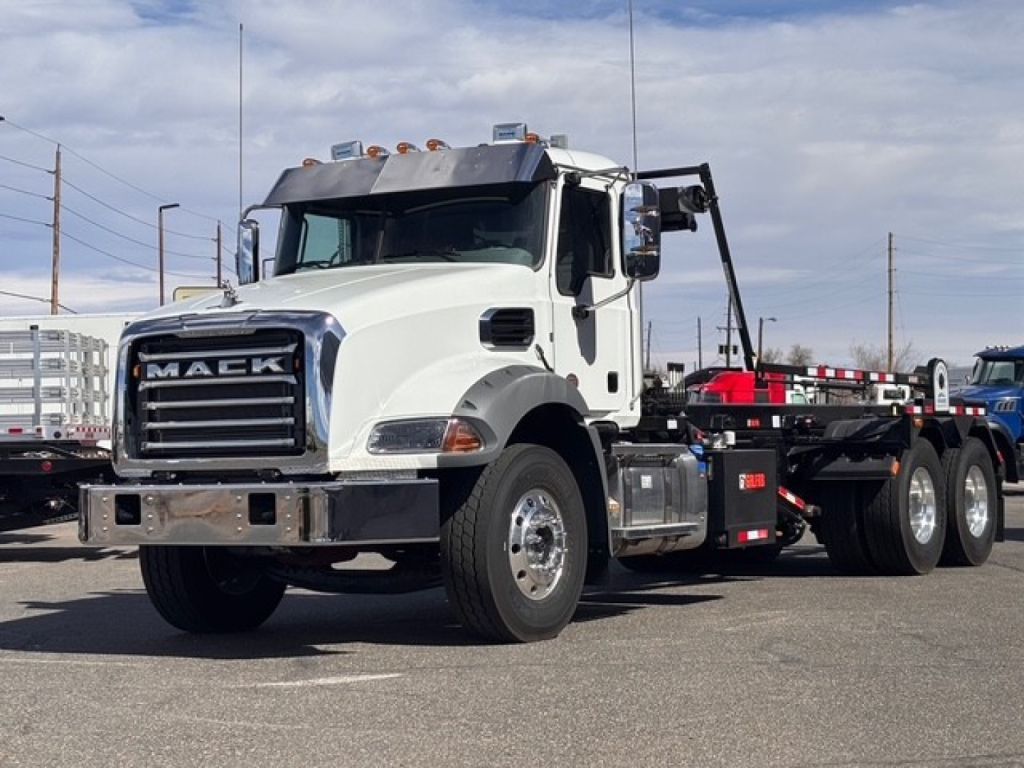
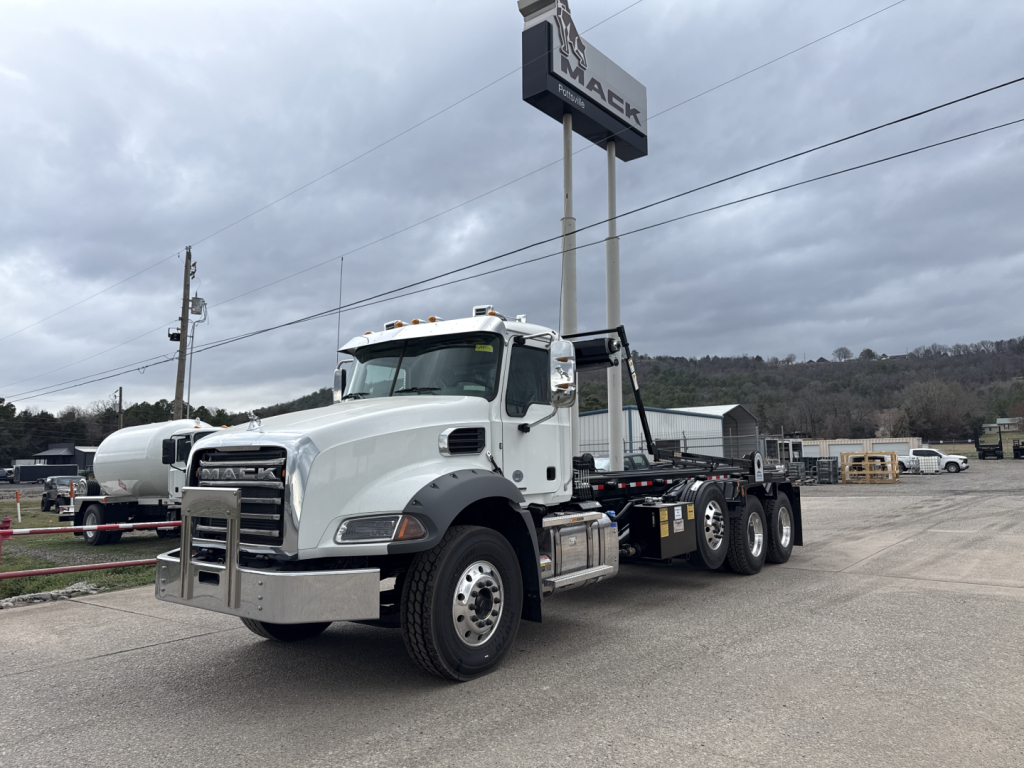
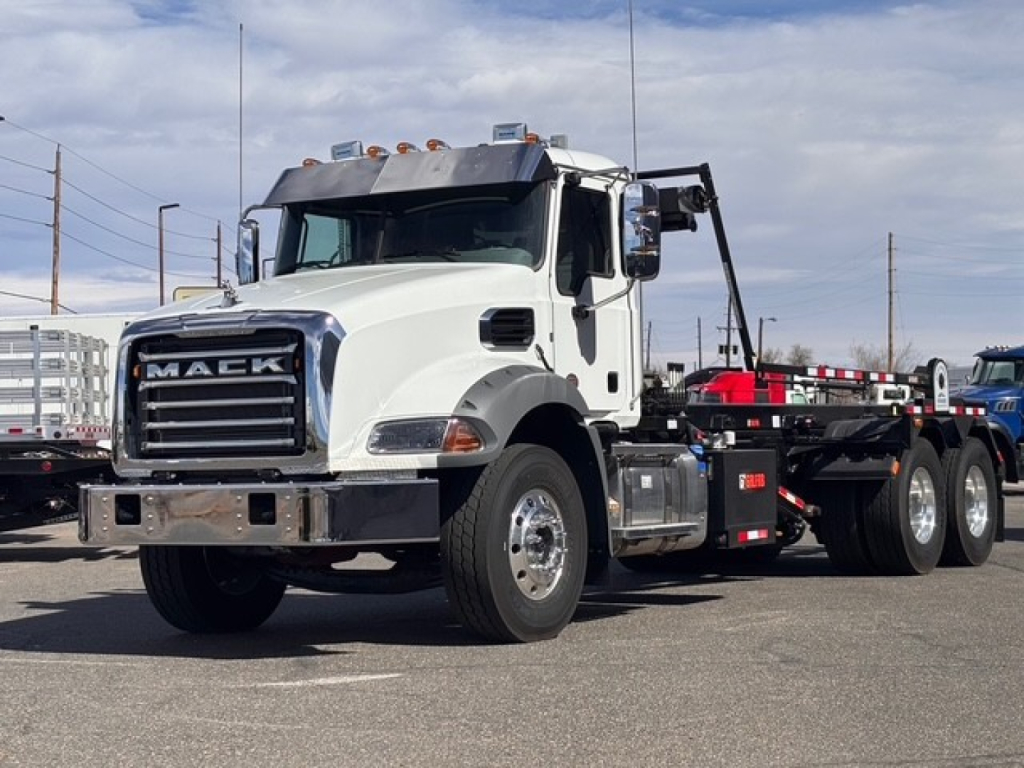
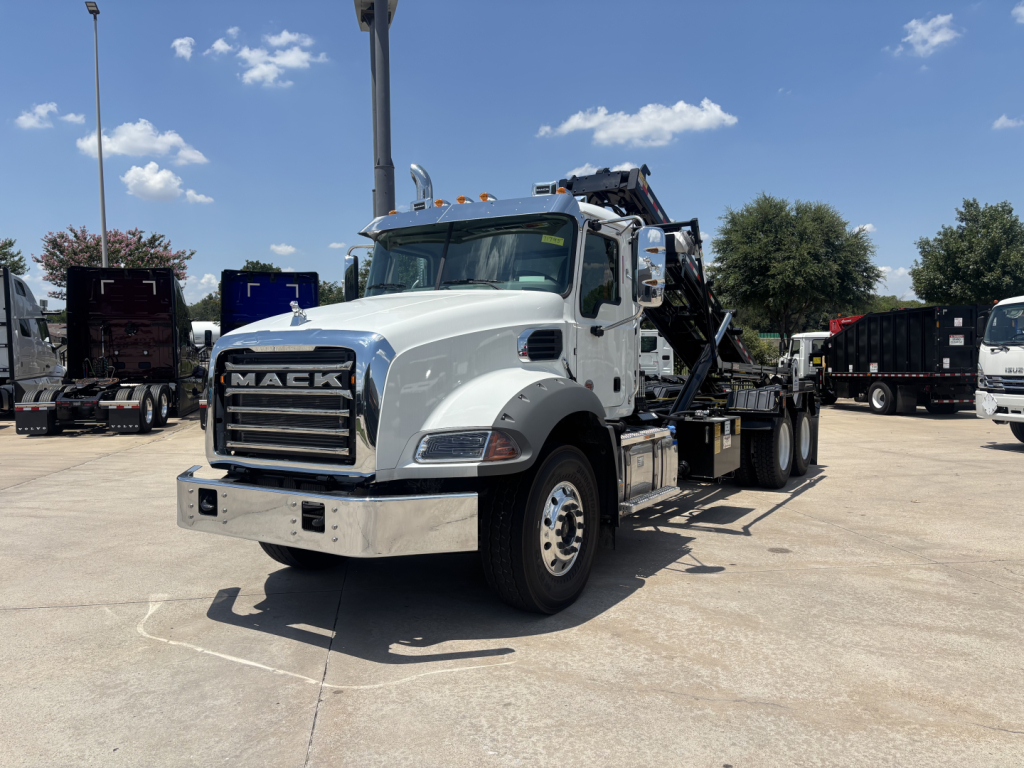
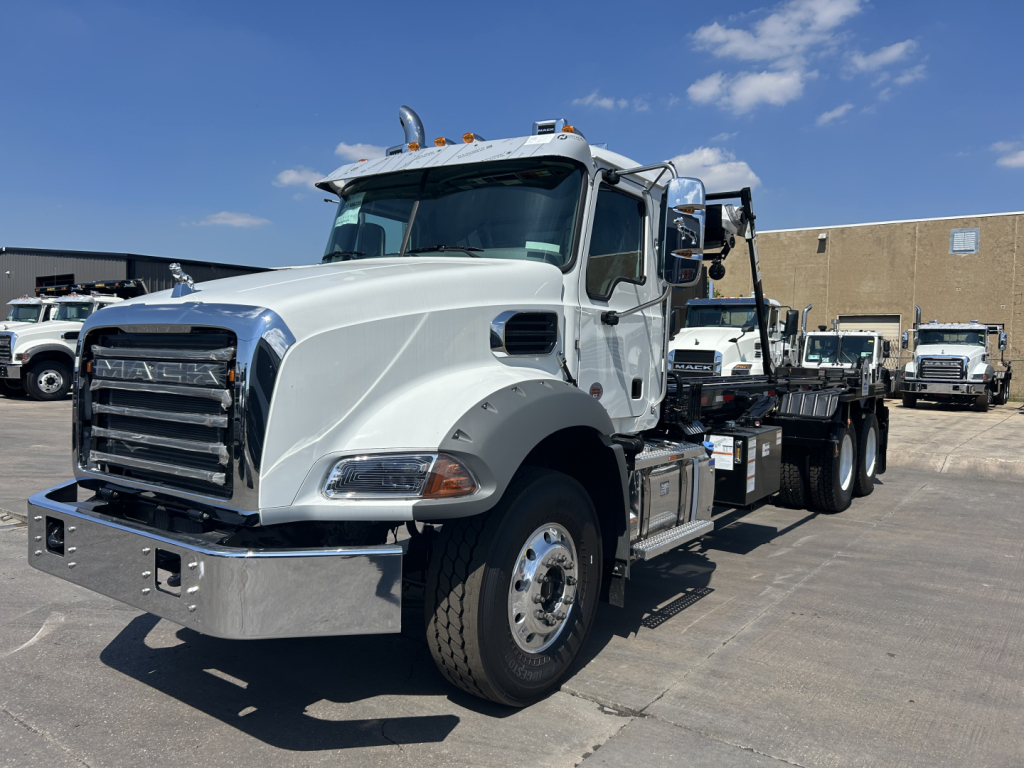
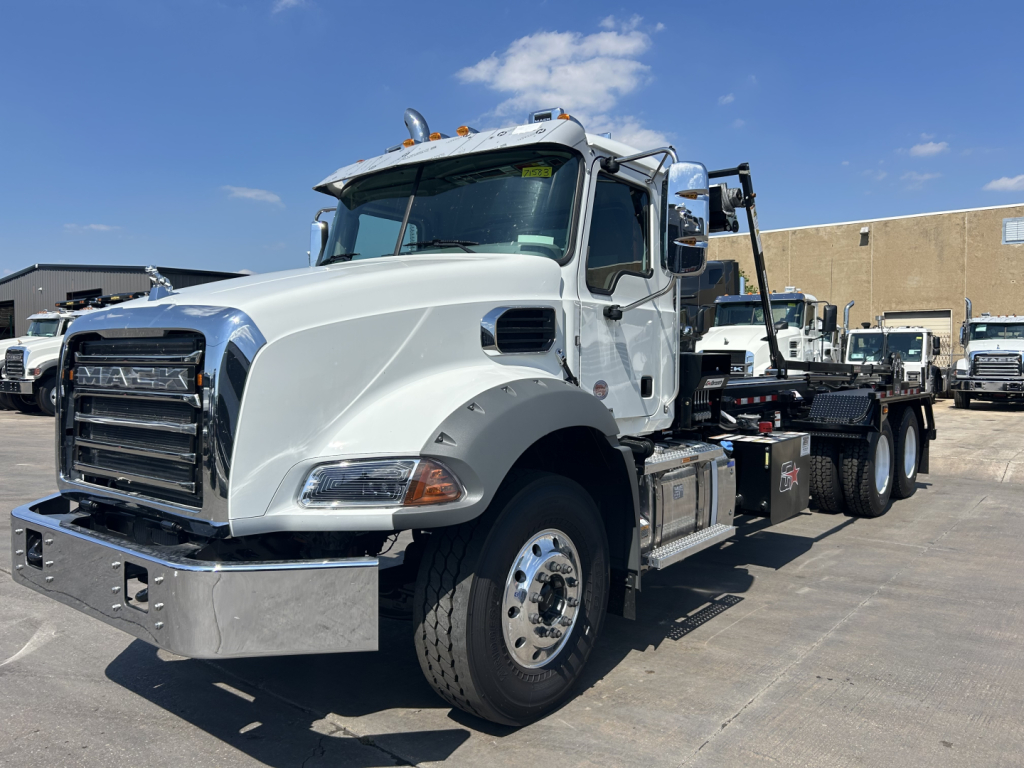
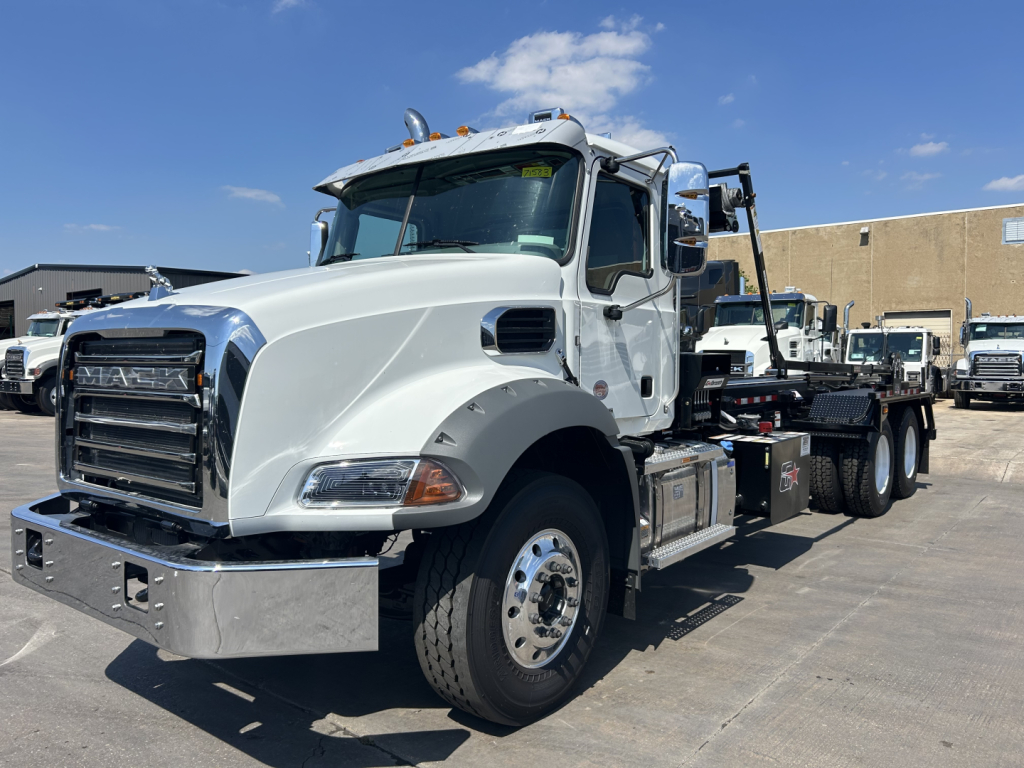
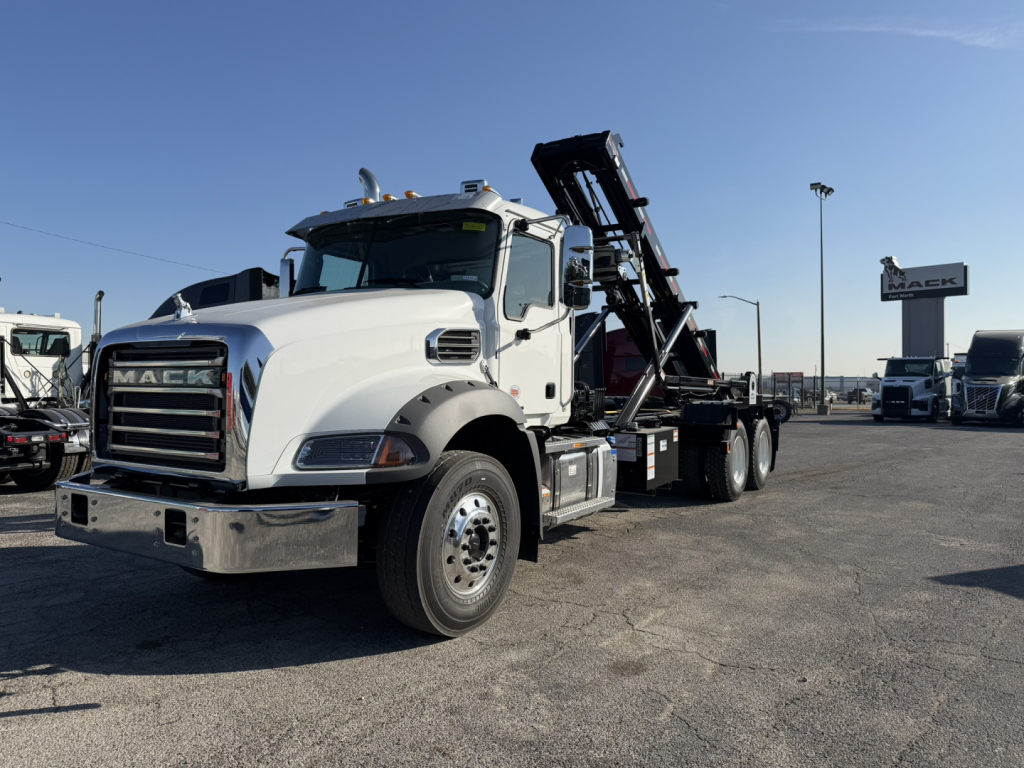
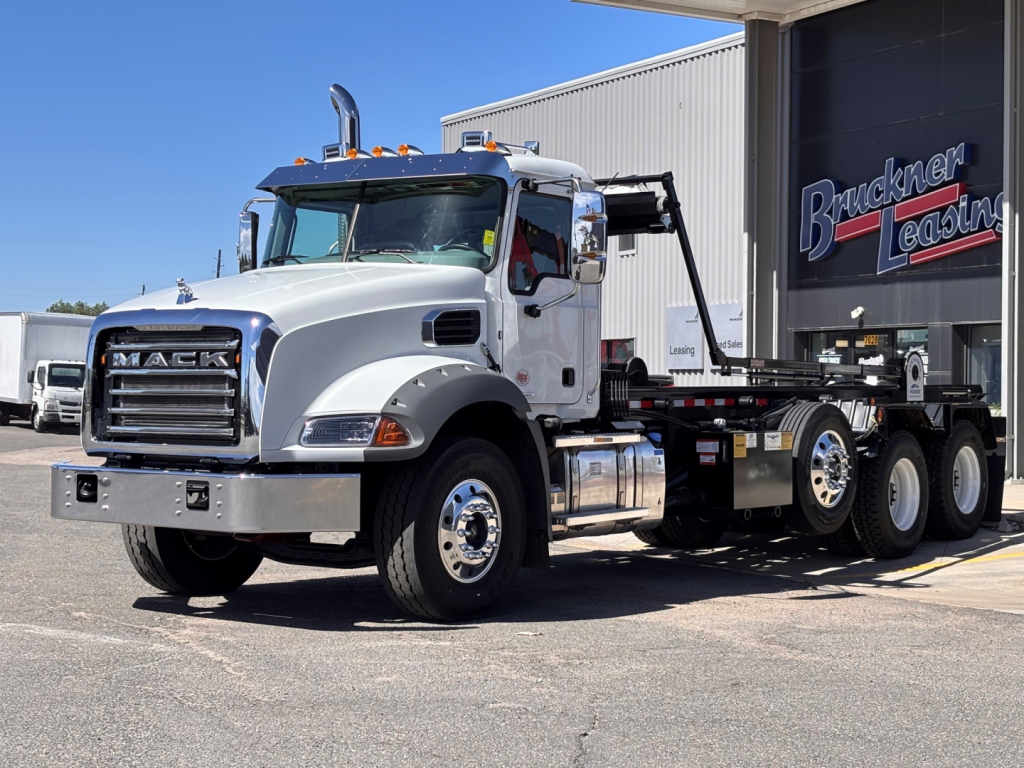
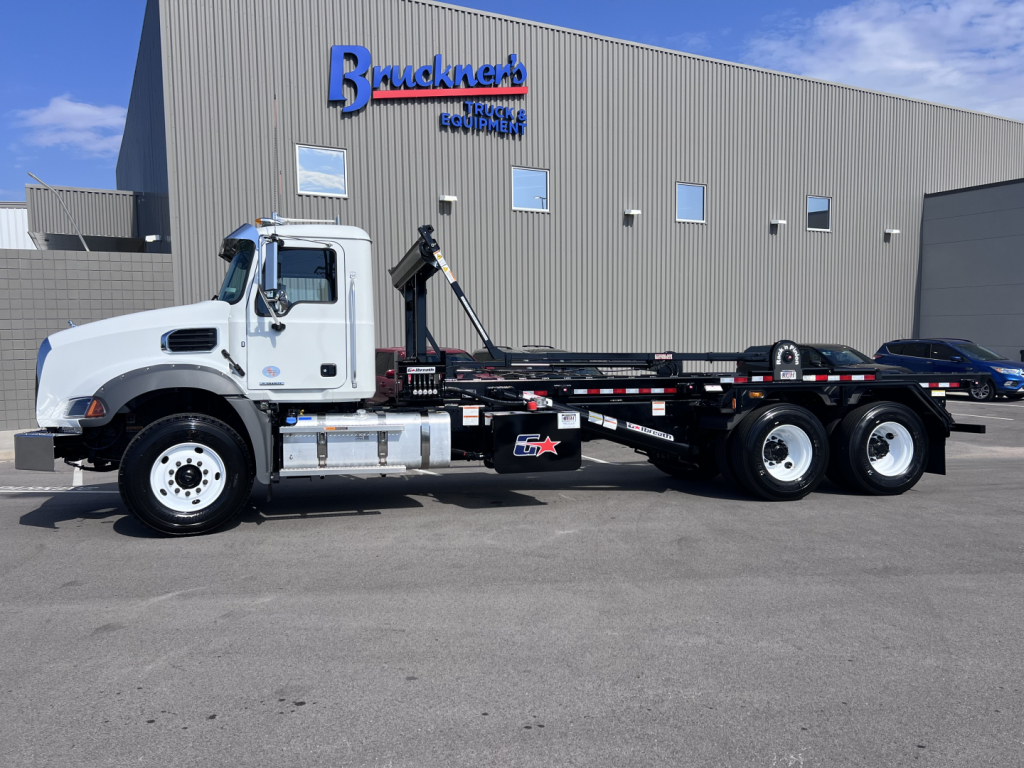
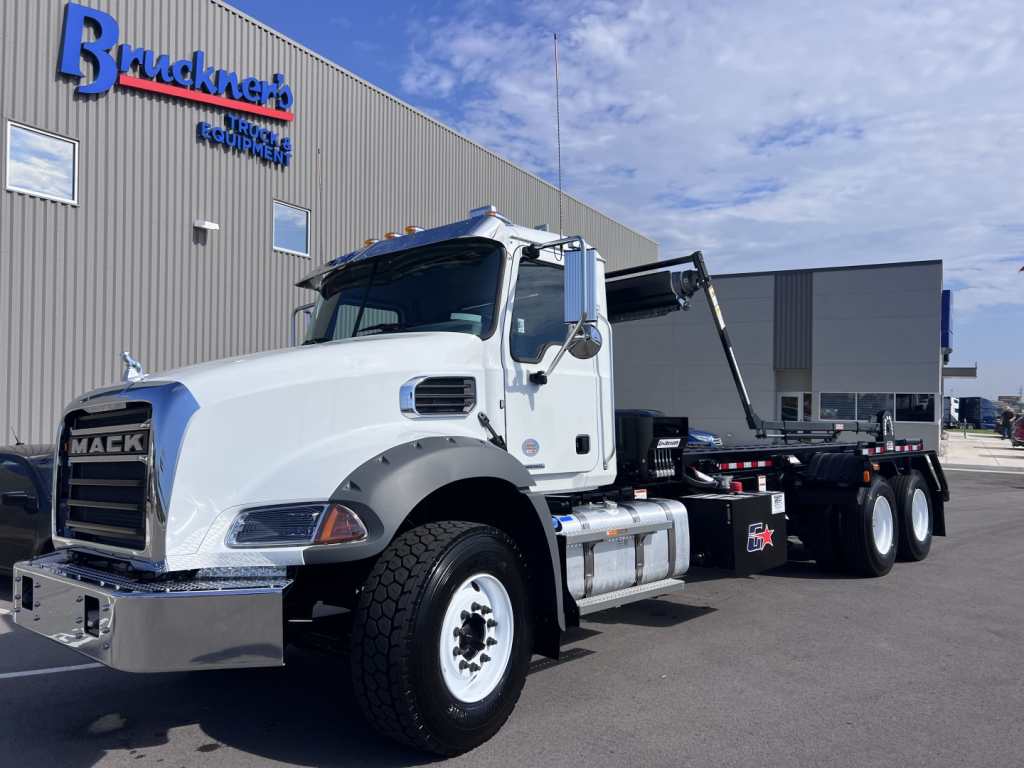

Selling a new 2026 mack rolloff truck? List your new 2026 mack rolloff truck for sale and reach thousands of commercial buyers.
New 2026 Mack Rolloff Trucks
One of the first decisions is hoist capacity and container size range. Many new Mack rolloff trucks are spec'd with 50,000-lb to 60,000-lb hoists, which covers a large share of municipal, industrial, and private waste applications. Buyers should look closely at cable versus hook-lift style operation, though traditional cable rolloff setups remain common in this class. Important spec points include inside rail width, hoist geometry, reeving arrangement, tail roller design, and the intended can lengths the truck will handle every day. Suspension rating, frame reinforcement, and axle placement also affect legal payload, bridge compliance, and how well the truck carries loaded cans without excessive frame stress.
On the chassis side, Mack rolloff trucks are often powered by the MP8 engine in horsepower ratings suited to heavy urban hauling, commonly paired with an Allison automatic transmission for smooth launch, reduced driver fatigue, and better control in tight pickup and drop zones. A tandem rear axle is typical, and vocational buyers should verify front axle capacity, rear suspension type, wheelbase, and pusher or lift axle requirements based on local weight laws. PTO and hydraulic system specs deserve the same attention as engine and transmission, since pump output, reservoir sizing, and control layout directly affect cycle times and operator productivity. Cab equipment can also matter more than it seems in this segment, especially heated mirrors, visibility packages, and durable interior trim for trucks that spend long days running dense routes.
A new Mack rolloff truck appeals to fleets that want current emissions technology, factory warranty support, and a chassis engineered specifically for severe service rather than a general on-highway truck adapted to vocational use. The best buying approach is to match the truck to the actual container weights, loading surfaces, route density, and disposal site conditions it will face. If the work includes steep transfer station grades, muddy C&D sites, or repeated inner-city stops, those details should drive the axle, transmission, and hoist specification. In this category, the right truck is the one that balances legal payload, fast cycle times, and long-term durability under daily abuse.
Frequently Asked Questions about New 2026 Mack Rolloff Trucks
What is the typical hoist capacity on a new Mack rolloff truck?
Many new Mack rolloff trucks are configured with hoists in the 50,000-lb to 60,000-lb range, which fits a broad mix of waste, recycling, demolition, and scrap applications. The right capacity depends on the heaviest containers you expect to load, the material density, and the legal axle weights in your operating area. A higher-capacity hoist can add versatility, but buyers should also consider chassis weight, frame spec, and suspension ratings so the truck remains practical and compliant in day-to-day service.
Why are Allison automatic transmissions common in rolloff trucks?
Allison automatic transmissions are popular in rolloff service because they perform well in constant stop-and-go work, tight alley approaches, transfer stations, and jobsite maneuvers. They reduce driver fatigue, provide smooth low-speed control, and help protect the driveline during repeated loading cycles. For fleets with multiple drivers or urban routes, an automatic can also improve consistency and shorten the learning curve compared with a manual transmission.
What should buyers look at besides engine horsepower on a Mack rolloff?
Horsepower matters, but it is only one part of the specification. Buyers should evaluate front and rear axle ratings, suspension type, wheelbase, frame reinforcement, PTO setup, hydraulic pump output, and hoist geometry. Container length range, inside rail dimensions, and legal bridge compliance are also critical. A rolloff truck that looks strong on paper can still be poorly matched to the job if the axle spread, hydraulic package, or hoist design does not fit the actual route and container mix.
Is a Mack Granite chassis a good fit for rolloff applications?
Yes. The Mack Granite is widely used in severe-service applications because it is built for vocational work rather than long-haul highway use. It offers a durable frame, strong axle options, and powertrain choices that suit heavy hauling, rough surfaces, and repetitive loading cycles. For rolloff buyers, that typically translates to better jobsite durability, more appropriate weight ratings, and a chassis layout that supports body installation and hydraulic equipment well.
How do I choose the right rolloff truck spec for my operation?
Start with the actual work the truck will do every week, not the most extreme job it might see once in a while. Look at container lengths, average loaded can weights, transfer station conditions, route density, and whether the truck works more on pavement or on construction and demolition sites. Then match those needs to hoist capacity, axle ratings, wheelbase, transmission choice, and hydraulic performance. A good spec supports fast loading cycles, legal payloads, and long component life without carrying unnecessary weight or cost.