
New 2026 Rolloff Trucks For Sale in Texas
Shop new 2026 rolloff trucks for sale in Texas. Compare hoist capacity, axle setup, hook height, and chassis specs for waste hauling.
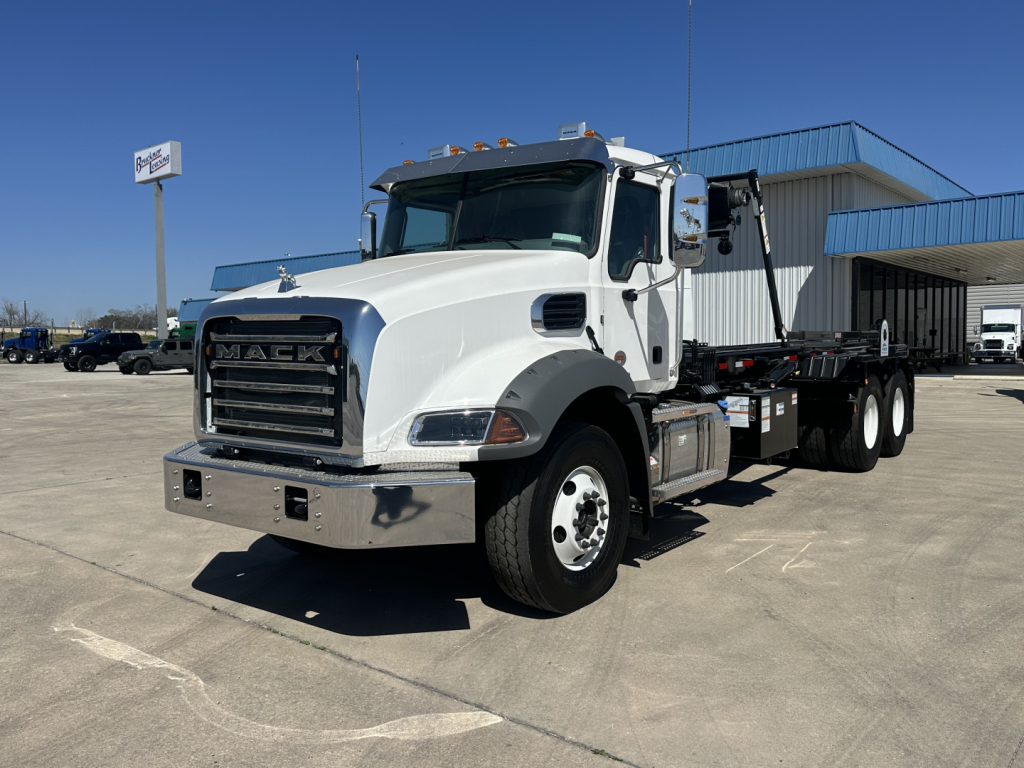
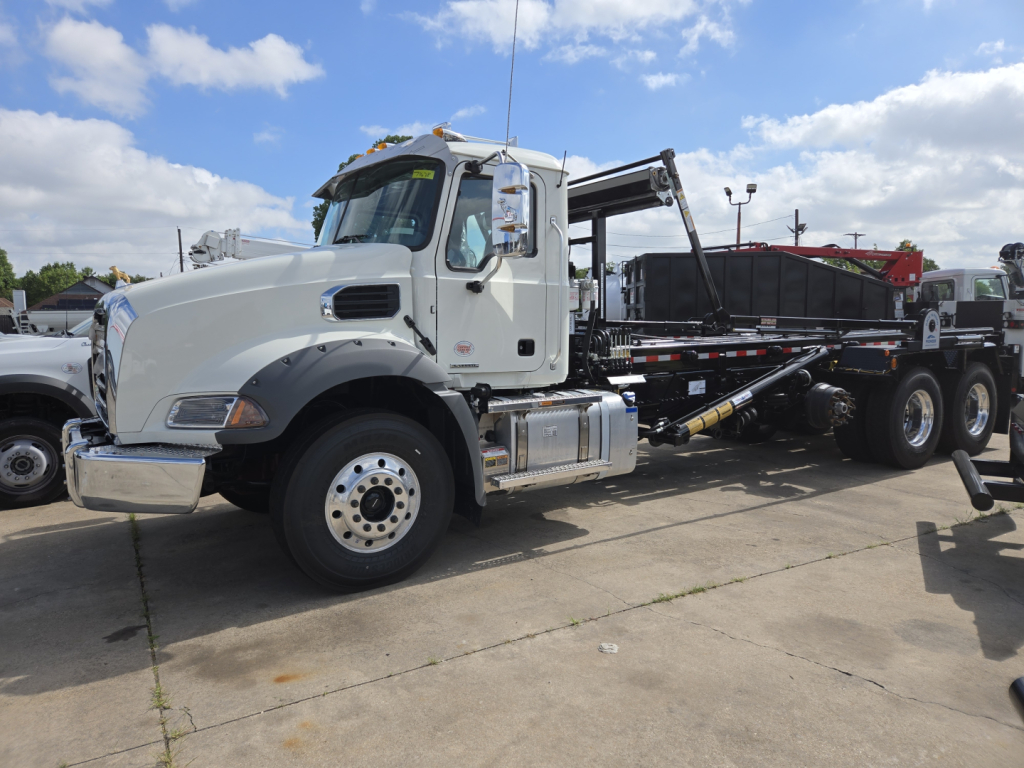
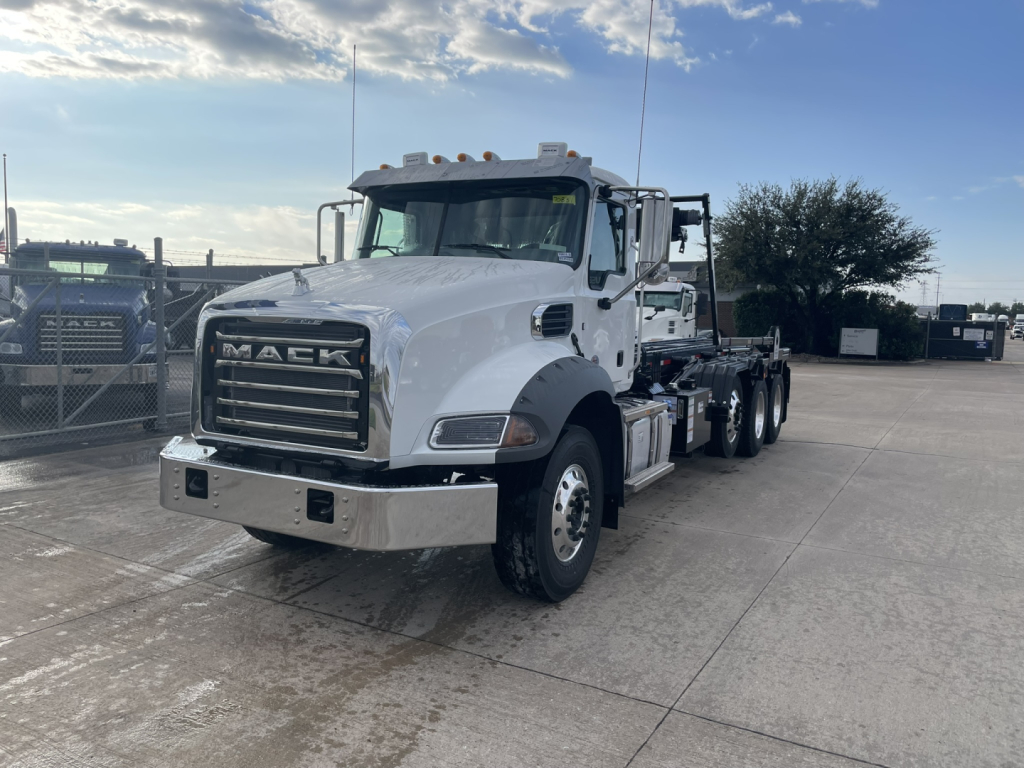
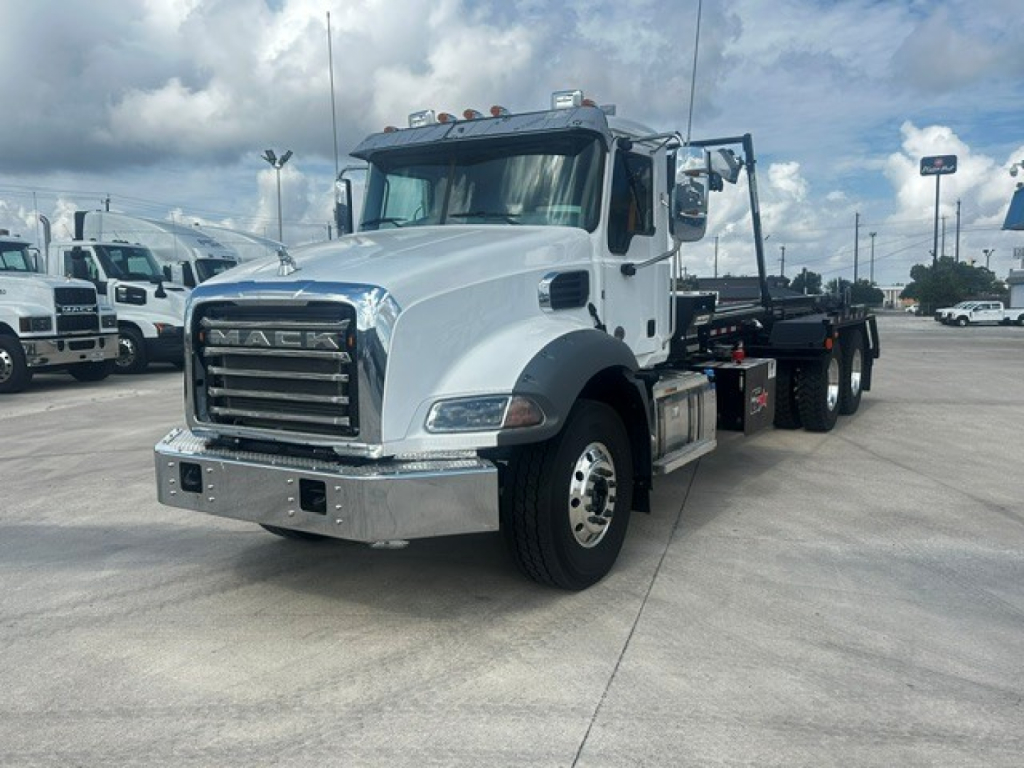
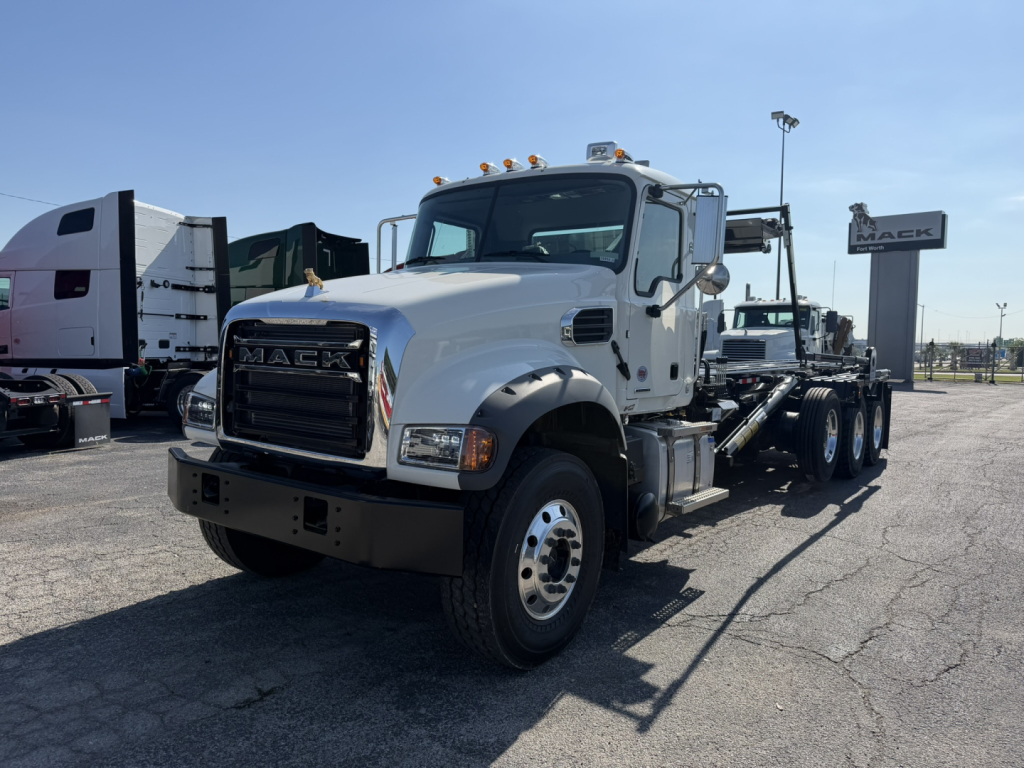
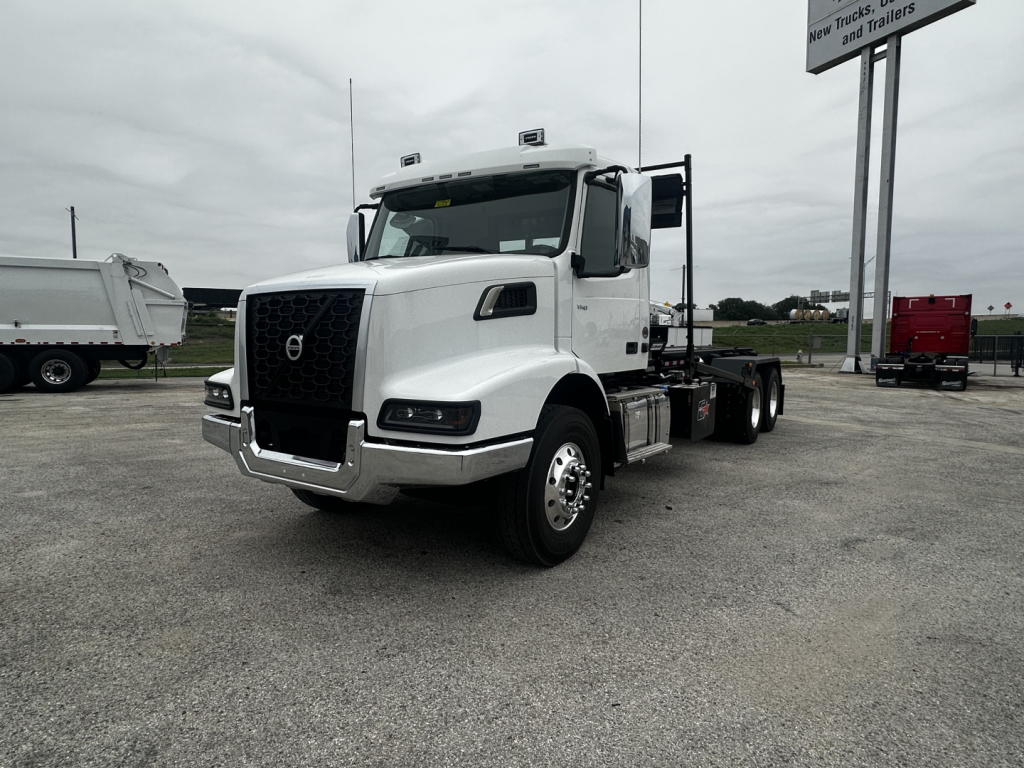
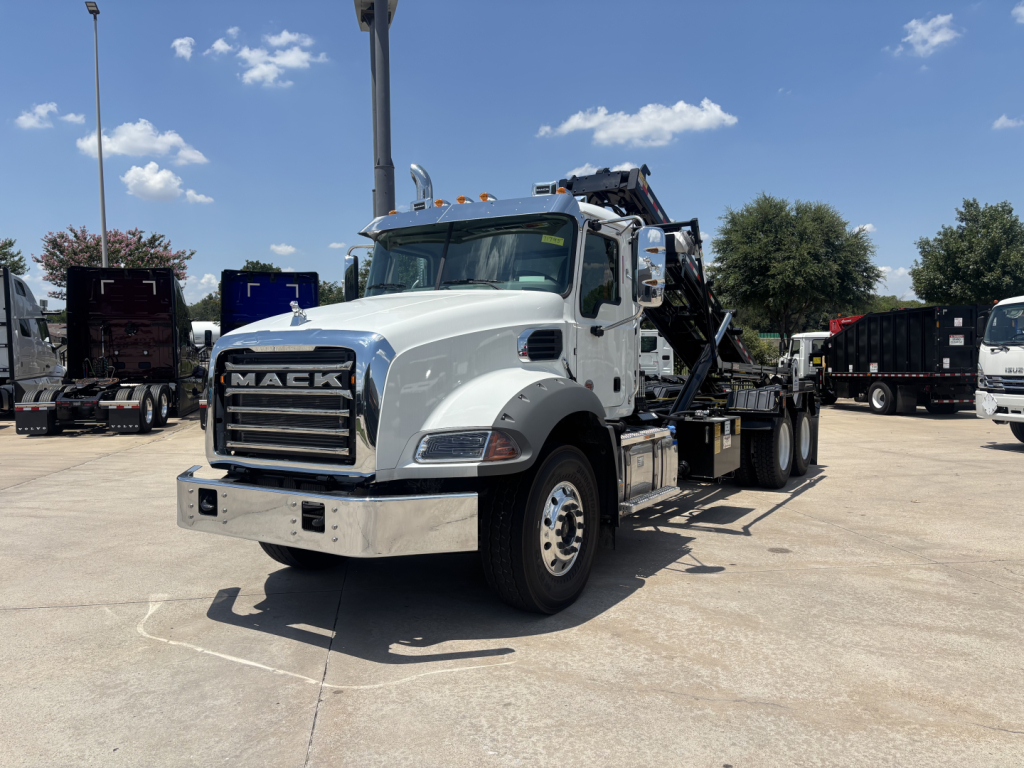
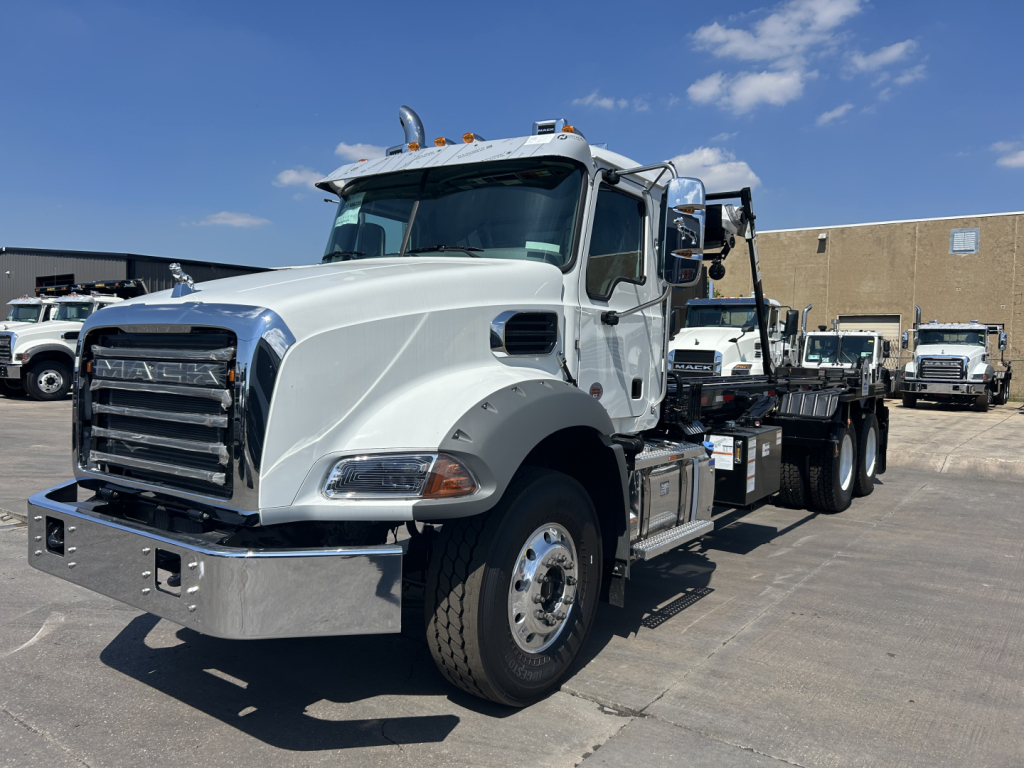
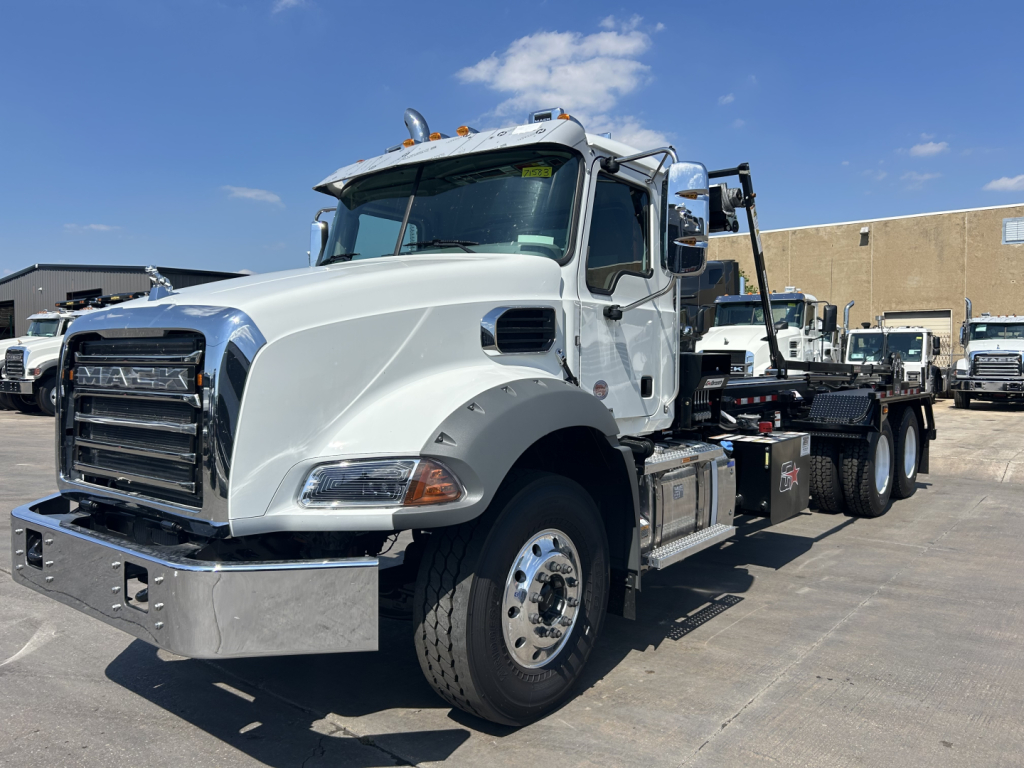
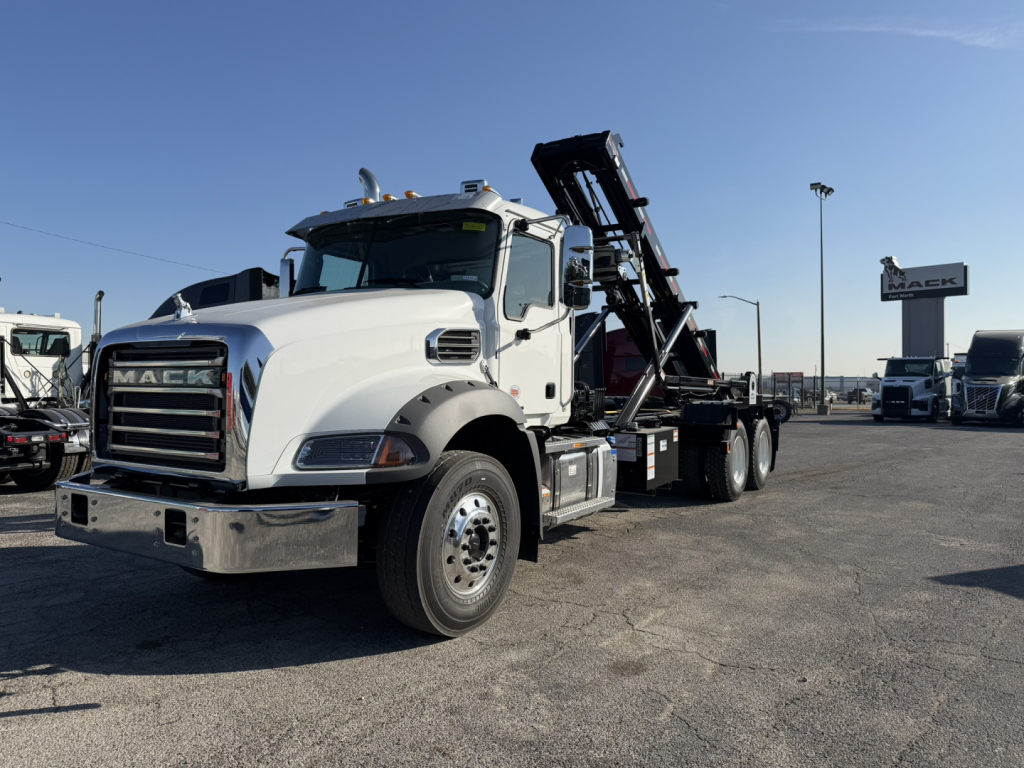
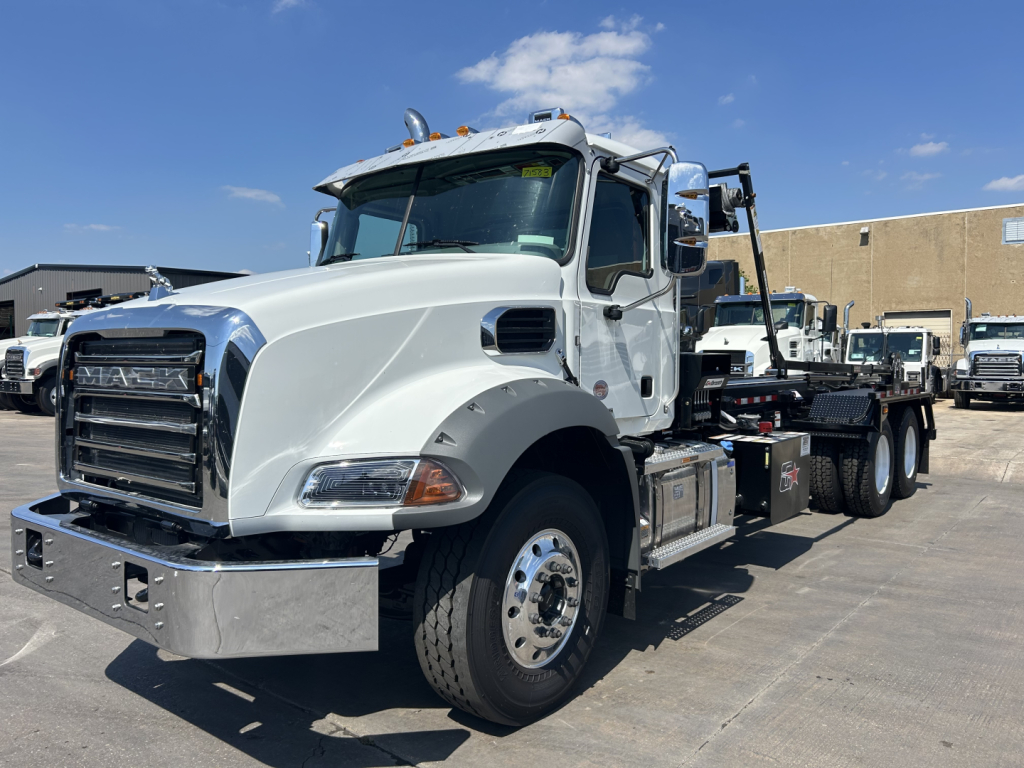

Selling a new 2026 rolloff truck? List your new 2026 rolloff truck for sale and reach thousands of commercial buyers.
New 2026 Rolloff Trucks in Texas
The biggest buying decisions are hoist style, container length range, and axle configuration. Most rolloff trucks are spec'd as tandem-axle 6x4 units, though bridge-law and route demands can push buyers toward lift axles or heavier vocational setups. Common body capacities are matched to 20-yard, 30-yard, and 40-yard containers, and the hoist must be sized for the heaviest material the truck will regularly handle, not just the box volume. Buyers should compare hook height, cable or hooklift geometry, winch and reeving design where applicable, rail construction, outside rail width, and rear underride or ICC configuration. On the chassis side, engine torque, Allison automatic transmissions, PTO compatibility, frame reinforcement, suspension rating, and front axle capacity all matter because a rolloff spends its life under shifting loads and hard stop-and-go service.
New-model buyers also tend to look closely at durability and operator efficiency. A good rolloff spec often includes high-strength hoist components, body-up alarms, in-cab PTO controls, tarp systems, backup cameras, work lights, and hydraulic tank and hose routing that is easy to service. Double-frame sections, vocational rear suspensions, disc or heavy-duty drum brake packages, and severe-service cooling are common on trucks expected to cycle all day in heat and dust. Texas operations can benefit from specs that account for long highway pulls between disposal sites, including gearing that balances launch performance with road speed, plus air conditioning capacity and cab layouts that reduce driver fatigue.
The best 2026 rolloff truck is the one matched to container fleet, route density, material type, and disposal cycle time. A contractor hauling demolition debris has different needs than a waste company moving municipal boxes or a scrap hauler dealing with dense loads. When comparing trucks in this class, pay attention to rated hoist capacity, usable container lengths, cab-to-axle dimension, frame modulus, gross axle weight ratings, and the service network behind the chassis brand. Those details will determine how well the truck handles daily abuse, how much payload it can legally move, and how much downtime it avoids over the long term.
Frequently Asked Questions about New 2026 Rolloff Trucks in Texas
What is the difference between a cable rolloff truck and a hooklift truck?
A cable rolloff truck uses a winch cable and hoist assembly to pull containers onto the rails, while a hooklift uses a hydraulic lifting arm with a hook bar to load and unload bodies. Cable rolloff trucks are common in waste and scrap applications where fleets already run traditional rolloff cans. Hooklift trucks offer faster body interchange and can handle multiple body styles, but body compatibility depends on hook height and body design. The right choice usually comes down to the containers already in service, load type, and how much flexibility the operation needs.
What axle configuration is most common for a rolloff truck in Texas?
A tandem-axle 6x4 chassis is the most common starting point because it balances payload, stability, and maneuverability for rolloff work. In Texas, some operations add lift axles to improve legal weight distribution on heavier routes or landfill runs. Front axle rating, rear suspension capacity, and bridge-law considerations should be reviewed together because a truck can have plenty of hoist power but still be limited by legal axle weights.
What container sizes can a typical rolloff truck handle?
Many rolloff trucks are built to handle common open-top containers in the 20-yard to 40-yard range, but actual compatibility depends on hoist design, rail length, hook height or cable setup, and the truck's cab-to-axle dimension. Longer containers are not always the deciding factor because dense material can exceed legal weight limits long before box volume is filled. Buyers should match the truck to the real container fleet in use, including rail spacing and loading geometry.
What specs matter most when buying a new rolloff truck?
The most important specs are hoist capacity, axle ratings, frame strength, cab-to-axle length, engine torque, transmission type, and container compatibility. PTO setup, suspension choice, brake package, and hydraulic system layout also matter because they affect cycle speed, serviceability, and durability. A strong rolloff spec is built around the material being hauled, the box sizes in the fleet, and the road conditions the truck will see every day.
Are automatic transmissions common in new rolloff trucks?
Yes. Allison automatic transmissions are very common in new rolloff truck specs because they improve low-speed control, reduce driver fatigue, and hold up well in stop-and-go vocational service. They are especially useful on routes with frequent loading cycles, tight job sites, and drivers with mixed experience levels. The transmission still needs to be matched to engine torque, rear axle ratio, and gross vehicle weight rating so the truck performs well both on-site and on the highway.