
New 2026 Rolloff Trucks For Sale in Colorado
Shop new 2026 rolloff trucks for sale in Colorado. Compare hoist capacity, axle setup, PTO, cab specs, and body options for waste hauling.
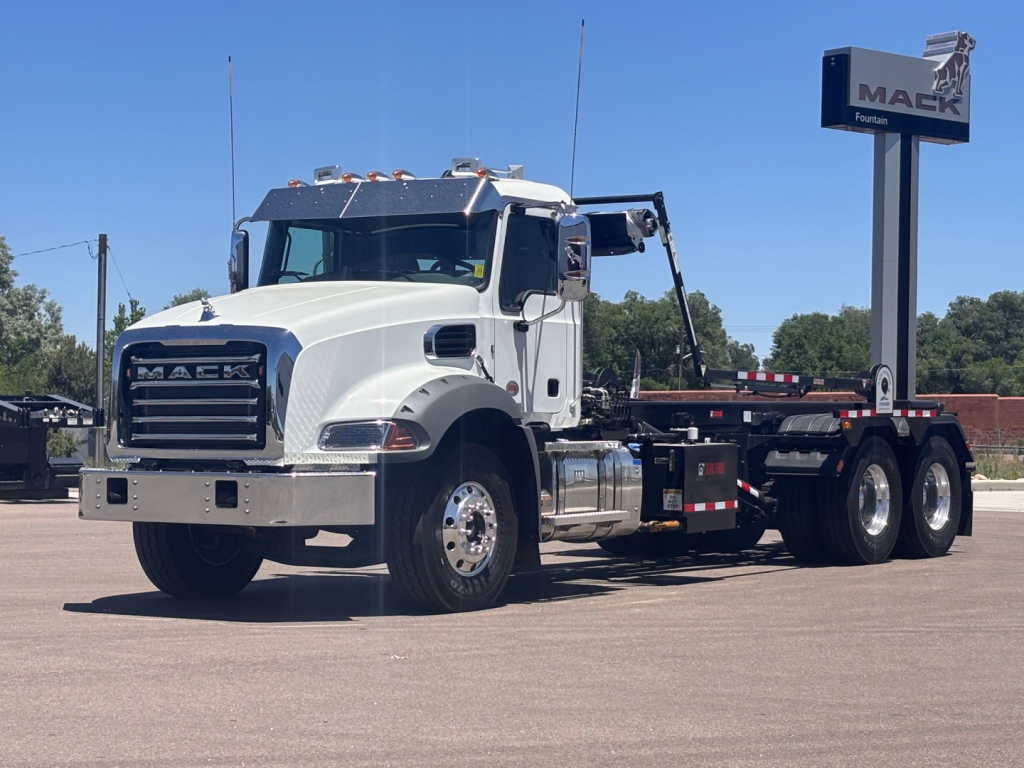
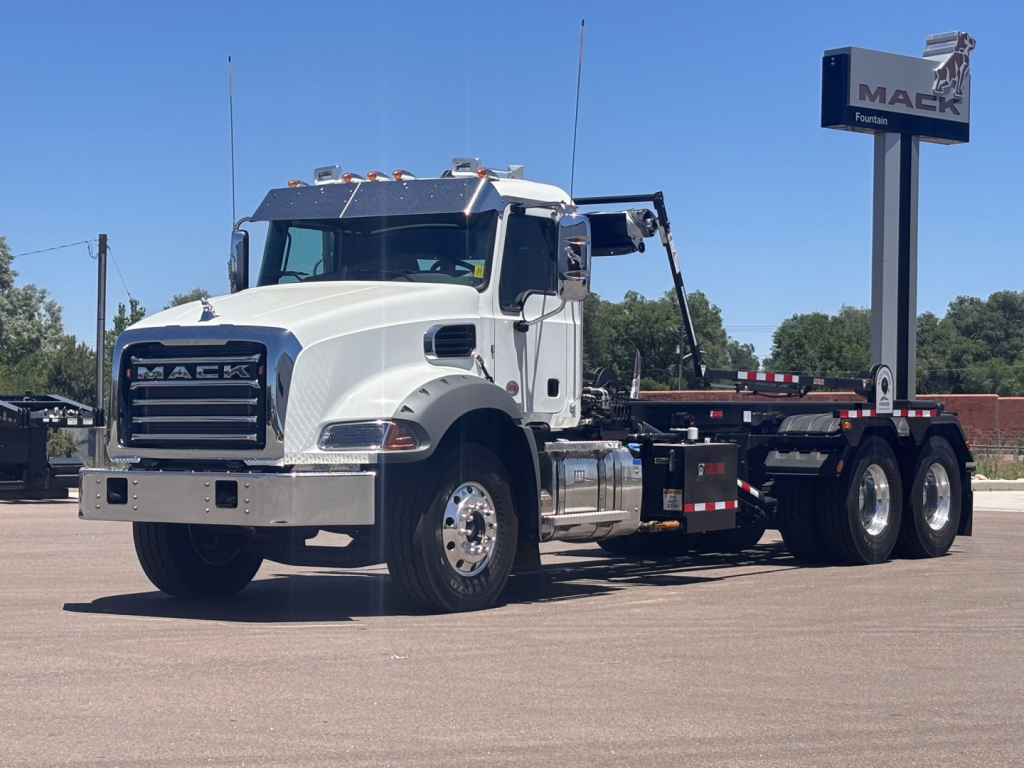
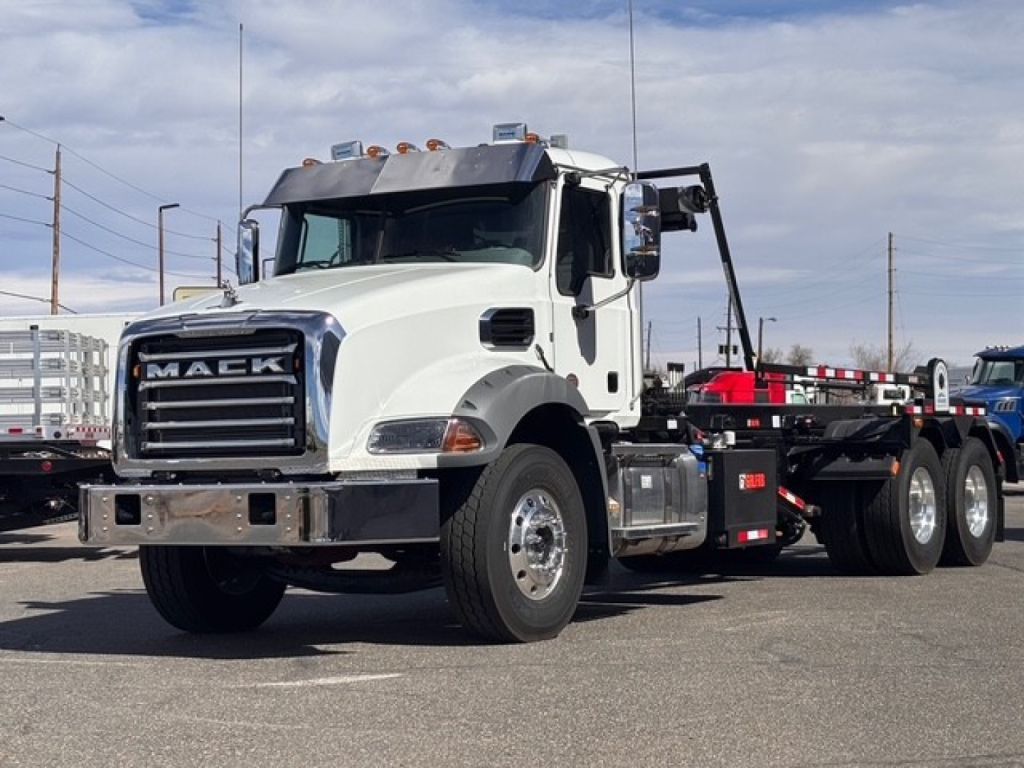
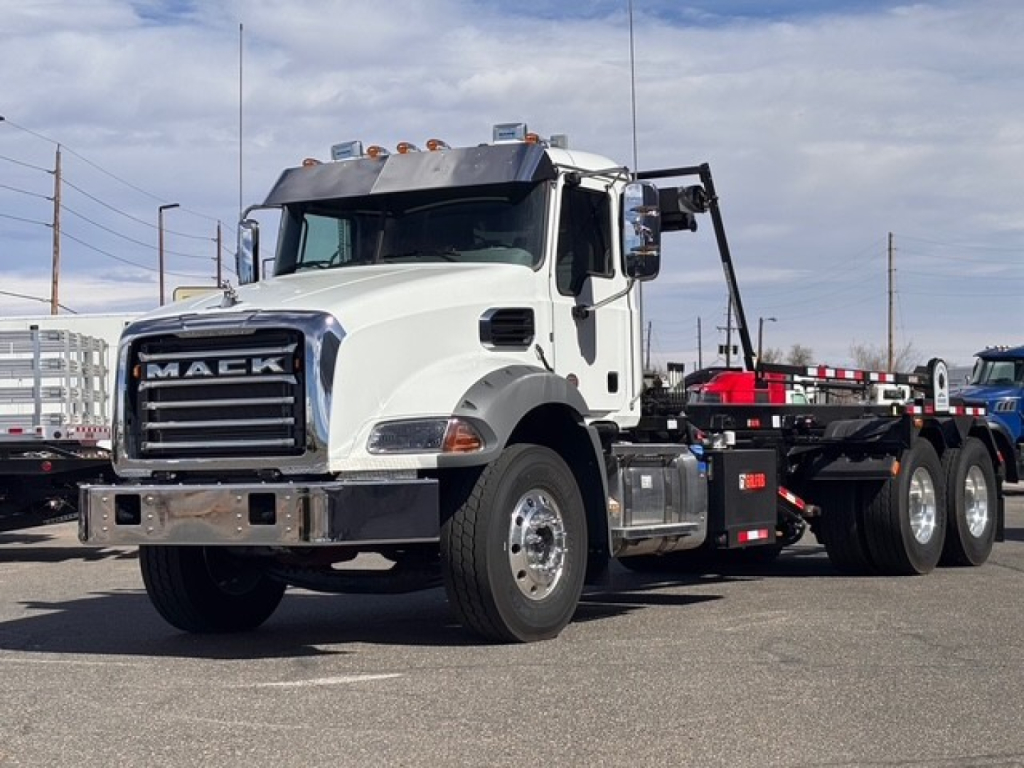
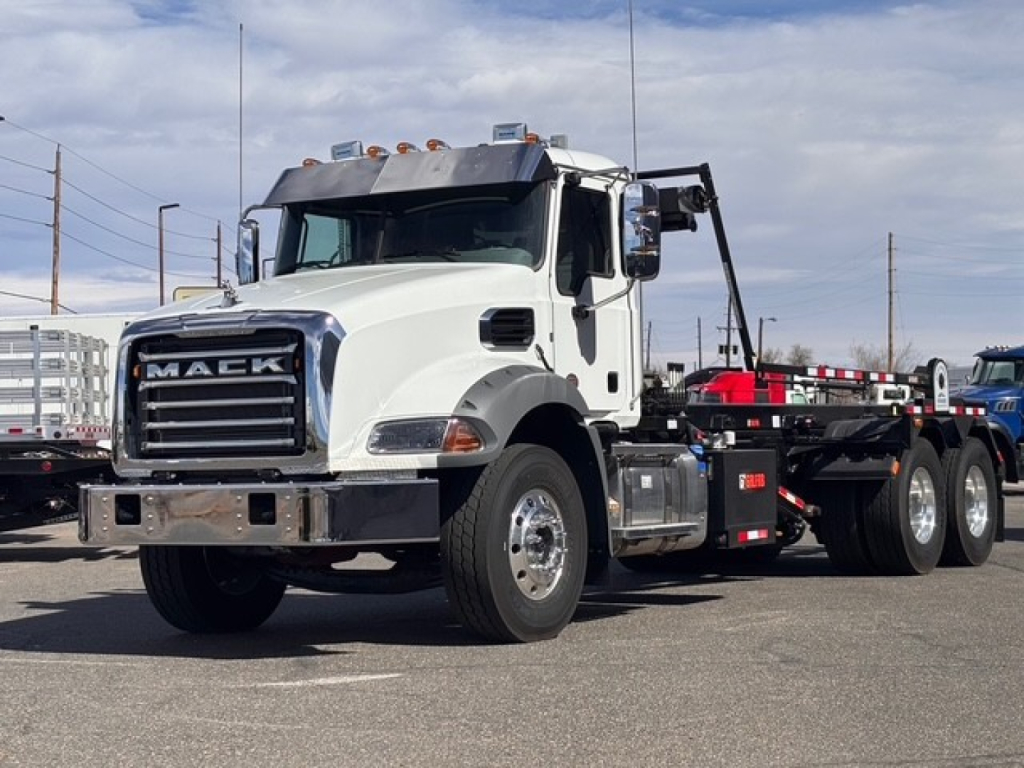
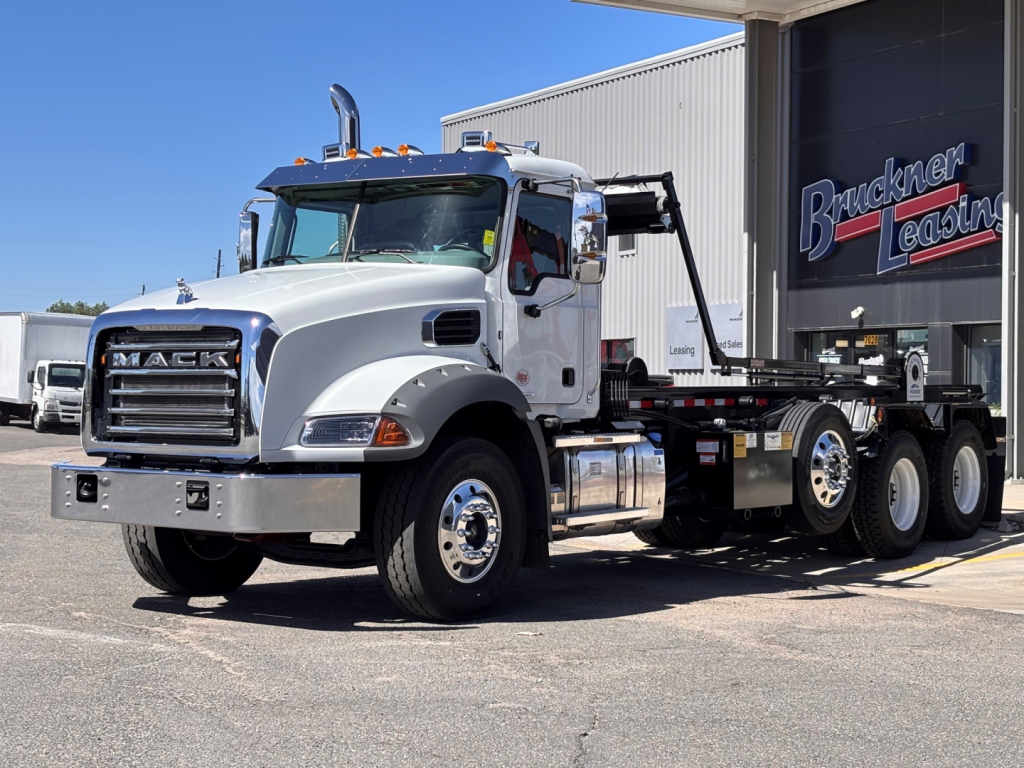
Selling a new 2026 rolloff truck? List your new 2026 rolloff truck for sale and reach thousands of commercial buyers.
New 2026 Rolloff Trucks in Colorado
For Colorado buyers, terrain and altitude should influence the chassis spec as much as the body. A rolloff truck working the Front Range, mountain transfer runs, or construction corridors around Denver, Colorado Springs, and Fort Collins benefits from strong low-end torque, proper rear axle ratio, and enough cooling capacity for long grades and frequent PTO use. Engines in the 400 to 500-plus horsepower range are common in new rolloff trucks, often paired with Allison automatics for easier operation in urban pickup and dump cycles. Front axle capacity, pusher or tag axle configuration, wheelbase, and frame reinforcement all matter because container size and payload can quickly change axle loading. If the truck will spend time on uneven job sites, ground clearance, suspension durability, and body-to-cab clearance deserve a close look.
The hoist itself deserves careful attention. Many new rolloff trucks are spec'd with 50,000 to 75,000-lb hoists, depending on the container sizes and material density expected. Buyers should confirm the hoist brand, cable capacity, reeving setup, inside rail width, and compatibility with the cans already in service. Tarp systems, automatic tarpers, ICC bumper layout, work lights, backup camera systems, and in-cab PTO controls can make a real difference in daily productivity and safety. It is also worth checking hydraulic reservoir size, pump output, and access to wear components because these trucks live on repetitive loading cycles. A good spec balances raw hoist power with stable loading angles, predictable container handling, and service access that reduces downtime.
Cab and chassis details matter more on a new truck than many buyers expect because driver retention and operating cost are tied directly to spec quality. Heated mirrors, visibility packages, severe-duty interiors, air ride seats, and simple switch layouts help in a truck that may make repeated stops all day. New 2026 rolloff trucks may also offer emissions updates, telematics integration, and factory safety features that support fleet management and maintenance planning. When comparing listings, pay close attention to gross vehicle weight rating, bridge law considerations, body length, hoist rating, transmission model, rear suspension, and warranty coverage. The right rolloff truck is the one that matches your container fleet, route density, disposal pattern, and legal payload target without being overbuilt or under-spec'd for the work.
Frequently Asked Questions about New 2026 Rolloff Trucks in Colorado
What hoist capacity is common on a new rolloff truck?
Many new rolloff trucks are spec'd in the 50,000 to 75,000-lb range, with 60,000-lb hoists being a common middle ground for municipal, waste, scrap, and demolition applications. The right rating depends on container length, material density, and how aggressively the truck will be loaded. A buyer should match hoist capacity to real-world container weights instead of choosing by maximum number alone, because axle ratings, wheelbase, and legal payload matter just as much as the hoist spec.
Is a tandem axle or tri-axle better for a rolloff truck in Colorado?
A tandem axle rolloff truck works well for many container routes and offers a simpler, lighter chassis, but a tri-axle can be the better choice when payload, bridge law, or route requirements demand more axle capacity. In Colorado, long transfer runs, landfill trips, and heavy debris loads can make lift axle configurations attractive. The decision should be based on legal weight distribution, turning radius needs, and the type of containers being hauled most often.
Why do many rolloff trucks use an automatic transmission?
Automatic transmissions are common in rolloff applications because they reduce driver fatigue, improve control in stop-and-go operation, and simplify training across a fleet. They also perform well during repeated loading, backing, and jobsite maneuvering where constant shifting adds wear and slows the cycle. For vocational use, buyers often pair a heavy-duty automatic with a PTO and hydraulic package designed specifically for hoist work.
What should I check to make sure a rolloff truck fits my containers?
Container compatibility starts with the hoist system and the dimensions of the body rails, but it also includes cable setup, hook geometry if applicable, rear roller arrangement, and body length. Buyers should verify inside rail width, hoist make and model, cable capacity, and the range of container lengths the truck is designed to handle. If a fleet already has cans in service, measuring them against the truck spec is essential to avoid loading issues, poor weight distribution, or excessive wear.
What chassis features matter most on a new 2026 rolloff truck?
The most important chassis features are axle ratings, engine torque, transmission model, rear suspension, frame strength, wheelbase, and PTO integration. On a new 2026 truck, buyers should also evaluate cooling capacity, visibility, factory safety systems, telematics, and warranty support. These details affect not only performance but also uptime, driver acceptance, and maintenance cost over the life of the truck.