
New 2026 Cab and Chassis Trucks For Sale in Oklahoma
Shop new 2026 cab and chassis trucks in Oklahoma. Compare GVWR, wheelbase, axle ratings, engine and PTO options for body-ready applications.
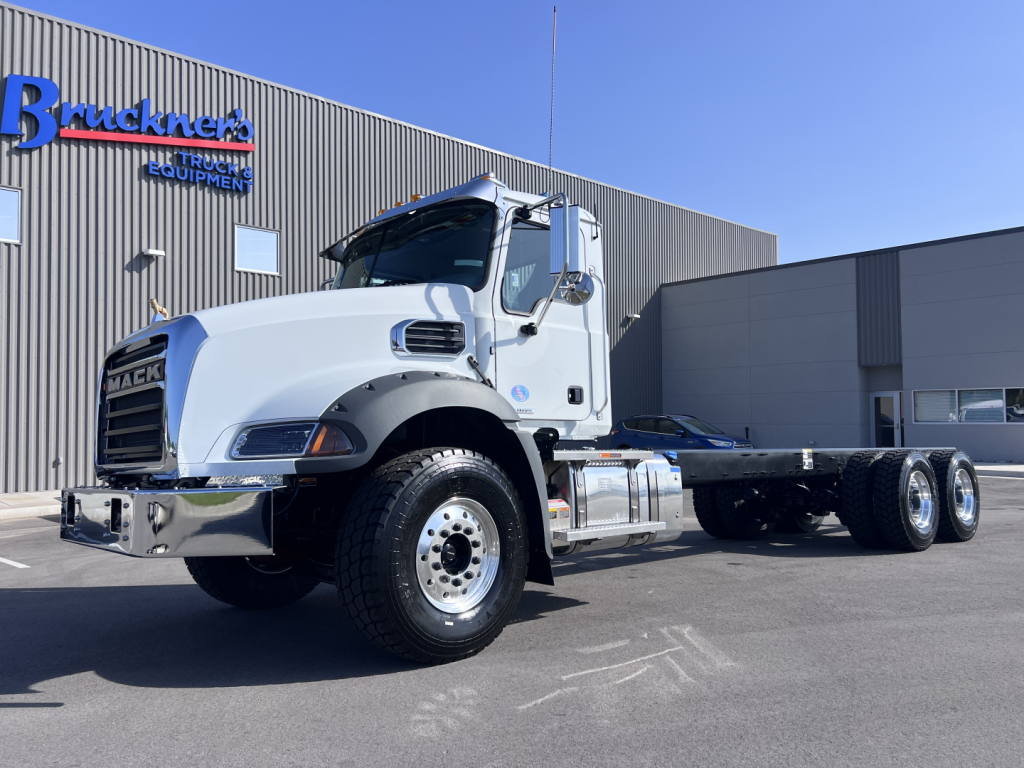
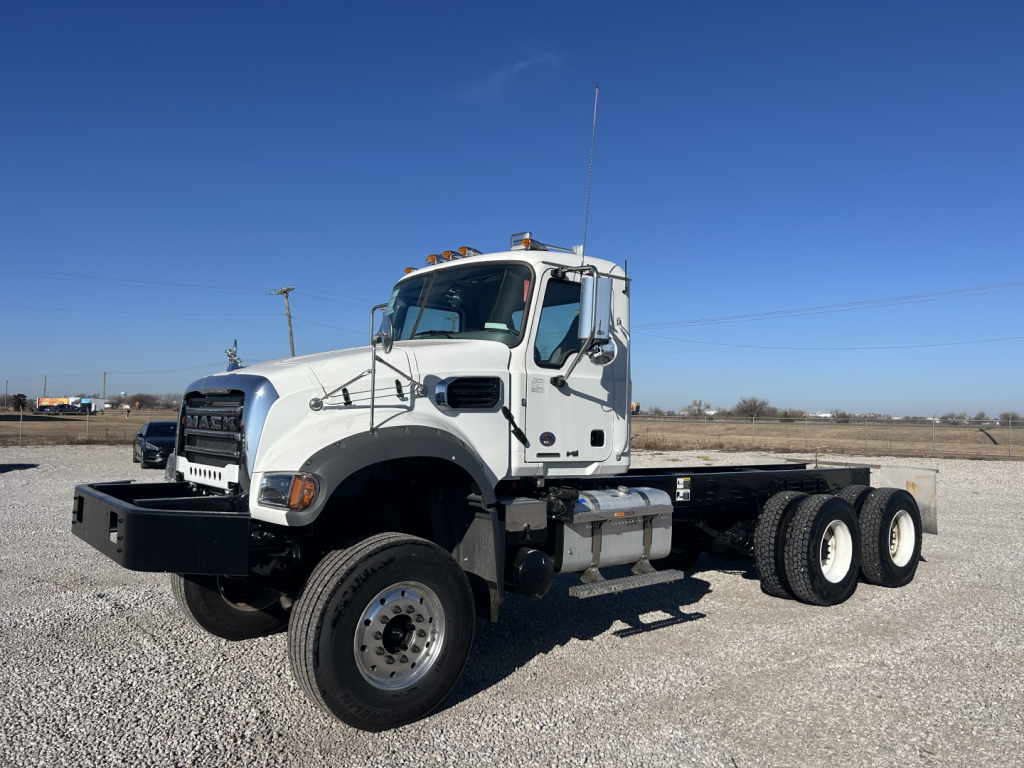

Selling a new 2026 cab and chassis truck? List your new 2026 cab and chassis truck for sale and reach thousands of commercial buyers.
New 2026 Cab and Chassis Trucks in Oklahoma
The first decisions usually come down to axle configuration, wheelbase, and weight capacity. Common specs in this class include Class 6 through Class 8 ratings, single-axle and tandem-axle layouts, front axles in the 12,000 to 20,000 pound range, and rears from around 21,000 pounds on lighter builds up to 46,000 pounds or more on heavy vocational setups. Wheelbase drives body fit, bridge compliance, turning radius, and frame space for toolboxes, outriggers, pumps, or hydraulic tanks. Buyers comparing 2026 models should also pay attention to frame rail section modulus, rear frame overhang, cab-to-axle dimension, and whether the truck is delivered with body-builder provisions already in place.
Powertrain selection depends on the intended body and duty cycle. Diesel engines in this category are commonly paired with automated manuals or full automatics, and PTO compatibility is a major consideration if the truck will run hydraulics for a dump, crane, winch, blower, or packer. Vocational chassis often use heavier suspensions, double-channel frames, vocational gearing, and driver-assist features tailored to stop-and-go or jobsite service. In Oklahoma, many buyers also look for cooling capacity, air intake placement, brake configuration, and tire choices that suit heat, dust, rural roads, and mixed highway-jobsite use. If the truck will spend time off pavement, ground clearance, locking differentials, and front axle capacity deserve close attention.
A well-matched cab and chassis saves money after the sale because the body mounts correctly, axle weights stay where they should, and the truck performs as intended once it is loaded. New 2026 models also appeal to buyers who want current emissions systems, updated safety technology, warranty coverage, and a fresh chassis life before the upfit begins. When comparing listings, focus less on badge alone and more on the complete build sheet: engine horsepower and torque, transmission type, axle ratio, wheelbase, GVWR, PTO provisions, and the exact body-ready dimensions your upfitter requires.
Frequently Asked Questions about New 2026 Cab and Chassis Trucks in Oklahoma
What is a cab and chassis truck used for?
A cab and chassis truck is a body-ready platform designed to accept a vocational or commercial upfit. Common uses include dump trucks, flatbeds, service trucks, utility trucks, tow trucks, refuse trucks, water trucks, and mechanics trucks. The main advantage is that the buyer can match the chassis to a specific application by selecting the right wheelbase, axle capacity, PTO equipment, and frame dimensions before the body is installed.
How do I choose the right wheelbase for a cab and chassis?
Wheelbase selection should start with the body manufacturer's required cab-to-axle and frame length dimensions. A longer wheelbase can improve body fit and weight distribution for larger bodies, but it can also reduce maneuverability and increase turning radius. A shorter wheelbase can work better in urban service or tight jobsites, but it may limit body length or create axle loading issues. The right choice depends on body size, payload placement, and how the truck will be operated day to day.
What specs matter most on a new 2026 cab and chassis truck?
The key specs are GVWR, front and rear axle ratings, wheelbase, cab-to-axle measurement, engine horsepower and torque, transmission type, axle ratio, frame strength, and PTO readiness. Buyers should also verify suspension type, brake system, tire size, fuel tank placement, and any body-builder switches or wiring provisions. These details determine whether the truck can legally carry the intended body and payload and whether the upfit can be installed without major modification.
Is an automatic or automated manual transmission better for cab and chassis work?
That depends on the duty cycle and the equipment being powered. Full automatic transmissions are often preferred for refuse, municipal, utility, and stop-and-go applications because they are easy to operate and work well in frequent shifting conditions. Automated manual transmissions can be a strong choice for regional vocational use where fuel efficiency, driver familiarity, and highway time matter more. PTO requirements, terrain, and gross weight should all be reviewed before making the final transmission choice.
Why do PTO provisions matter on a cab and chassis truck?
PTO provisions matter because many cab and chassis applications rely on hydraulic or mechanical power from the transmission or engine to run the body. Dump bodies, cranes, winches, hooklifts, mixers, and refuse packers often require a compatible PTO setup. If the truck is not properly spec'd for PTO operation, the upfitter may face added cost, limited equipment choices, or performance issues. Buyers should confirm PTO openings, controls, programming, and power ratings early in the spec process.