
New 2026 Mack Cab and Chassis Trucks For Sale in Oklahoma
Shop new 2026 Mack cab and chassis trucks in Oklahoma, including Granite and LR models built for dump, refuse, utility, and vocational upfits.
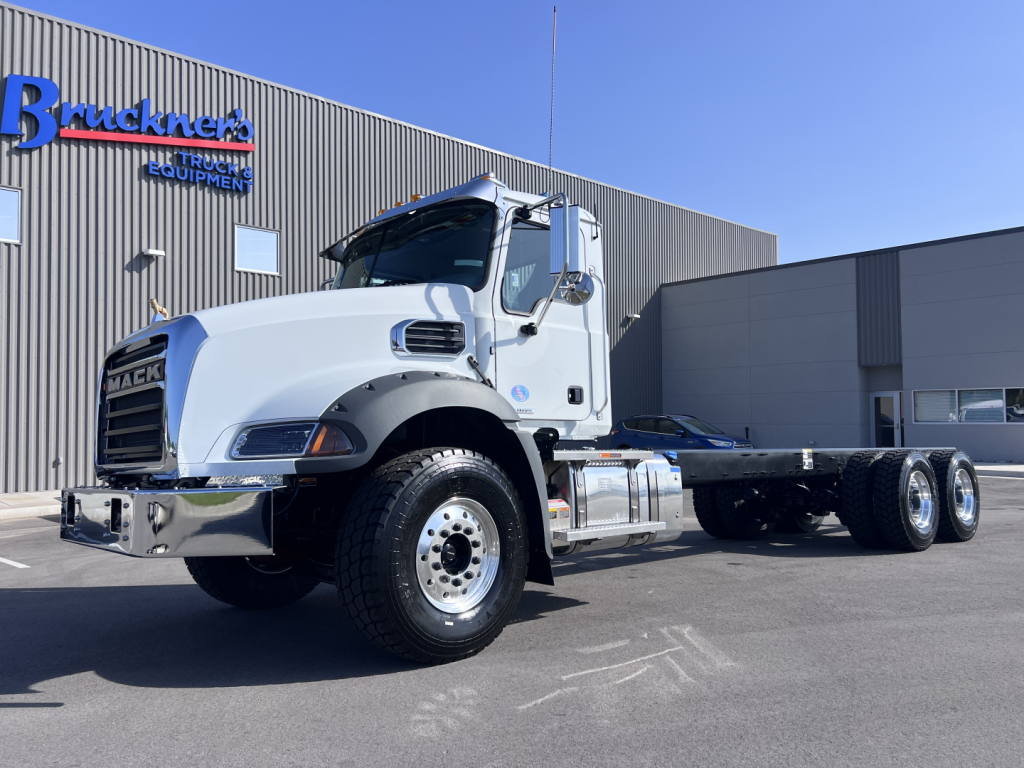
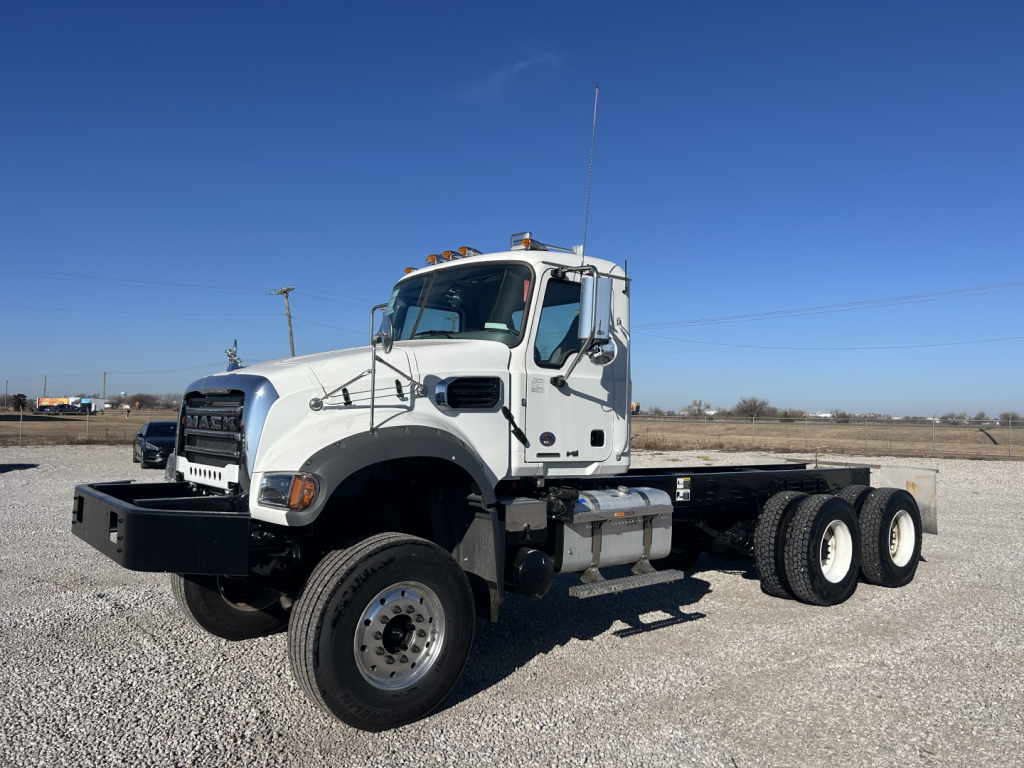

Selling a new 2026 mack cab and chassis truck? List your new 2026 mack cab and chassis truck for sale and reach thousands of commercial buyers.
New 2026 Mack Cab and Chassis Trucks in Oklahoma
The main buying decisions usually come down to engine, transmission, axle ratings, and wheelbase. Current 2026 Mack cab and chassis specs in the market commonly include MP7 and MP8 diesel engines, with horsepower ranges suited to both regional vocational work and heavier payload applications. Buyers will also see Allison automatic transmissions and Mack mDRIVE automated manuals depending on the job cycle. Allison setups are common for refuse, utility, and frequent-start work where smooth engagement and PTO integration are priorities. mDRIVE can be a strong fit for dump, contractor, and heavier on-road vocational use where fuel economy and driver consistency matter. Front axle ratings around 18,000 to 20,000 pounds and rear axle ratings up to 46,000 pounds are common on heavy-duty Granite chassis, and rear ratios should be matched to terrain, legal payload targets, and startability requirements.
Wheelbase, cab-to-axle, and frame height need close attention before purchase because they determine what body can be installed without costly modifications. Buyers comparing 2026 Mack Granite cab and chassis trucks should verify frame section, PTO provision, suspension type, and whether the chassis is already set up for hoist, pump, mixer, or vocational electrical needs. Hendrickson and Mack severe-duty suspensions are common in this class, especially on dump and construction-oriented specs. For refuse buyers, the Mack LR stands out for its low-entry design and available dual steering configurations, which can improve route visibility and right-side operation depending on fleet preference. In either platform, body-builder wiring access, clear back-of-cab packaging, and axle placement are worth checking early.
A new Mack cab and chassis truck appeals to buyers who want current emissions equipment, factory warranty coverage, and a chassis spec tailored to the body they plan to install. The best choice is rarely the highest horsepower truck on the page. It is the truck with the right wheelbase, correct axle spread, proper transmission for the duty cycle, and enough frame and PTO capability for the upfit. For Oklahoma fleets running in construction, municipal service, waste, oilfield support, or local delivery, a properly spec’d 2026 Mack cab and chassis can shorten body installation time and deliver better uptime once it goes to work.
Frequently Asked Questions about New 2026 Mack Cab and Chassis Trucks in Oklahoma
What is the difference between a Mack Granite cab and chassis and a Mack LR cab and chassis?
A Mack Granite cab and chassis is generally designed for heavier vocational applications such as dump bodies, construction service trucks, mixers, and other severe-duty work. A Mack LR cab and chassis is typically used for refuse and municipal applications where low-entry access, visibility, and stop-and-go drivability are more important. Granite models often carry higher axle and suspension specs for rugged jobsite conditions, while LR models are optimized for urban route work and body integration for packers and similar equipment.
What specs matter most when buying a new 2026 Mack cab and chassis truck?
The most important specs are wheelbase, cab-to-axle dimension, front and rear axle ratings, engine output, transmission type, rear ratio, and frame configuration. These determine whether the truck will accept the intended body and how it will perform once upfitted. PTO provision, suspension type, and body-builder wiring access also matter because they affect installation cost and compatibility with dump hoists, hydraulic systems, pumps, compressors, and other vocational equipment.
Is an Allison automatic or Mack mDRIVE better for a cab and chassis application?
It depends on the duty cycle. Allison automatic transmissions are commonly preferred for refuse, utility, and other applications with constant starts, stops, and PTO use because they offer smooth low-speed operation and broad body-builder familiarity. Mack mDRIVE automated manual transmissions are often chosen for dump, contractor, and regional vocational work where fuel efficiency, consistent shifting, and highway performance are important. The better choice is the one that matches route profile, driver environment, and the body equipment being installed.
How do I choose the right wheelbase for a Mack cab and chassis?
The correct wheelbase is based on the body length, body weight distribution, required cab-to-axle dimension, and local bridge or axle-weight considerations. A chassis that is too short may not fit the body correctly, while one that is too long can create unnecessary weight, poor maneuverability, or expensive frame changes. Buyers should confirm the body manufacturer’s dimensional requirements before committing to a chassis, especially for dumps, rollbacks, refuse bodies, and crane installations.
Are Mack cab and chassis trucks a good fit for Oklahoma vocational fleets?
Yes. Mack cab and chassis trucks are commonly used in Oklahoma for construction, municipal work, waste hauling, utility service, and oilfield-related support because they are available in severe-duty configurations with strong axle ratings, vocational suspensions, and body-ready frame layouts. Buyers in Oklahoma often prioritize durable drivetrains, proper gearing for mixed paved and unpaved conditions, and chassis specs that can be upfitted quickly for local work cycles.