
Mack Cab and Chassis Trucks For Sale
Shop Mack cab and chassis trucks with medium and heavy-duty specs, flexible wheelbases, and body-ready configurations for vocational use.
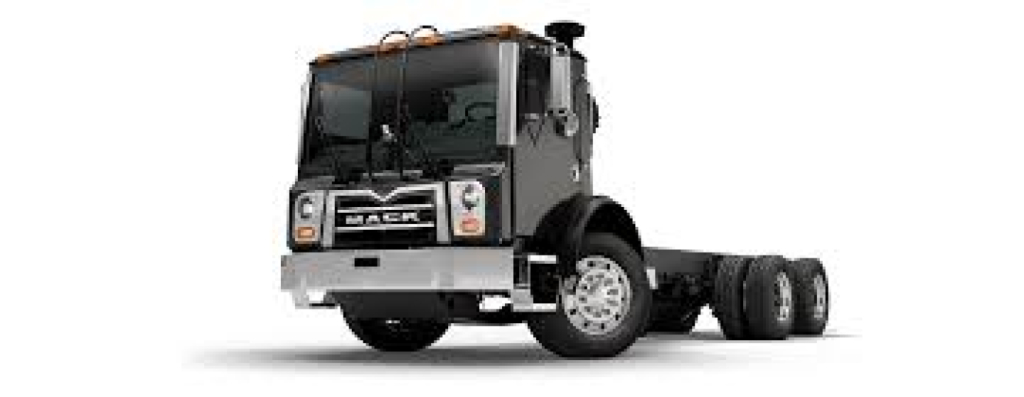
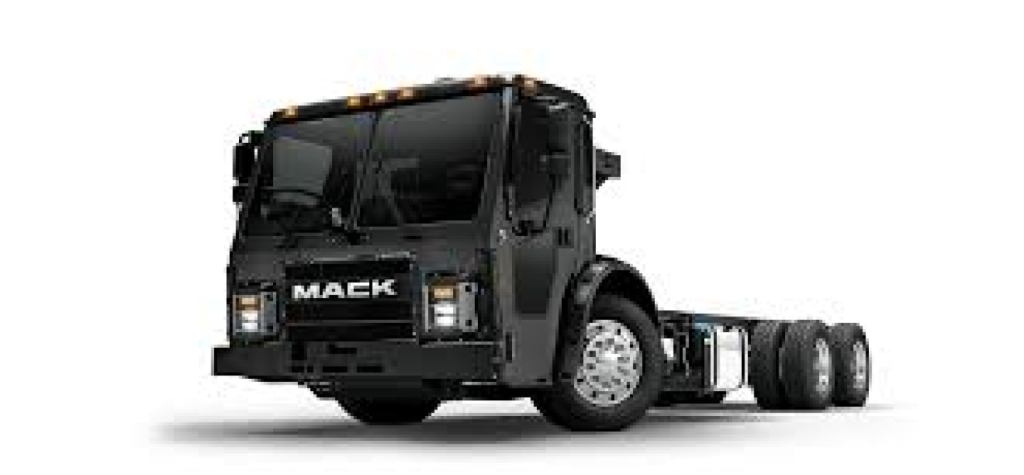

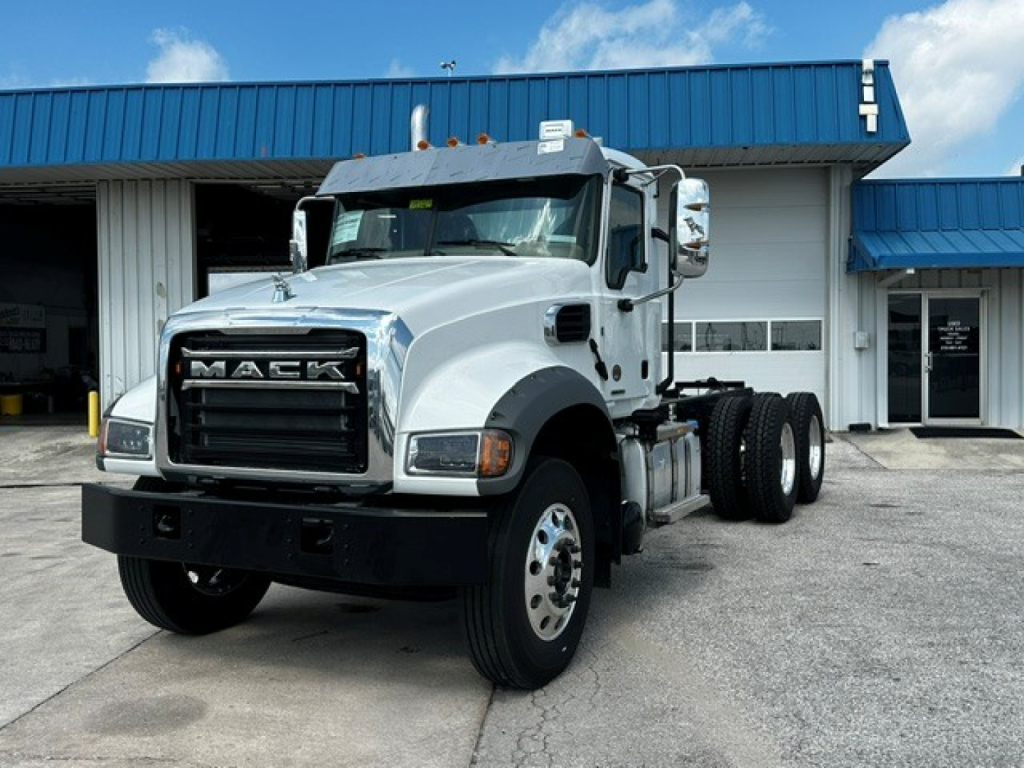
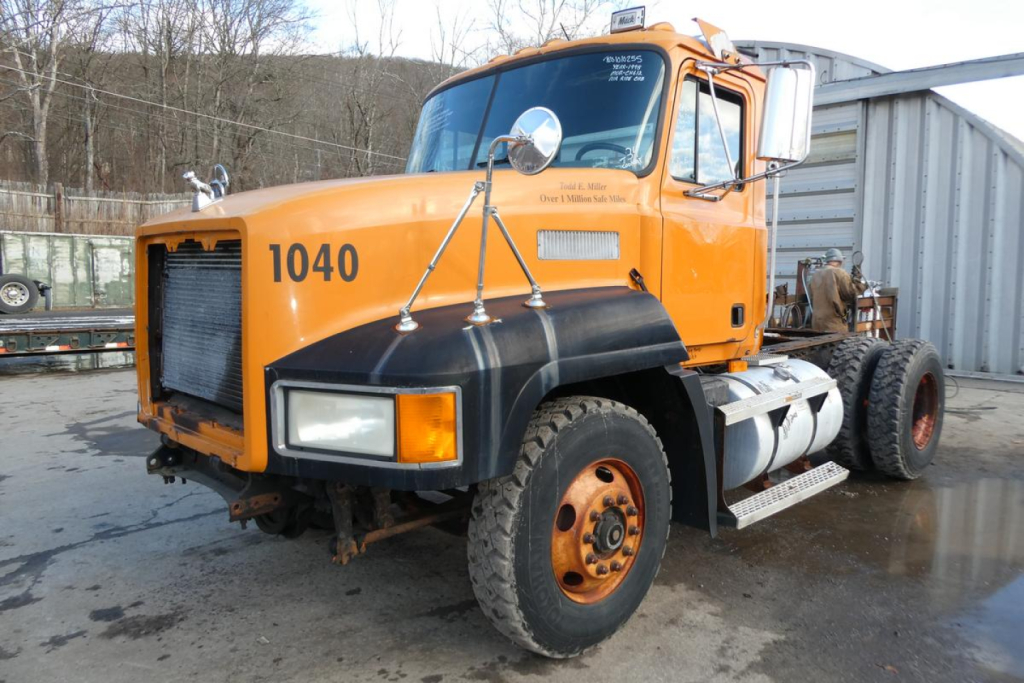
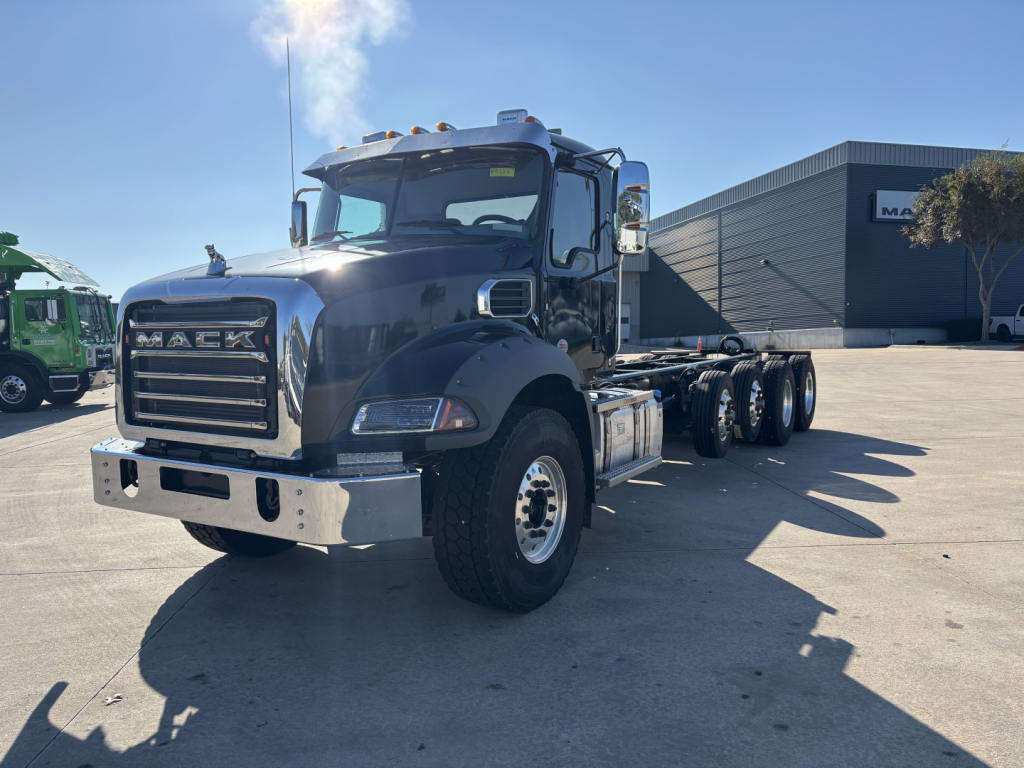
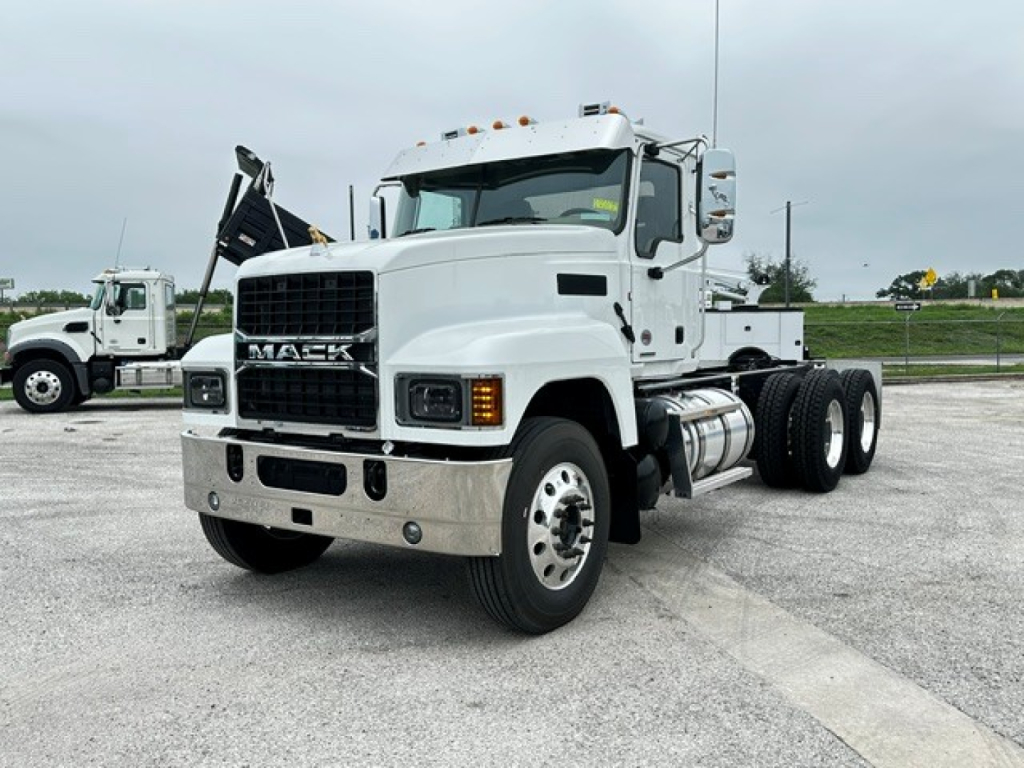
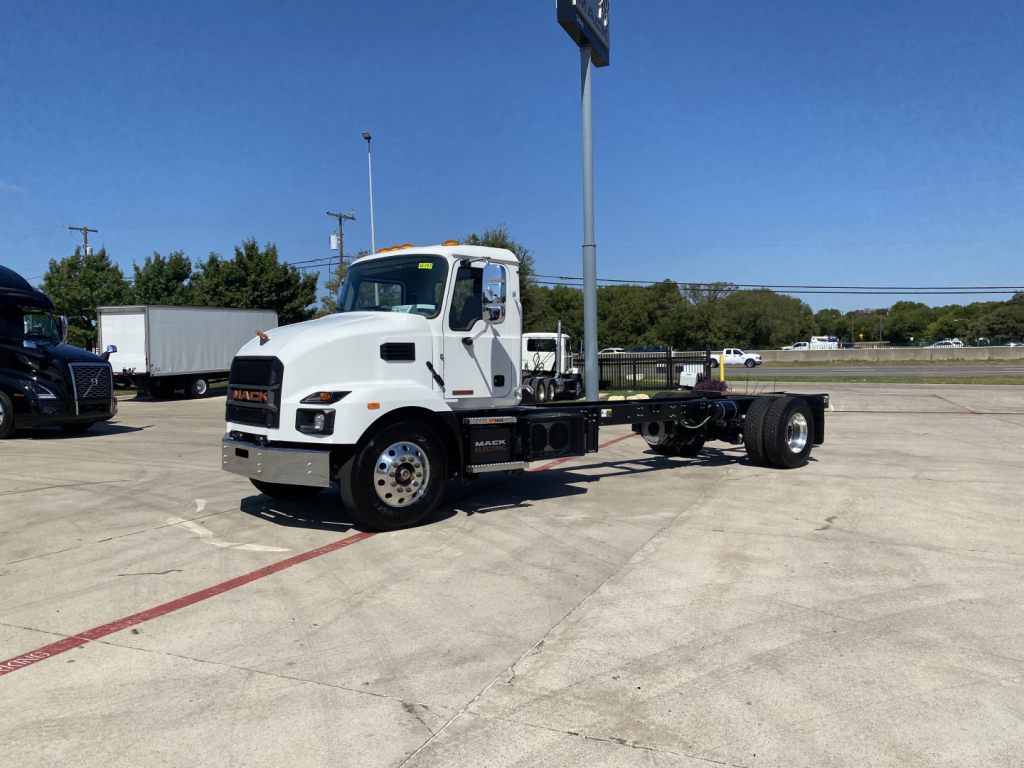
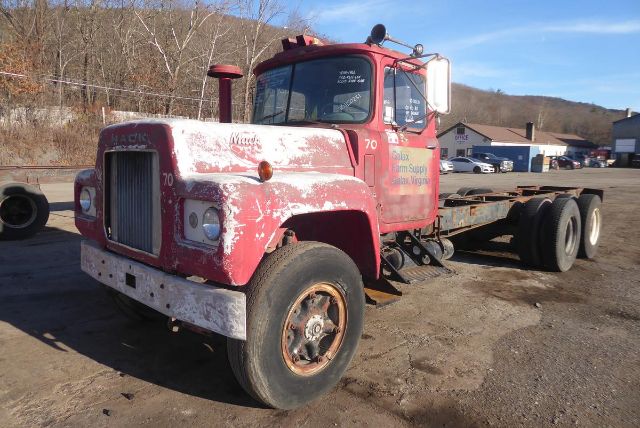
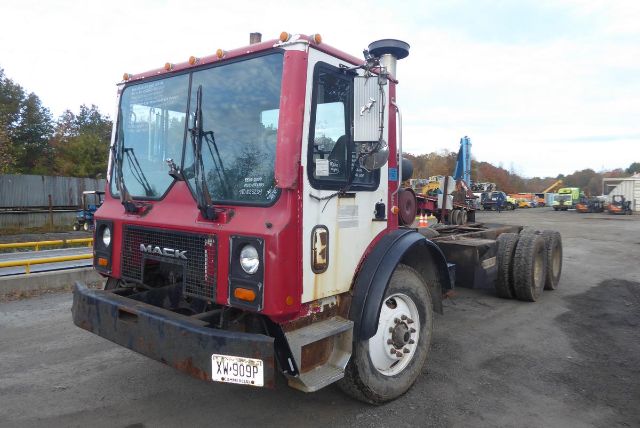
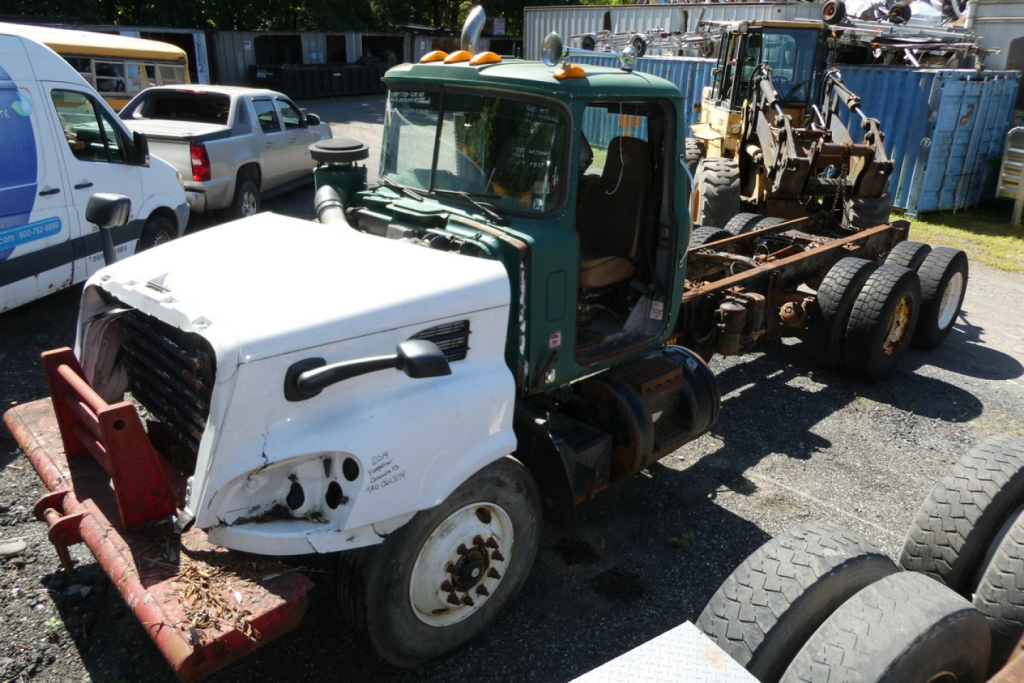
Showing 1 to 28 of 31 results
Selling a mack cab and chassis truck? List your mack cab and chassis truck for sale and reach thousands of commercial buyers.
Mack Cab and Chassis Trucks
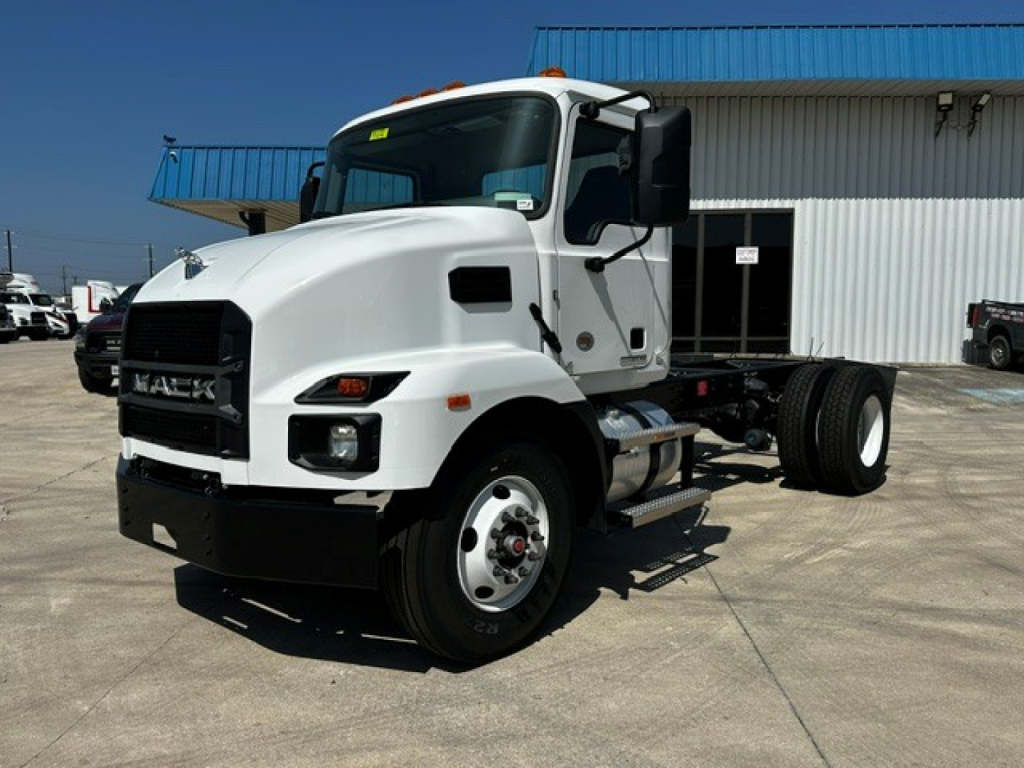
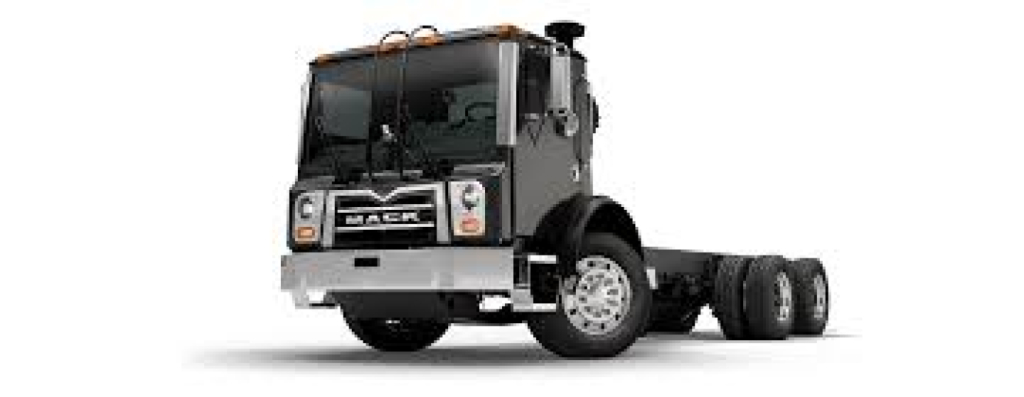
The medium-duty side usually centers on GVWR classes around 27,000 to 33,000 pounds, often with Cummins B6.7 or ISB 6.7 power and Allison automatic transmissions. These setups are common on landscape dumps, box body conversions, service bodies, and municipal units where easy driver training and stop-and-go performance are priorities. Typical specs include single rear axles, wheelbases ranging from short CA dimensions for compact bodies to longer wheelbases for van bodies or equipment-hauling applications, and rear axle ratios in the 5.xx range to support startability and PTO work. If the truck will spend most of its life in town, transmission calibration, turning radius, and front axle rating are just as important as horsepower.
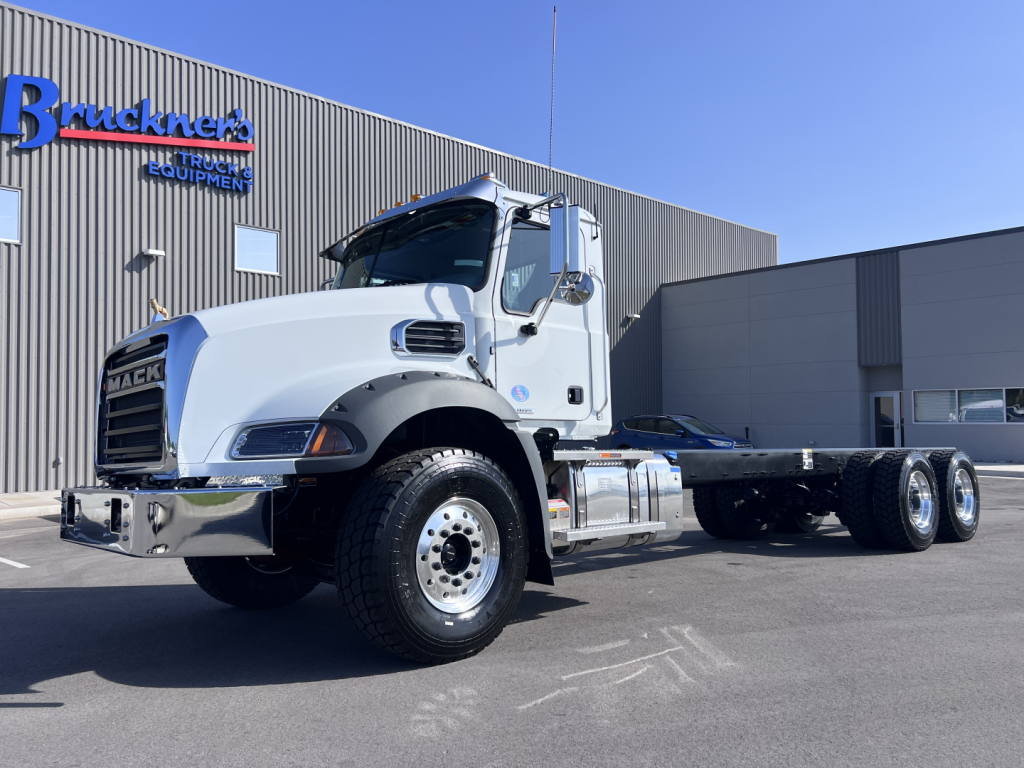
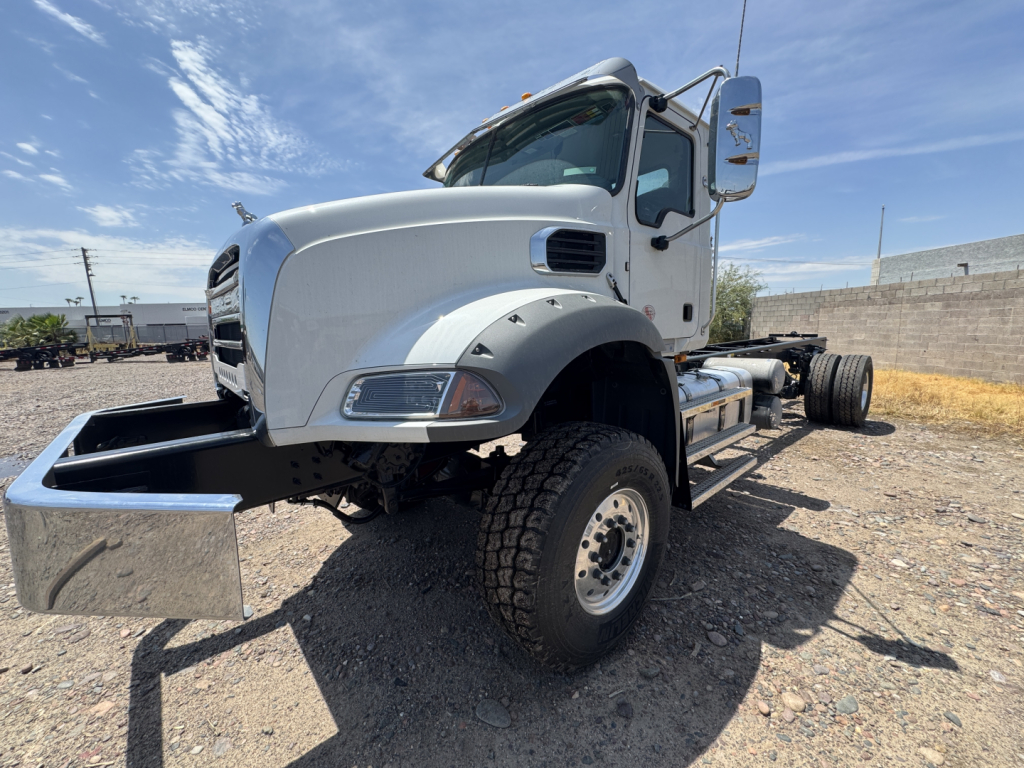
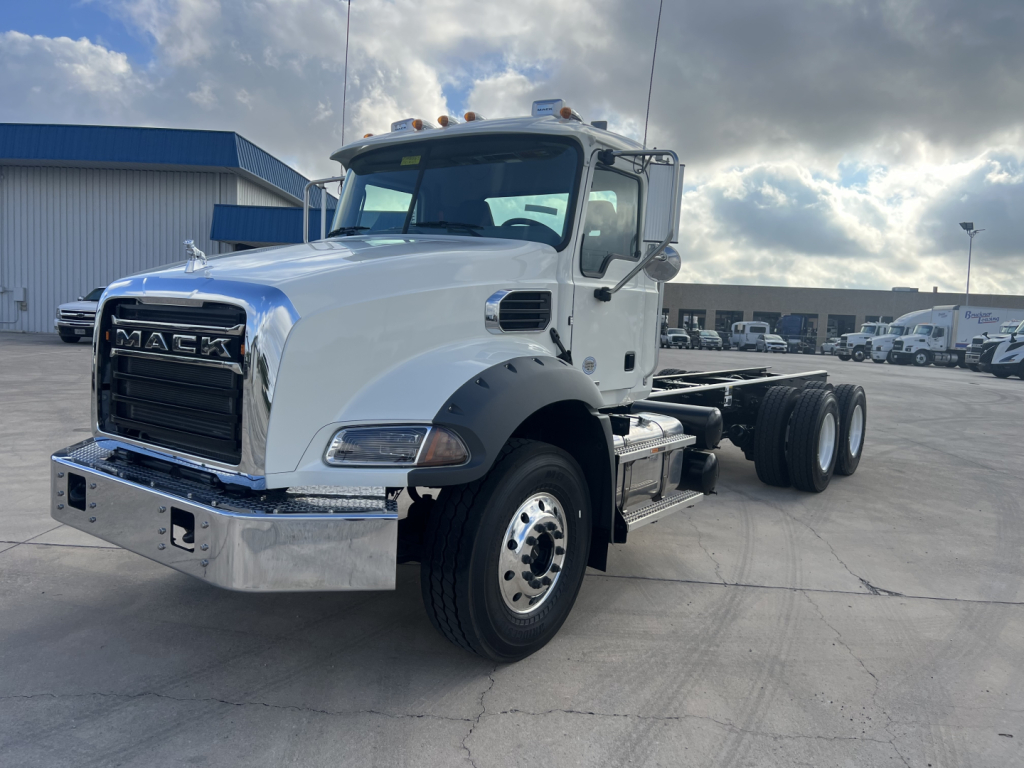
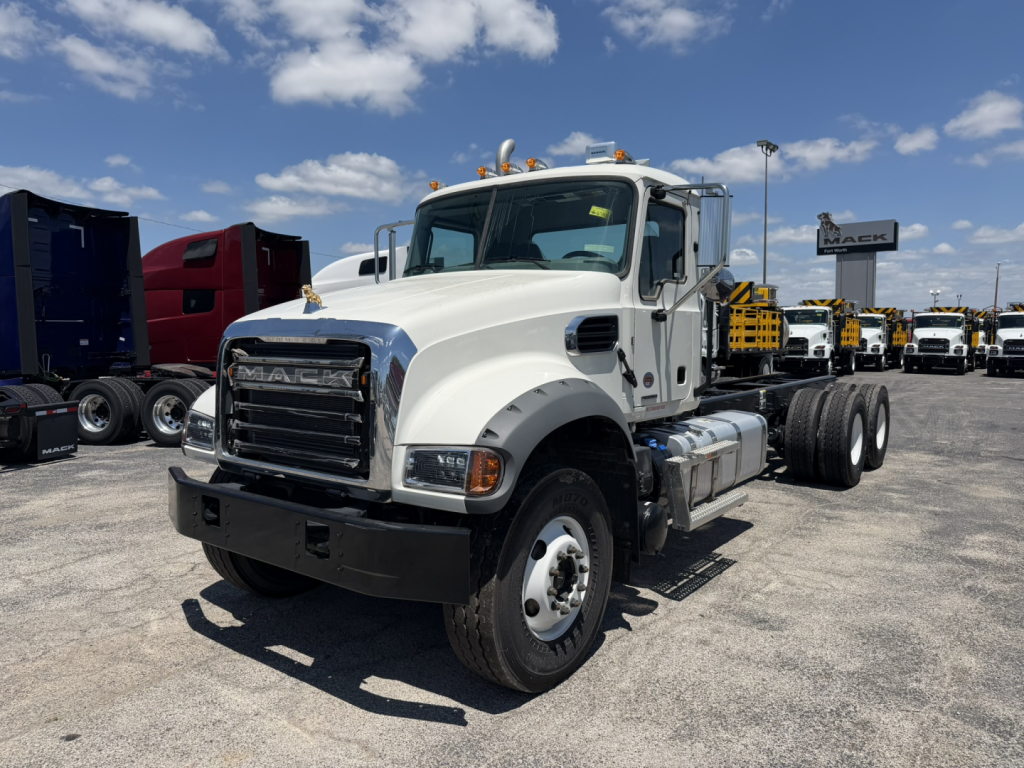
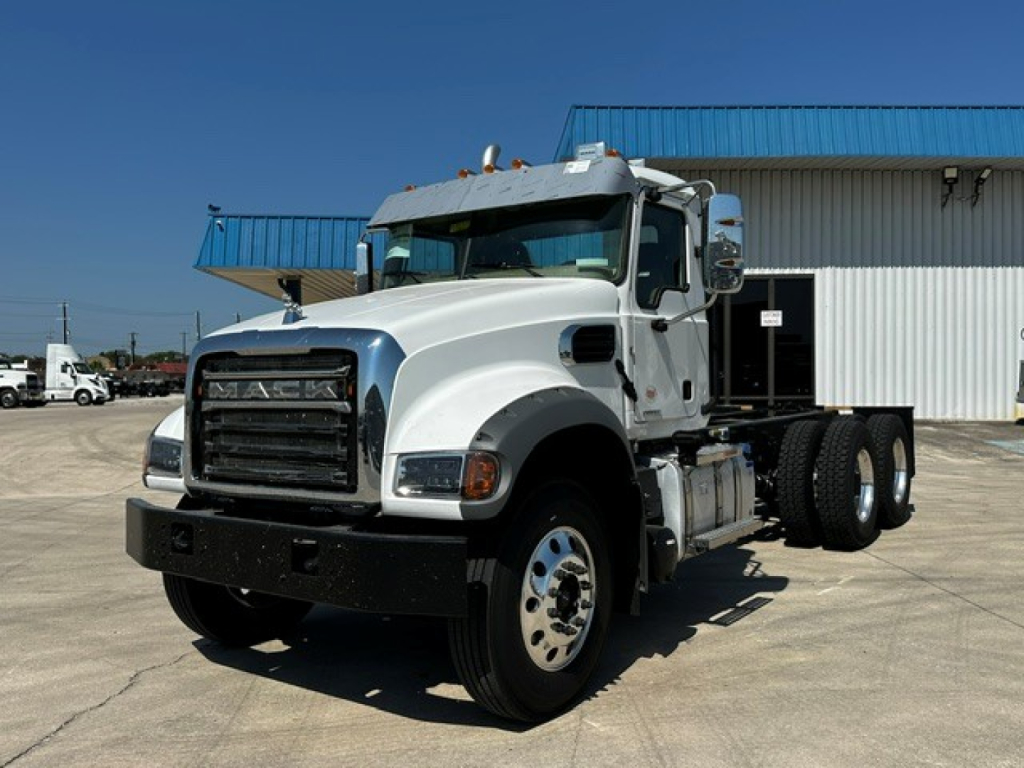
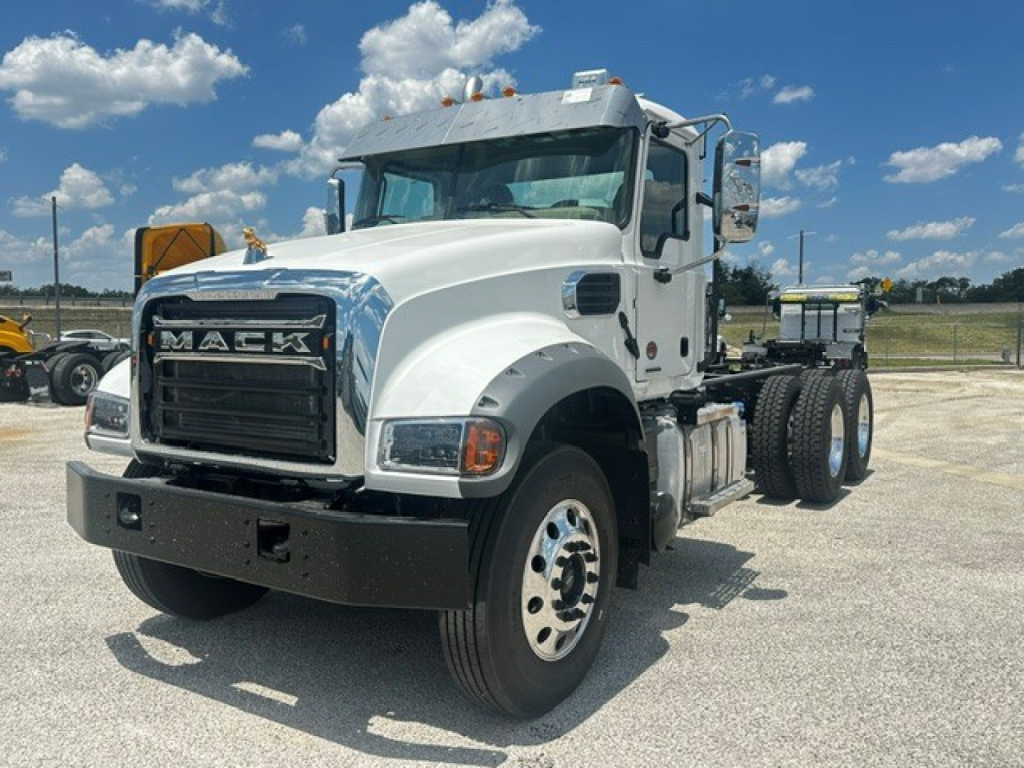
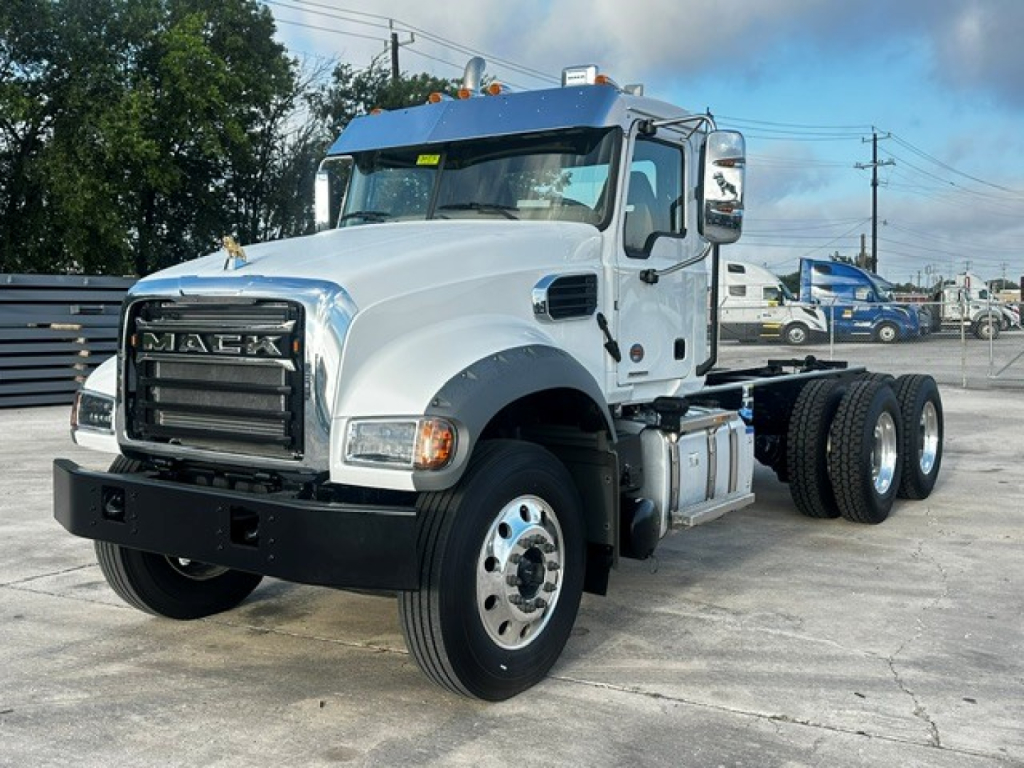
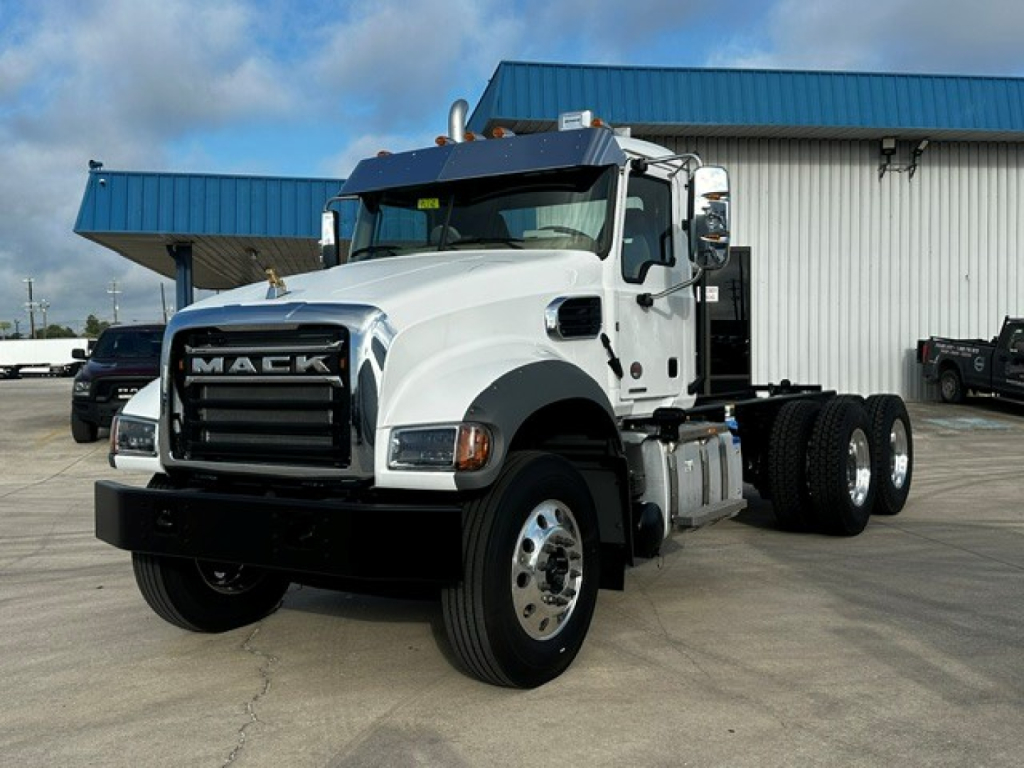
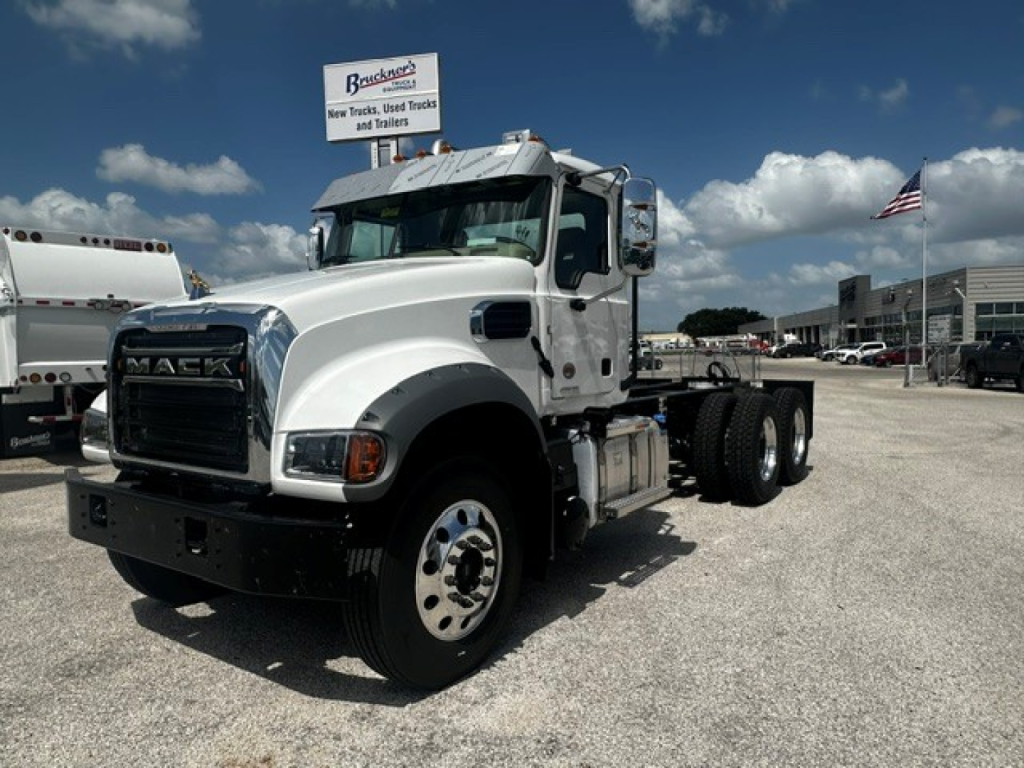
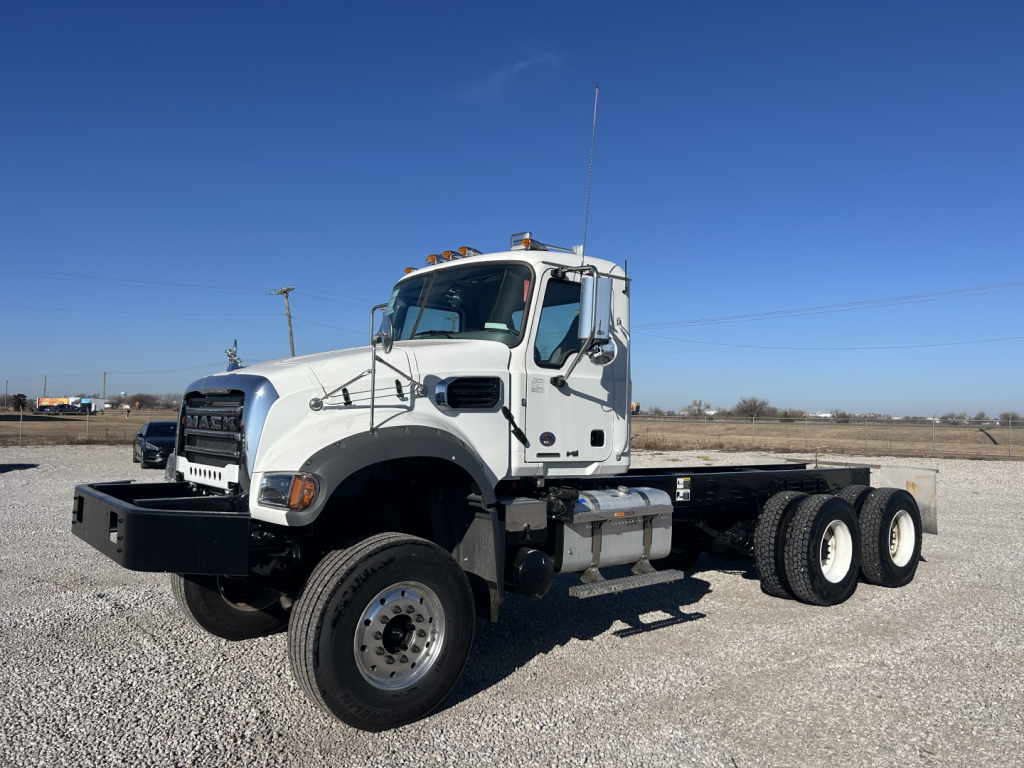
On the heavy-duty end, Mack Granite cab and chassis trucks are a standard choice for construction and public works fleets that need durability under body-upfit stress. Common configurations include 6x4 tandem axles, 20,000-pound front axles, 46,000-pound rears, Camelback or other vocational suspensions, and GVWRs around 66,000 pounds. Engines such as the Mack MP7 in the 370 to 425 horsepower range are frequently paired with Mack manual or mDRIVE automated transmissions, including deep reduction or creeper options for jobsite work. Buyers comparing Granite chassis should pay close attention to axle-back versus set-forward front axle layouts, frame spec, double-frame availability, suspension type, rear ratio, brake configuration, and whether the chassis already has wet line or front-engine PTO provisions for dump, plow, spreader, or hydraulic equipment.
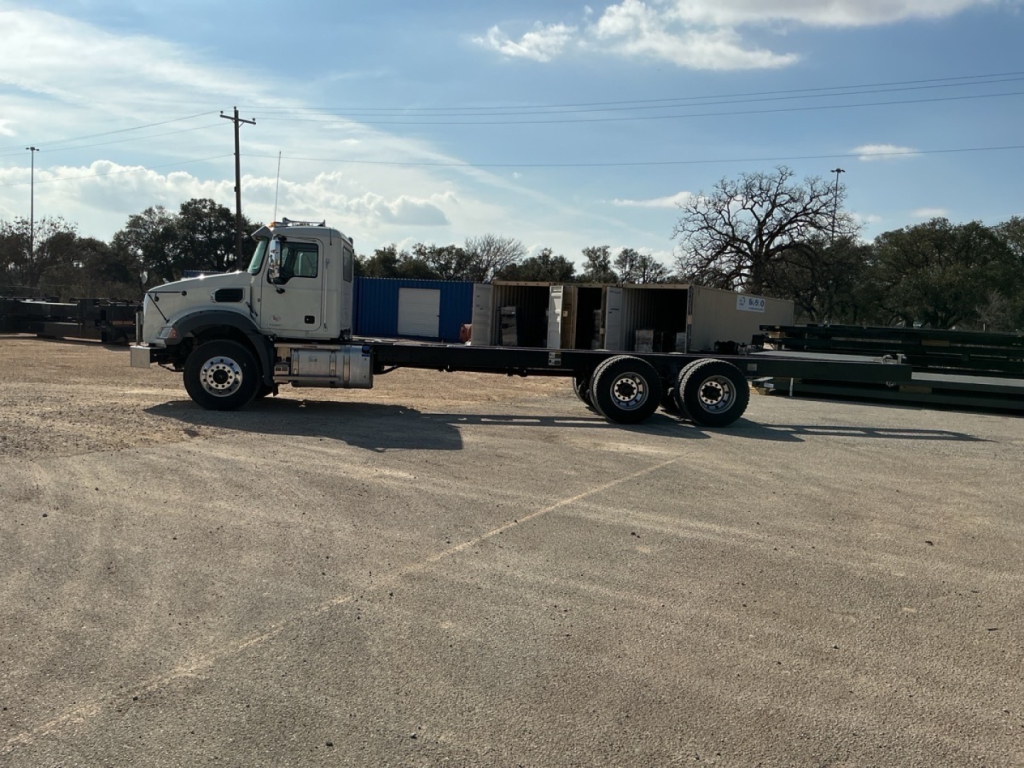
A good Mack cab and chassis match comes down to the body being installed and the duty cycle after the upfit is complete. Cab-to-axle measurement has to line up with the intended body length, and front axle loading must account for plows, cranes, or heavy tool compartments that put extra weight ahead of the firewall. Suspension choice affects both ride and body stability, while gearing affects launch, gradeability, and highway rpm. For used vocational Mack chassis, rust in the frame and crossmembers, PTO operation, suspension bushing wear, steering play, and signs of hard body-service use deserve close inspection. Mack remains a strong fit for buyers who want a body-ready truck with vocational driveline options, stout axle capacities, and a platform that holds up in construction, municipal, and severe-service applications.
Frequently Asked Questions about Mack Cab and Chassis Trucks
What is a Mack cab and chassis truck used for?
A Mack cab and chassis truck is a body-ready platform designed to accept vocational equipment such as dump bodies, service bodies, rollback carriers, utility bodies, tank systems, hooklifts, plows, and spreaders. The truck leaves the factory with the cab, frame, axles, and drivetrain in place so an upfitter can install the body and hydraulic equipment required for the job. Mack offers cab and chassis options that fit both medium-duty municipal and delivery work and heavy-duty construction applications.
What is the difference between Mack MD and Mack Granite cab and chassis models?
The Mack MD6 and MD7 are medium-duty cab and chassis trucks typically used for lower GVWR applications, easier maneuverability, and more urban or municipal duty cycles. They commonly use Cummins 6.7-liter engines with Allison automatic transmissions and single rear axles. Mack Granite cab and chassis models are heavy-duty vocational trucks built for more demanding work, with higher front and rear axle ratings, tandem axle configurations, severe-duty suspensions, and heavier frame options suited for dump, plow, and construction body installations.
Which specs matter most when buying a cab and chassis truck?
The most important specs are wheelbase, cab-to-axle length, front axle rating, rear axle rating, GVWR, frame strength, PTO capability, and suspension type. Those measurements and ratings determine which body can be installed and how the finished truck will carry weight. Buyers should also check engine horsepower, transmission type, rear axle ratio, and brake configuration because those affect launch performance, PTO operation, jobsite drivability, and highway speed.
Is a Mack mDRIVE good for vocational cab and chassis applications?
Mack mDRIVE can be a strong choice for vocational work when the truck is spec'd correctly. Automated transmissions reduce driver fatigue, improve consistency across multiple operators, and can be ordered with heavy-duty programming, deep reduction gearing, and multi-speed reverse options that help in construction and body-upfit applications. Buyers should still confirm PTO compatibility, low-speed maneuvering needs, and how the transmission calibration fits the truck’s intended body and terrain.
What should I inspect on a used Mack cab and chassis truck?
On a used Mack cab and chassis, inspect the frame rails, crossmembers, suspension mounts, and spring hangers for rust, cracks, or repairs from previous vocational service. Check PTO and wet line operation if the truck was used with hydraulic equipment. Review axle and suspension wear, steering components, brake condition, and signs of overload around the body mounting points. Service history, idle hours, engine brake function, and transmission performance are especially important on trucks that spent time in plow, dump, or municipal stop-and-go work.