
Mack Cab and Chassis Trucks For Sale in Colorado
Shop Mack cab and chassis trucks for sale in Colorado. Compare MP7 power, axle ratings, wheelbases, and upfit-ready specs for demanding work.
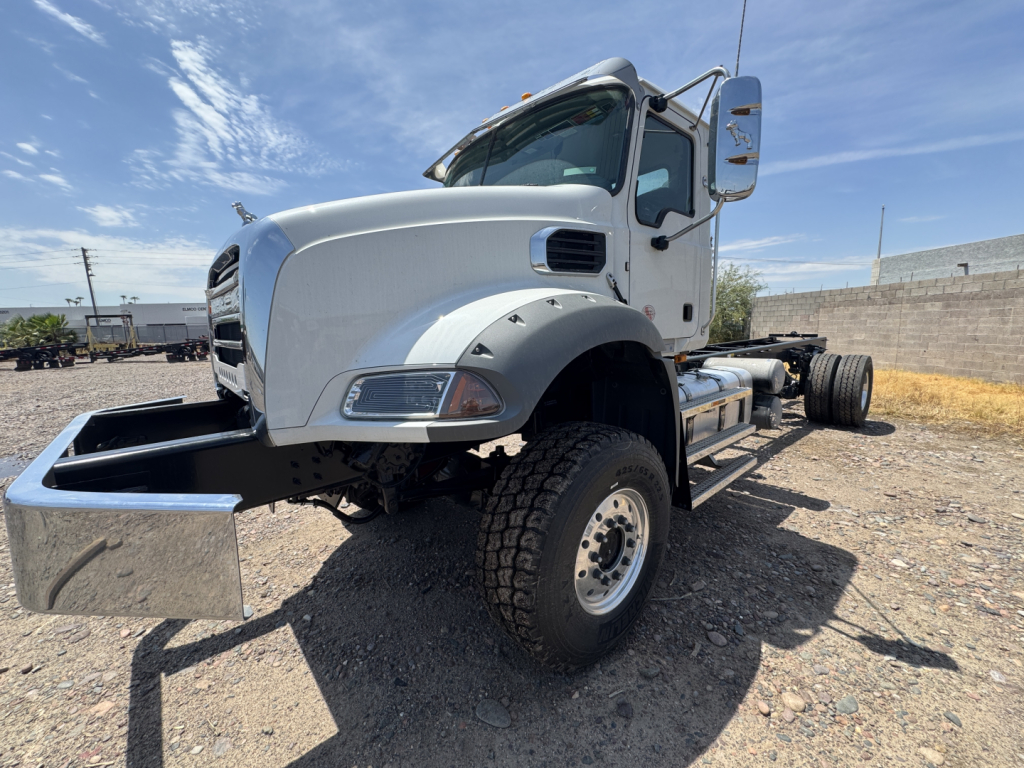
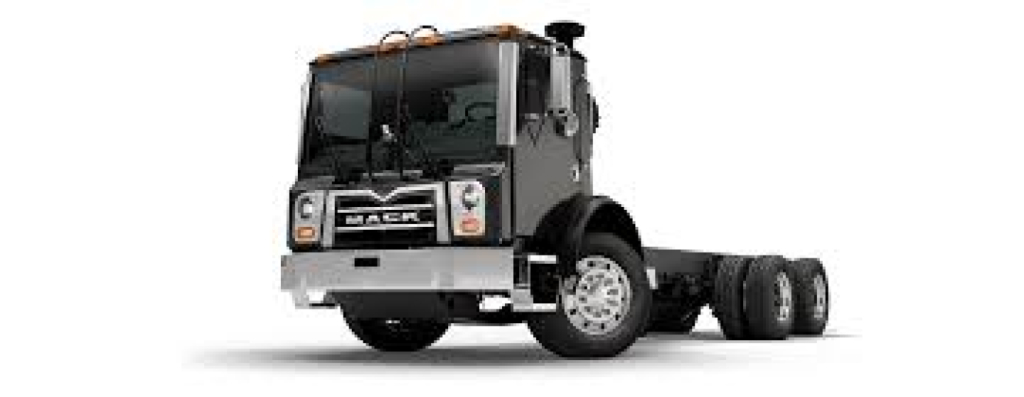
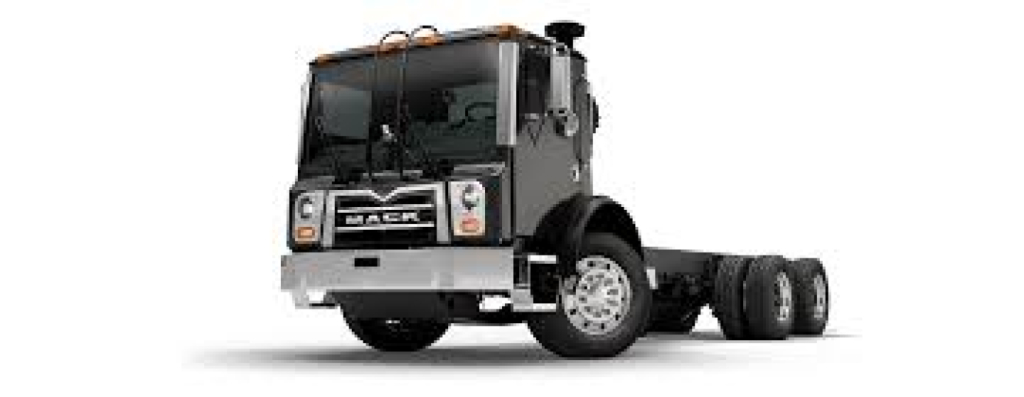
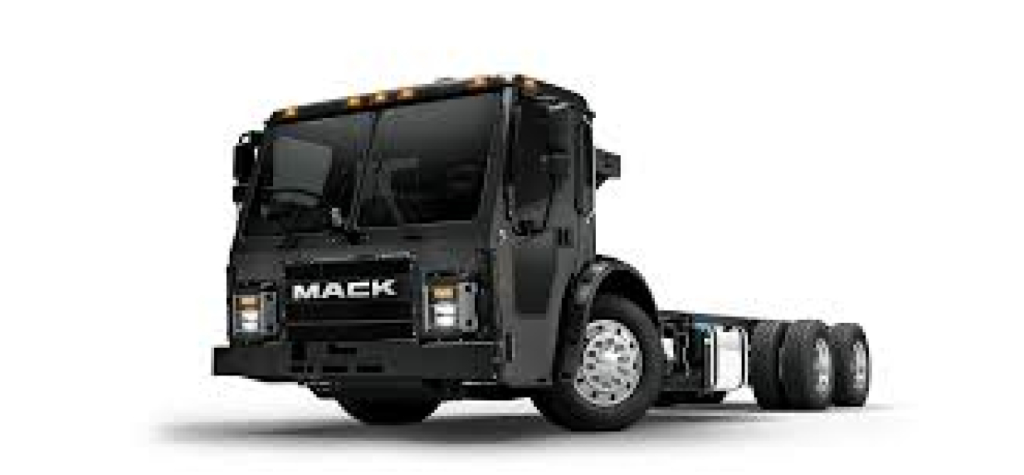
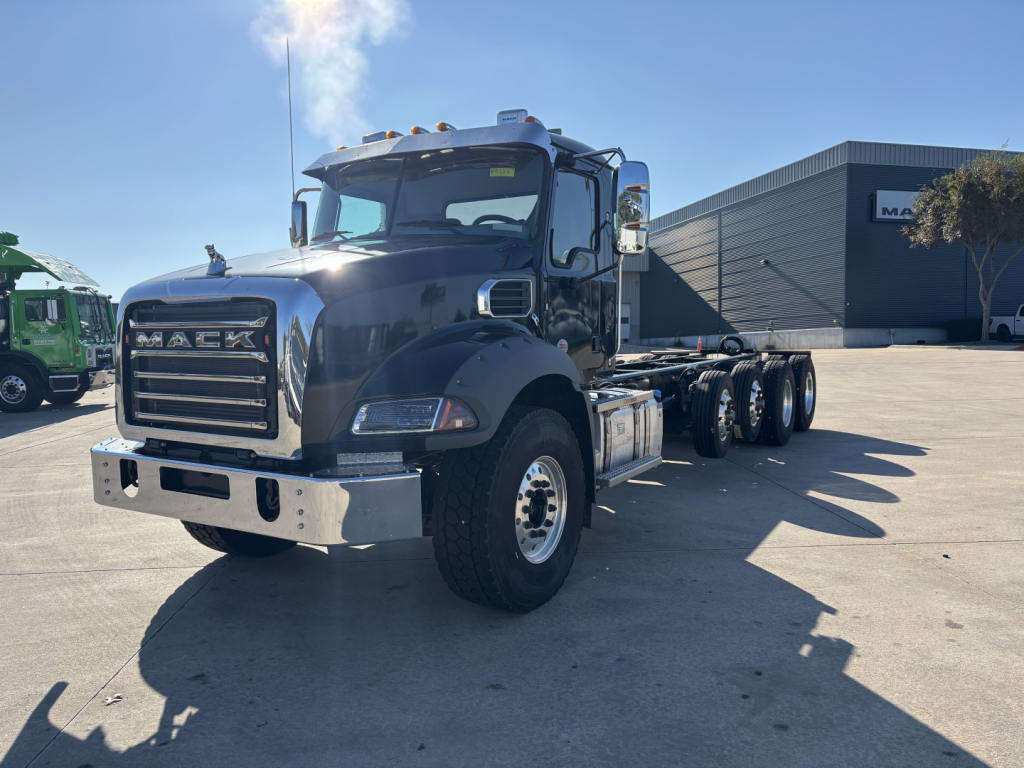
Selling a mack cab and chassis truck? List your mack cab and chassis truck for sale and reach thousands of commercial buyers.
Mack Cab and Chassis Trucks in Colorado
A common decision point is engine and transmission spec. Mack MP7 power is a popular fit in this category because it gives a strong horsepower and torque range for municipal work, construction support, and regional hauling without stepping into a larger displacement package. Many cab and chassis trucks in this class are paired with Allison automatic transmissions, especially where frequent starts, PTO operation, and mixed-driver fleets are part of the job. Buyers running in the Front Range, mountain corridors, or energy and construction routes around Colorado should pay close attention to rear axle ratio, transmission programming, and cooling package. Those details affect launch performance on grades, cruising rpm, and how well the truck handles altitude, jobsite access roads, and loaded starts.
Upfit planning should drive the buying decision early. Wheelbase, cab-to-axle, frame rail spacing, and available clear back-of-cab room all affect how easily the chassis can accept a dump body, crane body, vacuum system, flatbed, contractor body, or snow and ice package. A higher front axle rating can be critical for plow gear, heavy hydraulic equipment, or front-mounted accessories. Suspension choice also matters. Air ride can improve ride quality and help protect certain loads or equipment, while vocational spring or severe-duty air suspensions may be preferred for stability and durability in rough service. Brake type, PTO openings, electrical provisions, and body builder support should all be verified before purchase if the truck is headed straight to an upfitter.
Mack cab and chassis trucks also tend to appeal to buyers focused on long service life and straightforward maintenance access. The right truck is not just about maximum GVWR. It is about matching axle spread, suspension capacity, turning radius, and frame spec to the body and duty cycle. In Colorado, buyers often benefit from spec choices that support traction, cooling, and braking confidence in variable weather and elevation. When comparing models such as Granite-based chassis and other vocational Mack platforms, look closely at how the truck is configured for the intended body rather than assuming two similar-looking units will perform the same once equipped and loaded.
Frequently Asked Questions about Mack Cab and Chassis Trucks in Colorado
What is a Mack cab and chassis truck used for?
A Mack cab and chassis truck is an incomplete truck built to accept a vocational body after purchase. Common uses include dump trucks, flatbeds, mechanics trucks, service bodies, utility bodies, tank trucks, hooklifts, roll-offs, and snow plow applications. The chassis is selected first so the axle ratings, frame, wheelbase, and drivetrain match the body and payload requirements.
What should I check before buying a cab and chassis for an upfit?
The most important items are wheelbase, cab-to-axle measurement, frame rail dimensions, axle ratings, suspension type, PTO capability, and clearance behind the cab. Buyers should also confirm the intended body length, mounting requirements, hydraulic needs, and front axle loading once equipment is installed. A truck can have enough GVWR on paper and still be a poor fit if the frame layout or axle placement does not match the upfit.
Is an Allison automatic a good choice in a Mack vocational chassis?
An Allison automatic is a strong choice for many vocational applications because it improves low-speed drivability, reduces driver fatigue, and performs well in stop-and-go routes or jobs with frequent PTO use. It is especially common in municipal, utility, refuse, and construction support work where smooth engagement and easy operation matter. Buyers focused on fuel economy or a specific hauling profile should still compare gearing, engine output, and duty cycle before deciding.
How important are axle ratings on a Mack cab and chassis truck?
Axle ratings are critical because they determine how the truck can legally and safely carry body weight, equipment weight, and payload. Front axle capacity is often overlooked, but it becomes very important with plows, cranes, heavy bumpers, or equipment mounted close to the cab. Rear axle and suspension ratings affect stability, durability, and how well the chassis handles concentrated loads once the body is installed.
Are Mack cab and chassis trucks a good fit for Colorado operations?
They can be an excellent fit for Colorado because Mack vocational chassis are commonly spec'd for steep grades, off-road access, and demanding municipal or construction work. Buyers in Colorado should pay close attention to horsepower, torque, rear ratio, cooling system, brake spec, and traction-related axle configuration. Those details matter more in mountain and mixed-terrain service than they do in flatter regional applications.