
2026 Mack Cab and Chassis Trucks For Sale in Colorado
Shop 2026 Mack cab and chassis trucks for municipal, refuse, utility, and vocational upfit applications with versatile axle and body options.
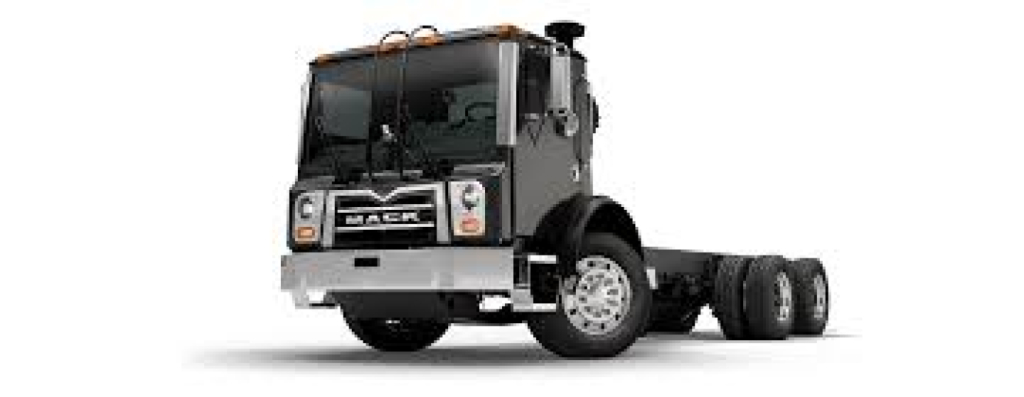
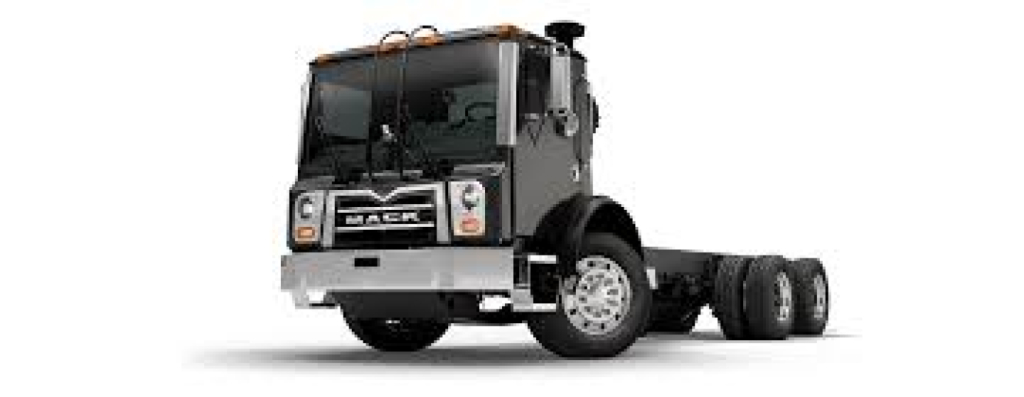
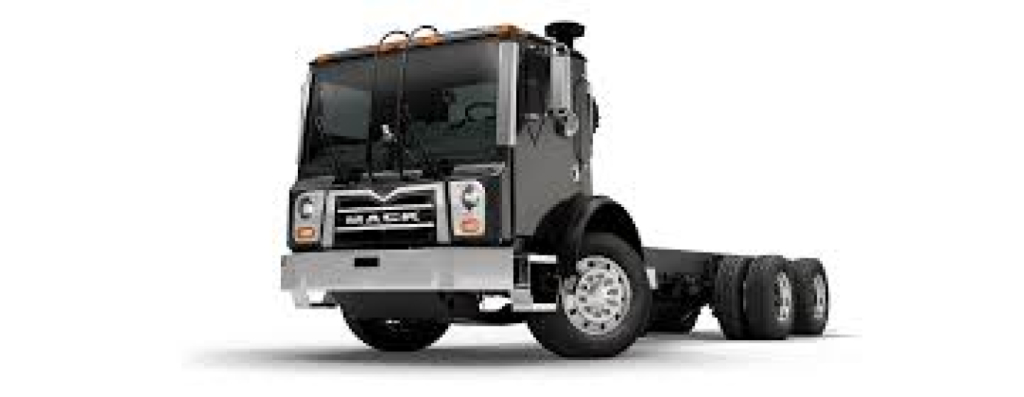
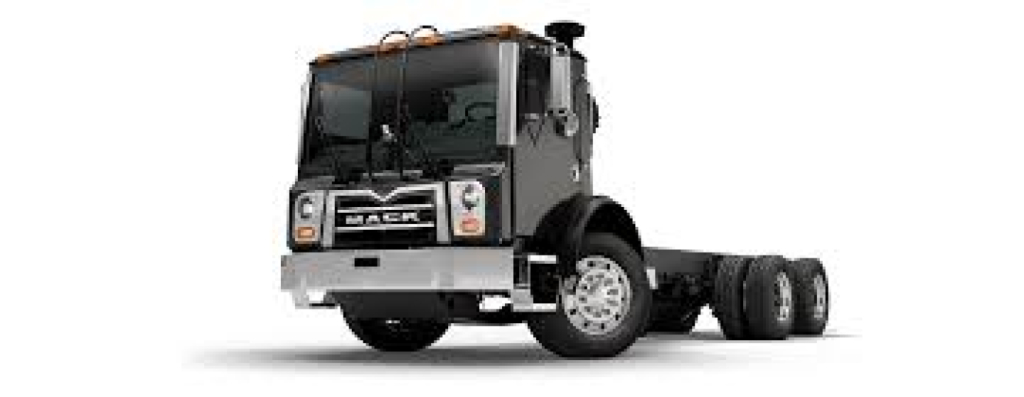
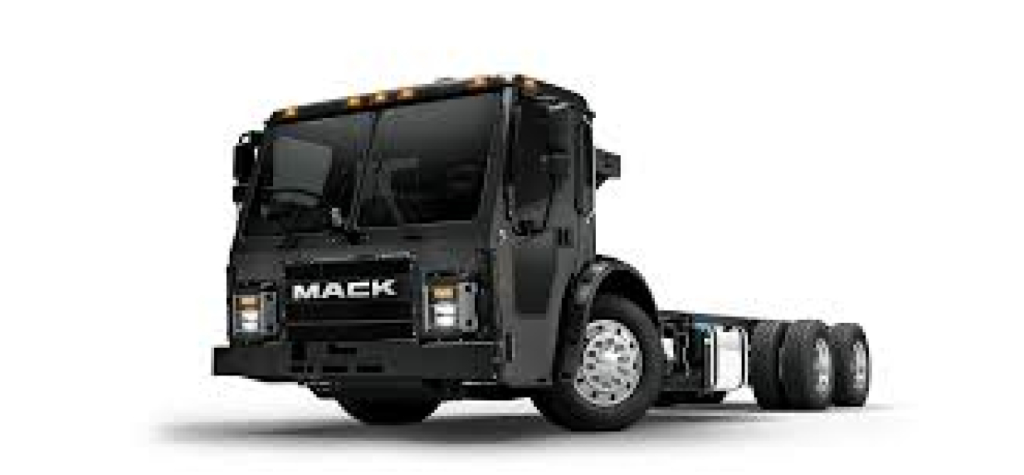
Selling a 2026 mack cab and chassis truck? List your 2026 mack cab and chassis truck for sale and reach thousands of commercial buyers.
2026 Mack Cab and Chassis Trucks in Colorado
For urban and municipal work, the Mack LR64 is a well-known low-cab-forward platform designed around visibility, frequent stops, and easy entry and exit. Dual-drive setups, right-hand stand-up or seated driving positions, foldable passenger doors, and Allison automatic transmissions are common on refuse and sanitation specs. For construction and heavier vocational work, Granite cab and chassis variants are more likely to be configured with higher front axle ratings, tandem or lift axle arrangements, and frame specifications suited for dump, roll-off, or crane body installations. Power in this class often comes from Mack MP-series diesel engines, with horsepower and torque selected around payload, terrain, and PTO demand. Transmission choice is usually driven by application, with automatics favored for stop-and-go municipal routes and automated manual or vocational automatic setups used where durability and ease of operation matter.
Cab and chassis buyers should pay close attention to frame layout and upfit compatibility. Clear frame rail space, back-of-cab dimensions, exhaust routing, fuel tank placement, battery box location, and factory body-builder provisions all affect how easily a body can be installed and serviced later. Axle capacity is another key decision. A truck carrying a front-loading refuse body, a heavy crane, or a plow setup can load the steer axle quickly, especially with added hydraulic equipment and winter gear. Suspension type, pusher or tag axle options, and braking configuration should also match the final body and legal weight targets. In Colorado service, buyers often prioritize strong cooling packages, corrosion resistance, traction-oriented axle specs, and tire choices that support mixed pavement, jobsite, and seasonal conditions.
The 2026 Mack cab and chassis market also includes newer technology considerations, especially as electric vocational platforms enter municipal fleets. Mack TE models are aimed at fleets looking at zero-emission urban applications, where route length, body power demand, charging strategy, and payload impact need to be evaluated carefully alongside acquisition cost. Diesel Mack chassis still dominate many heavy vocational roles because of range, refueling speed, and broad body compatibility, but the right decision depends on route predictability and infrastructure. A good cab and chassis spec is one that balances body integration, legal payload, service access, and driver productivity. Buyers who define the upfit first and then match wheelbase, axle ratings, engine, transmission, and cab configuration usually end up with a truck that works better over the long haul.
Frequently Asked Questions about 2026 Mack Cab and Chassis Trucks in Colorado
What is a Mack cab and chassis truck used for?
A Mack cab and chassis truck is a stripped vocational truck platform sold without the final body, allowing it to be upfitted for a specific job. Common applications include refuse collection, dump service, hooklift work, utility fleets, service bodies, tank trucks, and winter maintenance. The value of a cab and chassis is that the wheelbase, frame, axle ratings, and PTO provisions can be matched to the body and operating conditions before the truck enters service.
What is the difference between a Mack LR cab and chassis and a Mack Granite cab and chassis?
The Mack LR is typically associated with low-entry, high-visibility municipal work such as refuse collection and other stop-and-go urban applications. It is designed for frequent entry and exit, tight routing, and driver ergonomics in dense service areas. Granite-based cab and chassis trucks are generally chosen for heavier vocational and construction jobs where higher axle ratings, stronger frame options, and severe-service durability are priorities. The right choice depends on body type, terrain, legal weight targets, and daily duty cycle.
How do I choose the right wheelbase and axle setup on a cab and chassis truck?
Wheelbase and axle setup should be selected based on the finished body length, load distribution, turning requirements, and bridge-law or local weight limits. A short wheelbase may improve maneuverability, but it can limit body fitment or create front axle loading issues depending on where equipment is mounted. Tandem rears, pusher axles, and tag axles are often added when payload or body design demands more legal carrying capacity. Body-builder drawings and expected loaded weights should be reviewed before ordering the chassis.
Are Mack cab and chassis trucks good for Colorado municipal and vocational work?
Mack cab and chassis trucks are well suited for Colorado vocational use because they are commonly spec'd for demanding grades, mixed road conditions, and body-driven applications. Buyers in Colorado often focus on engine torque, transmission programming, cooling performance, traction, and axle ratings because mountain routes and seasonal weather can stress an under-spec'd truck quickly. The best results come from matching the truck to altitude, route density, PTO demand, and the finished body rather than choosing by horsepower alone.
Should I consider a diesel Mack cab and chassis or an electric Mack TE chassis?
Diesel remains the standard choice for many heavy vocational applications because it offers long range, fast refueling, and broad compatibility with demanding body equipment. An electric Mack TE chassis can make sense for predictable urban routes, especially where fleets want lower tailpipe emissions and have charging infrastructure in place. The decision should be based on route length, idle time, body hydraulic demand, charging windows, payload effect, and total operating strategy. For many municipal buyers, electric works best when the duty cycle is consistent and the upfit has been engineered around available battery capacity.