
Mack Cab and Chassis Trucks For Sale in Oklahoma
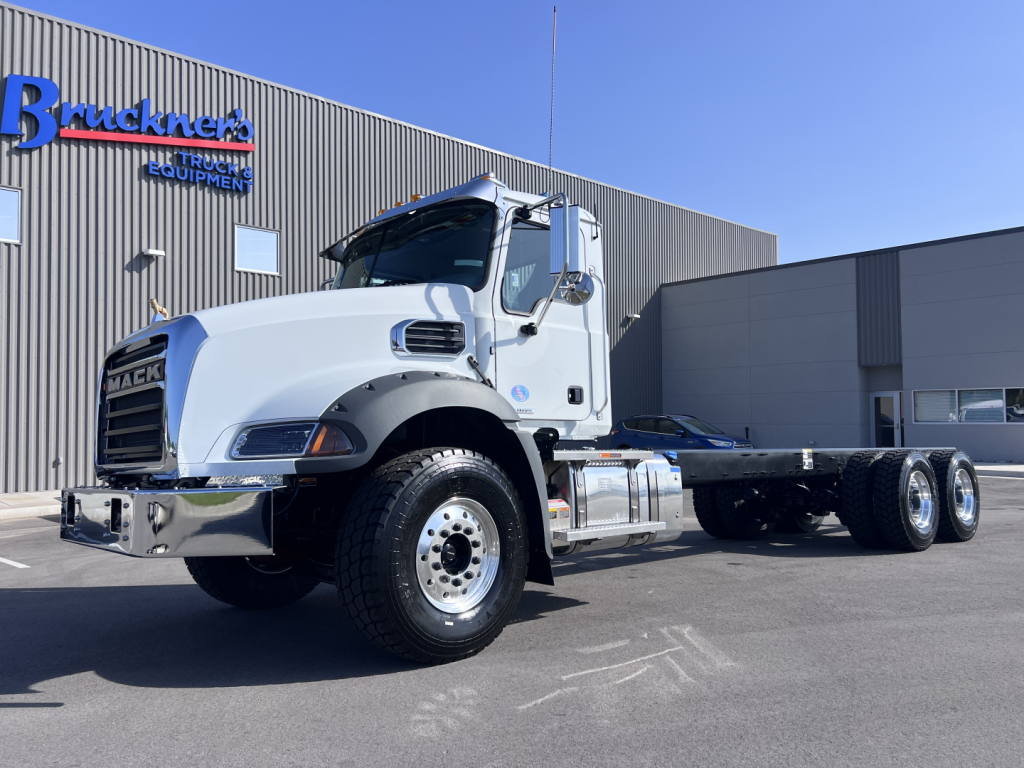
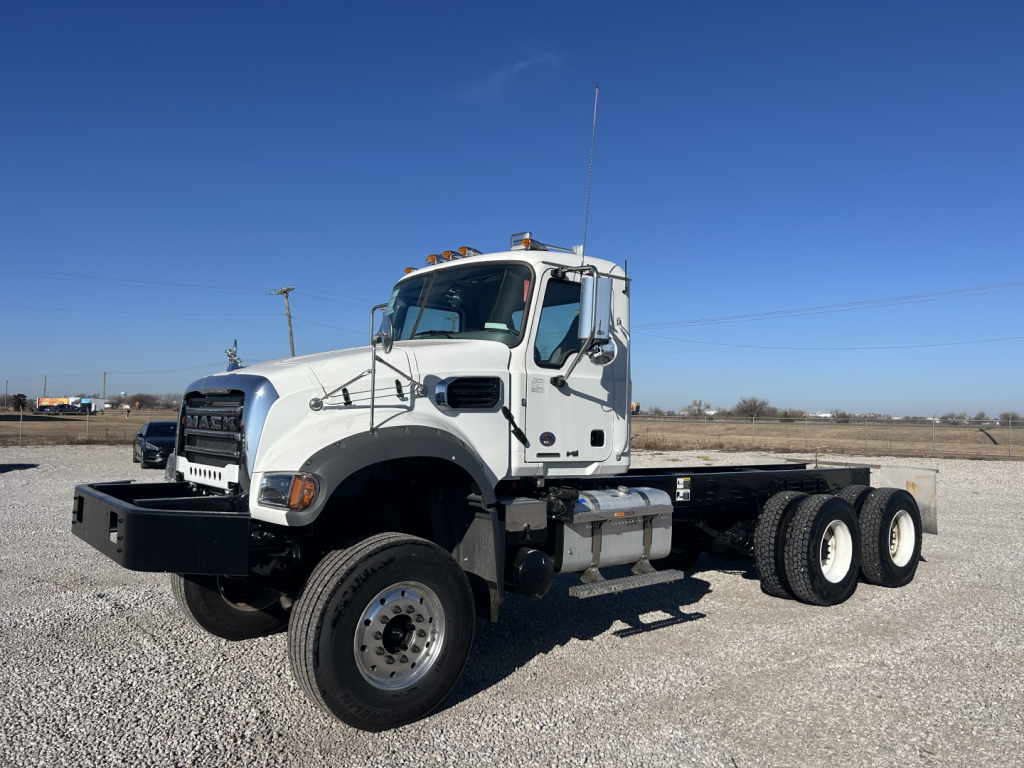
Shop Mack cab and chassis trucks for sale in Oklahoma. Compare Granite and TerraPro specs, axle ratings, wheelbases, and body-ready configurations.

Selling a mack cab and chassis truck? List your mack cab and chassis truck for sale and reach thousands of commercial buyers.
Mack Cab and Chassis Trucks in Oklahoma
The first decisions usually come down to engine, transmission, and wheelbase. Mack MP7 and MP8 diesel engines are common in this category, typically ranging from the mid-300 horsepower band up past 500 horsepower depending on the body and duty cycle. An MP7 with an Allison automatic is a practical fit for refuse, stop-and-go municipal work, and PTO-intensive applications where smooth engagement matters. An MP7 or MP8 paired with an mDRIVE automated manual can make more sense for dump, heavy haul support, and regional vocational work where gradeability, fuel economy, and driver consistency all matter. Wheelbases in the low-200-inch to upper-260-inch range are common because body length, bridge compliance, and axle spread all have to work together. Rear axle ratios like 3.56, 3.98, 4.19, and 5.04 each point to a different job focus, from higher road speed to low-speed launch and route work.
Axle and suspension specs deserve close attention because they tell you what the truck was meant to do. Many Mack cab and chassis trucks in this class carry 18,000- to 20,000-pound front axles and 46,000-pound rears, often with tandem drive configurations and GVWRs around 64,000 to 66,000 pounds. That is the kind of foundation buyers look for when mounting heavier vocational bodies. Suspension choice matters too. Mack Camelback multileaf suspensions are known for rugged simplicity and stability under punishing loads, while Mack mRIDE or Hendrickson vocational suspensions can improve ride quality and body protection depending on the application. PTO provision, frame strength, ride height, and back-of-cab clearance also matter because the wrong chassis layout can complicate body installation and hydraulic routing.
A smart buyer should match the chassis to the finished truck, not just the engine badge. Confirm cab-to-axle and axle-to-trunnion dimensions, front axle capacity after body installation, and the suspension and ratio package needed for the terrain and payload. In Oklahoma, trucks that see oilfield support, aggregate hauling, municipal sanitation, and construction duty often need a balance of low-speed control, durable driveline components, and enough wheelbase flexibility to accept specialized upfits. Mack cab and chassis trucks stand out in this segment because they are designed from the start for vocational body builders, with the heavy-duty frame, axle capacity, and powertrain options that serious work demands.
Frequently Asked Questions about Mack Cab and Chassis Trucks in Oklahoma
What are Mack cab and chassis trucks commonly used for?
Mack cab and chassis trucks are commonly used for vocational applications that require a custom body installation. Typical uses include dump trucks, refuse trucks, roll-off trucks, water trucks, service trucks, utility trucks, and other severe-duty builds. Buyers choose a cab and chassis when they need a truck configured around a specific body, hydraulic system, axle rating, and wheelbase rather than a factory-complete truck.
What is the difference between a Mack Granite and a Mack TerraPro cab and chassis?
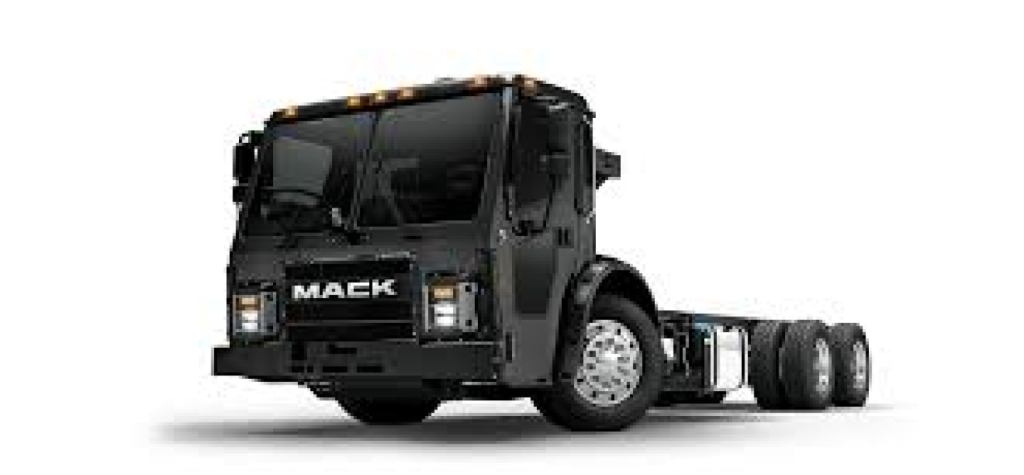
The Mack Granite is generally associated with construction, heavy vocational hauling, and mixed on-road and off-road work. It is a common choice for dump bodies, mechanics trucks, and severe-duty applications. The Mack TerraPro is often used for refuse, recycling, and urban vocational work where cab layout, visibility, and route efficiency are priorities. The right choice depends on body type, maneuverability needs, PTO requirements, and how much time the truck spends in stop-and-go service versus jobsite hauling.
How do I choose the right wheelbase for a Mack cab and chassis truck?
Wheelbase should be selected based on the body length, target weight distribution, legal axle spacing, and turning requirements. A shorter wheelbase usually improves maneuverability for refuse or urban work, while a longer wheelbase may be needed for larger bodies, cranes, tanks, or equipment packages. Buyers should also verify cab-to-axle and back-of-cab dimensions because body fitment depends on more than overall wheelbase alone.
Is an Allison automatic or Mack mDRIVE better for a vocational cab and chassis?
An Allison automatic is often preferred for refuse, utility, and stop-and-go applications because it delivers smooth shifting, easy driver operation, and strong PTO compatibility. Mack mDRIVE automated manual transmissions are popular in dump, construction, and heavier vocational work where fuel efficiency, low-speed control, and driveline performance under load are important. The better choice depends on route type, driver turnover, terrain, and how the truck will be loaded and operated every day.
What axle ratings should I look for on a Mack cab and chassis truck?
Axle ratings should match the finished body, payload, and operating conditions, not just the empty chassis. In heavy vocational applications, buyers often look for front axles in the 18,000- to 20,000-pound range and tandem rear axles around 46,000 pounds. Those ratings are common for trucks carrying heavier bodies or working in severe service. It is important to calculate final installed weight, including body, hydraulics, tools, and material load, so the truck remains properly balanced and legally rated.