
2027 Mack Cab and Chassis Trucks For Sale
Shop 2027 Mack cab and chassis trucks built for refuse, municipal, dump, and vocational upfits with strong frames, PTO options, and diesel or EV power.
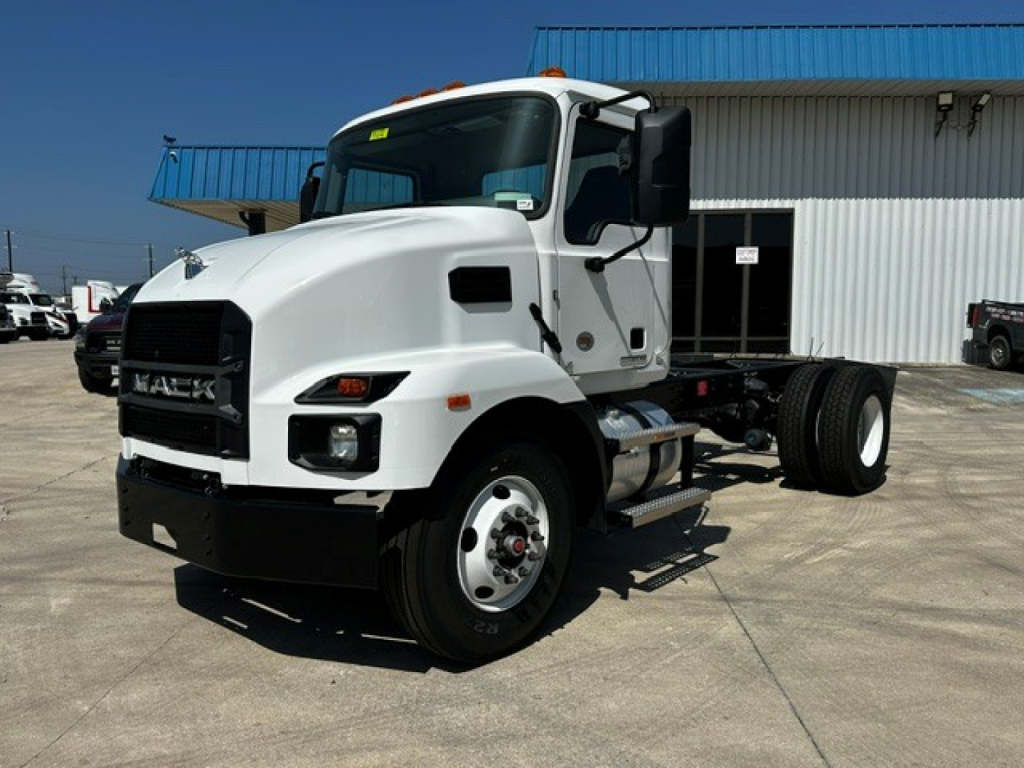
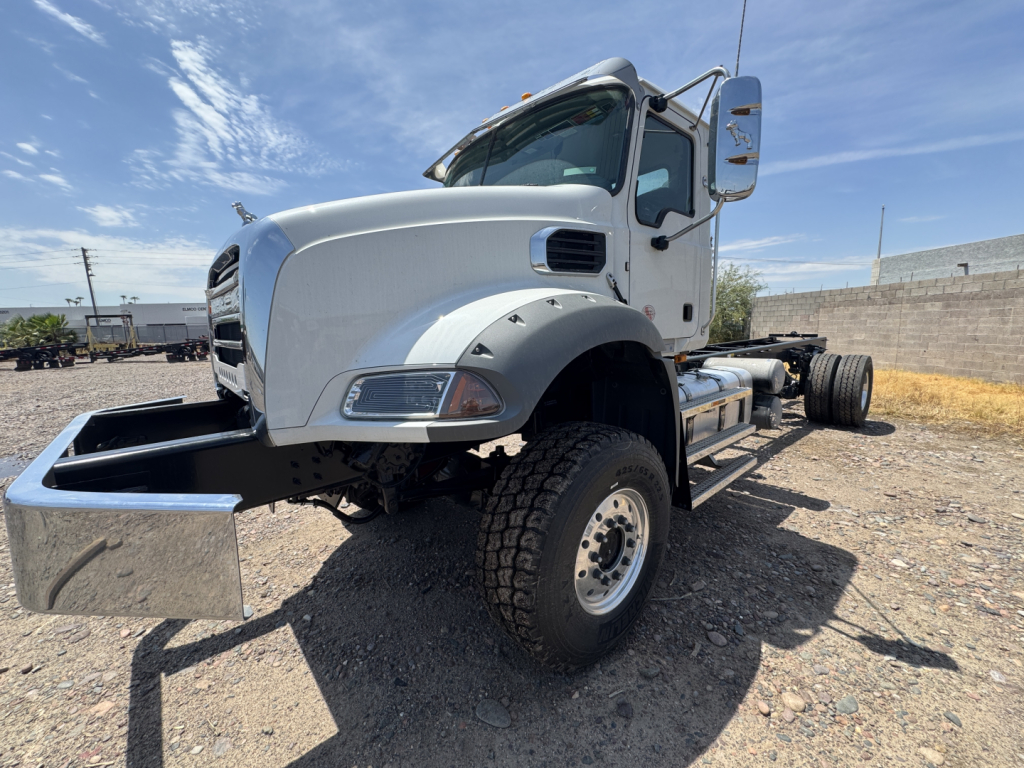
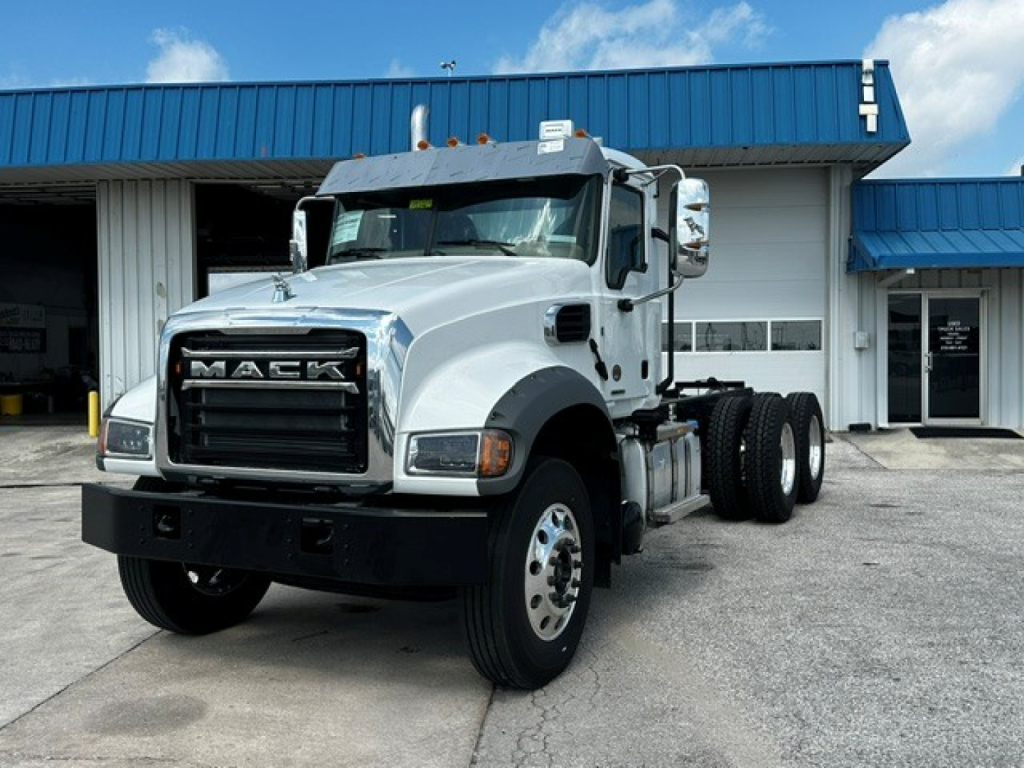
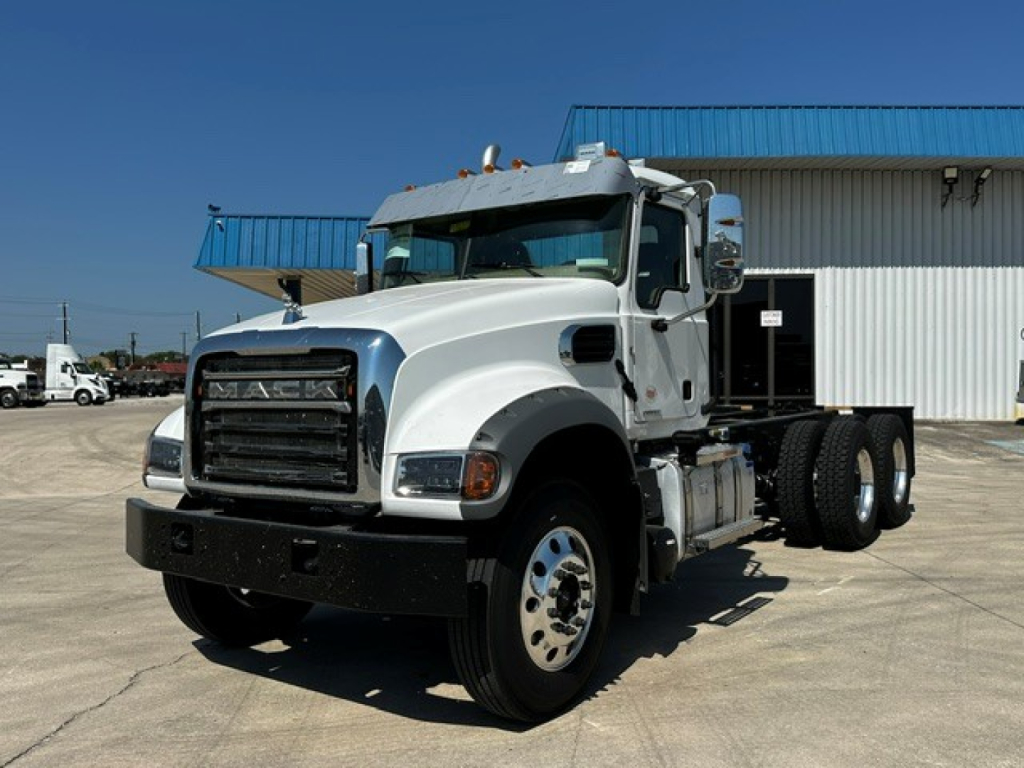
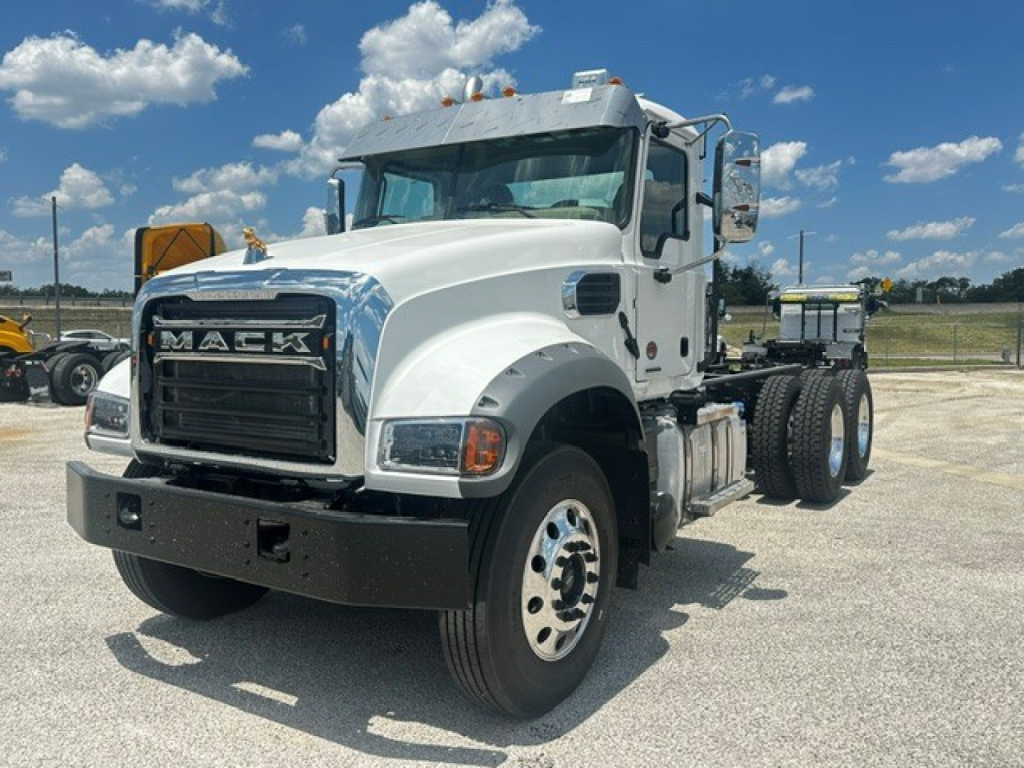
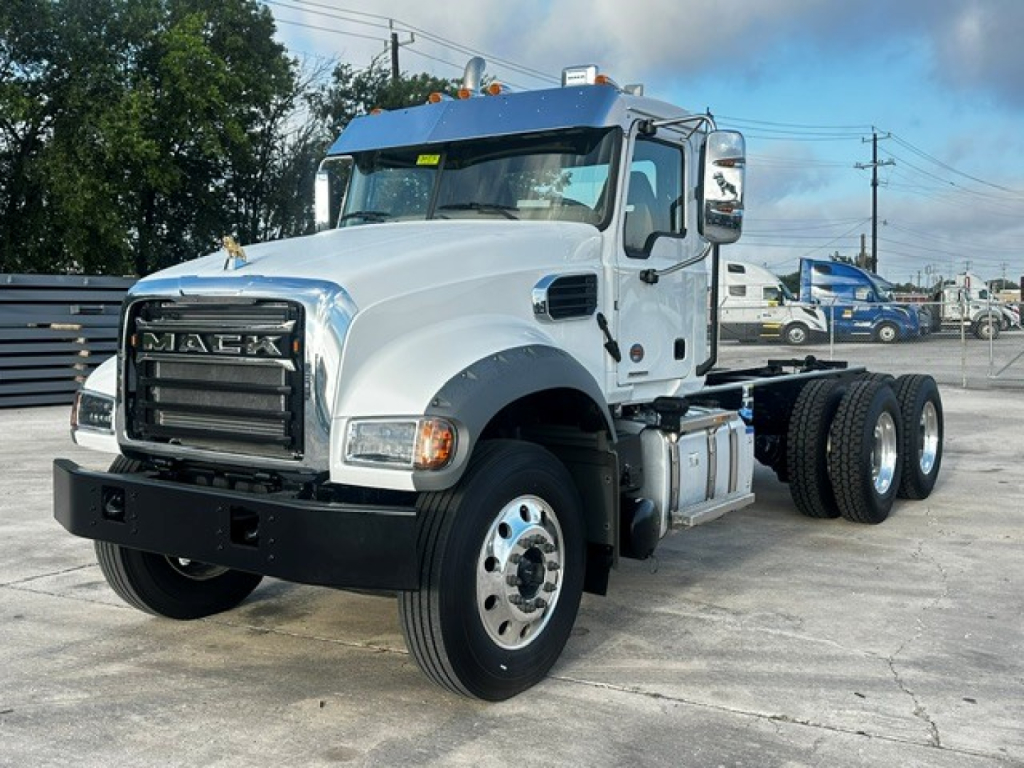
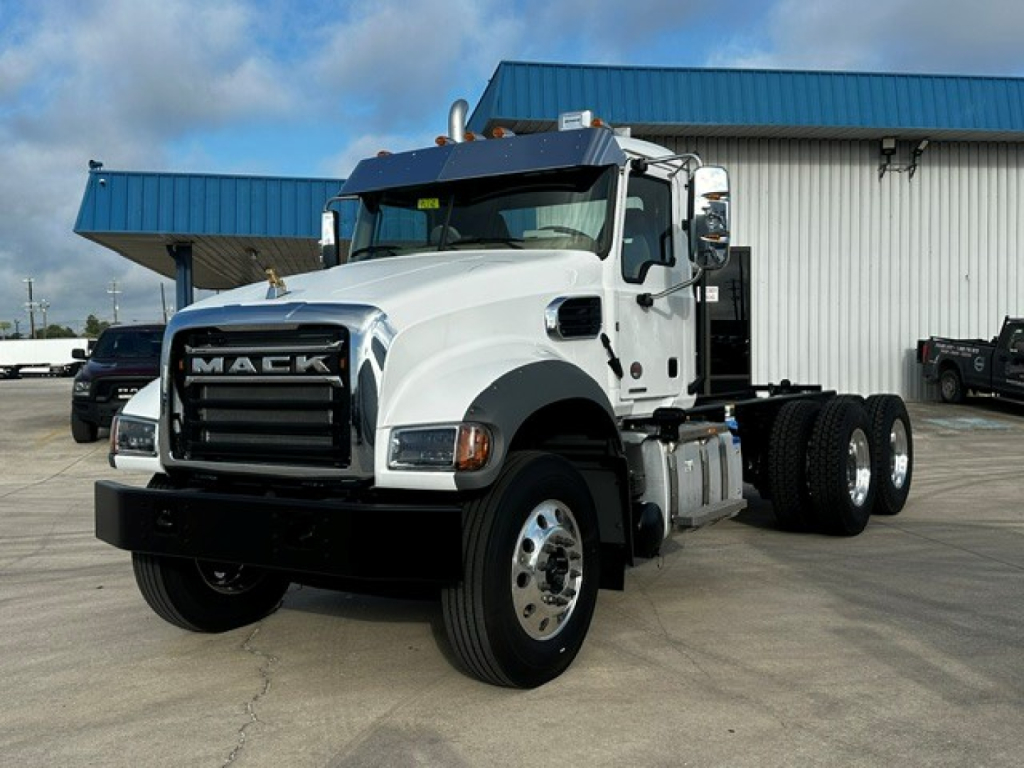
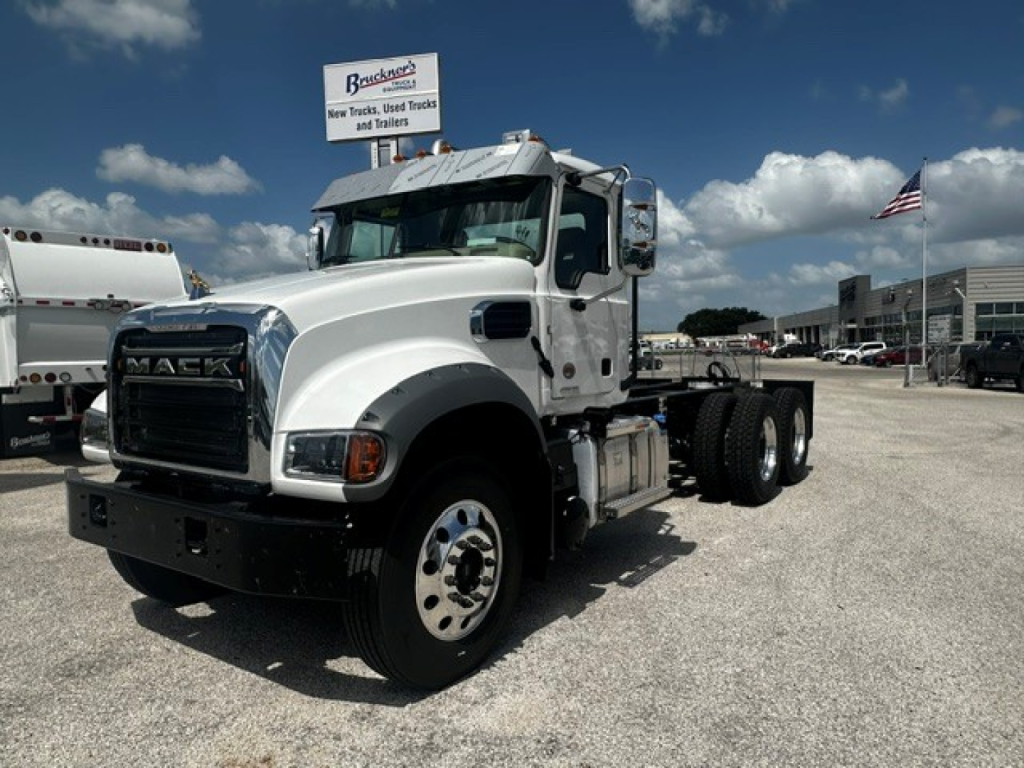

Selling a 2027 mack cab and chassis truck? List your 2027 mack cab and chassis truck for sale and reach thousands of commercial buyers.
2027 Mack Cab and Chassis Trucks
For many buyers, the first decision is application. Mack LR and similar low-entry layouts are widely used in refuse because they improve curbside visibility, allow easier entry and exit, and can be ordered with right-hand or dual steering arrangements for residential collection routes. Granite and other vocational Mack chassis are more common where higher front axle capacity, stronger frame options, and severe-service durability matter, such as dump, plow, or utility body work. Electric-forward platforms like the Mack TE series also matter for fleets working in low-emission urban environments, especially where route predictability and depot charging fit the duty cycle.
Powertrain choice depends on body weight, PTO demand, and stop-and-go intensity. Mack diesel chassis are often paired with the MP7 in medium to heavy vocational service, and automatic transmissions such as Allison units are common where frequent starts, tight maneuvering, and PTO-driven equipment are part of the job. Buyers should confirm gross vehicle weight rating, front and rear axle ratings, frame section modulus, back-of-cab to axle dimensions, and available clear frame space before selecting a body. If the truck will carry a compactor, hoist, crane, or blower system, hydraulic provisions, transmission PTO openings, and electrical integration become critical early in the spec process.
A good Mack cab and chassis spec balances durability, serviceability, and upfit efficiency. Look closely at turning radius, cab entry height, visibility, suspension type, brake configuration, and packaging around fuel tanks or battery systems. Municipal and private fleets also pay attention to corrosion resistance, idle management, telematics compatibility, and local dealer support because these trucks often run dense daily routes with high annual cycle counts. The right chassis is the one that accepts the body cleanly, stays legal on axle weight, and fits the route without forcing compromises later in the upfit.
Frequently Asked Questions about 2027 Mack Cab and Chassis Trucks
What is a cab and chassis truck used for?
A cab and chassis truck is an incomplete vehicle built to receive a vocational body or specialized equipment. Common uses include refuse packers, dump bodies, hooklifts, roll-offs, utility bodies, cranes, service bodies, plows, and municipal equipment. The buyer is selecting a platform that can be upfitted for a specific job, so frame dimensions, axle capacity, and power take-off compatibility usually matter more than appearance.
Which Mack cab and chassis models are common for refuse or municipal work?
Mack LR models are widely associated with refuse service because of their low-entry cab design, strong visibility, and ability to support side-specific or dual steering configurations. Granite-based chassis are more common in heavier vocational and municipal roles such as dump, snow and ice, and utility work where frame strength and axle capacity are major priorities. Electric Mack TE models may also fit municipal and urban fleet use when the route structure supports charging and daily range requirements.
What specs should I check before buying a Mack cab and chassis?
The most important specs are gross vehicle weight rating, front and rear axle ratings, wheelbase, cab-to-axle and back-of-cab dimensions, frame rail strength, suspension type, and transmission/PTO setup. Buyers should also verify fuel tank or battery placement, clear frame space, brake configuration, and turning radius. These details determine whether the body will fit correctly, whether axle weights stay legal, and whether the finished truck will perform as intended.
Are Mack cab and chassis trucks available with automatic transmissions?
Yes. Many Mack vocational cab and chassis trucks are spec'd with automatic transmissions, especially in refuse, municipal, and stop-and-go applications. Allison automatics are common because they simplify operation, improve low-speed control, and integrate well with PTO-driven equipment. The right transmission choice depends on terrain, driver staffing, duty cycle, and hydraulic demand from the body.
Is an electric Mack cab and chassis practical for fleet use?
It can be, if the duty cycle is predictable and charging is built into operations. Electric cab and chassis trucks are best suited to urban or municipal routes with repeatable miles, regular dwell time, and strict emissions or noise requirements. Buyers should evaluate route length, body weight, auxiliary power demand, charging infrastructure, and climate impact on range before choosing an EV chassis over a diesel configuration.