
2027 Mack Cab and Chassis Trucks For Sale in Texas
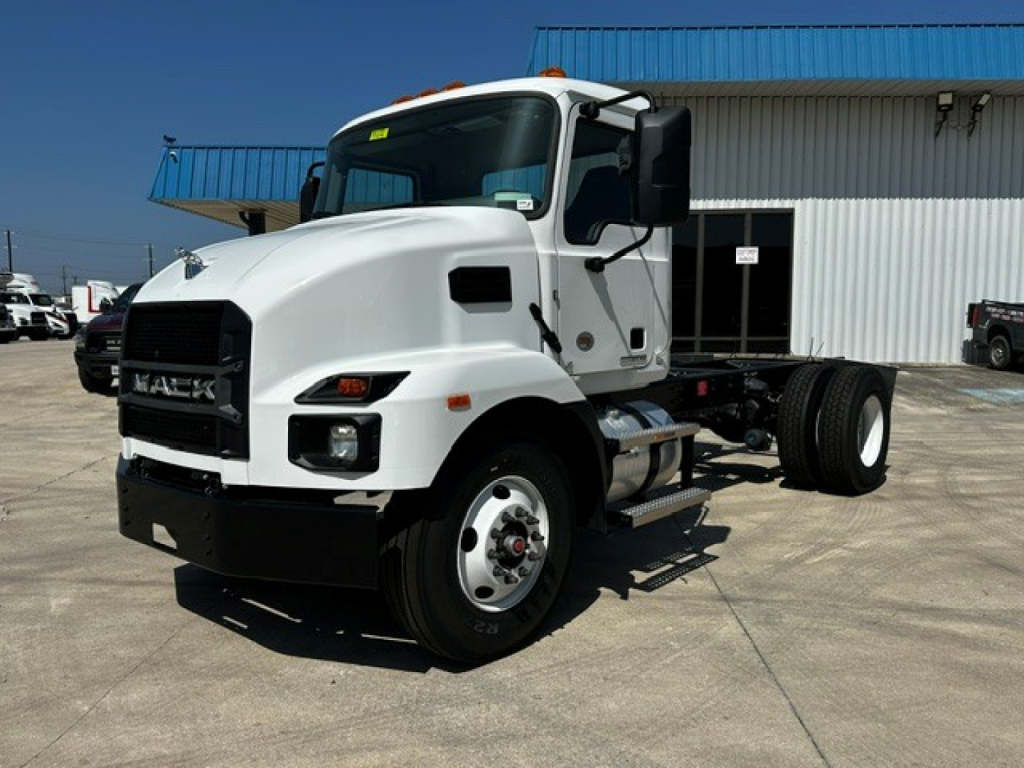
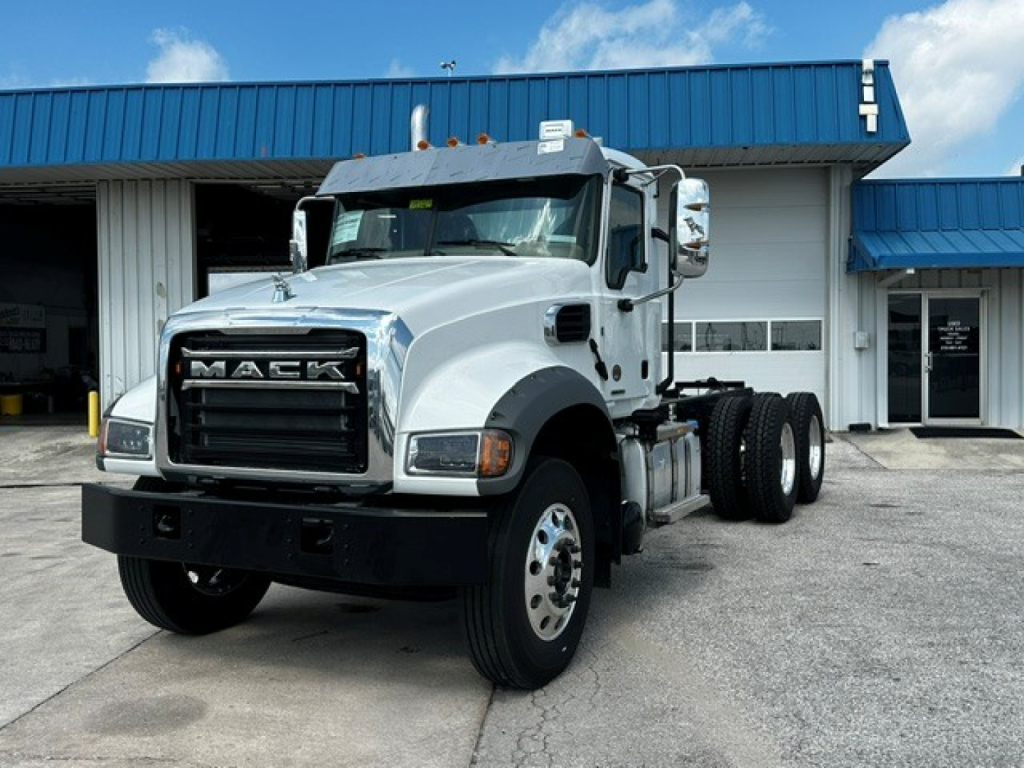
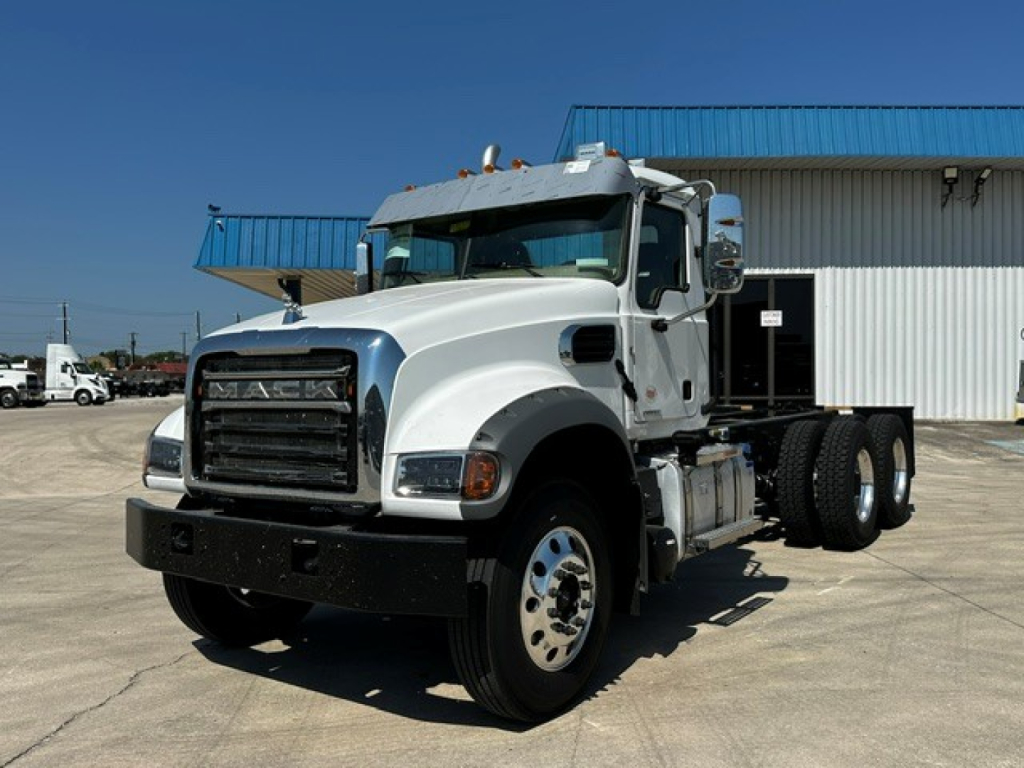
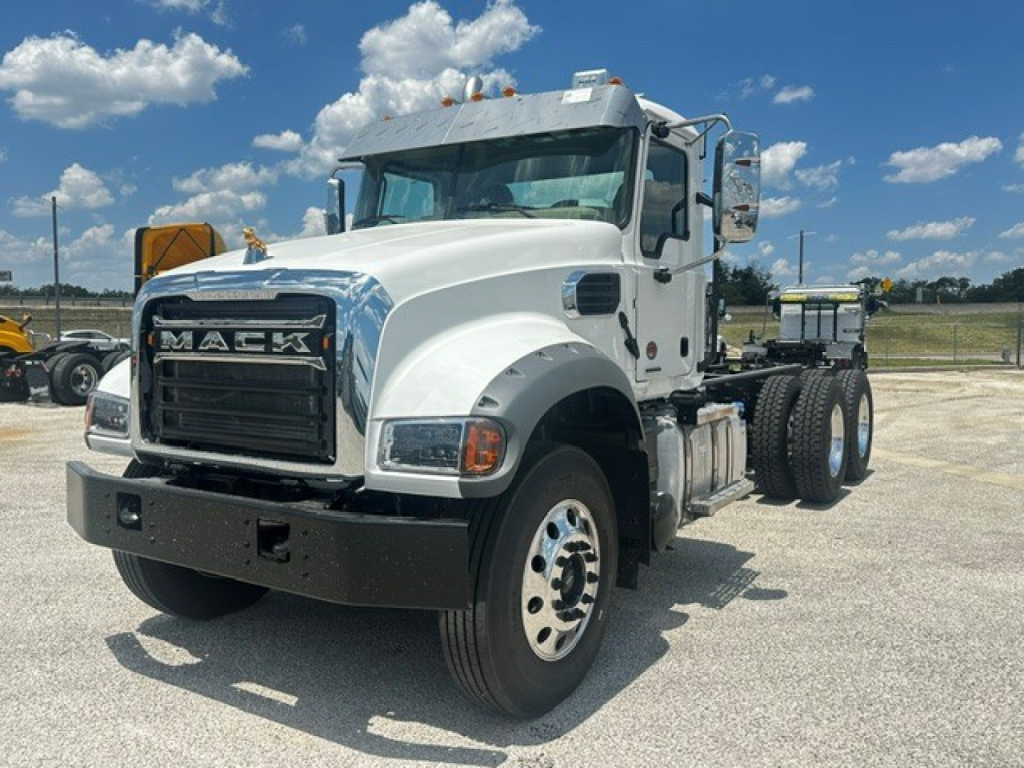
Shop 2027 Mack cab and chassis trucks in Texas. Compare Granite and Pinnacle specs, axle ratings, wheelbases, and body-ready vocational setups.
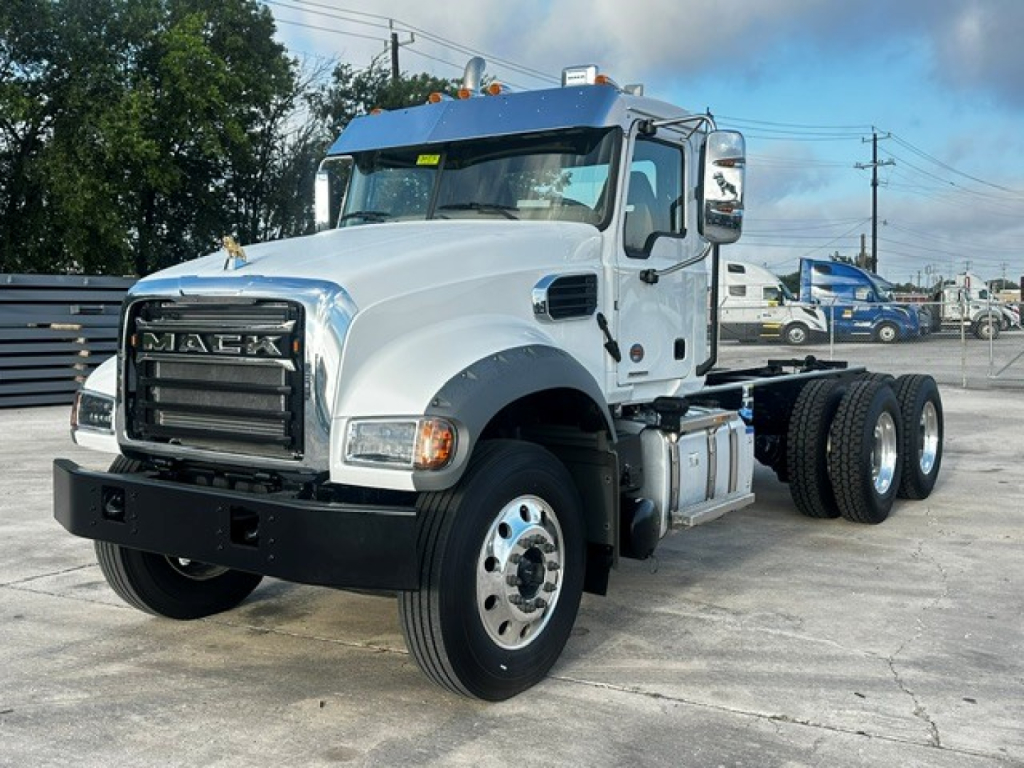
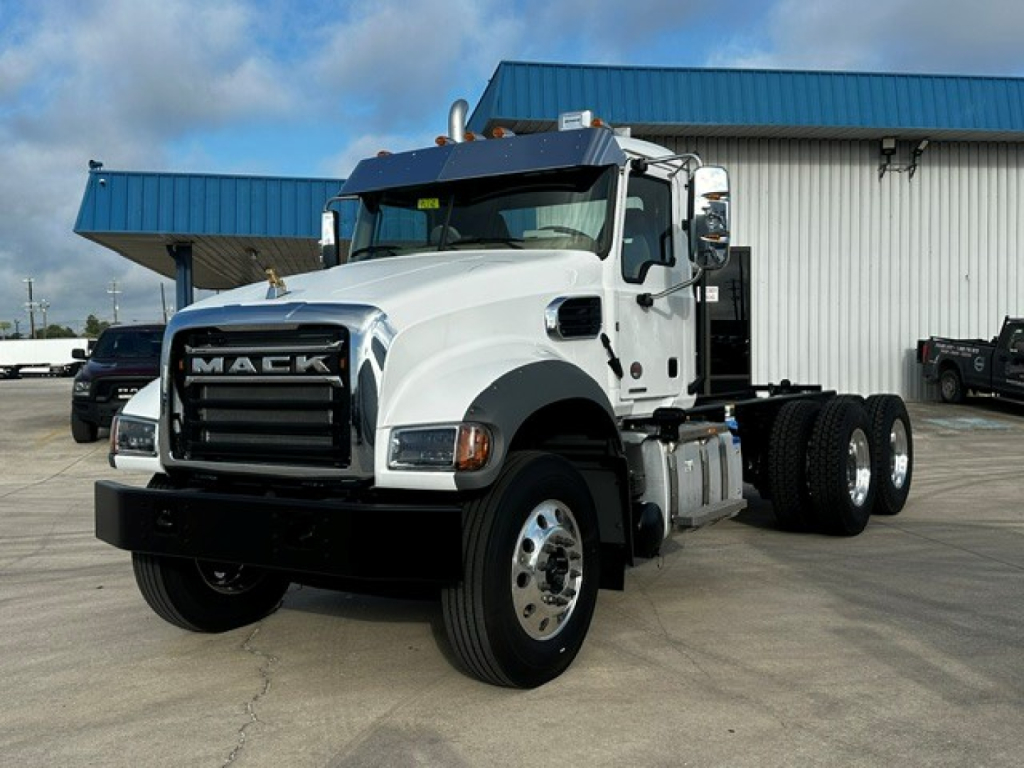
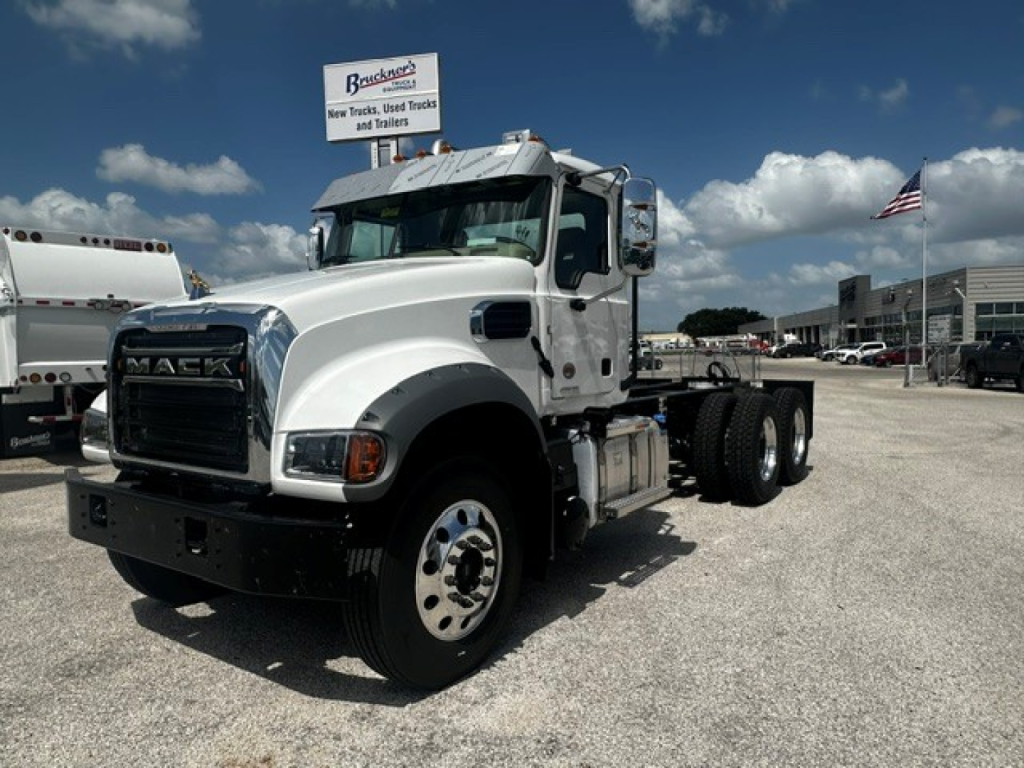

Selling a 2027 mack cab and chassis truck? List your 2027 mack cab and chassis truck for sale and reach thousands of commercial buyers.
2027 Mack Cab and Chassis Trucks in Texas
Many Mack cab and chassis trucks in this category are configured as tandem axle 6x4 units with front axle ratings around 14,600 to 20,000 pounds and rear axle ratings in the 44,000 to 46,000 pound range. Common engines include the Mack MP7 and MP8, with horsepower often landing from the mid-300s up to about 445 HP depending on the application. Transmission choice matters. An Allison automatic is a strong fit for stop-and-go routes, refuse, and urban vocational work, while Mack mDRIVE HD automated transmissions with creeper gears and multi-speed reverse are well suited for jobsite maneuvering, low-speed control, and mixed on-road and off-road service. Buyers should also pay close attention to rear axle ratio, PTO compatibility, frame section, and available clear frame space so the chassis can accept the intended body and auxiliary equipment without costly rework.
Suspension and chassis durability are major strengths on Mack vocational trucks. The Mack Camelback multileaf suspension remains a preferred option for severe-service work because it is simple, durable, and proven under high-load conditions. For applications that see uneven terrain, frequent site entry, or repeated loading cycles, that suspension design can be a key long-term ownership advantage. Wheelbases in the low-200-inch range are common on body-ready Mack chassis because they balance body length flexibility with maneuverability. In Texas service, heat management, cooling capacity, and vocational drivability also matter, especially for trucks that idle for long periods, work in quarries, or run in congested metro corridors.
A buyer comparing 2027 Mack cab and chassis trucks should look beyond horsepower alone and focus on how the truck is intended to be upfitted. A dump or water truck may prioritize axle capacity, PTO setup, and suspension strength, while a crane or utility body may need specific frame dimensions, front axle capacity, and stability equipment. Granite models are widely recognized for heavy vocational use, while Pinnacle-based chassis can make sense where a more highway-oriented platform still needs specialty body capability. The best Mack cab and chassis spec is the one that matches the body, duty cycle, terrain, and driver environment from day one, with enough margin in axle, frame, and driveline ratings to avoid being overmatched once the truck is fully equipped.
Frequently Asked Questions about 2027 Mack Cab and Chassis Trucks in Texas
What is a Mack cab and chassis truck used for?
A Mack cab and chassis truck is a body-ready platform designed to accept specialized equipment such as dump bodies, water tanks, refuse packers, roll-off hoists, cranes, utility bodies, or mixers. The truck is sold as a chassis with cab, frame, driveline, and running gear so it can be upfitted for a specific job. Mack cab and chassis models are commonly used in construction, municipal fleets, site development, material delivery, and other vocational applications where durability and load capacity are more important than sleeper features or long-haul aerodynamics.
What Mack models are common in cab and chassis configurations?
The Mack Granite is one of the most common cab and chassis platforms for vocational service because it is built for severe-duty work and typically offers strong axle, frame, and suspension options. Certain Pinnacle configurations also appear in cab and chassis form when the buyer needs a highway-capable truck that can still support a specialized body. The exact model choice usually depends on body type, expected payload, road conditions, and how much off-road or jobsite time the truck will see.
Which transmission is better for a Mack vocational cab and chassis, Allison or mDRIVE?
The better transmission depends on the application. Allison automatic transmissions are popular for stop-start city work, refuse, and routes with frequent shifts because they are easy to operate and deliver smooth low-speed performance. Mack mDRIVE automated manual transmissions, especially HD versions with creeper gears and multi-speed reverse, are a strong choice for heavy vocational work that requires controlled maneuvering, backing precision, and efficient operation on both pavement and jobsites. PTO requirements, driver familiarity, and terrain should guide the final decision.
Why do axle ratings and wheelbase matter so much on a cab and chassis truck?
Axle ratings and wheelbase directly affect what body can be installed, how much payload the truck can legally and safely carry, and how the completed truck will handle once upfitted. A heavier front axle may be needed for crane bodies, plows, or other equipment that adds weight ahead of the frame. Tandem rear axle capacity matters for payload and durability under repeated load cycles. Wheelbase affects body length, bridge formula compliance, turning radius, and weight distribution, so it should be matched carefully to the intended body and operating environment.
Is Mack Camelback suspension a good choice for severe-duty applications?
Yes. Mack Camelback suspension is widely regarded as a strong severe-service option because of its simple design, high durability, and proven performance under heavy loads and rough conditions. It is commonly selected for dump, construction, and other vocational applications where the truck sees uneven terrain, repeated loading, and hard use. While ride quality expectations may differ from air ride setups, many buyers prioritize Camelback for its toughness, stability, and lower complexity in demanding work environments.