
New 2026 Cab and Chassis Trucks For Sale
Shop new 2026 cab and chassis trucks built for dump, flatbed, van, utility, and service body upfits across Class 4 through Class 7 applications.
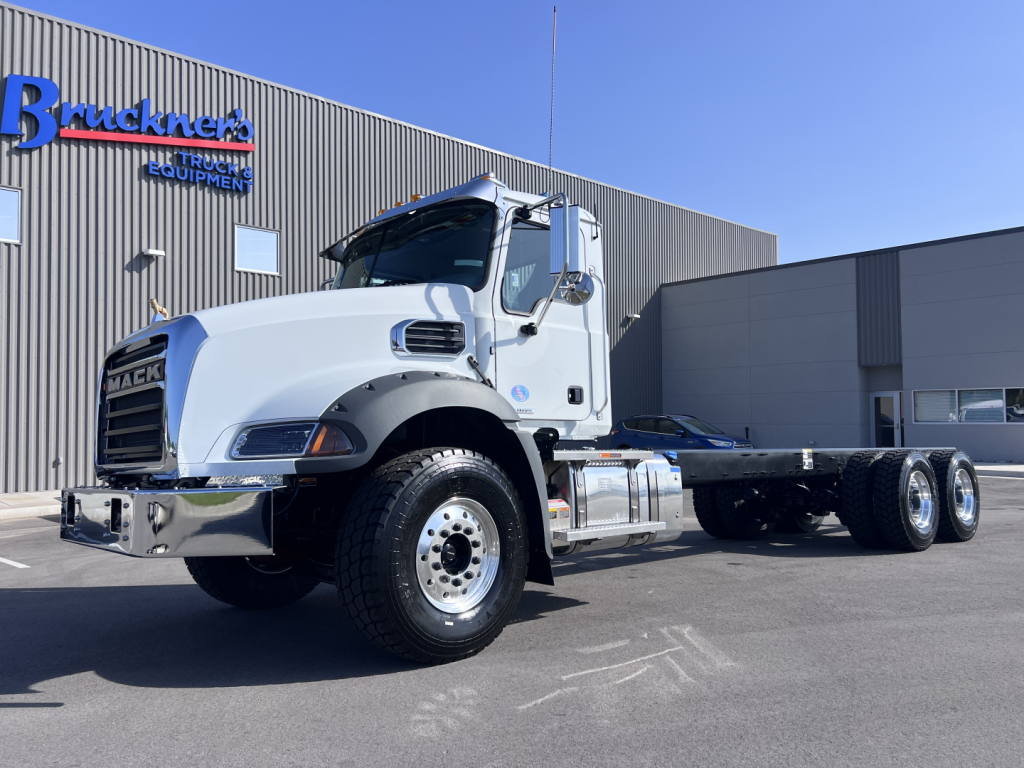
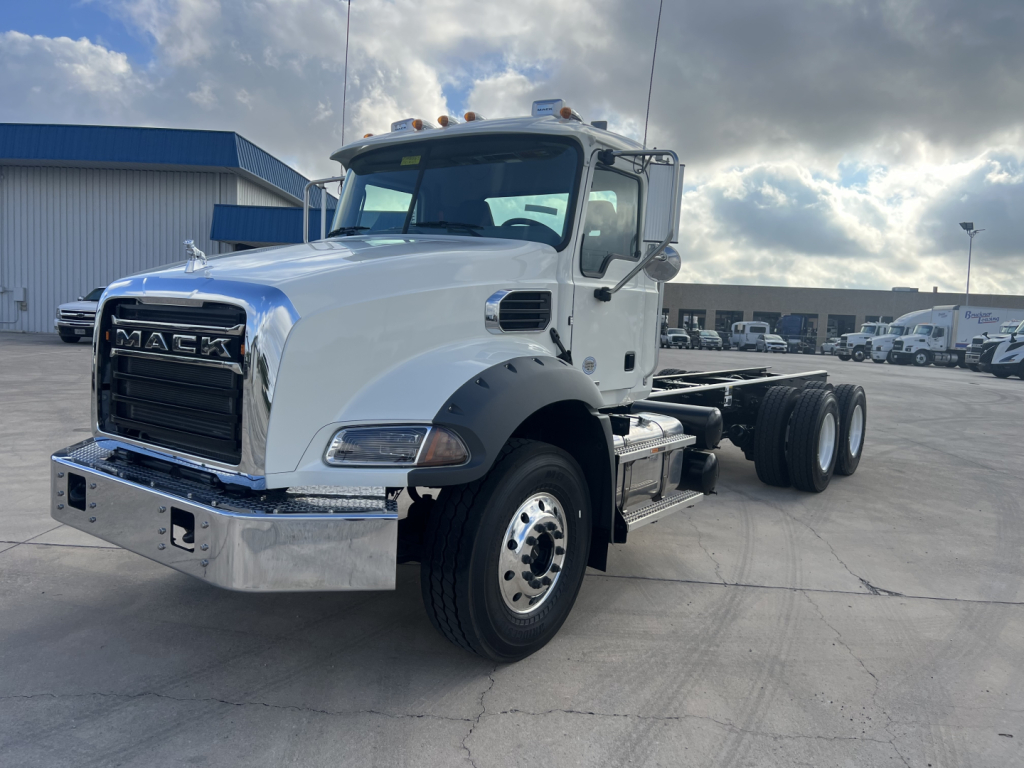
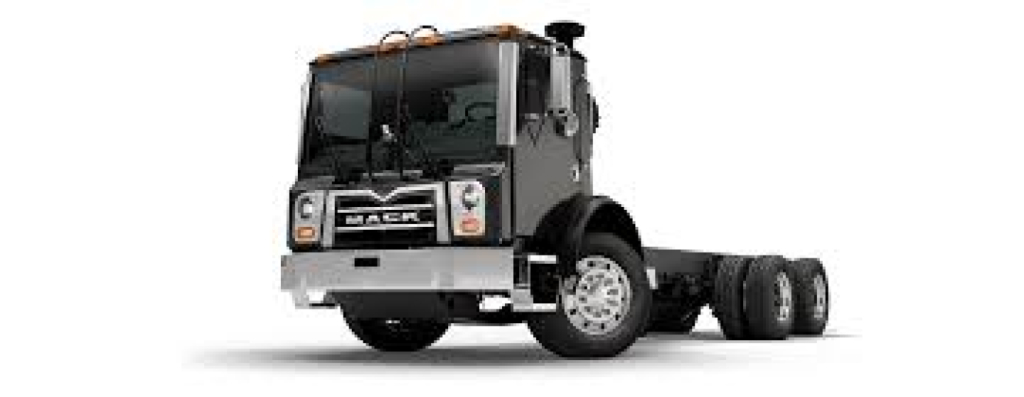
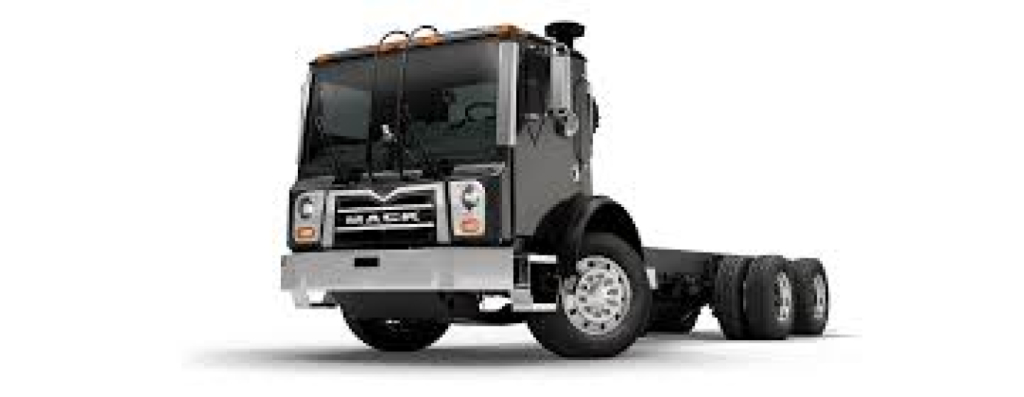
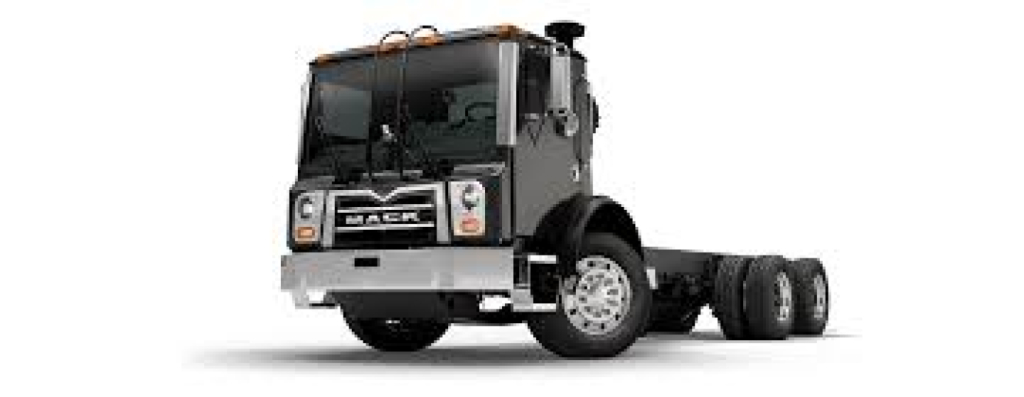
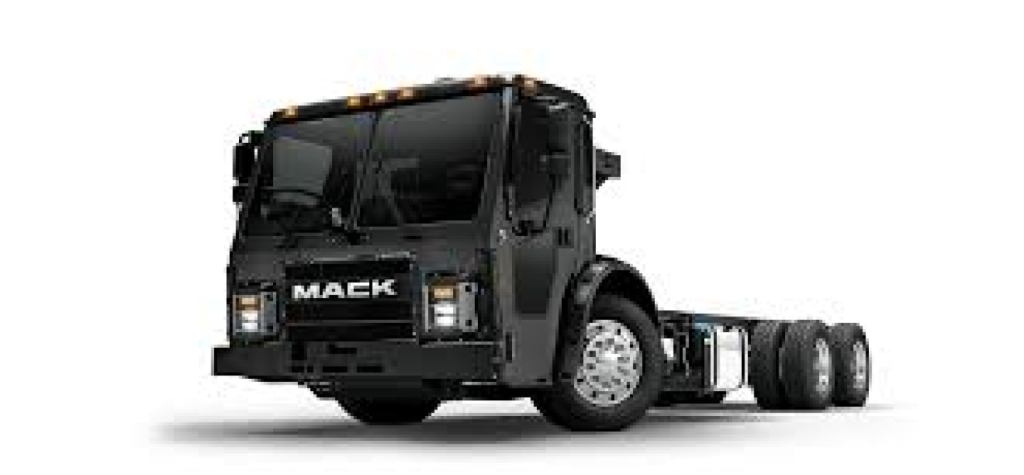
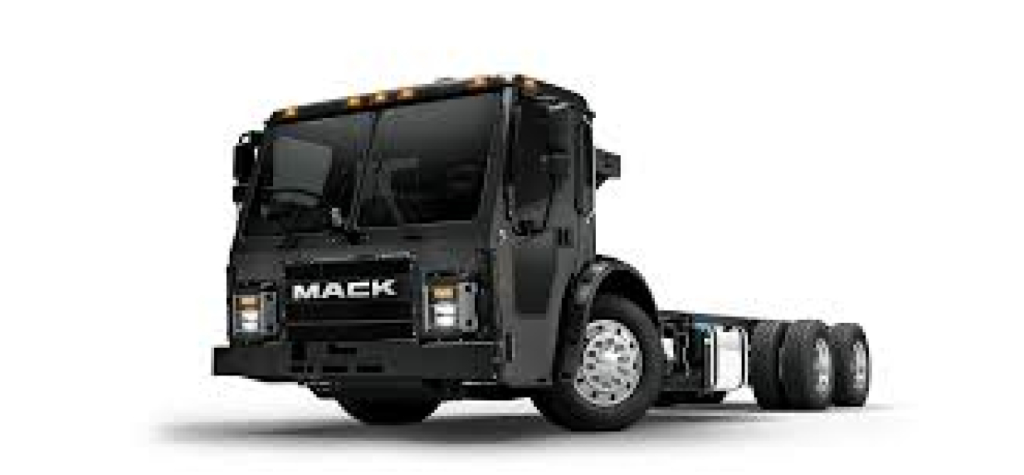
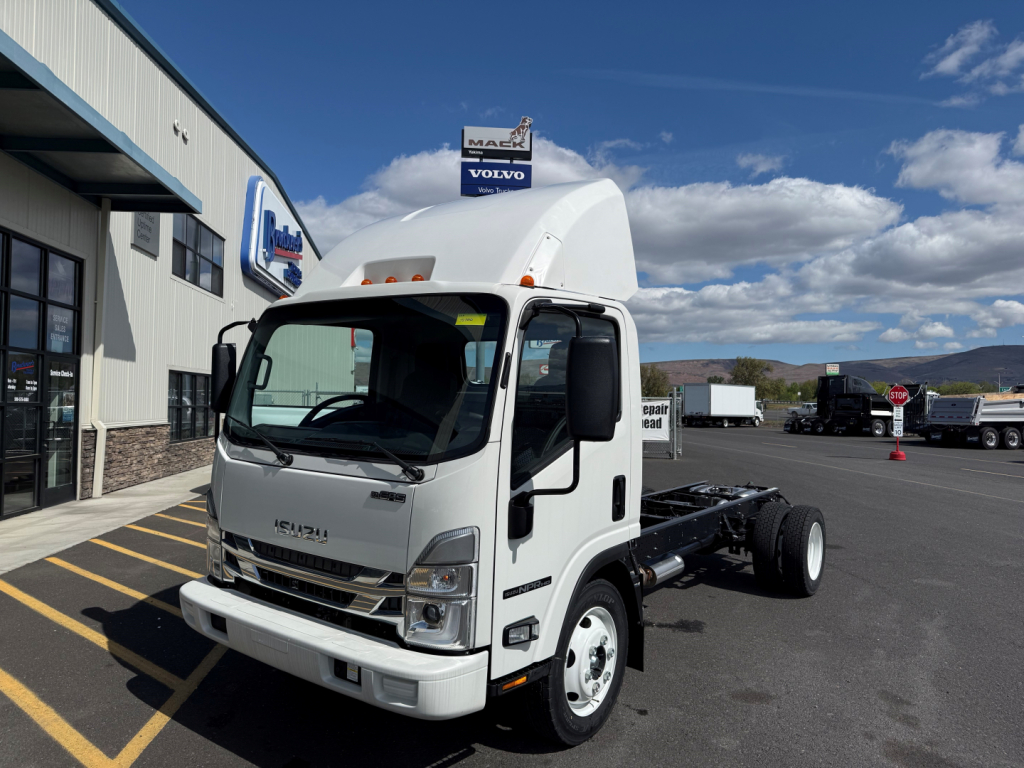
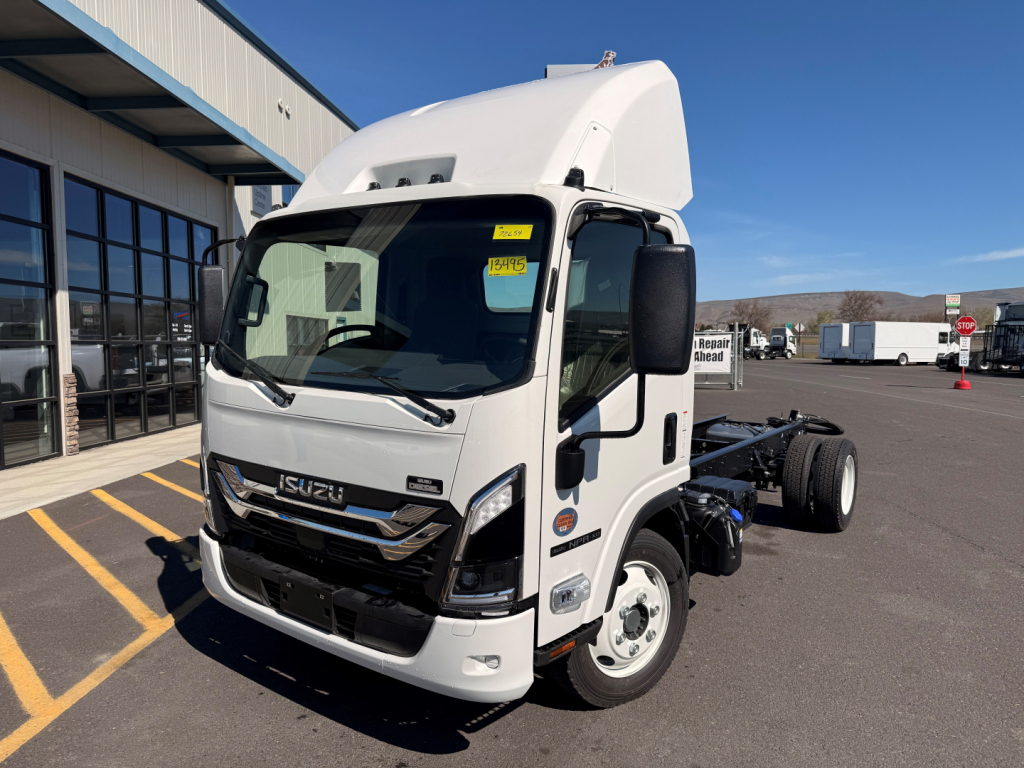
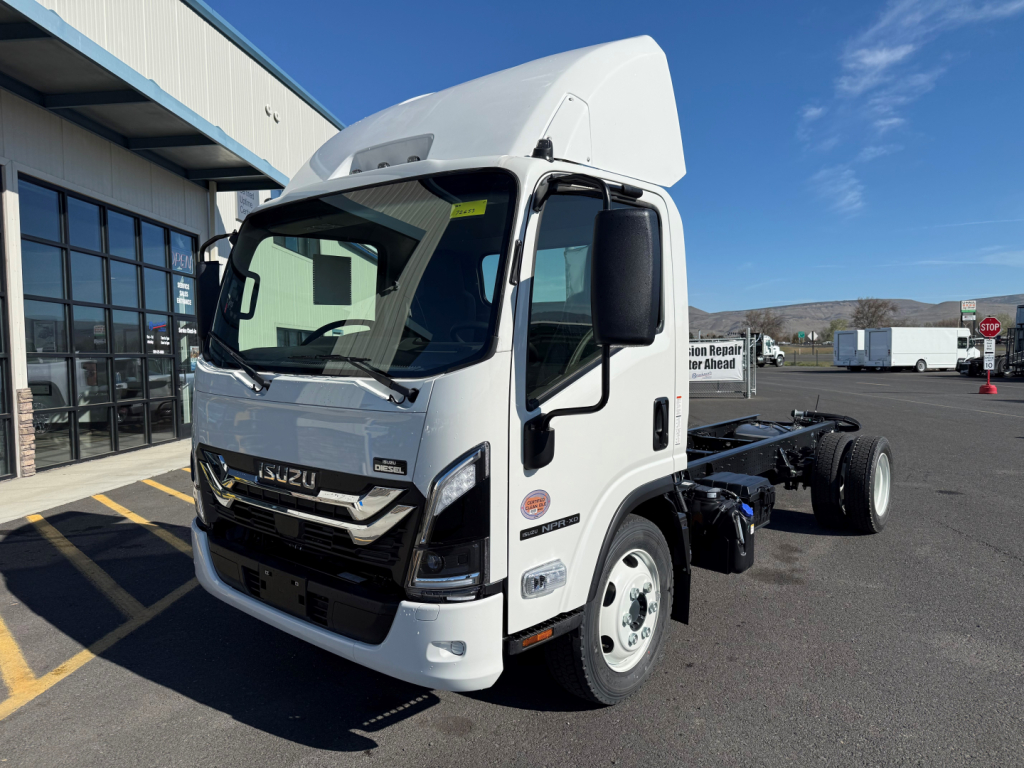
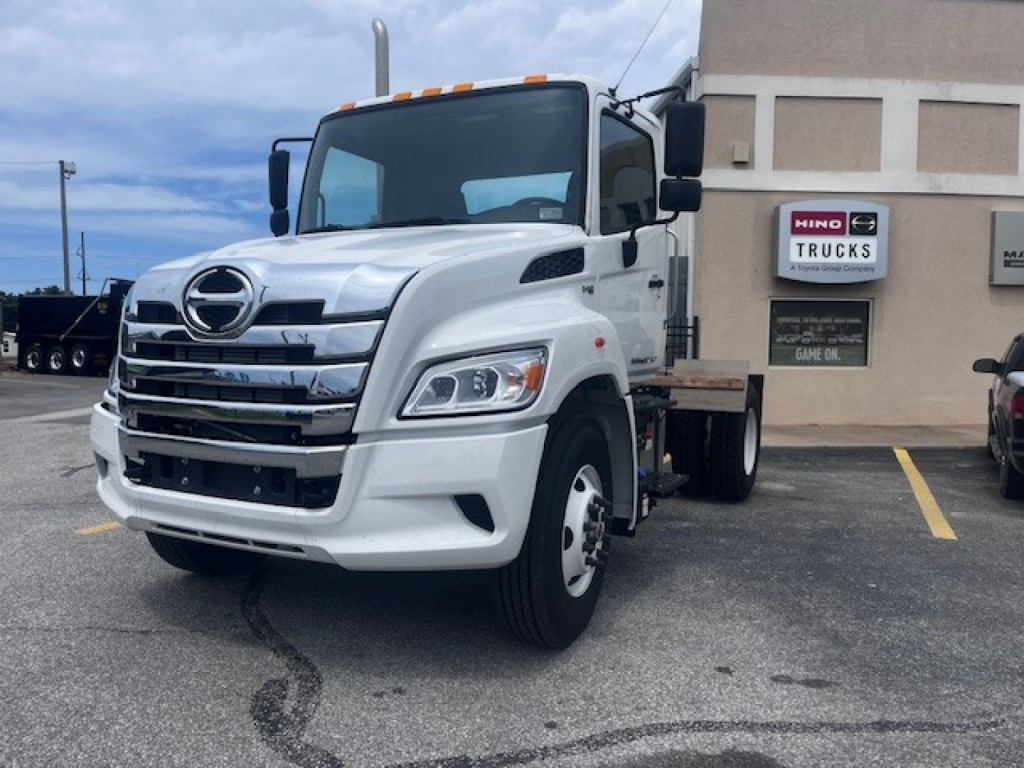
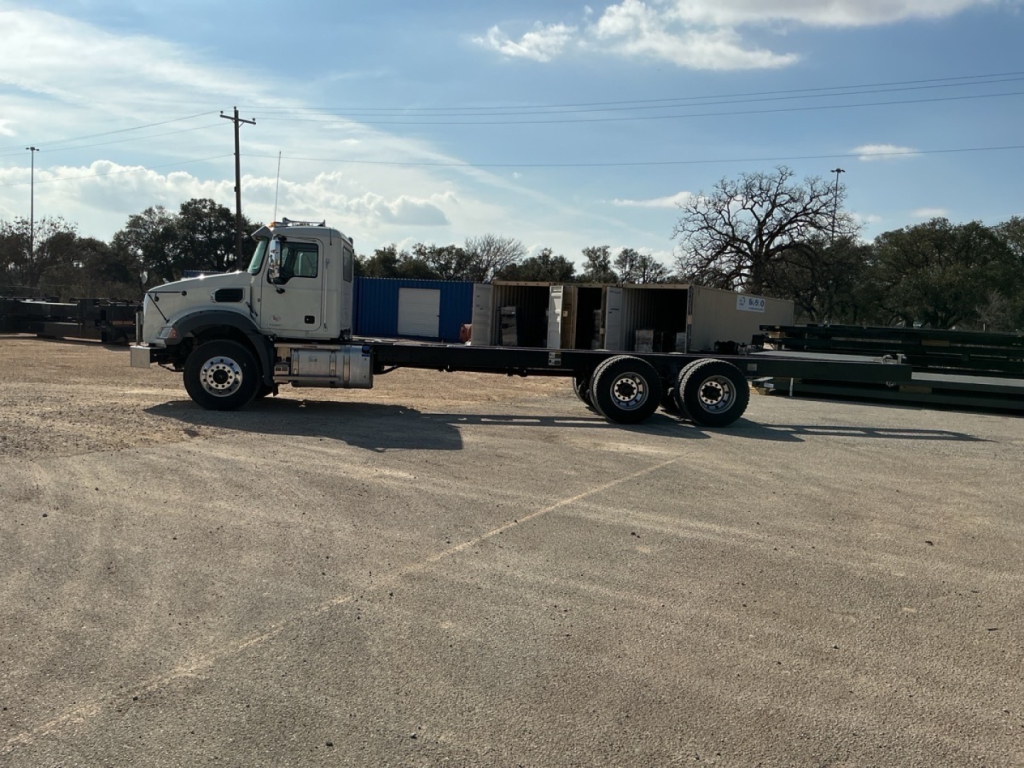
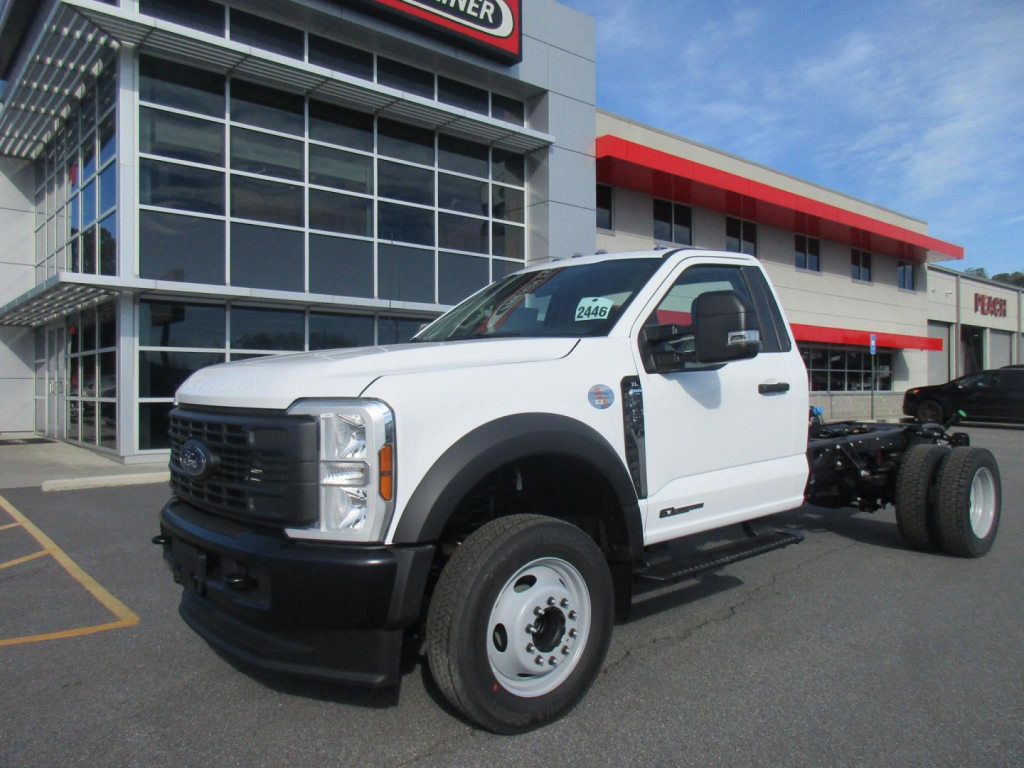
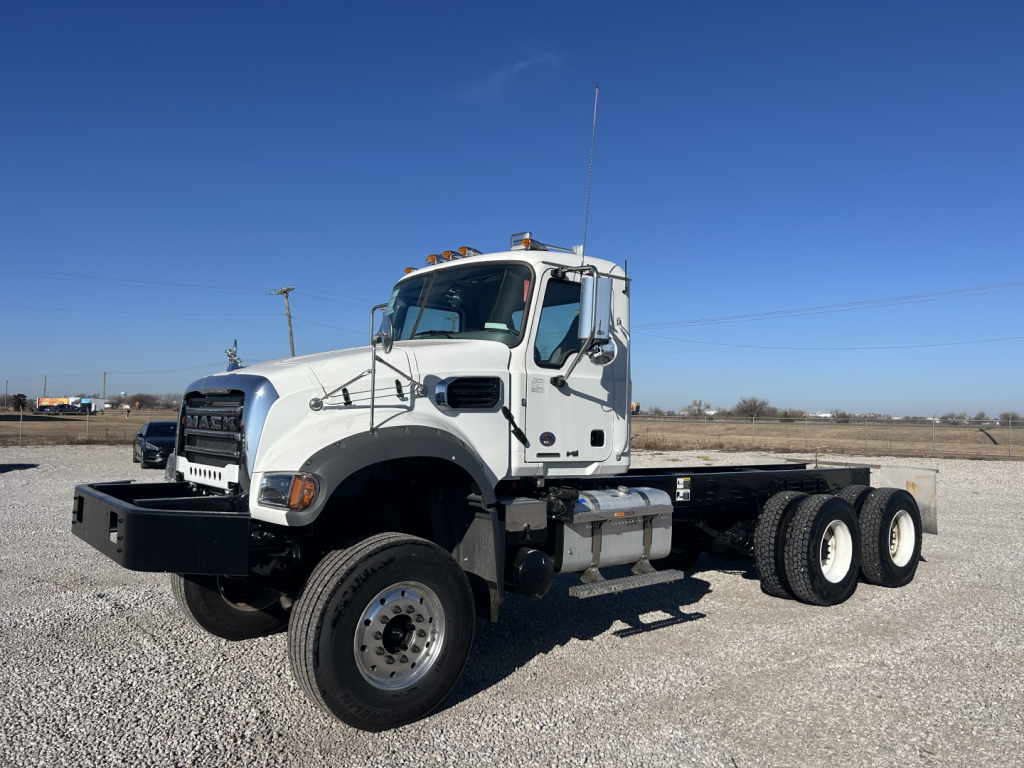
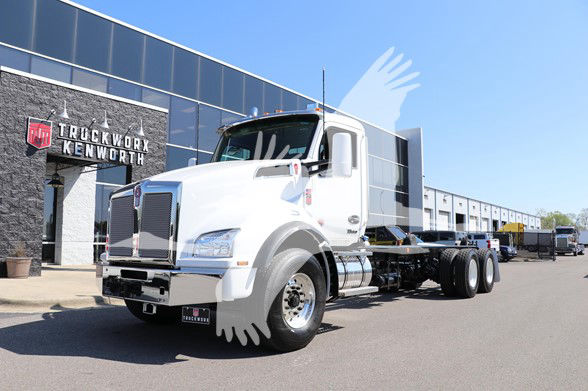
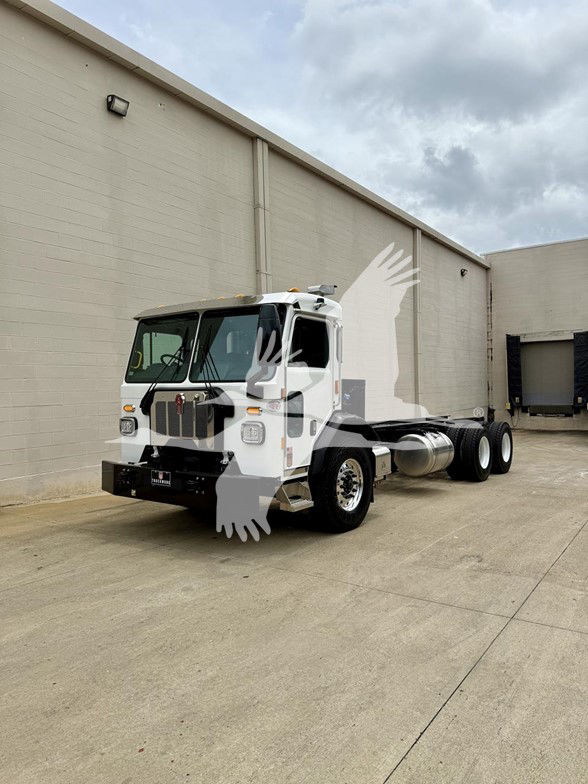
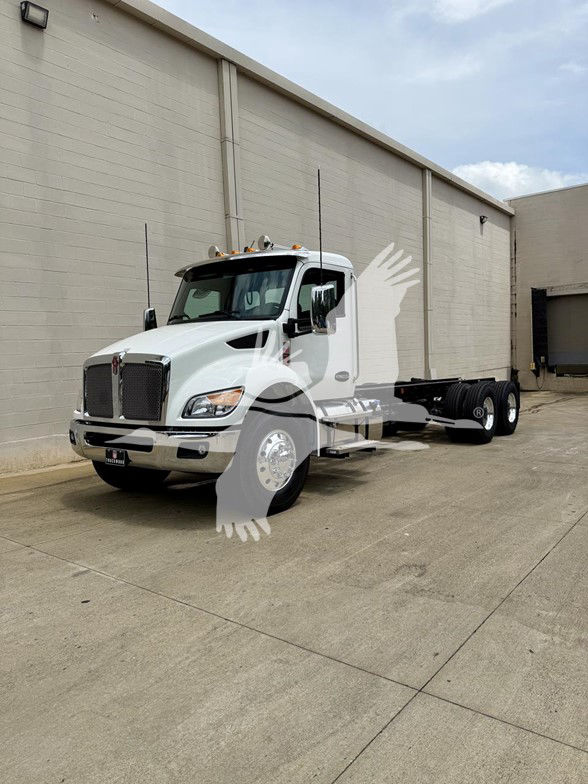
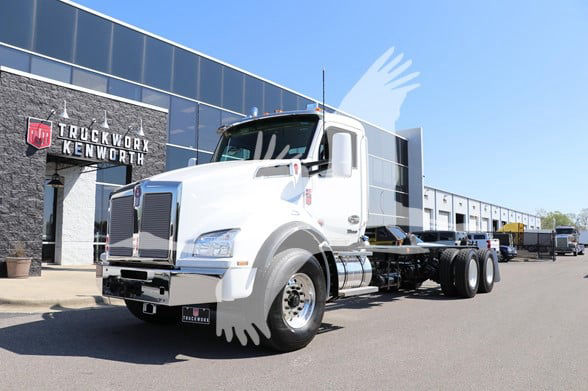
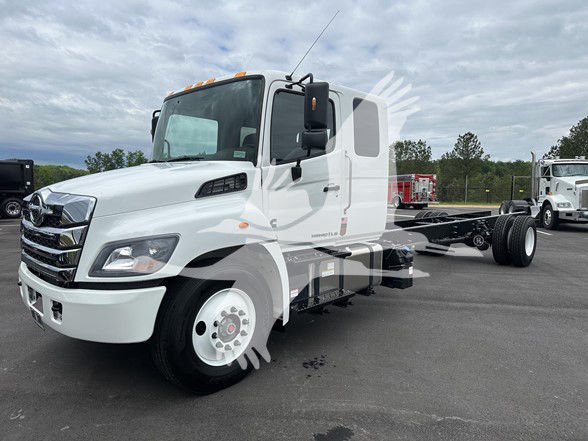
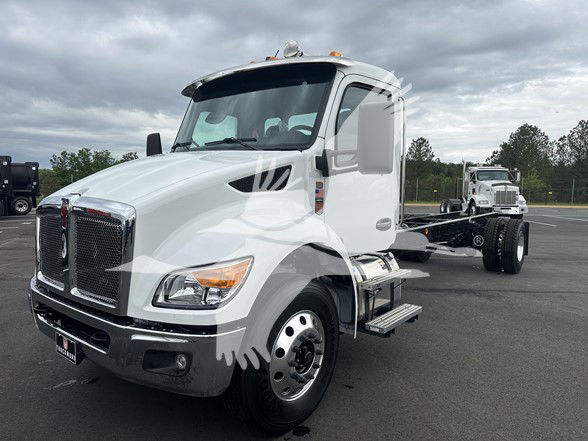
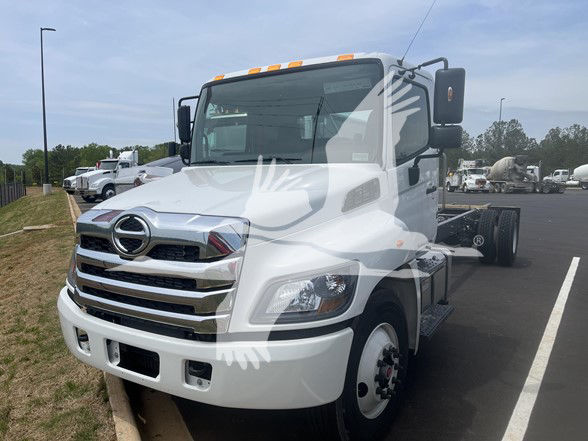
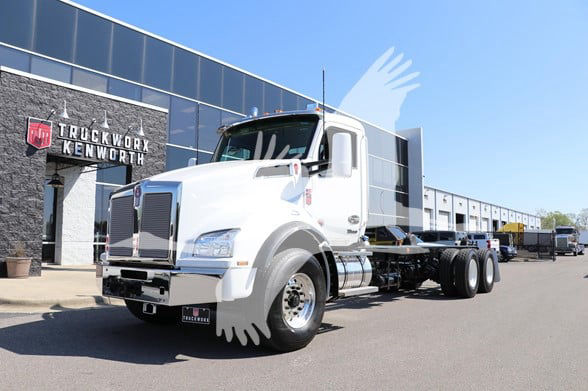
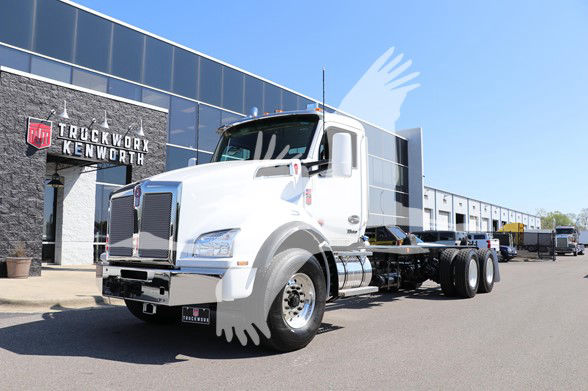
Showing 1 to 28 of 29 results
Selling a new 2026 cab and chassis truck? List your new 2026 cab and chassis truck for sale and reach thousands of commercial buyers.
New 2026 Cab and Chassis Trucks
The key buying decision is usually dimensional fit. Wheelbase, cab-to-axle, and cab-to-end-of-frame determine what body can be mounted without compromise. A shorter CA works for compact dumps or small platforms, while a long wheelbase and extended CA are typically needed for 22 ft to 26 ft van bodies, larger rollback decks, or utility bodies with cranes and compressors. Buyers should also look closely at front and rear axle ratings, frame section modulus, and fuel tank placement because these details affect body clearance, payload distribution, and PTO-driven equipment packaging. If the truck will carry concentrated loads, such as a dump hoist or service crane, the rear suspension spec and frame reinforcement matter as much as advertised GVWR.
Powertrain selection should match both terrain and duty cycle. In this category, common choices include diesel engines like the 6.7L Power Stroke, Cummins B6.7, or PACCAR PX-7 paired with automatic transmissions such as a 10-speed TorqShift or Allison RDS series, though some vocational specs still use manual gearboxes. For stop-and-go routes, PTO operation, and urban delivery, an automatic transmission and the correct rear axle ratio can improve drivability and body function. Air brakes are common in heavier medium-duty cab and chassis trucks, while hydraulic brakes are more typical in lighter Class 4 and Class 5 models. Buyers operating in cold climates often prioritize engine block heaters, and fleets towing equipment should pay attention to trailer tow packages, hitch provisions, and GCWR, not just GVWR.
A well-spec'd 2026 cab and chassis truck should reduce upfit delays and avoid expensive rework after the body arrives. Check that the truck is ordered for the intended body type, including PTO provisions, switch packs, upfitter interfaces, suspension choice, and wheelbase suited to the final installation. Visibility features like rear view cameras, LED lighting, and cab ergonomics matter if the truck will spend long days in city traffic or jobsite maneuvering. The best value in this category usually comes from getting the chassis right the first time so the finished truck delivers legal payload, stable handling, and a clean body installation with no compromises.
Frequently Asked Questions about New 2026 Cab and Chassis Trucks
What is a cab and chassis truck used for?
A cab and chassis truck is built to receive a vocational or commercial body after purchase. Common uses include dump trucks, flatbeds, stake bodies, dry freight boxes, service bodies, utility bodies, and tow or rollback applications. The chassis is sold with the cab, frame, axles, drivetrain, and suspension so the buyer or upfitter can install the body that matches the job.
How do I choose the right cab and chassis wheelbase and cab-to-axle length?
Wheelbase and cab-to-axle dimensions need to match the body manufacturer’s requirements. A short CA is often used for compact dump or platform applications, while longer CA dimensions support larger van bodies, utility bodies, and specialty equipment. If these dimensions are wrong, body fitment, axle loading, and clearance around toolboxes, outriggers, or liftgates can all become problems.
What GVWR should I look for in a new 2026 cab and chassis truck?
The right GVWR depends on the finished truck weight, payload, mounted equipment, and any trailer weight the truck will handle. A lighter Class 4 or Class 5 chassis may be appropriate for a small dump or flatbed body, while medium-duty Class 6 or Class 7 models are more common for 24 ft to 26 ft van bodies, utility applications, or heavier vocational work. Buyers should calculate final curb weight after the body and equipment are installed, then compare that to legal payload and axle ratings rather than relying on GVWR alone.
Are diesel engines still the standard choice for cab and chassis trucks?
Diesel engines remain the standard in many cab and chassis applications because they deliver strong low-end torque, good durability, and broad compatibility with PTO and vocational use. Engines like the Ford 6.7L Power Stroke, Cummins B6.7, and PACCAR PX-7 are common in this category. The best engine choice depends on route density, average payload, idle time, towing needs, emissions service access, and the body equipment the truck will support.
What factory options matter most before a body is installed?
The most important factory options are usually PTO capability, upfitter switches or body builder interfaces, axle ratio, suspension type, brake system, and fuel tank placement. Buyers should also consider trailer tow equipment, locking differentials, block heaters, air ride suspension, and lighting upgrades if those features support the intended application. Getting these specs correct before upfitting helps prevent delays, improves body integration, and reduces the chance of costly chassis modifications later.