
New 2026 Kenworth Cab and Chassis Trucks For Sale
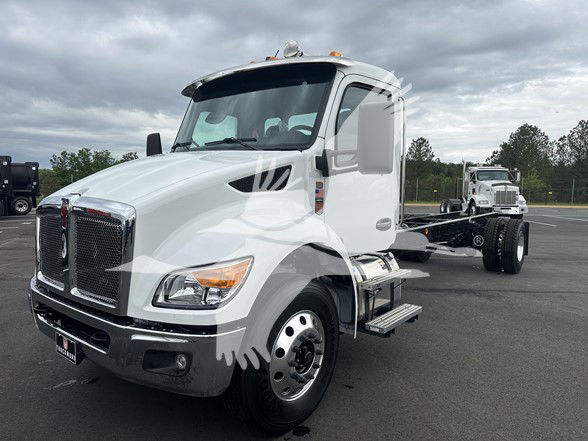
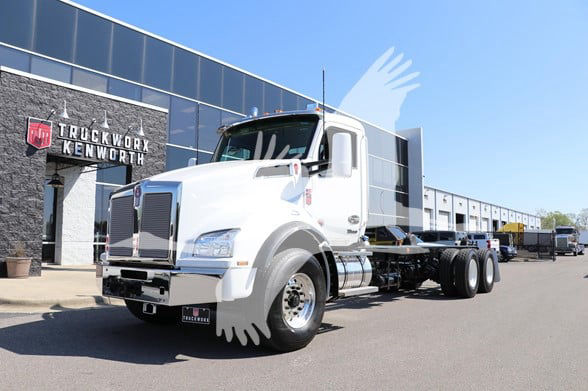
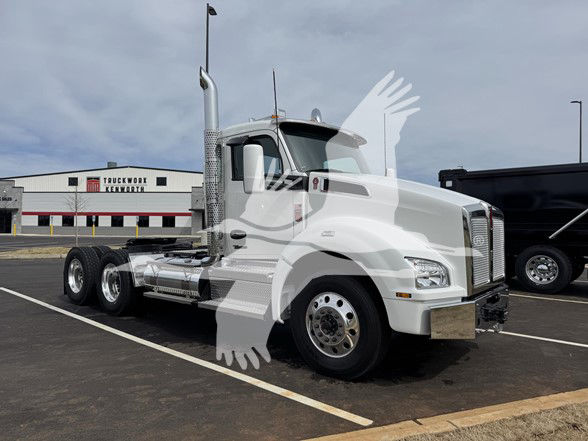
Shop new 2026 Kenworth cab and chassis trucks built for dump, tanker, rollback, utility, and vocational body upfits.
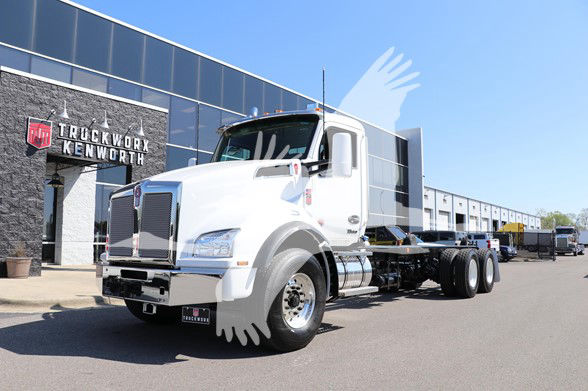
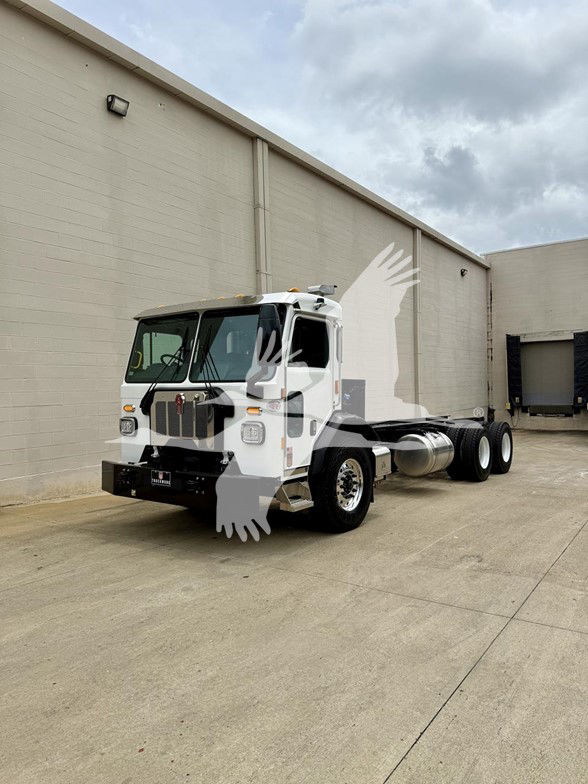
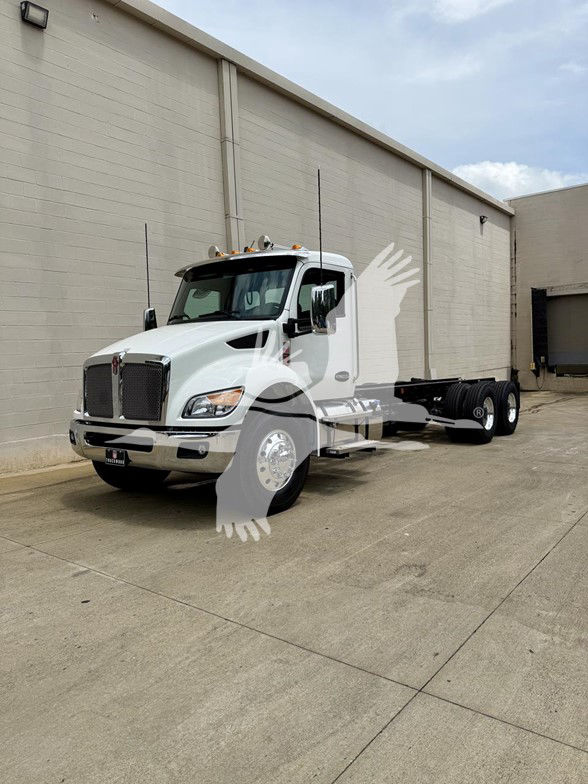
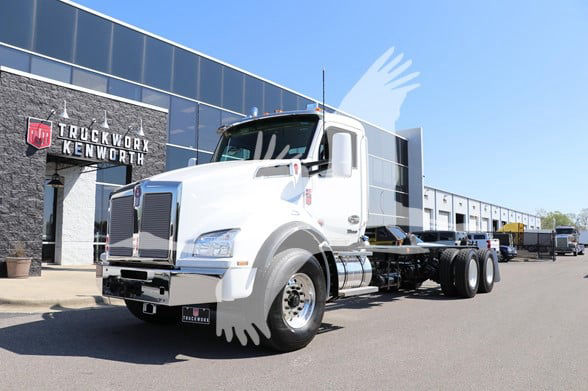
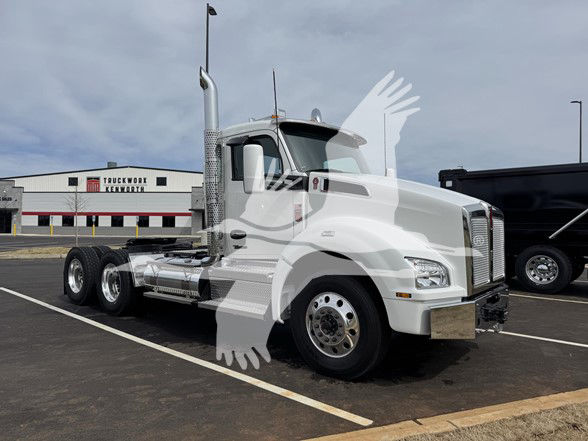
Selling a new 2026 kenworth cab and chassis truck? List your new 2026 kenworth cab and chassis truck for sale and reach thousands of commercial buyers.
New 2026 Kenworth Cab and Chassis Trucks
The most important buying decision on a cab and chassis is not the badge on the hood. It is wheelbase, axle placement, frame strength, and how cleanly the chassis matches the body builder's requirements. Listings in this category may show wheelbases around 272 inches, which is a useful clue for longer body installations, but the right dimension depends on cab-to-axle, body length, rear overhang, and bridge law considerations. Buyers should verify frame section modulus, RBM, rear suspension rating, front axle capacity, and any factory body-builder provisions such as PTO prep, switches, frame drilling strategy, and electrical interfaces. Those details determine how expensive and how clean the upfit will be.
Powertrain choices on new 2026 Kenworth cab and chassis trucks often center on Cummins engines such as the X15, paired with automated or fully automatic transmissions depending on duty cycle. An Endurant XD Pro 18-speed automated manual fits demanding vocational use where gradeability, low-speed control, and durability matter. An Allison automatic is often preferred for stop-and-go municipal work, mixer service, refuse, or any application where torque-converter launch and simple operation help productivity. Suspension selection, locking differentials, axle ratio, and PTO compatibility should be matched to startability, off-road traction, and the hydraulic load the truck will actually carry.
A buyer comparing Kenworth cab and chassis listings should also look closely at packaging that affects uptime after the body is installed. That includes aftertreatment placement, exhaust routing, fuel tank location, battery box clearance, back-of-cab access, and available frame space for pumps, toolboxes, outriggers, or hydraulic reservoirs. The best truck in this category is the one that accepts the intended body without compromise, carries the legal payload you need, and leaves service access intact for the life of the truck.
Frequently Asked Questions about New 2026 Kenworth Cab and Chassis Trucks
What is a Kenworth cab and chassis truck used for?
A Kenworth cab and chassis is a truck delivered with the cab, frame, drivetrain, axles, and running gear, but without the final vocational body. It is commonly used as the foundation for dump trucks, rollbacks, utility bodies, service trucks, tankers, vacuum trucks, refuse units, and other specialized upfits. The value of this category is that the chassis can be matched to the exact body, payload, and PTO requirements of the application.
How do I choose the right wheelbase on a new 2026 Kenworth cab and chassis?
Wheelbase should be chosen from the body builder's layout, not guessed from appearance. The key measurements are cab-to-axle, cab-to-end-of-frame, required body length, rear overhang, and any bridge or turning-radius constraints. A longer wheelbase such as 272 inches may suit certain bodies, but the correct spec depends on axle spread, intended payload distribution, and how much equipment must fit on the frame rails.
Which is better for a vocational cab and chassis, an Allison automatic or an Endurant XD Pro automated transmission?
The better transmission depends on how the truck will work. An Allison automatic is a strong fit for severe stop-start duty, frequent backing, municipal operation, and applications that benefit from torque-converter launch. An Endurant XD Pro automated manual can be a smart choice for higher-GCW vocational work where gear coverage, gradeability, and efficiency are priorities. PTO requirements, driver familiarity, and terrain should be part of the decision.
Why does frame spec matter so much on a cab and chassis truck?
Frame spec determines whether the truck can support the body, payload, and duty cycle without excessive flex or costly rework. Buyers should check frame rail dimensions, liner configuration, RBM, suspension capacity, and body-mounting needs before purchase. A chassis that is underbuilt can limit the upfit or shorten service life, while one that is correctly spec'd makes body installation cleaner and helps the truck hold alignment and durability under load.
What should I verify before sending a new Kenworth cab and chassis to a body builder?
Confirm the complete body-builder package before the truck is released for upfit. That includes wheelbase and cab-to-axle dimensions, axle ratings, transmission PTO openings, engine PTO capability if needed, electrical connections, exhaust and aftertreatment placement, fuel tank location, battery box clearance, and any factory-installed switches or programming. It is also smart to confirm frame length, hole patterns, and suspension details so the body can be installed without relocation work or component interference.