
New Kenworth Cab and Chassis Trucks For Sale
Shop new Kenworth cab and chassis trucks built for dump, tanker, roll-off, utility, and vocational upfit applications.
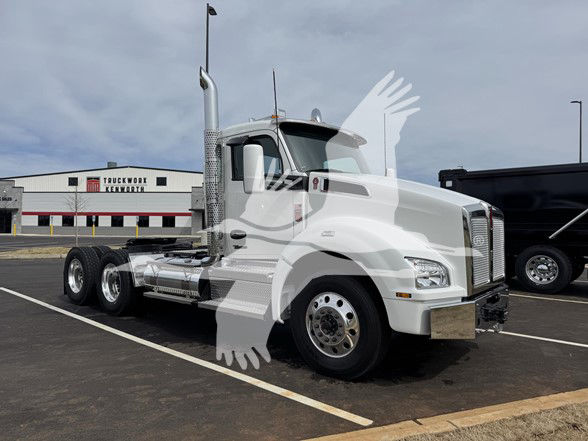
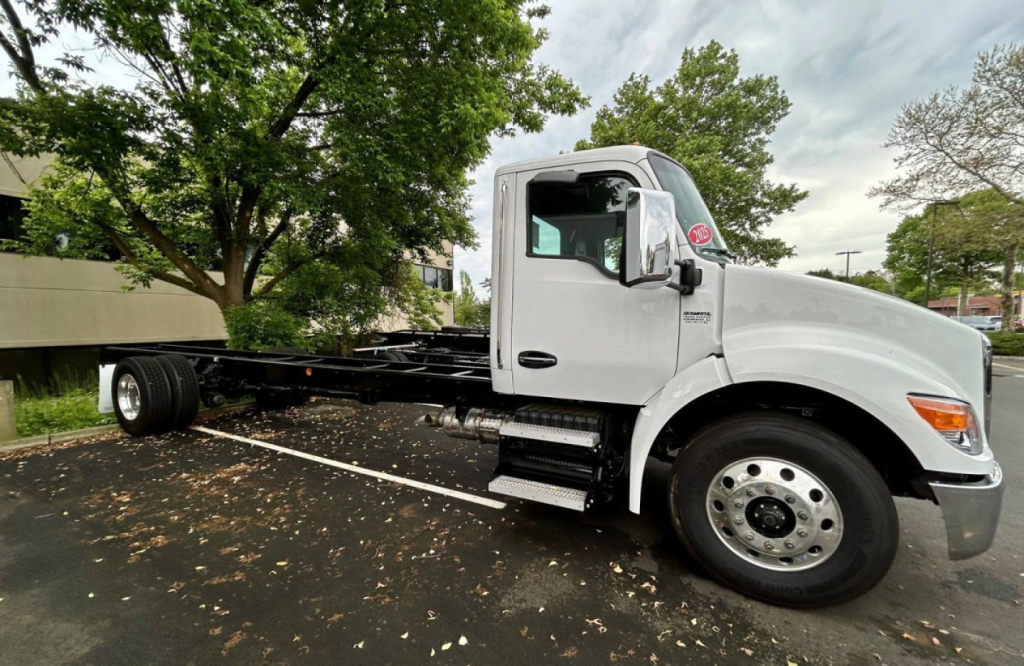
Selling a new kenworth cab and chassis truck? List your new kenworth cab and chassis truck for sale and reach thousands of commercial buyers.
New Kenworth Cab and Chassis Trucks
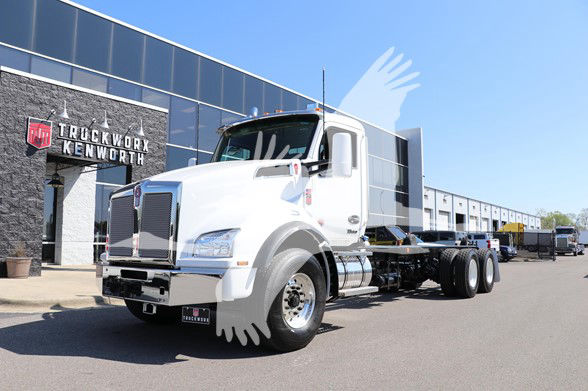
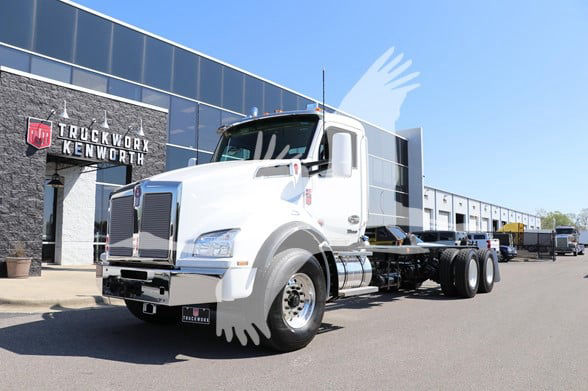
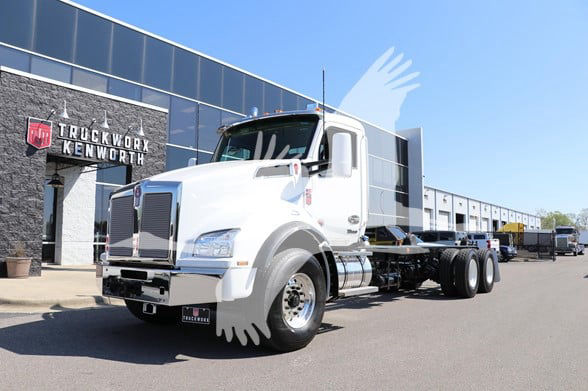
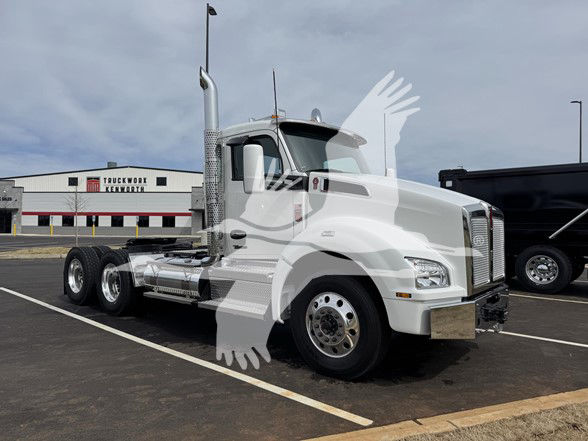
The Kenworth T880 is one of the most common choices in this class because it can be spec'd for heavy vocational work with tandem rears, high-horsepower Cummins X15 power, and severe-duty suspensions such as Hendrickson RTE. Buyers comparing T880 specs should pay close attention to axle ratings, rear ratio, transmission type, and wheelbase. A 272-inch wheelbase, for example, may suit certain long-body or equipment-install applications, while a shorter wheelbase can improve maneuverability on jobsites. Allison automatic and Eaton Endurant XD Pro automated transmissions both show up in this segment, and the right choice usually depends on PTO demand, stop-and-go operation, terrain, and driver mix.
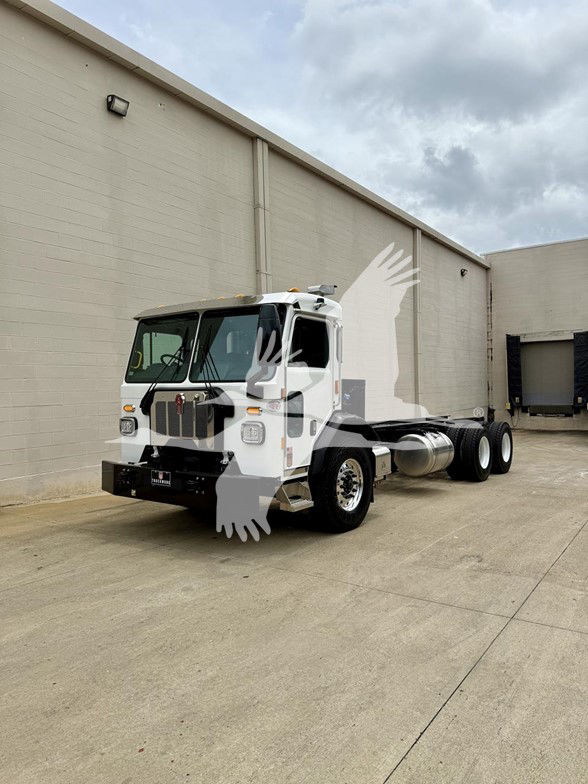
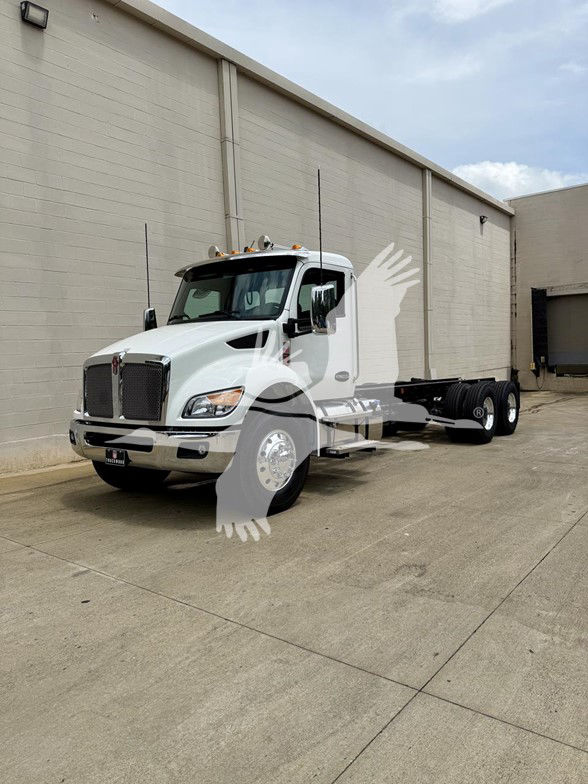
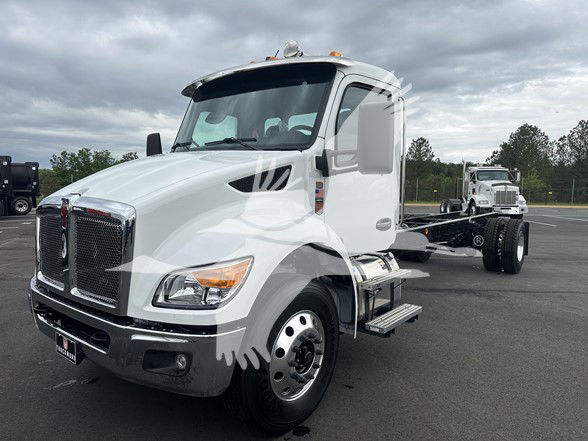
The Kenworth T480 and L770 also fit specific vocational roles. A T480 with a PACCAR PX-9, tandem axle setup, and vocational suspension is often a strong match for municipal work, regional construction, or medium-heavy body installations that do not require the larger-displacement engine of a T880. The L770, with its set-forward axle layout, is a familiar option for mixer, refuse, and other applications where bridge law compliance, forward visibility, and body positioning are important. On new cab and chassis trucks, buyers should also look at frame rail dimensions, cab-to-axle measurement, back-of-cab clearance, steering gear placement, fuel tank location, and exhaust routing, since all of these affect upfitter compatibility.
New Kenworth cab and chassis trucks are attractive to fleets that want current emissions systems, factory warranty coverage, and a spec tailored to the final job instead of reworking a used platform. Common configurations in this category include 6x4 tandem-drive layouts, 22.5-inch rubber, aluminum or mixed aluminum-steel wheel packages, and horsepower ratings ranging from mid-300s into the 500-hp class. The right truck is the one that matches the body builder's requirements as closely as possible before the body is installed. That usually reduces upfit delays, avoids frame modification issues, and delivers better payload distribution, turning radius, and long-term serviceability.
Frequently Asked Questions about New Kenworth Cab and Chassis Trucks
What is a Kenworth cab and chassis truck used for?
A Kenworth cab and chassis truck is a stripped vocational platform designed to receive a body after delivery. Common uses include dump trucks, service bodies, crane trucks, vacuum trucks, tank trucks, rollback units, hooklift systems, and utility trucks. The main advantage is that the chassis can be ordered around the final application, including wheelbase, axle capacity, PTO setup, suspension, and frame dimensions.
Which Kenworth model is best for heavy vocational upfits?
The Kenworth T880 is a leading choice for heavy vocational work because it supports high GVWR and GCWR ratings, larger engines such as the Cummins X15, and severe-duty suspension options. It is often selected for dump, heavy haul support, and demanding body installations. For lighter or medium-heavy vocational work, a T480 may be the better fit, while the L770 is often preferred where a set-forward axle benefits body placement or bridge compliance.
Why does wheelbase matter on a new cab and chassis truck?
Wheelbase affects body length, weight distribution, turning radius, and how the truck performs once the upfit is installed. A wheelbase that is too short can limit body options or overload an axle. A wheelbase that is too long can reduce maneuverability and add unnecessary weight. Buyers should confirm wheelbase along with cab-to-axle and back-of-cab dimensions so the chassis matches the body builder's layout exactly.
What transmission and engine choices are common on Kenworth cab and chassis trucks?
Common engine choices include the PACCAR PX-9 for medium-heavy vocational work and the Cummins X15 for higher horsepower and torque demands. Transmission choices often include Allison automatics for stop-and-go operation and PTO-friendly vocational service, or automated manuals such as the Eaton Endurant XD Pro for buyers prioritizing efficiency and heavy-duty capability. The best pairing depends on terrain, body equipment, PTO usage, and expected payload.
What should buyers check before ordering or comparing a cab and chassis listing?
The most important items are intended body type, GVWR, axle ratings, wheelbase, cab-to-axle measurement, frame specifications, rear ratio, suspension, and transmission compatibility with PTO-driven equipment. Buyers should also verify tire size, fuel tank placement, exhaust routing, and any factory provisions needed by the upfitter. A good cab and chassis spec saves time during body installation and helps prevent costly modifications after the truck arrives.