
New 2026 Cab and Chassis Trucks For Sale in Texas
Shop new 2026 cab and chassis trucks for sale in Texas. Compare wheelbases, axle ratings, PTO options, and vocational upfit capability.
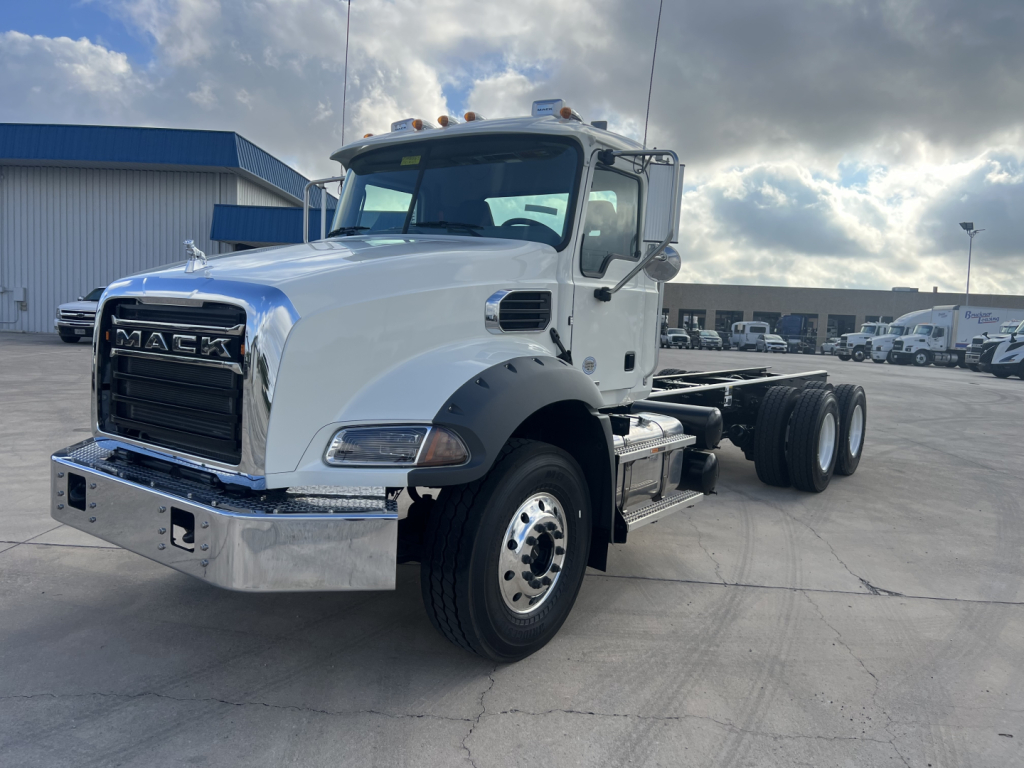
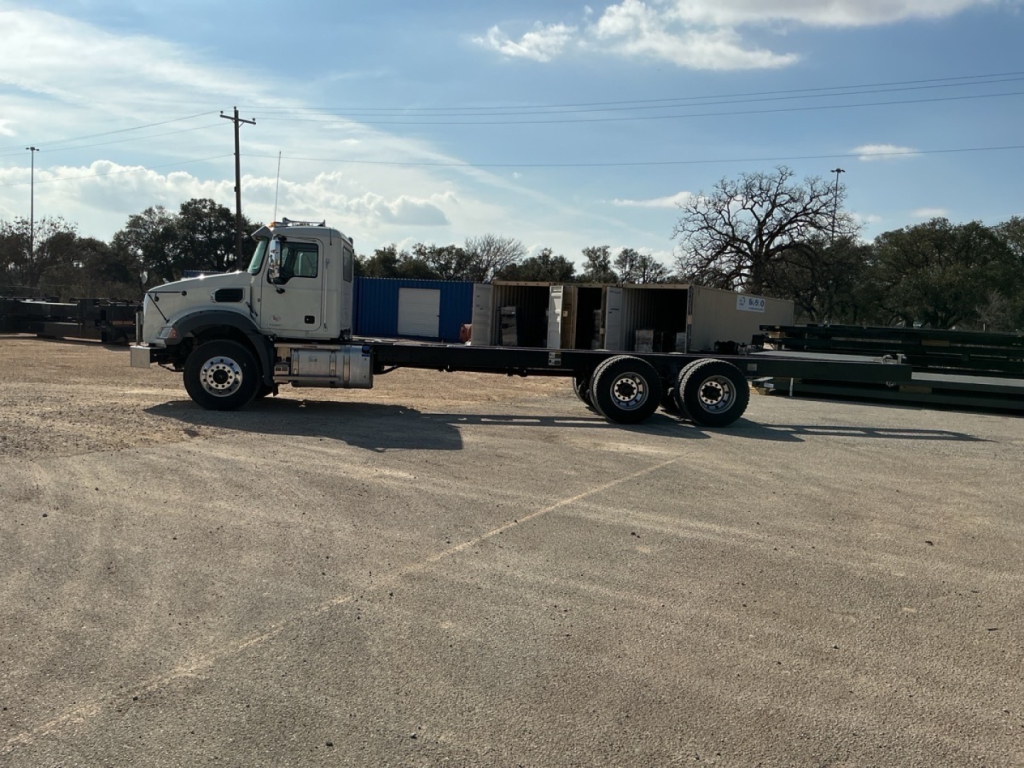
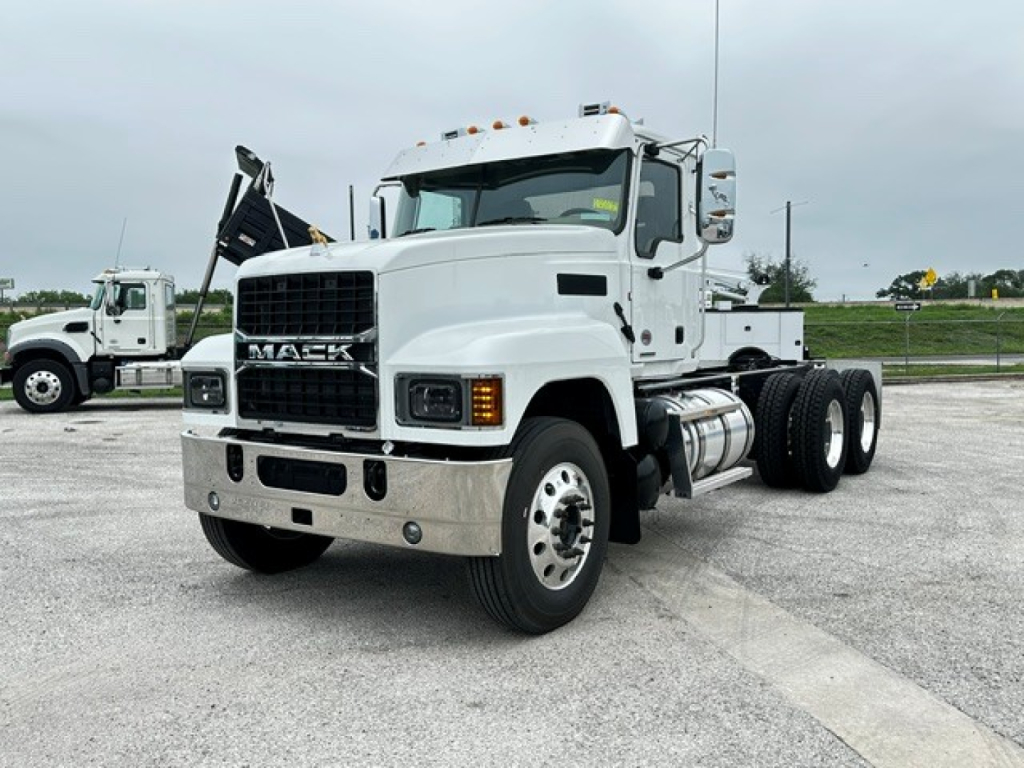
Selling a new 2026 cab and chassis truck? List your new 2026 cab and chassis truck for sale and reach thousands of commercial buyers.
New 2026 Cab and Chassis Trucks in Texas
For many buyers, the first major decision is drivetrain and suspension. A 6x4 tandem works well for many dump, service, and municipal applications, while a tri-drive or severe-duty tridem chassis is better suited for pipeline work, soft lease roads, off-road construction, and high-GVWR body installs. Common specs in this category include diesel engines in the 400 to 455 horsepower range, torque ratings around 1,450 to 1,750 lb-ft, and transmissions ranging from Allison automatics to automated manuals and deep-reduction manual boxes such as an 8LL. Rear axle ratios, differential locks, front axle capacity, and suspension design matter just as much as horsepower. Camelback, vocational air ride, and severe-duty mechanical suspensions each bring different advantages depending on load stability, articulation needs, and road conditions.
Texas buyers should pay close attention to cooling capacity, PTO provisions, and brake configuration. High ambient temperatures, long idle time, and hydraulic accessory loads can expose weak cooling specs fast, especially on mixer, vac, water, or crane applications. Dual PTO openings, transmission-driven PTO compatibility, and adequate frame space simplify body installation and future service. Full disc or drum brake setups each have a place depending on duty cycle, maintenance preference, and operating terrain. Wheelbase is another critical spec because it affects bridge compliance, turning radius, body fitment, and weight distribution across steer and drive axles.
A well-matched 2026 cab and chassis truck should be evaluated as a complete vocational platform, not just a cab with rails. Buyers typically compare GVWR, front and rear axle ratings, frame reinforcement, suspension capacity, fuel capacity, and factory safety features alongside the engine and transmission. Advanced driver assistance systems, collision mitigation, and adaptive cruise control are increasingly common even on vocational chassis, but durability still comes down to how the truck is spec'd for the body and the terrain. If the chassis will spend its life on Texas jobsites, county roads, and energy-sector routes, prioritize axle capacity, PTO readiness, cooling, and suspension over cosmetic options.
Frequently Asked Questions about New 2026 Cab and Chassis Trucks in Texas
What is a cab and chassis truck used for?
A cab and chassis truck is a stripped vocational truck platform designed to accept a specialized body. Common uses include dump bodies, flatbeds, utility bodies, service bodies, water tanks, vacuum equipment, hooklift systems, cranes, and concrete mixer installations. The value of a cab and chassis is that the truck can be spec'd around the finished application, including body length, hydraulic requirements, axle capacity, and operating terrain.
How do I choose the right wheelbase for a cab and chassis truck?
Wheelbase selection should start with the body manufacturer's required cab-to-axle and frame length, then be checked against turning radius, axle weight distribution, and local bridge or road restrictions. A longer wheelbase can improve body fitment and load balance, but it may reduce maneuverability on jobsites or in urban service work. A shorter wheelbase is easier to position and turn, but it can limit body size and PTO-driven equipment layout. Matching wheelbase to the exact upfit is one of the most important decisions in the purchase process.
What is the difference between a tandem and a tri-drive cab and chassis?
A tandem drive chassis typically uses one steer axle and two powered rear axles in a 6x4 configuration, which suits many dump, municipal, and service applications. A tri-drive adds another powered axle, increasing traction, axle capacity, and flotation in off-road or severe-duty work. Tri-drive trucks are common in oilfield, pipeline, logging, and heavy construction applications where soft ground, steep grades, or very high gross vehicle weights are part of the job. The tradeoff is higher acquisition cost, more drivetrain complexity, and often a larger turning circle.
Are automatic transmissions a good choice for vocational cab and chassis trucks?
Automatic transmissions are a strong choice for many vocational operations, especially where the truck sees stop-and-go driving, multiple drivers, PTO work, or urban routes. Allison automatics are widely used because they provide smooth engagement, reduced driver fatigue, and good compatibility with many hydraulic applications. Automated manuals can improve fuel efficiency and still handle heavy loads well, while deep-reduction manual transmissions remain valuable for severe-duty off-road work that requires precise low-speed control. The right transmission depends on duty cycle, terrain, driver skill level, and PTO needs.
Which specs matter most on a new Texas cab and chassis truck?
For Texas applications, the most important specs are usually axle ratings, suspension type, cooling package, PTO compatibility, wheelbase, and brake setup. High heat, long distances, rough lease roads, and heavy hydraulic workloads can push a truck beyond what a light vocational spec can handle. Buyers should also review frame strength, fuel capacity, differential locks, front axle loading, and the intended body weight when fully equipped. A truck that is properly spec'd for the body and operating environment will generally deliver better uptime and easier upfitting.