
New 2026 Cab and Chassis Trucks For Sale in Alabama
Shop new 2026 cab and chassis trucks in Alabama. Compare wheelbases, GVWR, engines, PTO options, and body-ready specs for your application.
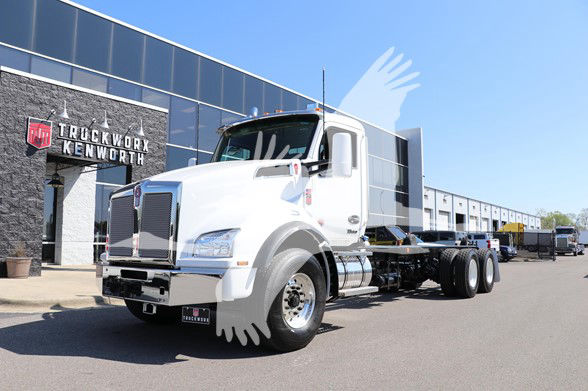
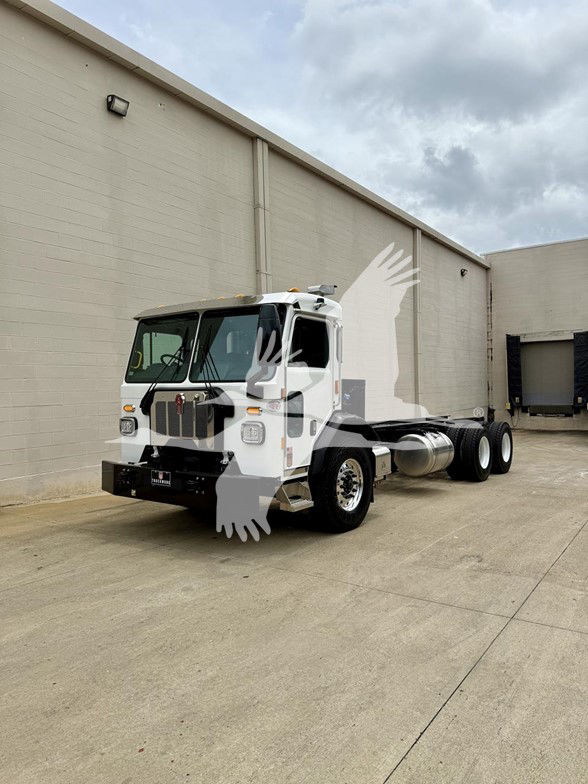
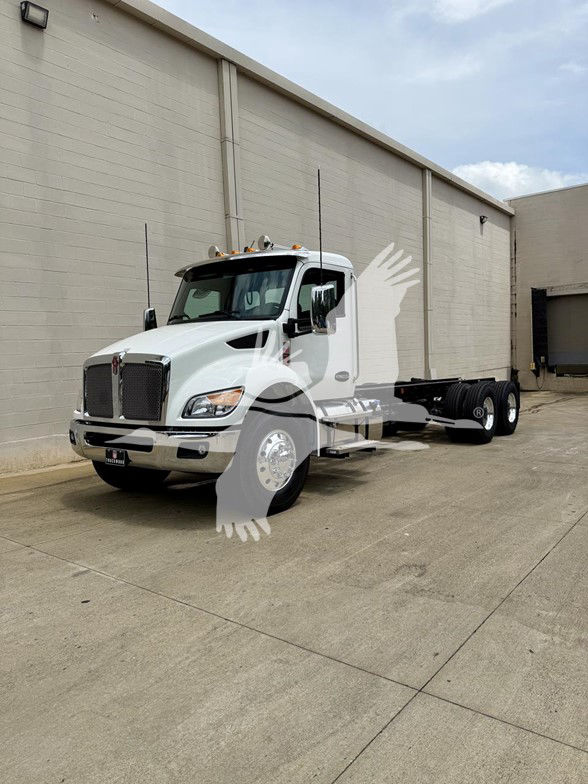
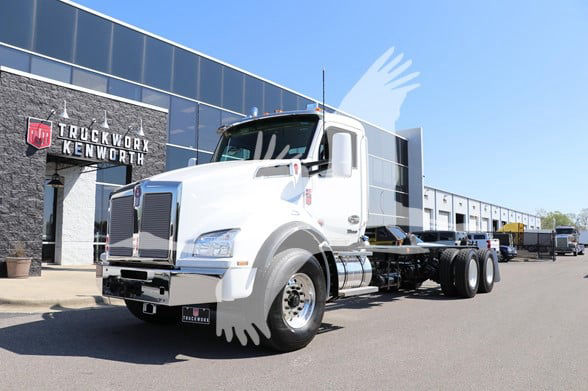
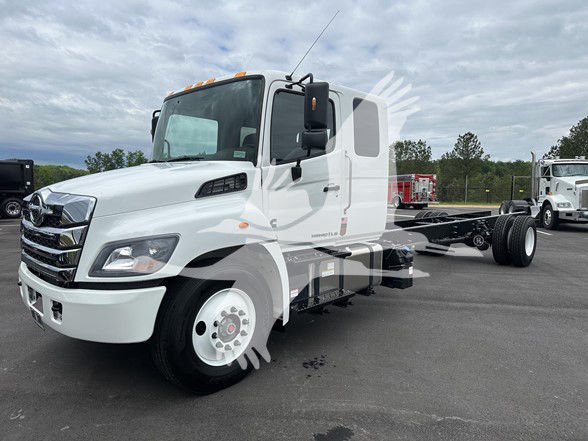
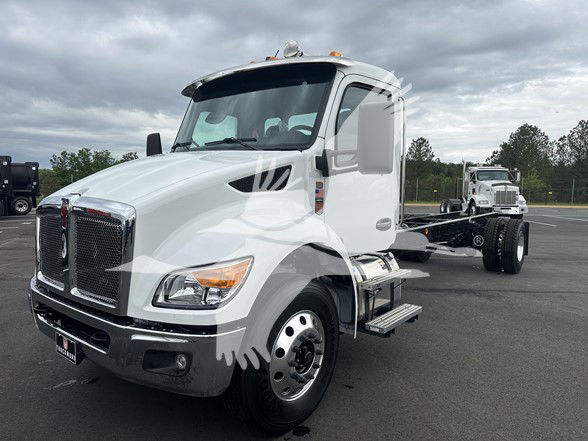
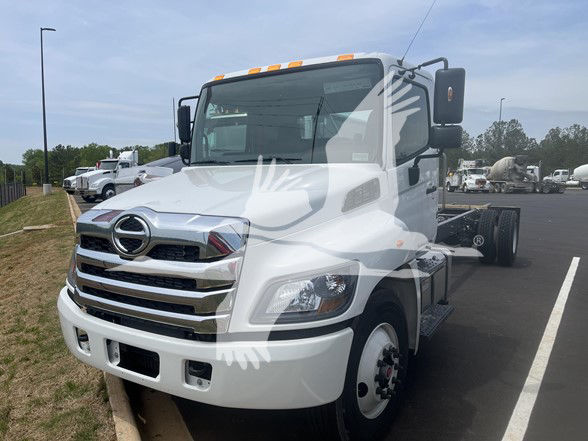
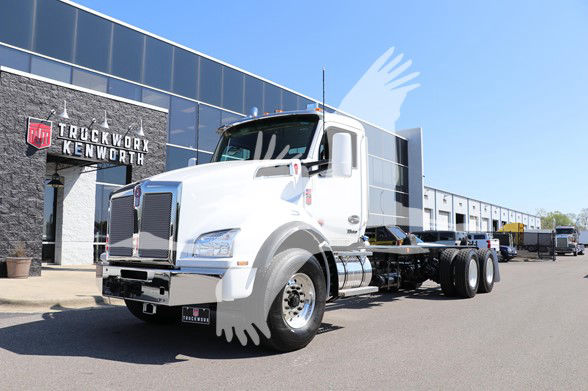
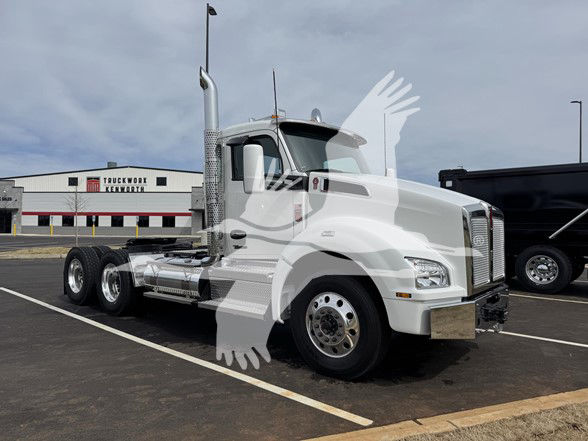
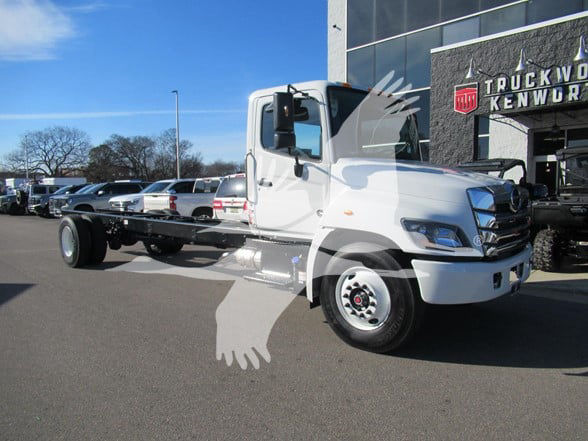
Selling a new 2026 cab and chassis truck? List your new 2026 cab and chassis truck for sale and reach thousands of commercial buyers.
New 2026 Cab and Chassis Trucks in Alabama
The first buying decision is usually size and upfit compatibility. Medium-duty models such as the Kenworth T380, Hino L6, and Isuzu NPR HD are common choices when maneuverability, lower cab height, and body access matter. Heavier platforms like the Kenworth T480 and T880 move into more demanding applications where higher GVWR, stronger front axles, and vocational drivetrain options are important. Wheelbase is one of the most important specs to verify because it determines what body lengths and axle placements will work. Buyers should also confirm cab-to-axle and cab-to-end-of-frame dimensions, frame section modulus, PTO provisions, and clear back-of-cab space for hydraulic or electrical equipment.
Powertrain selection should match the job cycle, not just the gross weight rating. Diesel engines in this class often include medium-duty Cummins options such as the PX-7 or PX-9, paired with automatic or manual transmissions depending on the application. An Allison automatic like a 3000RDS is common on trucks headed for dump, utility, or municipal service because it handles stop-and-go work well and supports PTO-driven equipment. Rear axle ratio, suspension type, brake setup, and fuel tank placement also affect how easily the chassis can be upfitted. If the truck will carry a service body, rollback, refrigerated box, or dump body, it is worth checking frame height, exhaust routing, and any factory body-builder assistance features before the build starts.
In Alabama, operating conditions can push buyers toward practical durability features such as corrosion protection, easy service access, strong cooling capacity, and driver comfort for hot-weather use. New 2026 cab and chassis trucks also bring the advantage of current emissions systems, warranty coverage, and updated safety technology, which can matter for fleets trying to reduce downtime and standardize equipment. The best chassis is the one that fits the body correctly, carries the payload legally, and supports the PTO, axle, and wheelbase requirements of the intended upfit without expensive modifications later.
Frequently Asked Questions about New 2026 Cab and Chassis Trucks in Alabama
What is a cab and chassis truck used for?
A cab and chassis truck is used as a base vehicle for adding a vocational or commercial body. Common upfits include box trucks, flatbeds, dump bodies, service bodies, utility bodies, rollback carriers, hooklifts, stake beds, and refrigerated bodies. The truck leaves the factory with the cab and frame rails ready for body installation, which lets the buyer match the chassis to a specific job instead of buying a completed truck with fixed equipment.
What specs matter most when buying a new cab and chassis truck?
The most important specs are GVWR, front and rear axle ratings, wheelbase, cab-to-axle dimension, frame strength, engine and transmission combination, and PTO capability. These measurements determine whether the chassis can legally carry the finished body and payload, and whether the body can be mounted without reworking the frame. Buyers should also verify suspension type, brake system, fuel tank placement, and back-of-cab clearance because those details directly affect upfit cost and fitment.
How do I choose the right wheelbase for a chassis cab?
Wheelbase should be chosen based on the body length, intended payload distribution, and axle placement required by the body manufacturer. A wheelbase that is too short can limit body options and create load balance problems, while one that is too long can hurt maneuverability and add unnecessary weight. The correct approach is to match the truck's wheelbase and cab-to-axle measurement to the upfitter's body layout before ordering or purchasing the chassis.
Are medium-duty and heavy-duty cab and chassis trucks suited for different jobs?
Yes. Medium-duty cab and chassis trucks are often used for local delivery, landscaping, municipal work, and lighter service applications where tighter turning radius and lower operating cost are priorities. Heavy-duty cab and chassis trucks are built for more severe service such as dump, crane, towing, heavier flatbed work, and high-GVWR applications. The right choice depends on payload, terrain, body type, PTO demands, and how many stop-and-go cycles the truck will see.
Why is PTO compatibility important on a cab and chassis truck?
PTO compatibility matters because many vocational bodies rely on power take-off equipment to run hydraulic pumps, compressors, winches, and other auxiliary systems. Dump bodies, service trucks, rollbacks, and some utility applications often need a PTO-ready transmission or factory provisions for easier installation. Confirming PTO type, location, and transmission compatibility before the body is installed helps avoid delays, extra fabrication, and costly changes during the upfit process.