
New 2026 Hino Cab and Chassis Trucks For Sale in Alabama
Shop new 2026 Hino cab and chassis trucks in Alabama. Compare L6 specs, GVWR, wheelbase options, and body upfit potential.
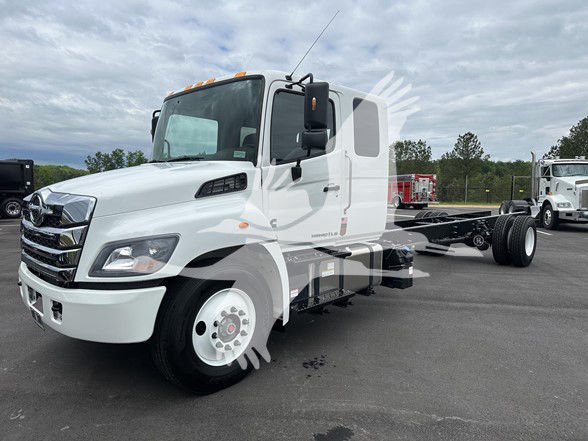
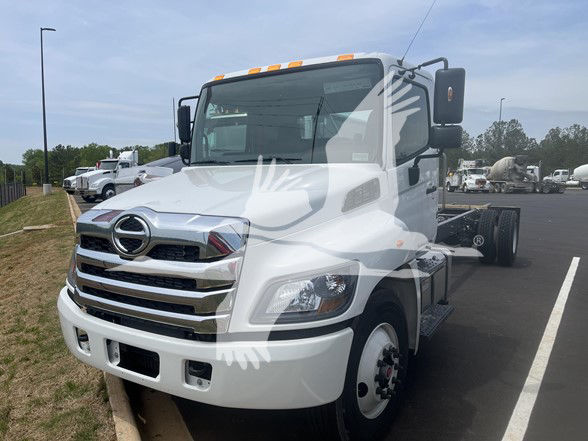
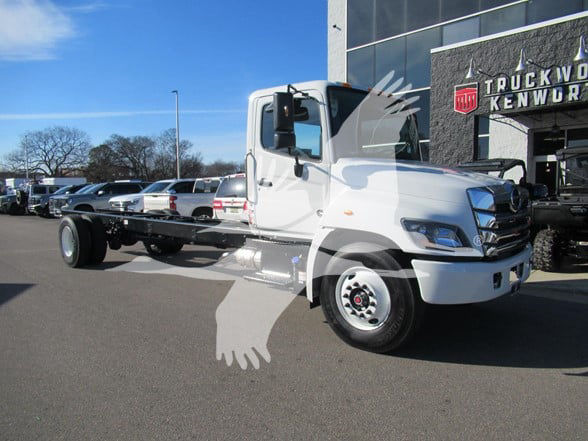
Selling a new 2026 hino cab and chassis truck? List your new 2026 hino cab and chassis truck for sale and reach thousands of commercial buyers.
New 2026 Hino Cab and Chassis Trucks in Alabama
For many buyers, the first decision is body length and payload target. That drives wheelbase, cab-to-axle measurement, rear axle capacity, and GVWR. On Hino models like the L6, buyers typically compare frame strength, body-builder friendliness, and powertrain suitability for stop-and-go regional work. A proper cab and chassis spec should account for the finished body, liftgate or hoist weight, fuel capacity, driver count, and the cargo or equipment the truck will carry every day. If the truck will operate on tighter city routes, turning radius and overall length deserve as much attention as raw capacity.
New Hino cab and chassis trucks are often chosen for their straightforward medium-duty design, diesel power, and compatibility with commercial upfits. Key items to review include engine horsepower and torque, transmission type, front and rear suspension, brake configuration, fuel tank placement, PTO readiness, and frame rail dimensions. Buyers in Alabama should also think about heat, humidity, and mixed-route operation when evaluating cooling performance, cab comfort, and corrosion protection. If the truck will spend time on job sites or unimproved surfaces, ground clearance, traction setup, and tire selection become more important than they would be on a pure pavement delivery route.
The best 2026 Hino cab and chassis setup is the one that matches the final application without leaving capacity or money unused. A truck spec that is too light can limit body choices and shorten service life, while an oversized spec can raise acquisition cost, tare weight, and fuel spend. For many fleets, the value in this category comes from ordering the right wheelbase, axle ratio, and equipment package upfront so the chassis works cleanly with the intended body and duty cycle from day one.
Frequently Asked Questions about New 2026 Hino Cab and Chassis Trucks in Alabama
What is a Hino cab and chassis truck used for?
A Hino cab and chassis truck is a stripped chassis with a factory cab, frame rails, drivetrain, and running gear designed to accept a commercial body. Common uses include box trucks, refrigerated delivery bodies, flatbeds, dump bodies, stake beds, utility and service bodies, and tow applications. The main advantage is flexibility, since the same base truck can be tailored to a specific payload, body length, and route profile.
What should I check before buying a new 2026 Hino cab and chassis?
The most important items are GVWR, front and rear axle ratings, wheelbase, cab-to-axle dimension, frame strength, and the compatibility of the chassis with the body you plan to install. Buyers should also confirm engine and transmission specs, PTO needs, fuel tank location, suspension type, brake setup, and any body-builder provisions. A good match between chassis and upfit prevents clearance issues, weight distribution problems, and costly rework after delivery.
Is a Hino L6 a good choice for medium-duty fleet work?
The Hino L6 is commonly considered for medium-duty applications where operators need a durable chassis for regional delivery or vocational use without stepping into a heavier class than necessary. It can be a strong fit for van bodies, reefer bodies, flatbeds, and certain service applications when the wheelbase and axle capacities are properly selected. The key is to evaluate the finished truck weight and duty cycle, not just the base chassis model name.
How do I choose the right wheelbase on a cab and chassis truck?
Wheelbase should be chosen based on the intended body length, load distribution, and maneuverability needs. A longer wheelbase may support a larger body and improve ride stability, but it also increases turning radius and overall vehicle length. A shorter wheelbase can be better for urban routes and tighter jobsites, as long as it still provides proper body fitment and axle loading once the truck is fully upfitted and loaded.
Why does cab-to-axle measurement matter on a new cab and chassis?
Cab-to-axle measurement determines how the body will sit on the frame and is one of the most important dimensions in any upfit. If the cab-to-axle length is wrong, the body may not mount correctly, weight may be distributed poorly, and components like liftgates, toolboxes, or hoists may not fit as intended. Matching cab-to-axle dimensions to the body manufacturer’s requirements is essential for a clean and compliant final build.