
New Hino Cab and Chassis Trucks For Sale
Shop new Hino cab and chassis trucks built for box, flatbed, dump, reefer, and utility body upfits with durable medium-duty specs.
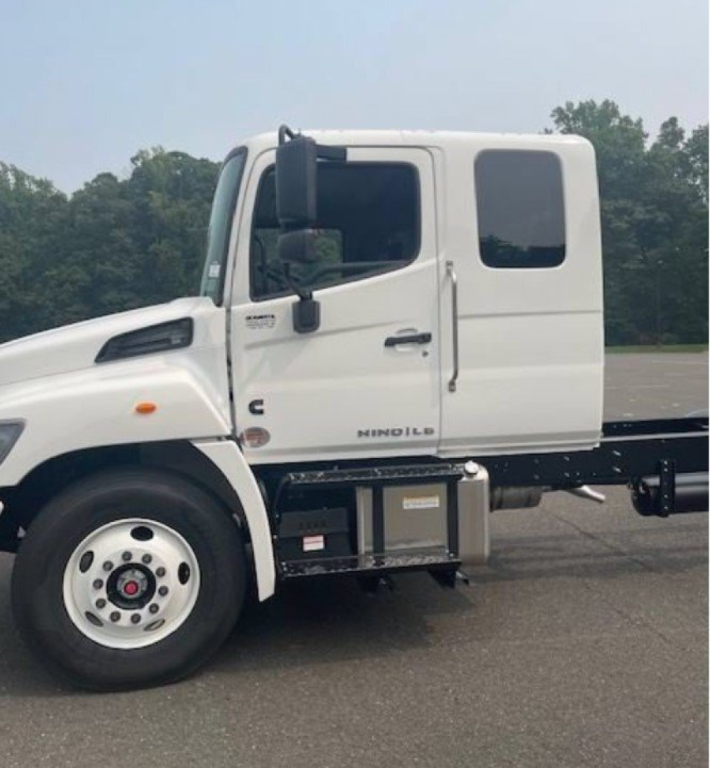
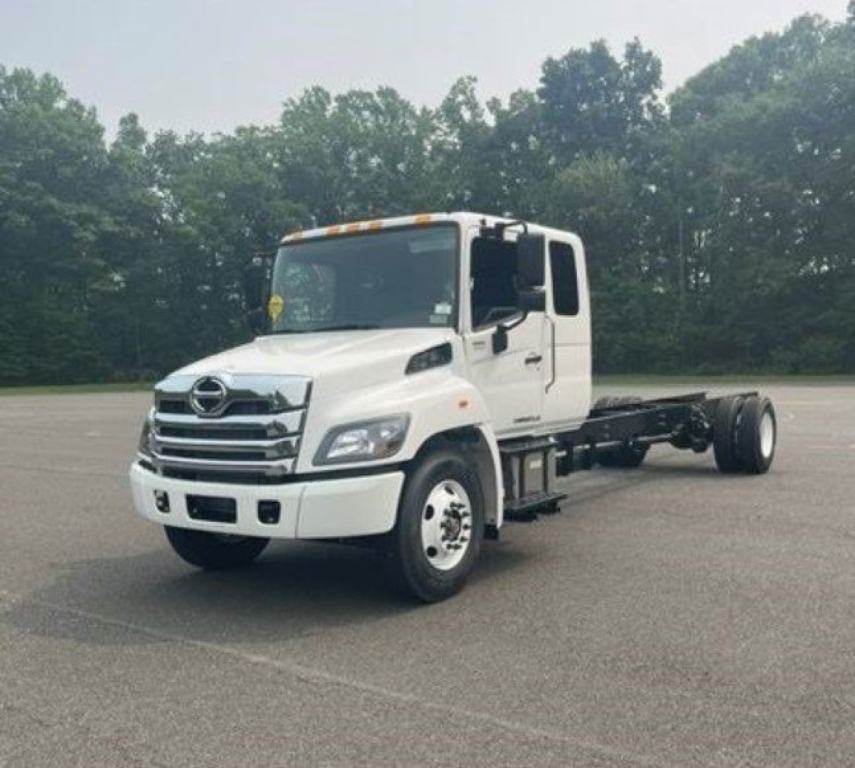
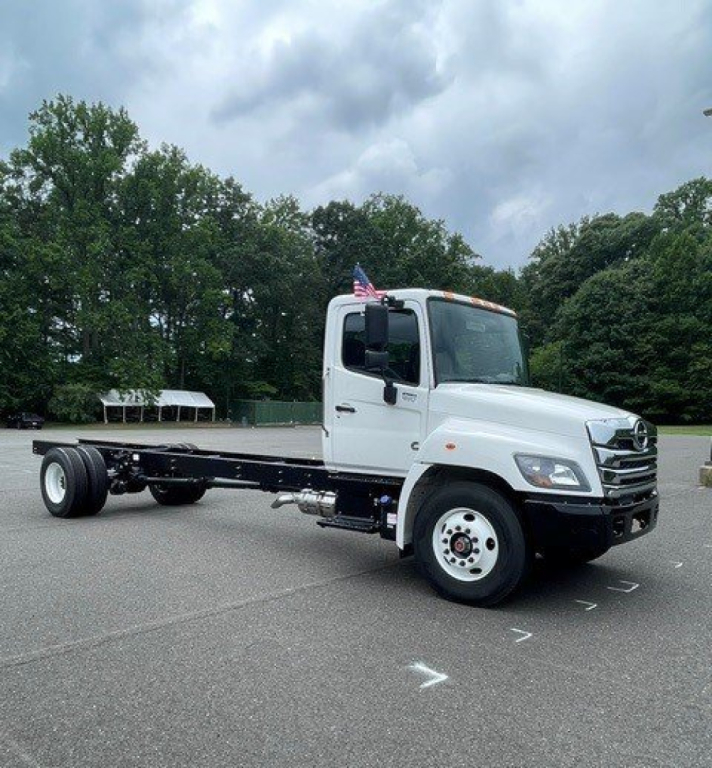
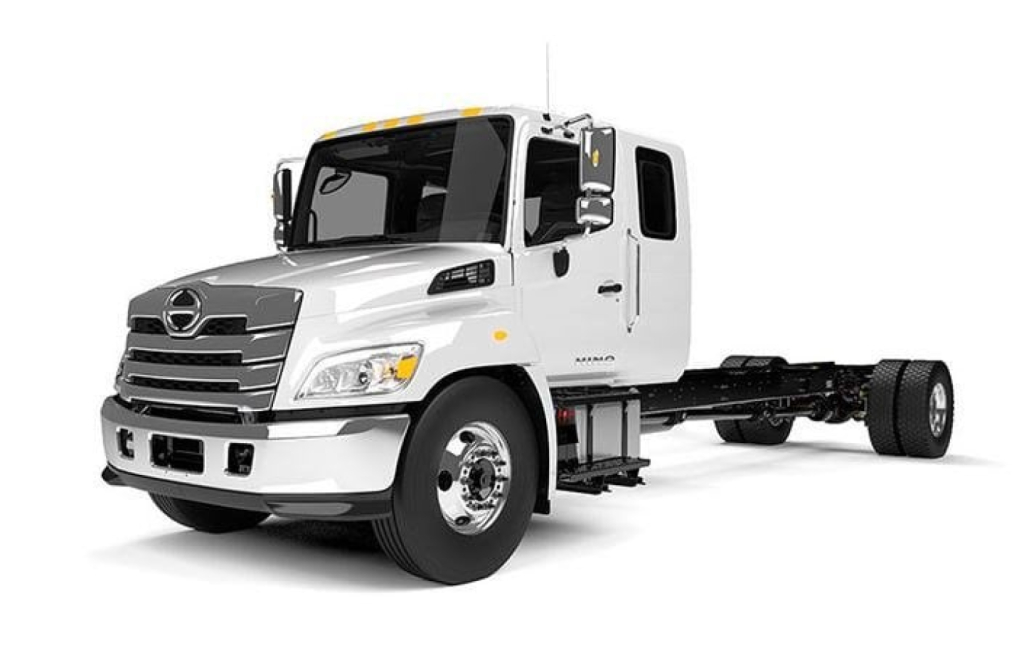
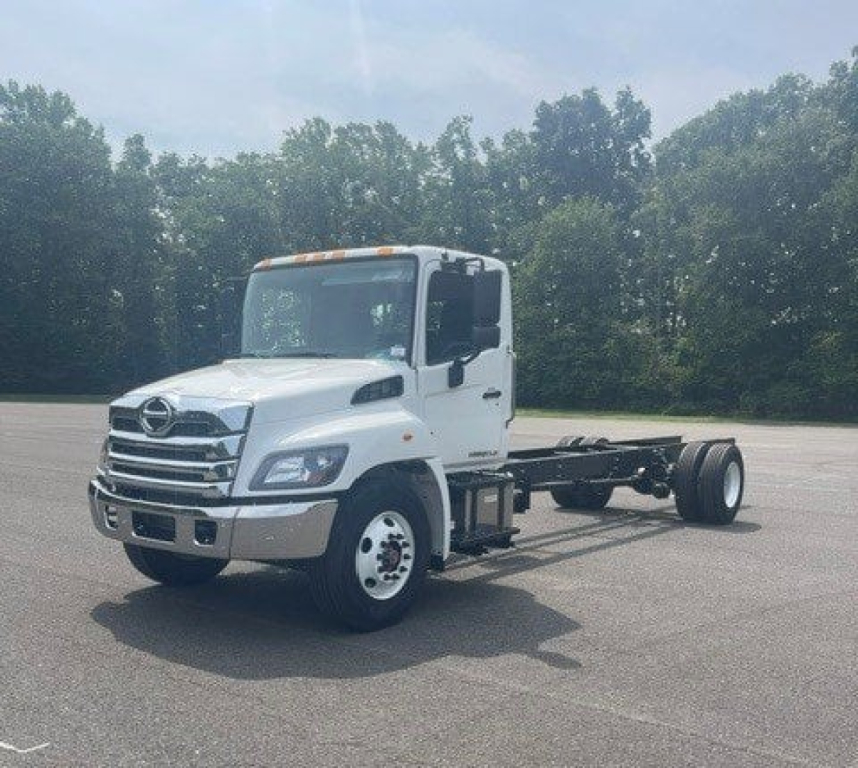
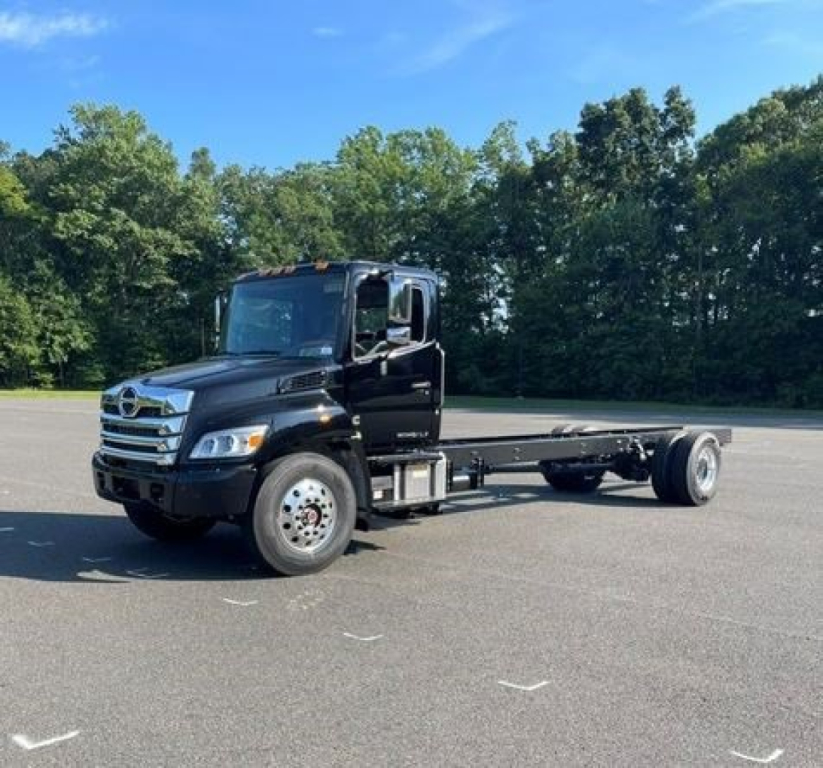
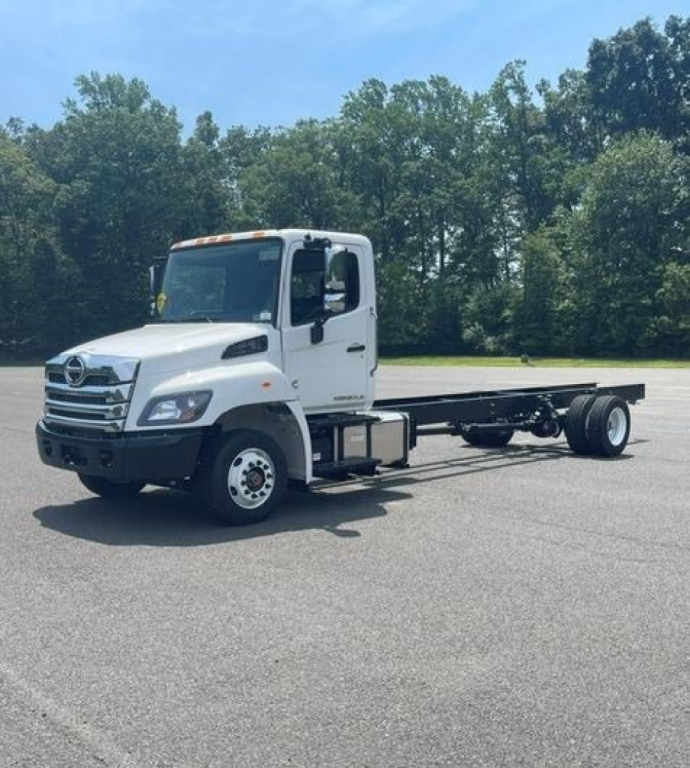
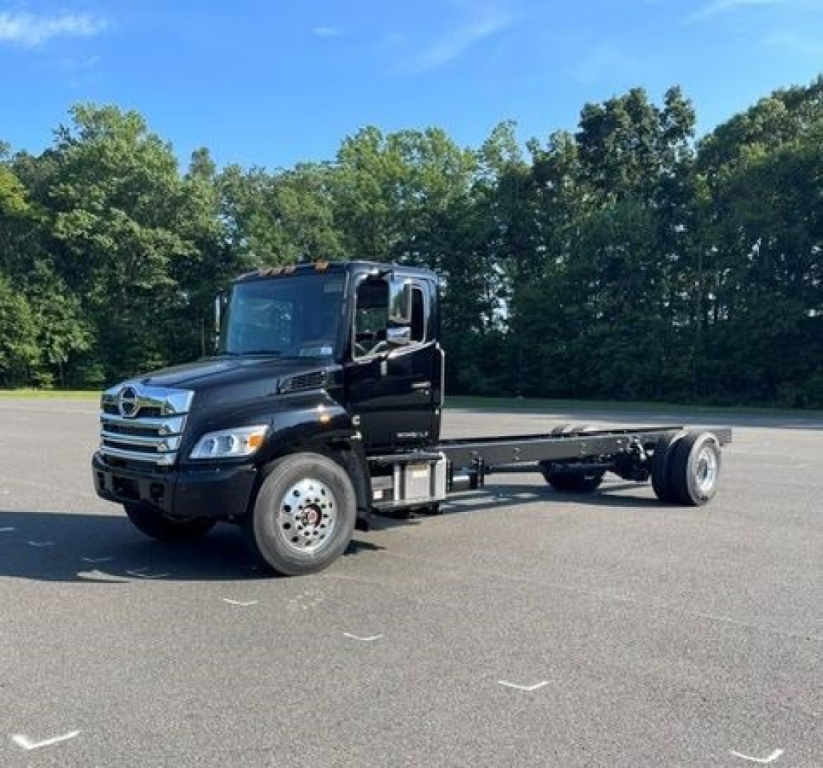
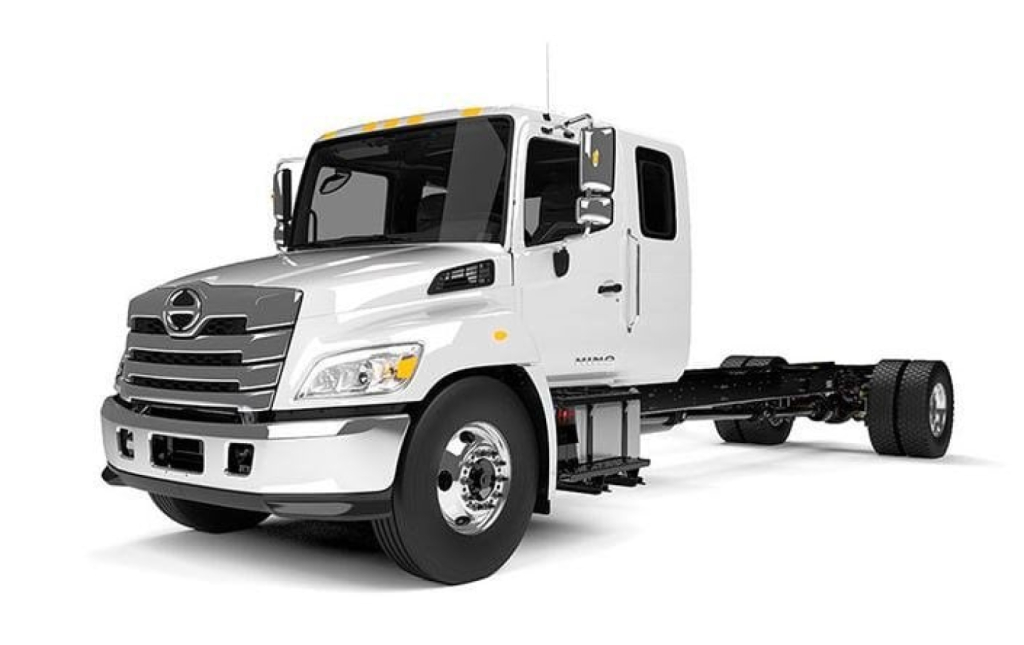
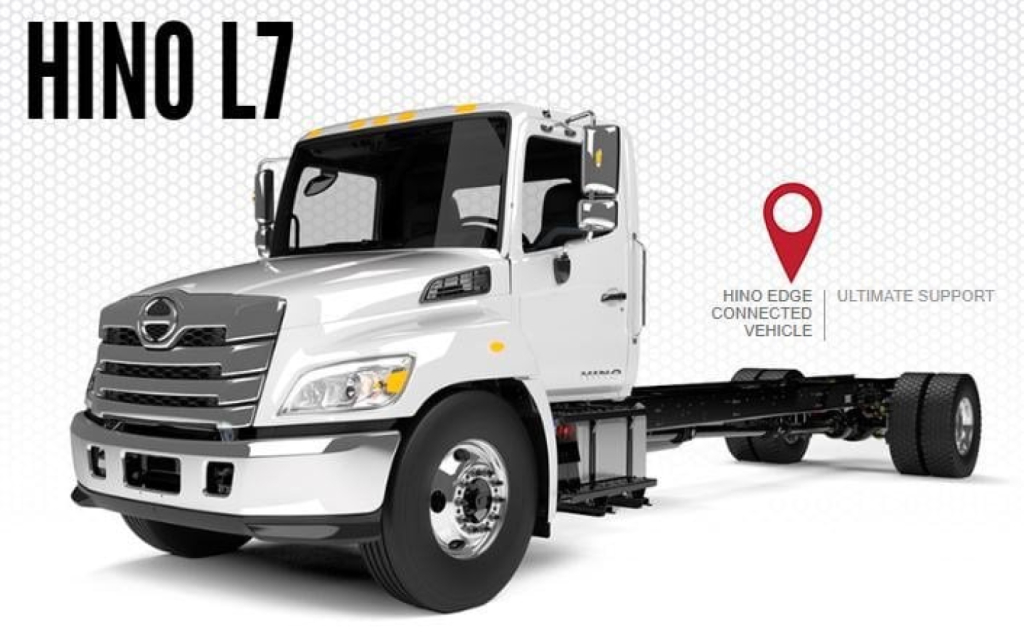
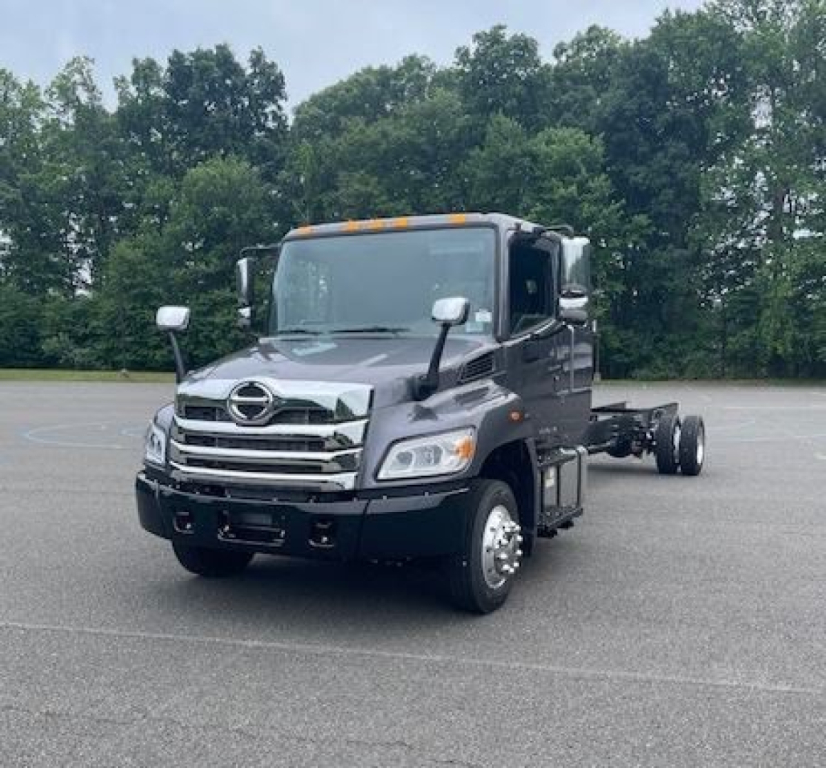
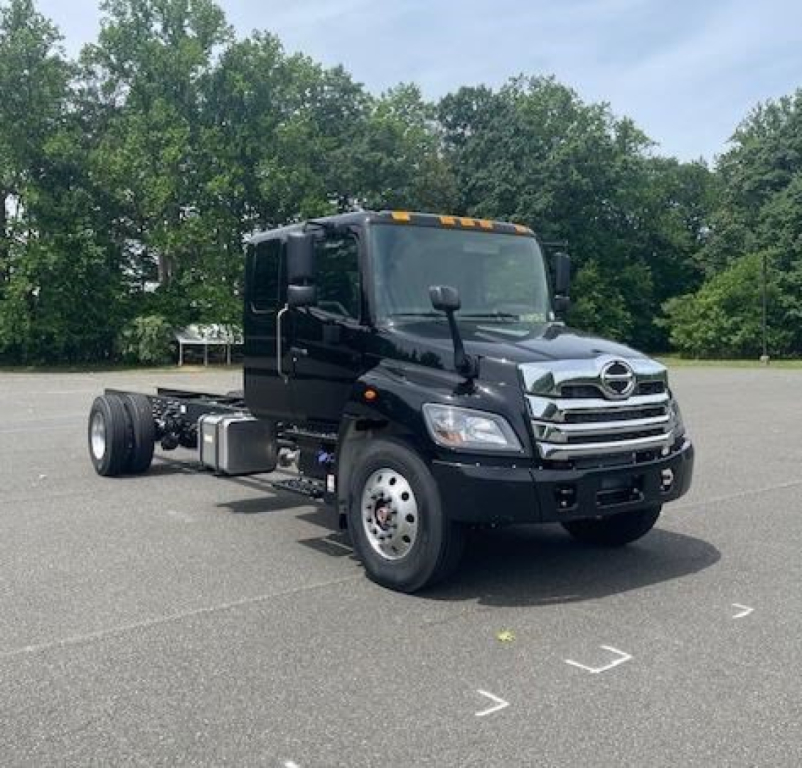
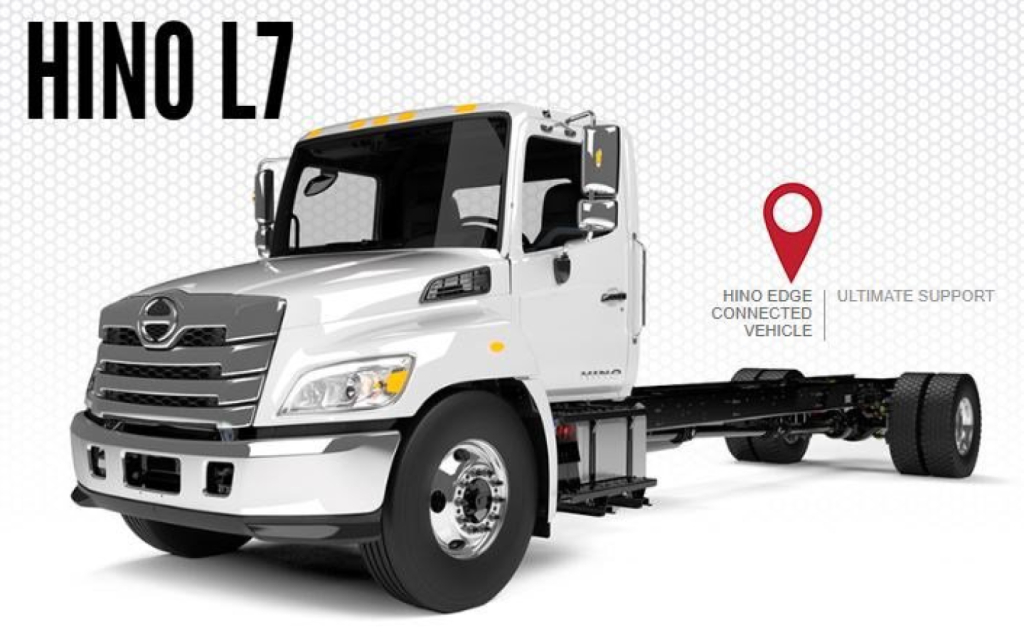
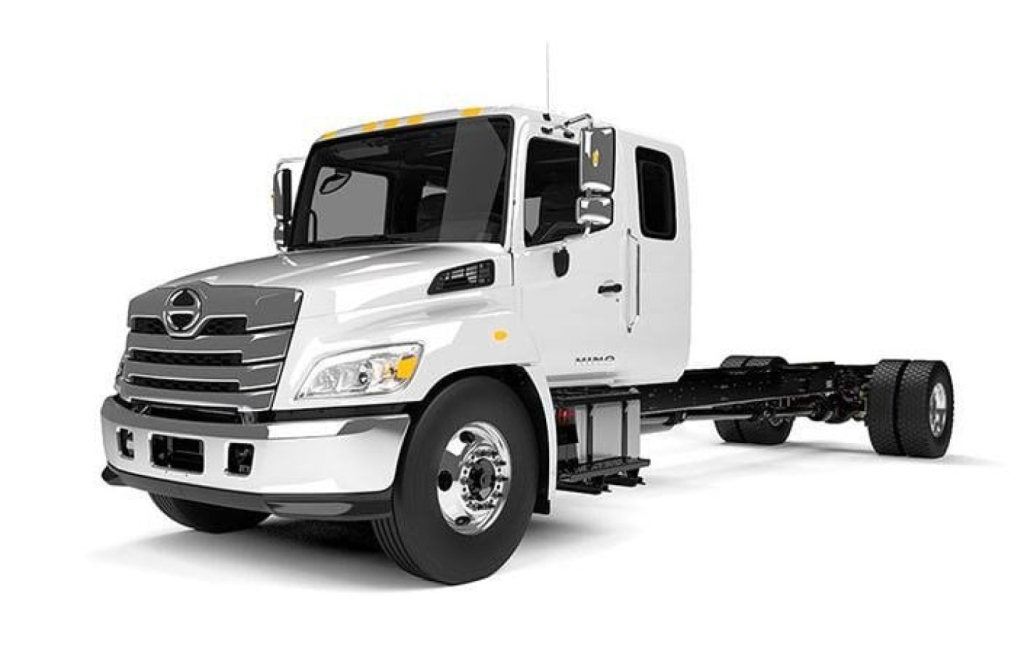
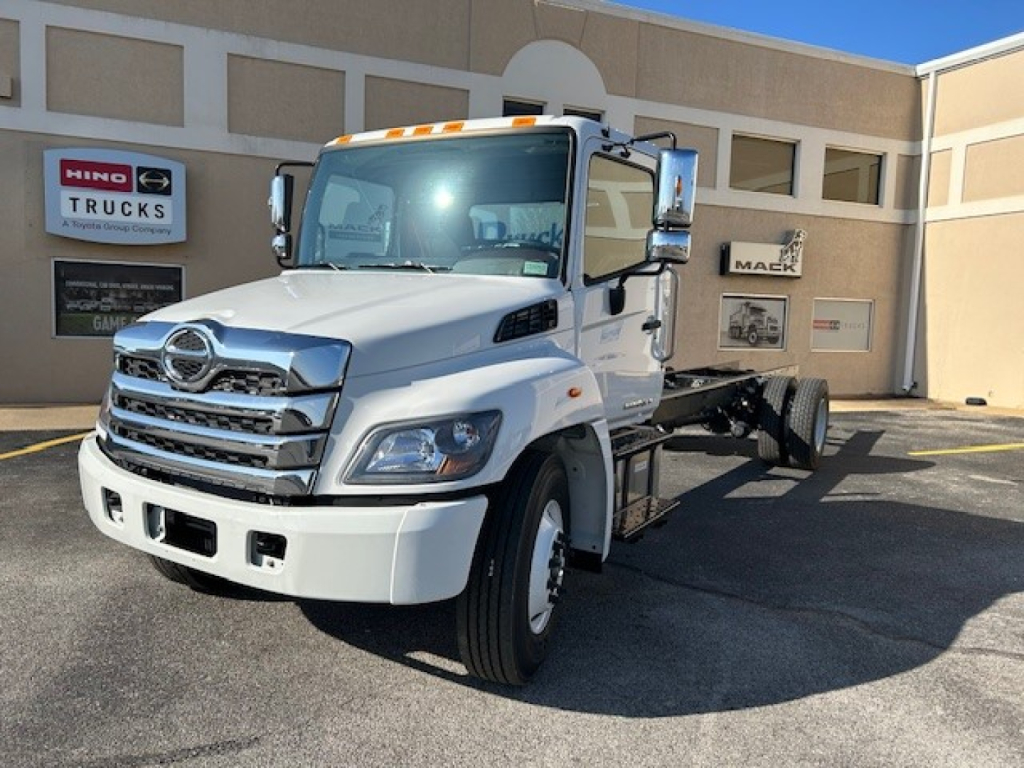
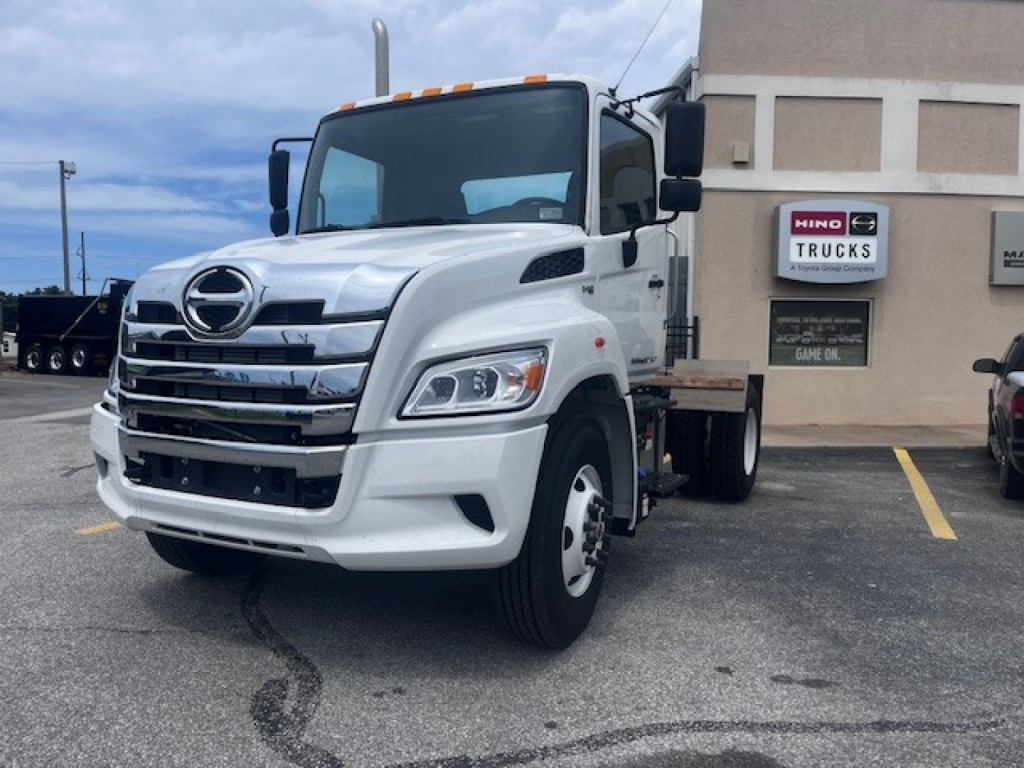
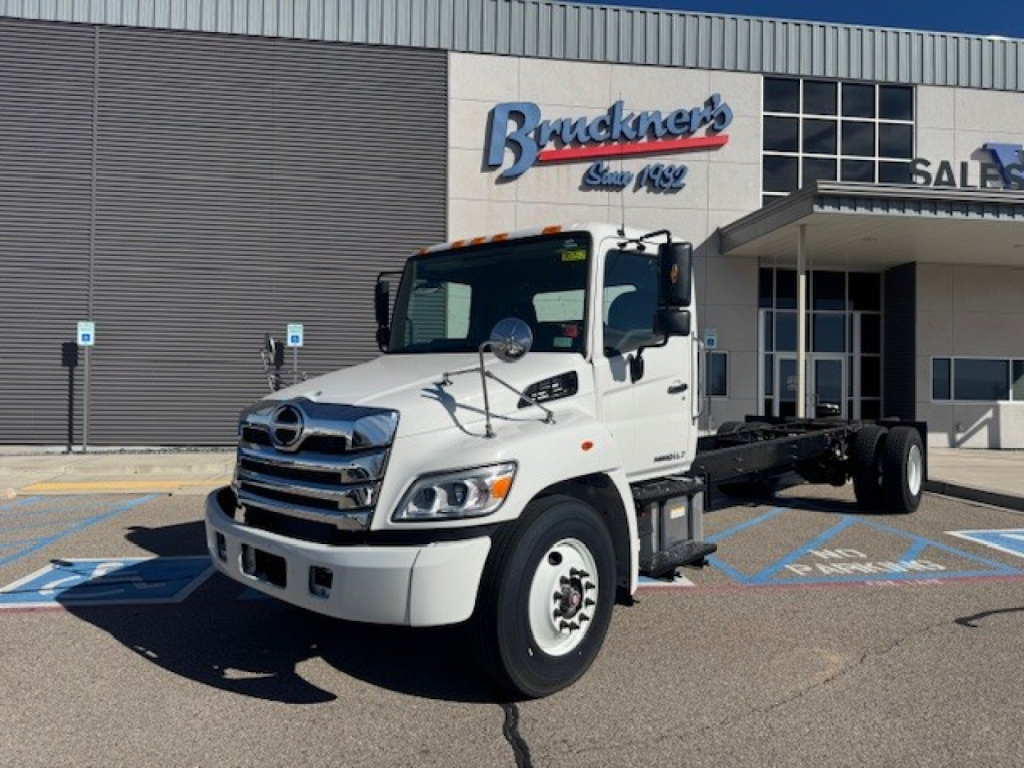
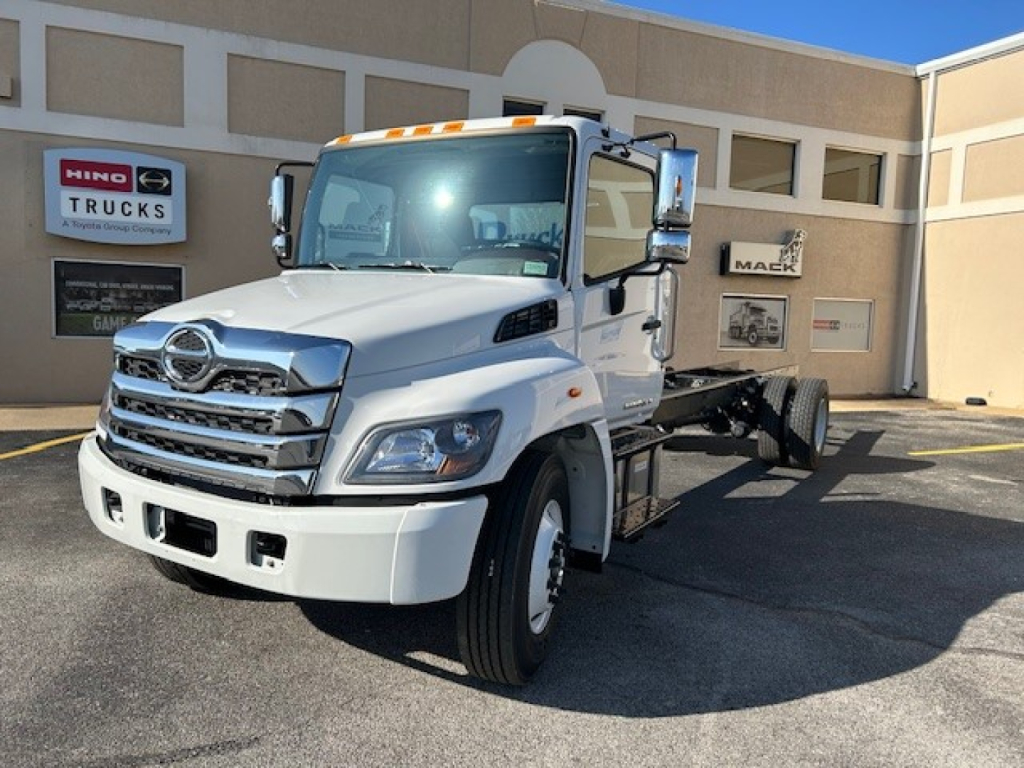
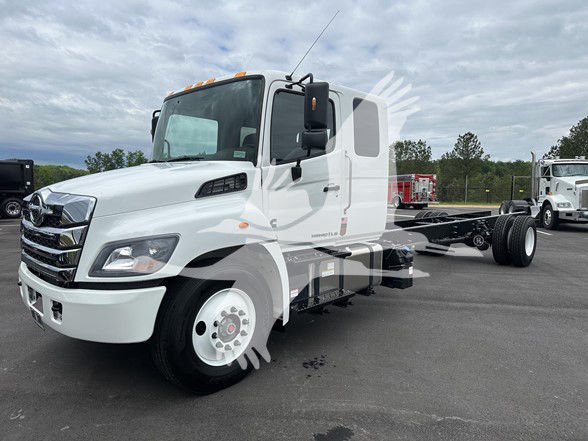
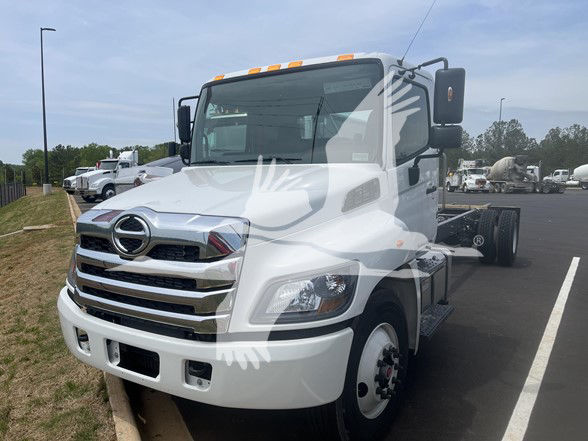
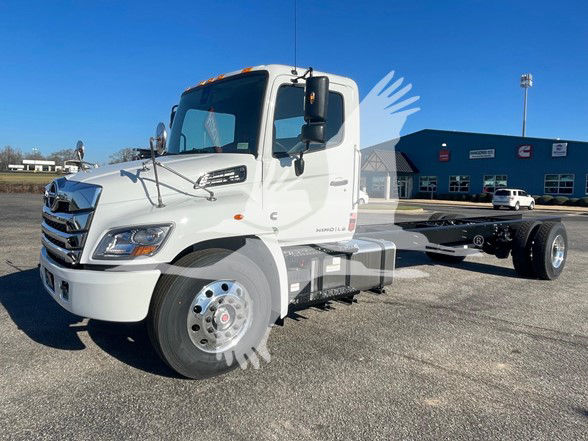
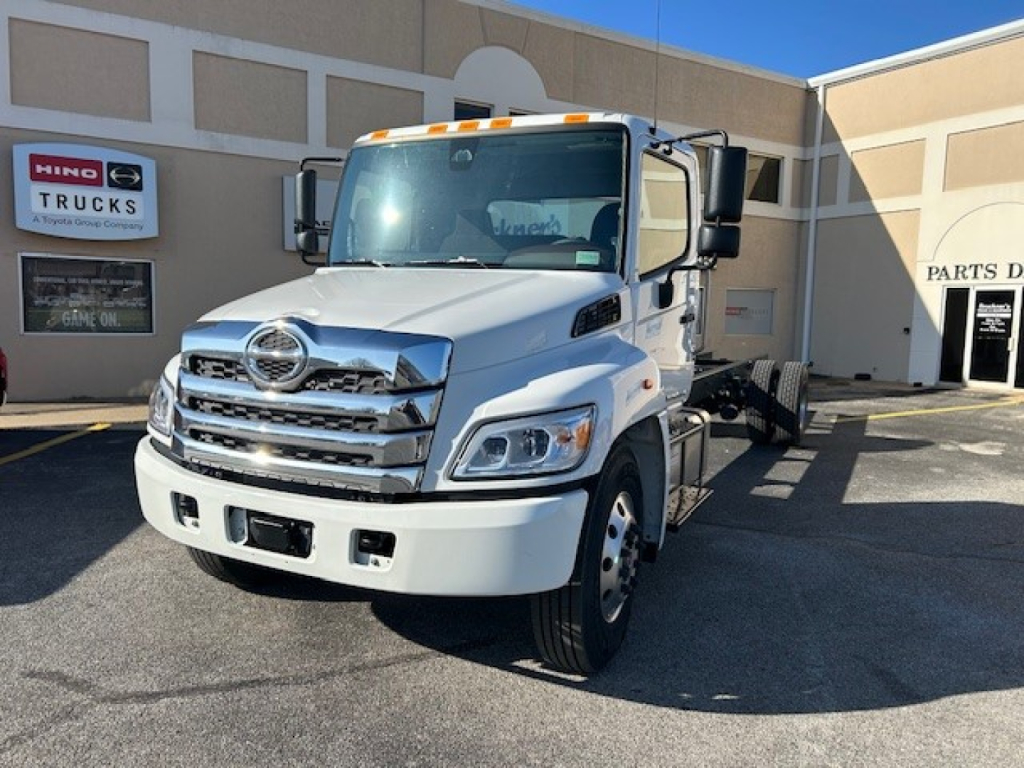
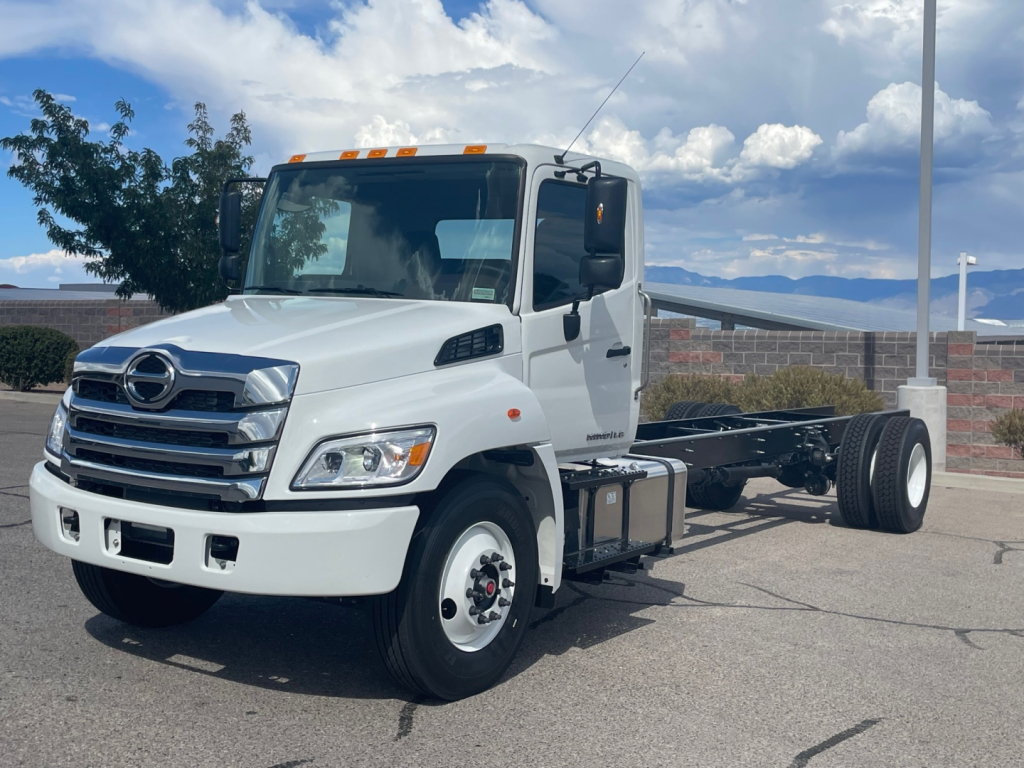
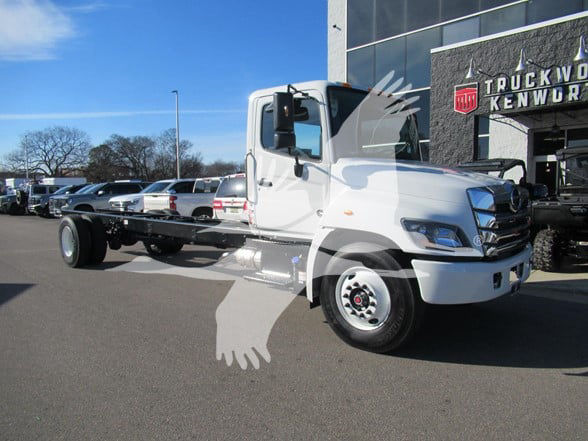
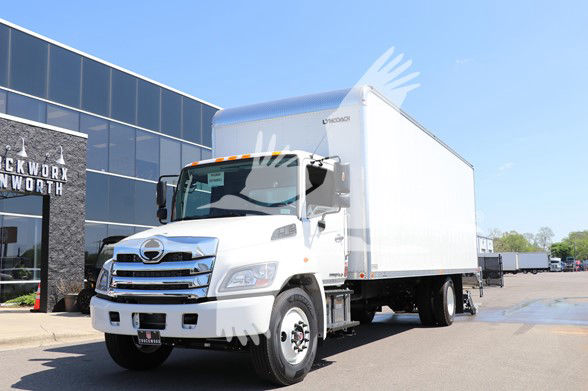
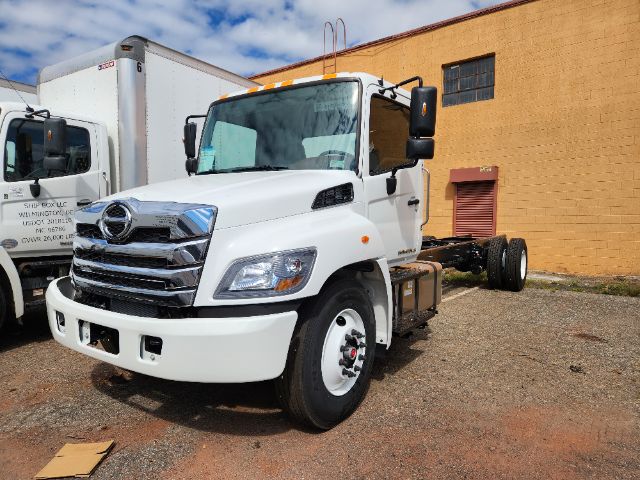
Selling a new hino cab and chassis truck? List your new hino cab and chassis truck for sale and reach thousands of commercial buyers.
New Hino Cab and Chassis Trucks
On many new Hino cab and chassis trucks, the most common powertrain combinations center on Cummins diesel engines paired with Allison automatic transmissions. In this class, the Cummins B6.7 is a familiar choice for lighter medium-duty applications, while the Cummins L9 appears on heavier single-axle builds that need more torque and higher axle capacity. Allison 2200 RDS, 3000 RDS, and 3500 RDS transmissions are common depending on GVWR and intended body. Buyers should pay close attention to horsepower and torque, but also to rear ratio, tire size, and expected cruising speed. A truck spec’d for city delivery, stop-and-go vocational work, or a 26-foot box body will not be geared the same as a heavier municipal or contractor application.
Body planning is where a new cab and chassis purchase gets expensive or efficient. A 271-inch wheelbase may fit a longer van body or reefer body, while shorter wheelbases are often chosen for tighter urban maneuvering or specialized utility equipment. Front axle and rear axle ratings need to support not just payload, but body weight, liftgates, compressors, cranes, or tank assemblies if those are part of the final build. Buyers should also review air brakes versus hydraulic systems, spring versus air ride rear suspension, fuel tank capacity, and cab configuration such as standard cab or extended cab. If a truck will carry a high center-of-gravity body or operate on uneven jobsites, suspension and frame layout deserve extra scrutiny.
Hino cab and chassis trucks are often chosen because they balance straightforward medium-duty serviceability with driver-friendly interiors and body-builder flexibility. Features such as air-ride driver seats, LED lighting, and ergonomic cab layouts can matter more than they seem when the truck is used every day on local routes. For many fleets, the right decision comes down to matching a Hino L6, L7, or XL7 chassis to the exact body length, loaded weight, and duty cycle instead of buying on model name alone. A properly matched chassis will deliver better brake life, more stable handling, cleaner body installation, and fewer surprises after the upfit is complete.
Frequently Asked Questions about New Hino Cab and Chassis Trucks
What are new Hino cab and chassis trucks typically used for?
New Hino cab and chassis trucks are commonly used as platforms for box trucks, refrigerated bodies, flatbeds, stake bodies, landscape bodies, utility bodies, and some dump or municipal applications. The chassis is sold without the final body so the truck can be built around the job. The key is matching wheelbase, axle capacity, and frame specifications to the planned upfit and payload.
What is the difference between a Hino L6, L7, and XL7 cab and chassis?
The main differences are weight class, axle capacity, engine options, and intended application. A Hino L6 is often configured for lighter medium-duty work with GVWRs suited to van bodies, reefer bodies, and local delivery. A Hino L7 steps up into heavier specs, while an XL7 is generally aimed at applications needing higher GVWR, stronger axle ratings, and more engine output, often using the Cummins L9 and heavier Allison transmission choices.
How do I choose the right wheelbase on a new Hino cab and chassis truck?
Wheelbase should be selected based on the body length, desired axle placement, turning radius, and load distribution. A longer wheelbase supports longer bodies and can improve balance when properly spec’d, but it also reduces maneuverability in tight urban work. The body builder’s dimensional layout, including cab-to-axle and frame overhang, should be reviewed before purchase so the completed truck fits the application correctly.
Are Allison automatic transmissions common in Hino cab and chassis trucks?
Yes. Allison automatic transmissions are very common in new Hino cab and chassis trucks because they are well suited for medium-duty vocational work, stop-and-go routes, and body applications that may require PTO functionality. Models such as the Allison 2200 RDS, 3000 RDS, and 3500 RDS are often paired with different Hino chassis depending on GVWR, engine torque, and the demands of the finished truck.
What specs matter most before adding a body to a Hino chassis?
The most important specs are GVWR, front and rear axle ratings, wheelbase, cab-to-axle measurement, frame dimensions, suspension type, brake system, engine and transmission combination, and rear axle ratio. Buyers should also account for the installed weight of the body, any liftgate or auxiliary equipment, and the expected payload. Getting those numbers right at the chassis stage prevents overload problems, poor handling, and expensive body-fit issues later.