
New Hino Cab and Chassis Trucks For Sale in Alabama
New Hino cab and chassis trucks for sale in Alabama. Compare GVWR, wheelbase, upfit readiness, and medium-duty specs for local fleets.
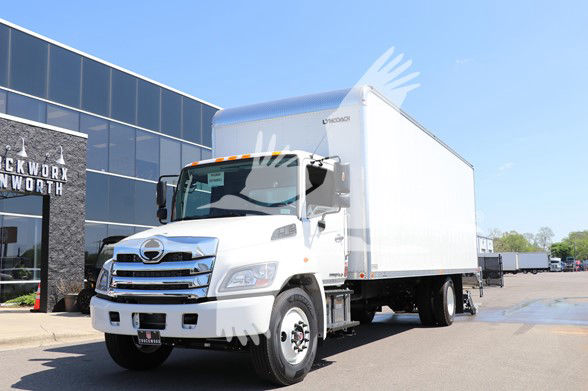
Selling a new hino cab and chassis truck? List your new hino cab and chassis truck for sale and reach thousands of commercial buyers.
New Hino Cab and Chassis Trucks in Alabama
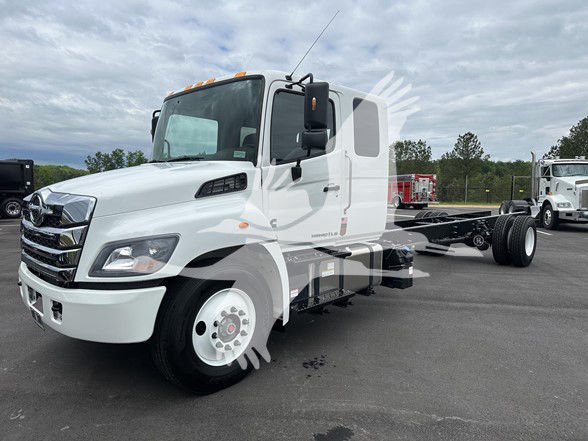
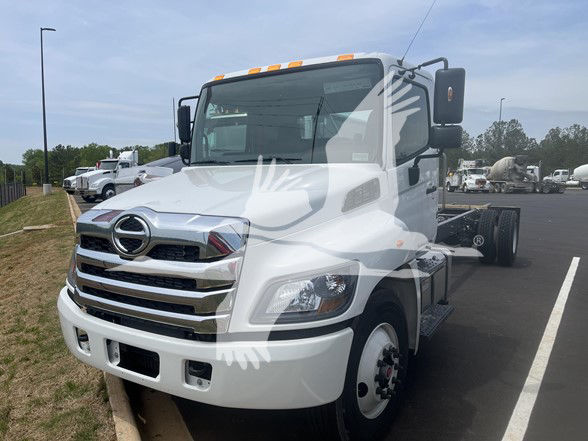
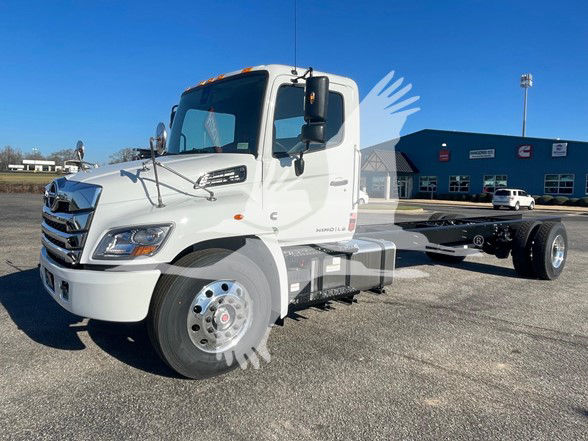
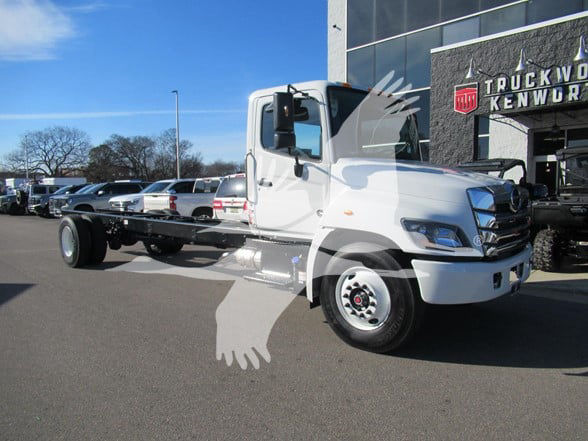
The Hino L6 is a common fit in this class, typically serving Class 6 applications that need a balance of body capacity and urban drivability. Buyers should pay close attention to axle ratings, suspension configuration, frame strength, and PTO provisions if hydraulic equipment or specialized auxiliary systems are part of the build. Cab and chassis trucks also need the right wheelbase for body length and weight distribution. A mismatch between body design and chassis dimensions can hurt turning radius, bridge formula compliance, or front axle loading. If the truck will spend its life on city routes, parking lots, and job sites, a tighter spec with the correct body overhang can be more valuable than simply choosing the highest possible GVWR.
New Hino chassis are attractive to fleets that want current emissions equipment, factory safety systems, and a clean starting point for a body install. Depending on the exact model and spec, buyers may see features such as automatic transmissions, air brakes or hydraulic brakes, diesel power, and modern driver-assist technology. For vocational use in Alabama, it also makes sense to think about cooling performance, corrosion exposure, and duty cycle. A truck hauling HVAC equipment in Birmingham, making municipal stops in Montgomery, or running delivery routes near Mobile may need a different rear axle ratio and body combination than a unit dedicated to lighter suburban service work.
The best way to compare new Hino cab and chassis trucks is to think backwards from the finished job. Start with body type, payload, route density, and licensing requirements, then confirm the chassis can support the upfit without wasting capacity or creating service issues later. A properly spec'd cab and chassis should leave room for the body builder, protect axle balance, and deliver enough durability for stop-and-go commercial use. For many buyers, Hino remains a practical medium-duty choice because the platform is straightforward to upfit, familiar to service departments, and well suited to delivery, contractor, and municipal applications.
Frequently Asked Questions about New Hino Cab and Chassis Trucks in Alabama
What is a Hino cab and chassis truck used for?
A Hino cab and chassis truck is a stripped commercial truck platform delivered with the cab, frame, drivetrain, and running gear so a body can be added for a specific job. Common uses include dry van delivery bodies, refrigerated bodies, flatbeds, dump bodies, rollback carriers, utility bodies, and landscape bodies. The chassis is selected first, then matched to the body length, payload requirement, and operating environment.
What should I look at first when buying a new Hino cab and chassis?
Start with the intended body and payload, then verify GVWR, front and rear axle ratings, wheelbase, and cab-to-axle measurement. Those specs determine whether the finished truck will carry the load correctly and accept the body without layout problems. After that, review transmission choice, brake type, rear axle ratio, PTO capability, and any electrical or body-builder interface needs.
Why does wheelbase matter on a cab and chassis truck?
Wheelbase affects body fitment, turning radius, axle balance, and how the truck performs in tight operating environments. A wheelbase that is too short or too long for the body can create poor weight distribution or unnecessary tail swing. On medium-duty trucks, getting wheelbase and rear overhang right is one of the most important steps in building a truck that handles safely and wears evenly.
Is a Hino L6 a good choice for medium-duty vocational work?
The Hino L6 is commonly used for Class 6 vocational and delivery applications because it fits a wide range of body types while remaining manageable in urban and regional service. It can be a strong match for fleets that need more capability than a light-duty truck but do not want the size or operating profile of a heavier Class 7 or Class 8 platform. The right answer depends on body weight, route profile, and how much reserve capacity you want after the upfit is installed.
What makes a new cab and chassis truck different from buying a completed box truck or flatbed?
A new cab and chassis gives the buyer control over the finished build. Instead of accepting a preconfigured body, you can match the chassis to a specific body length, floor height, payload target, and equipment package. That flexibility is important for fleets that need a purpose-built truck for delivery, contractor work, municipal service, or specialty vocational applications.