
Hino Cab and Chassis Trucks For Sale
Browse Hino cab and chassis trucks with diesel power, flexible wheelbases, and upfit-ready specs for box, dump, reefer, and service bodies.
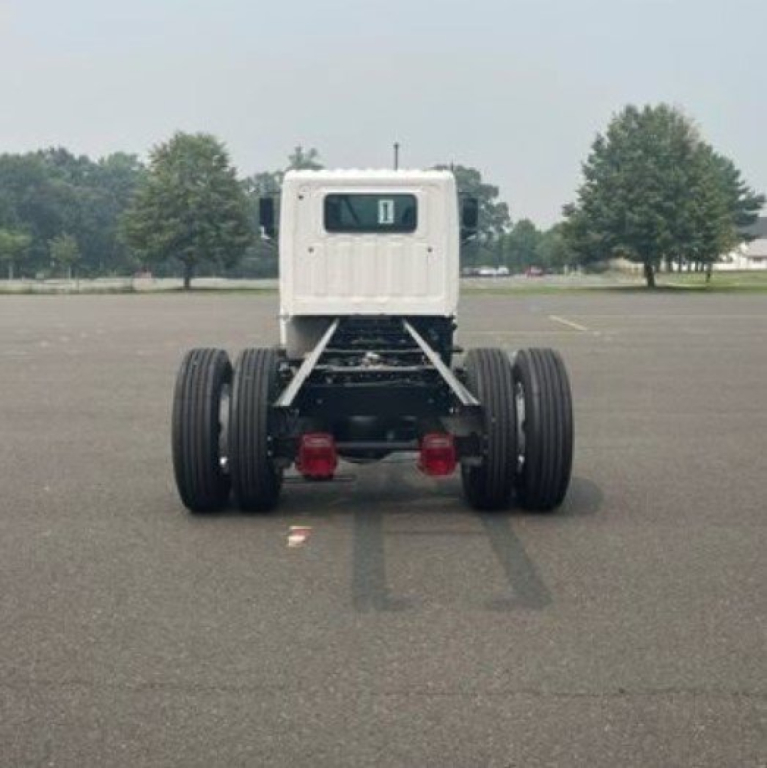
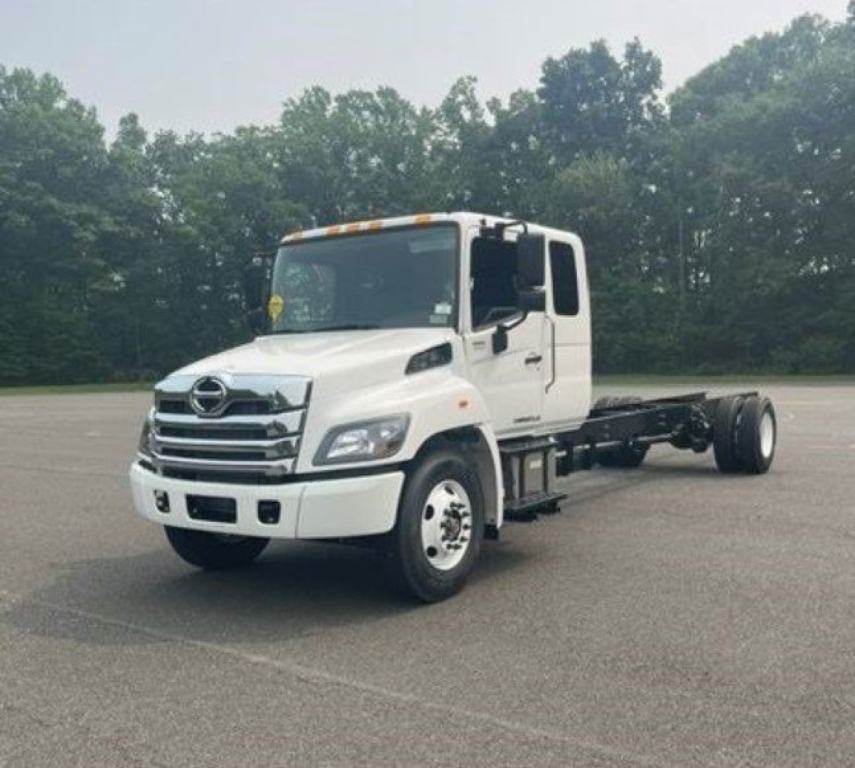
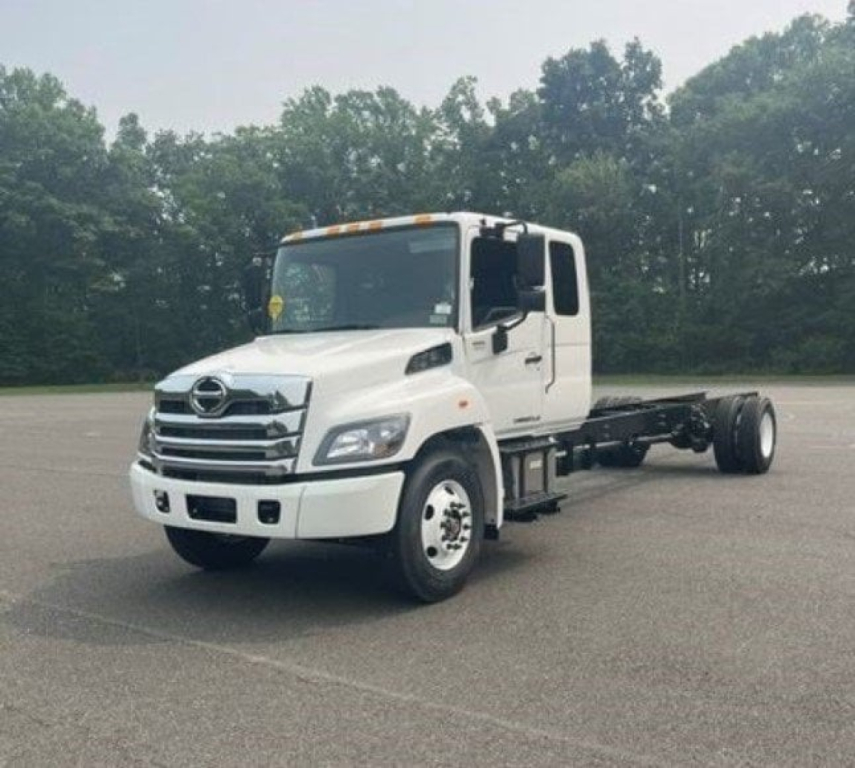
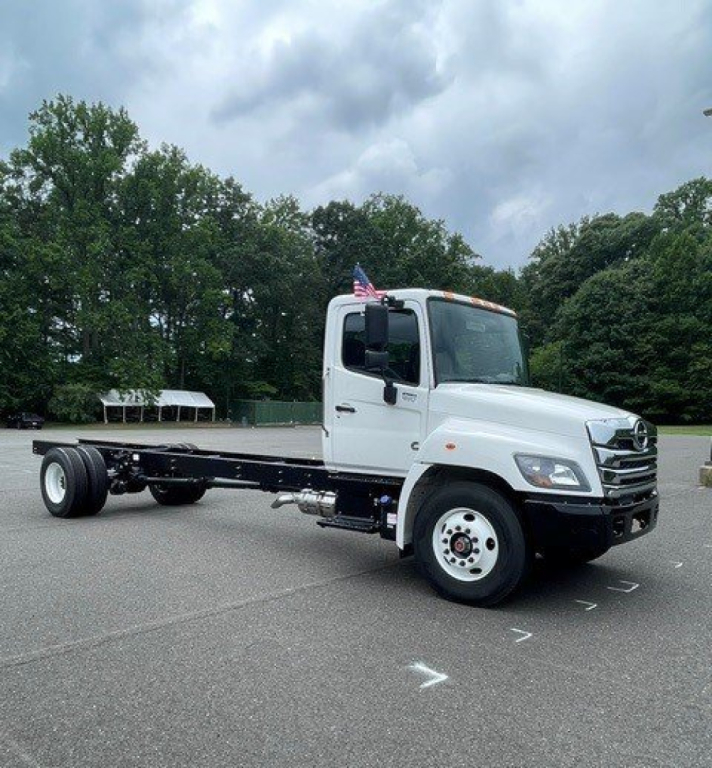
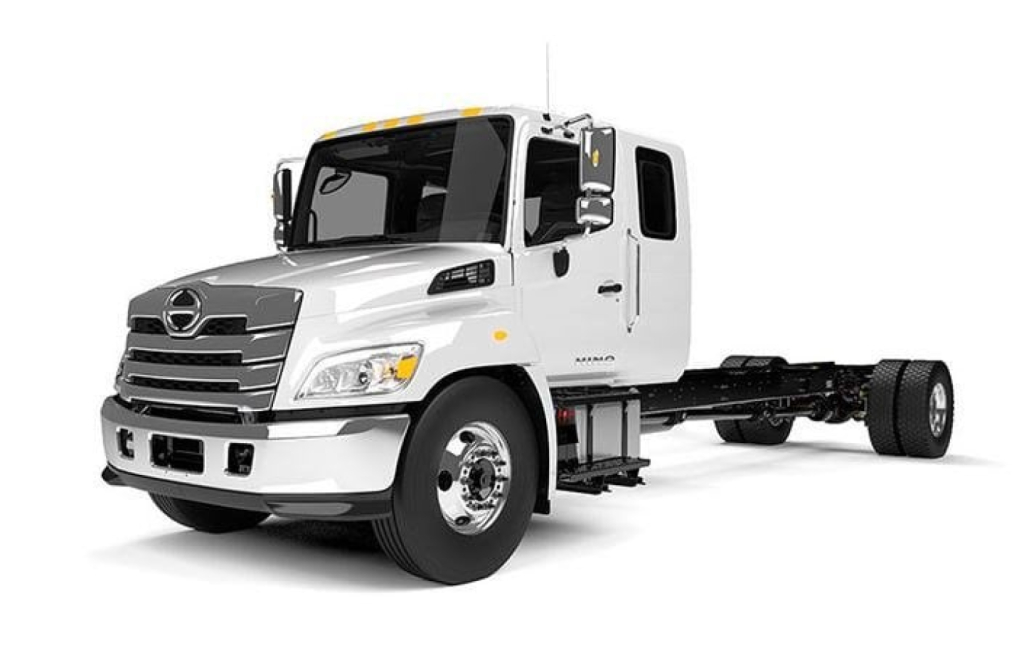
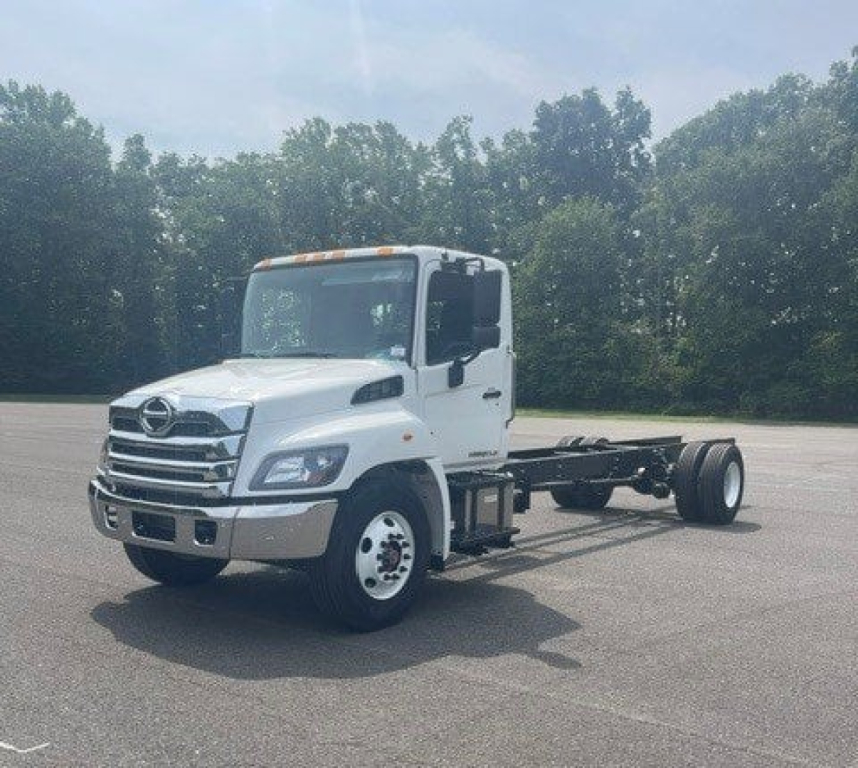
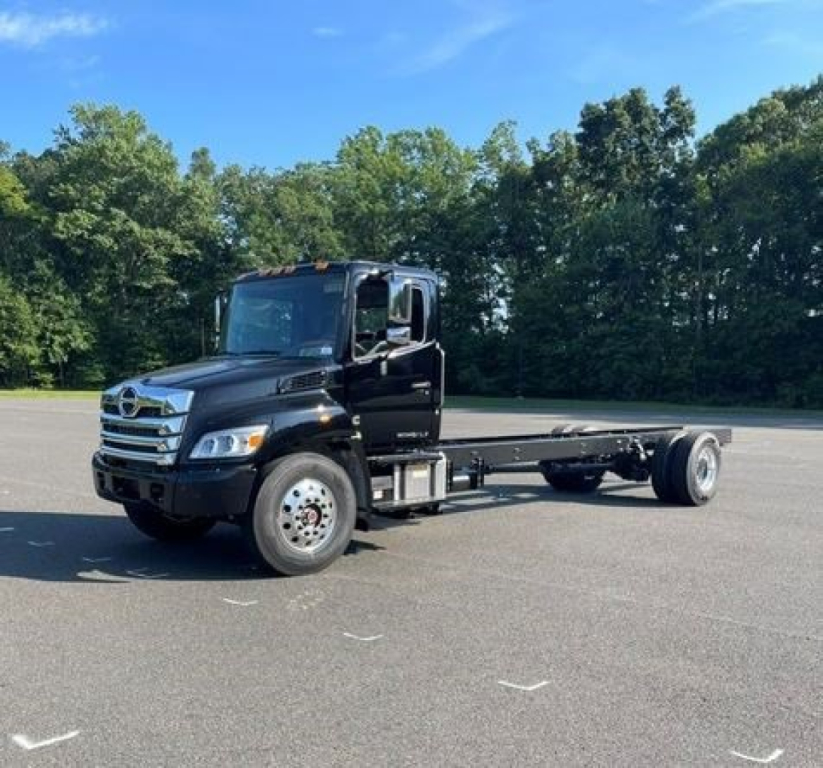
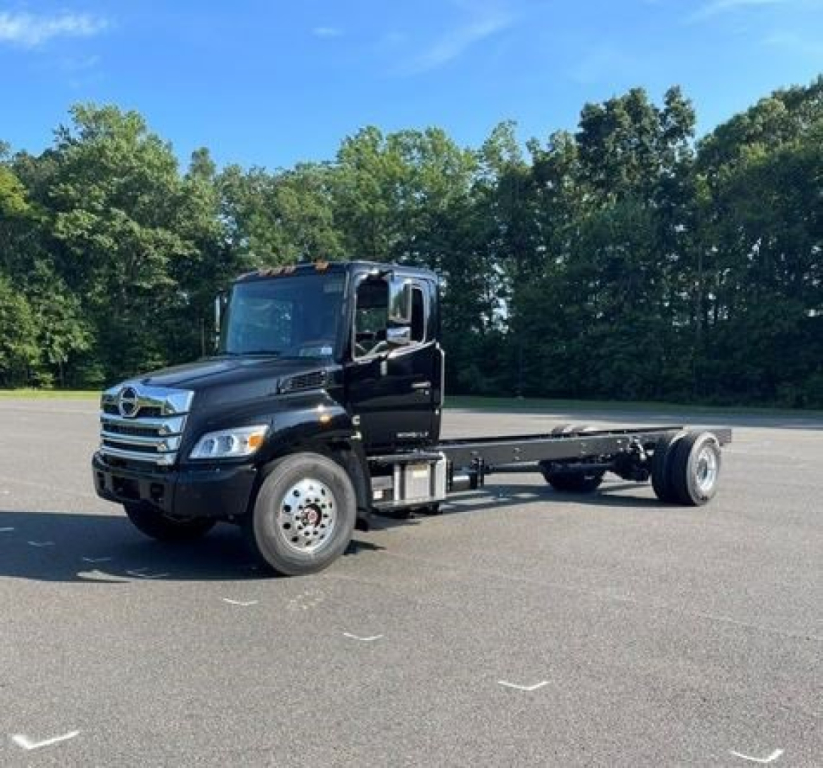
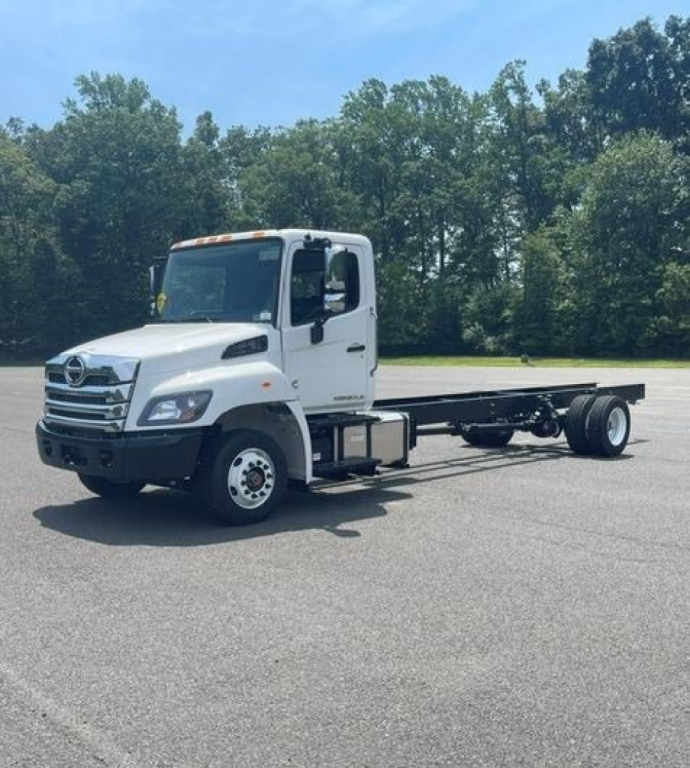
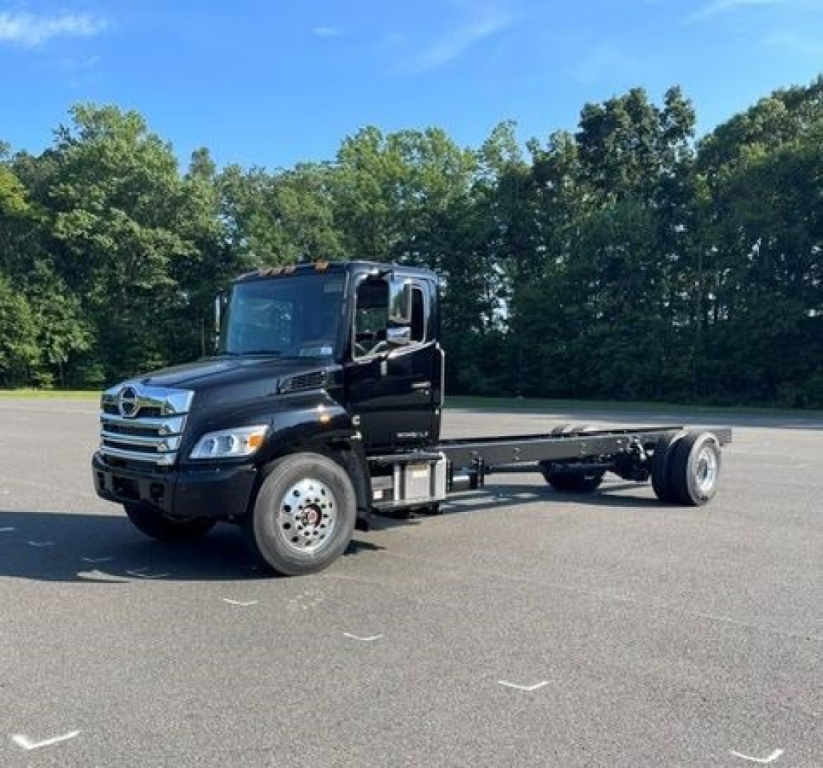
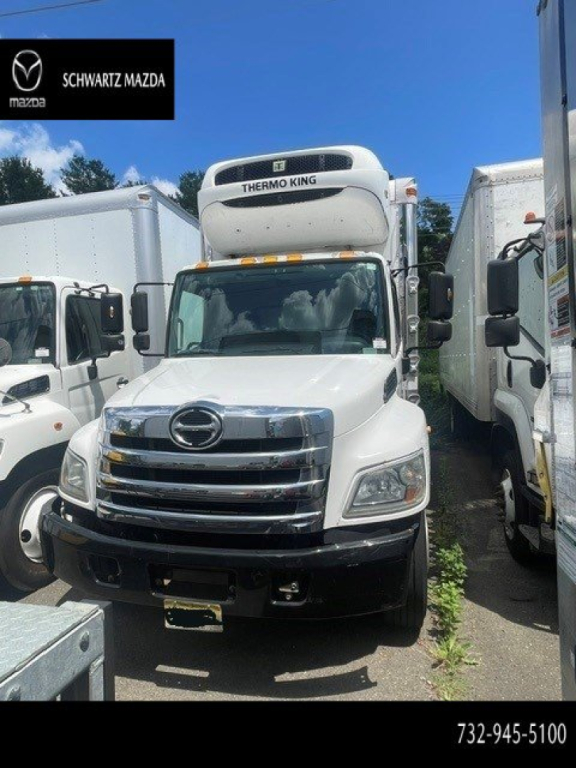
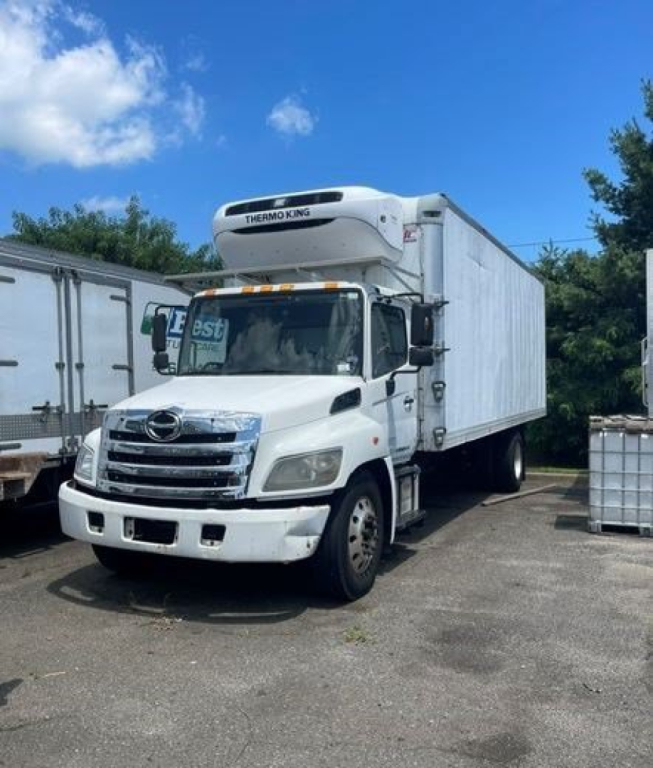
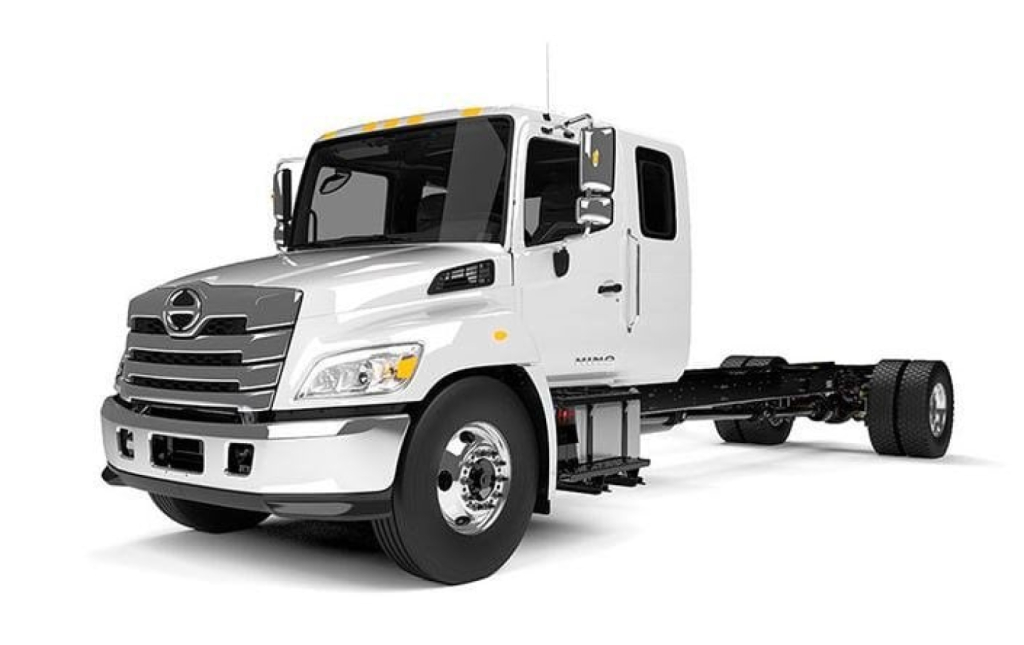
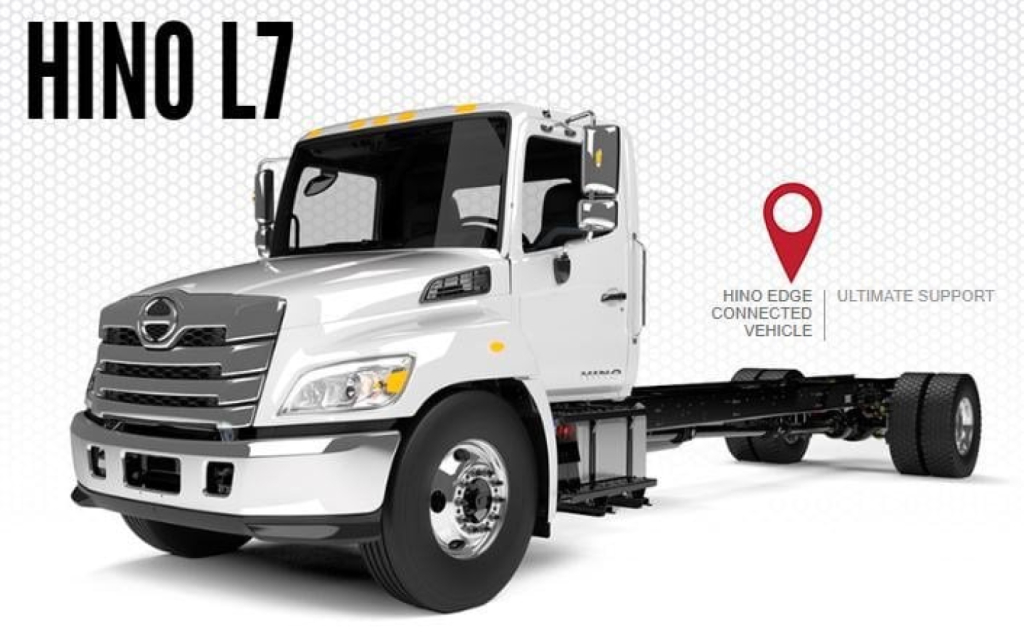
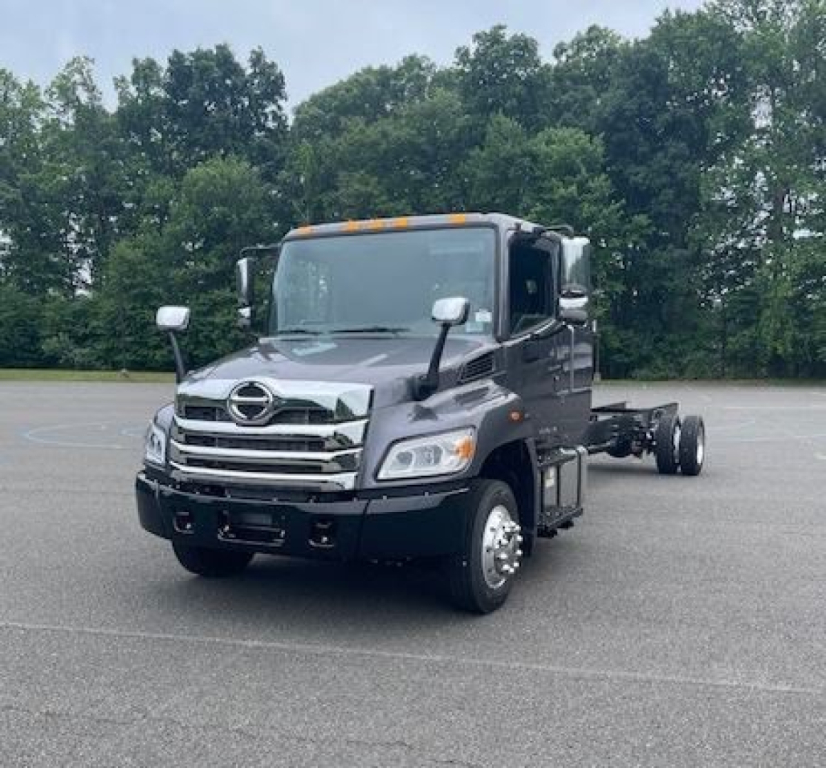
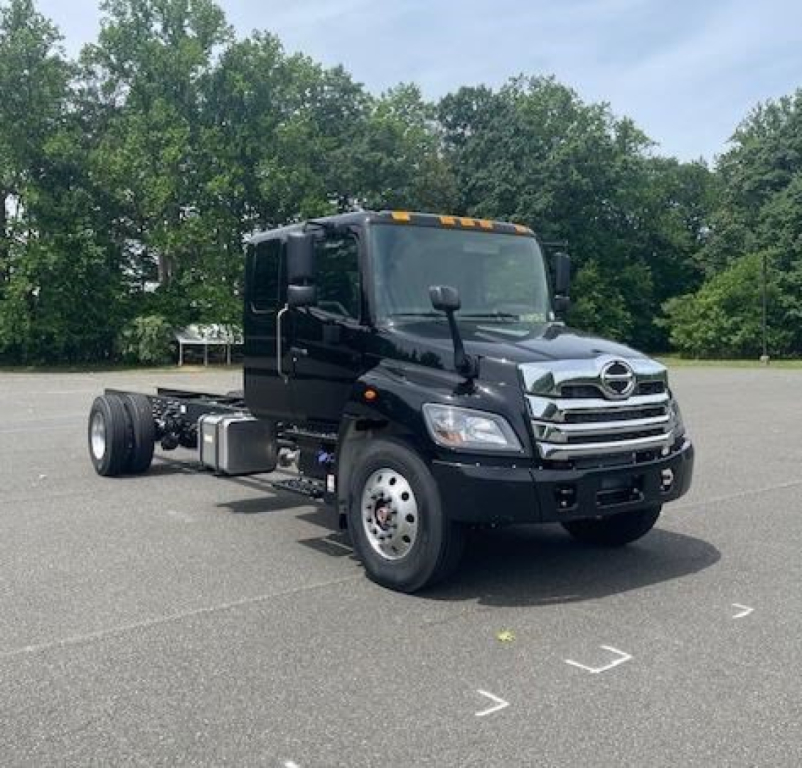
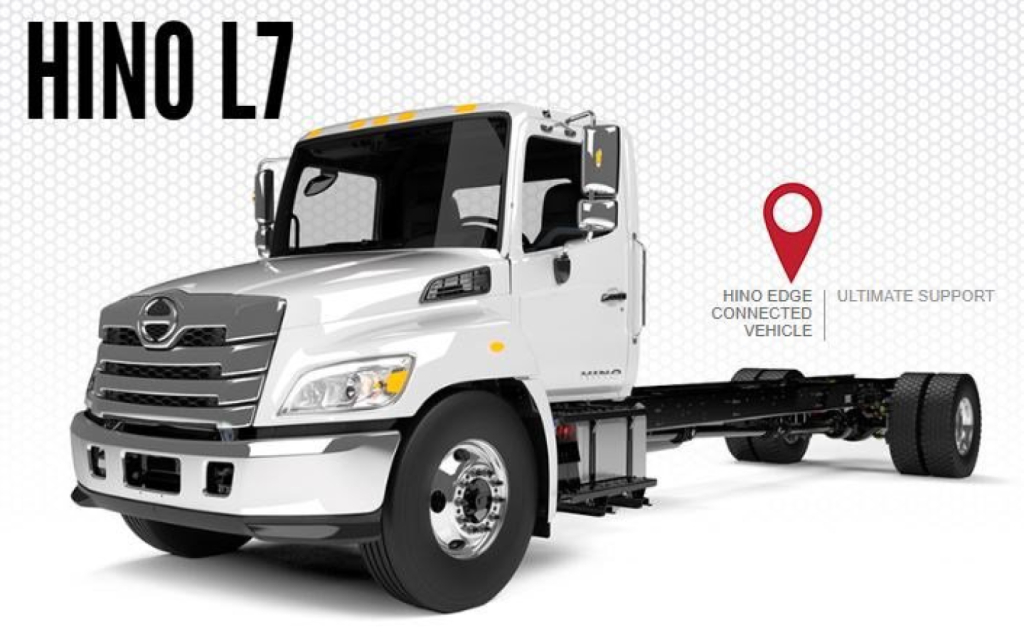
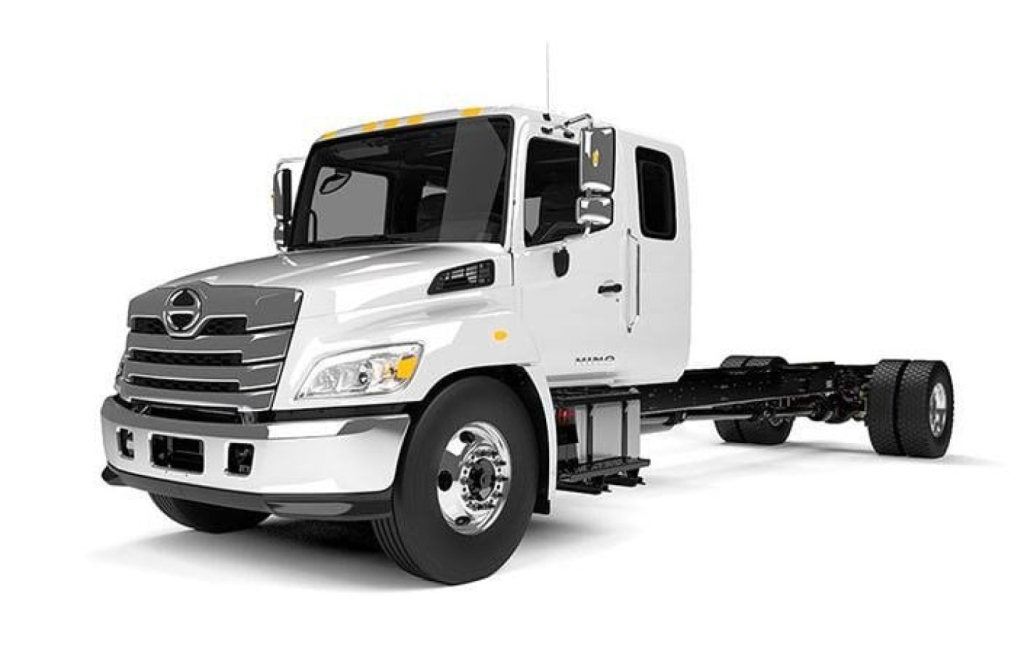
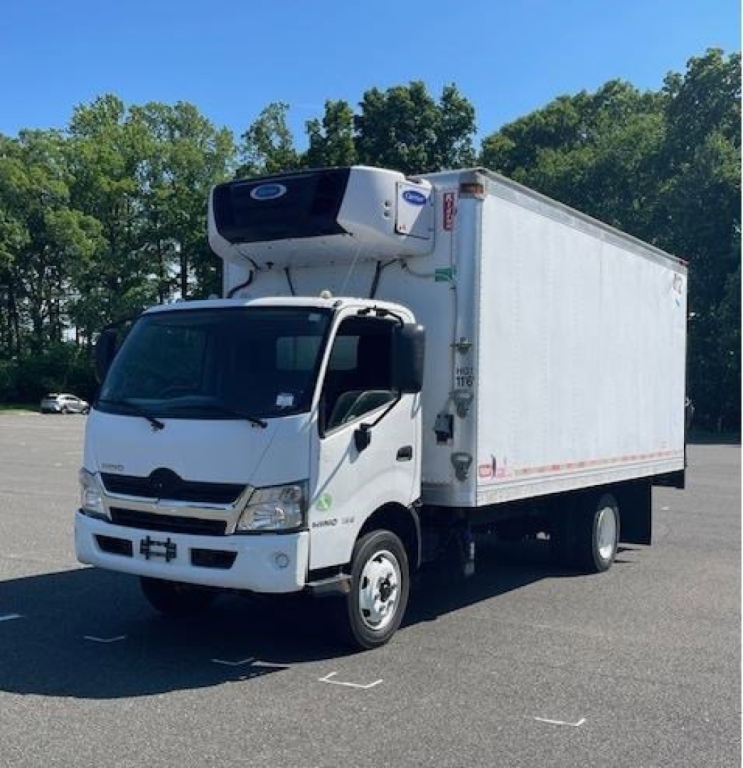
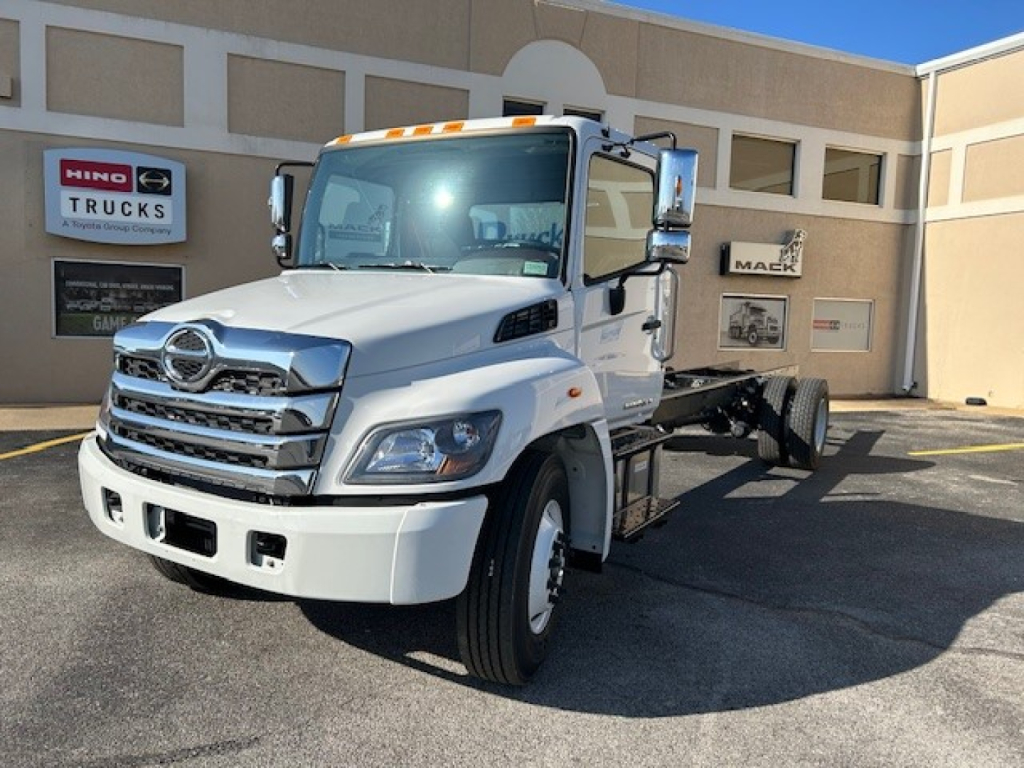
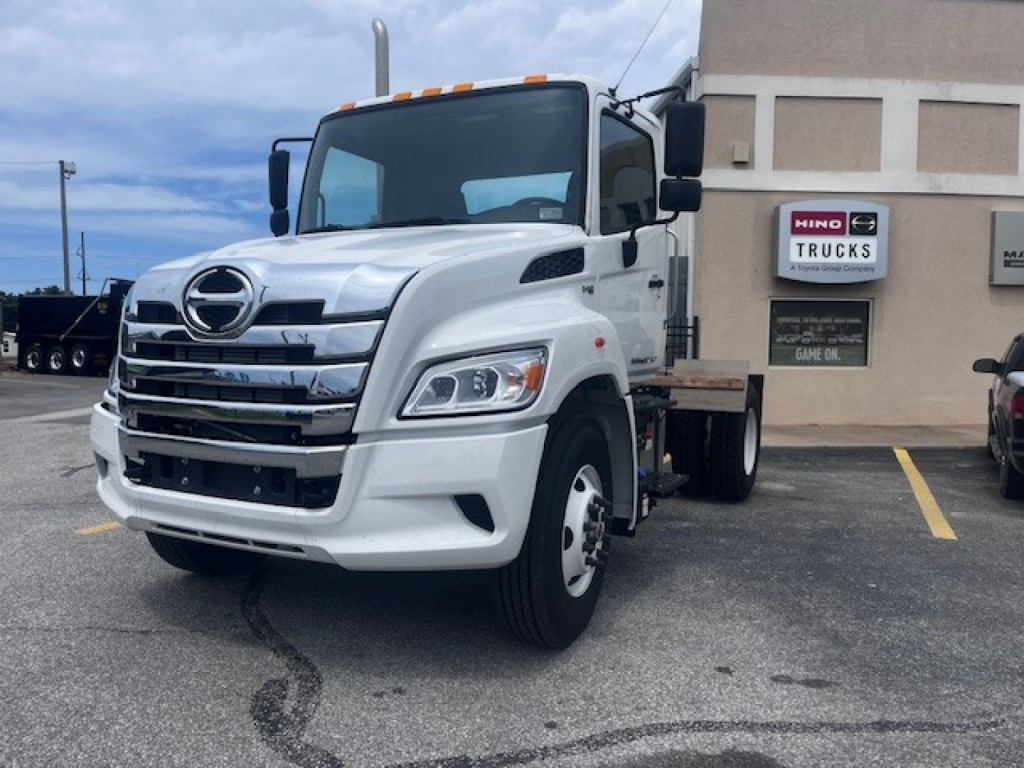
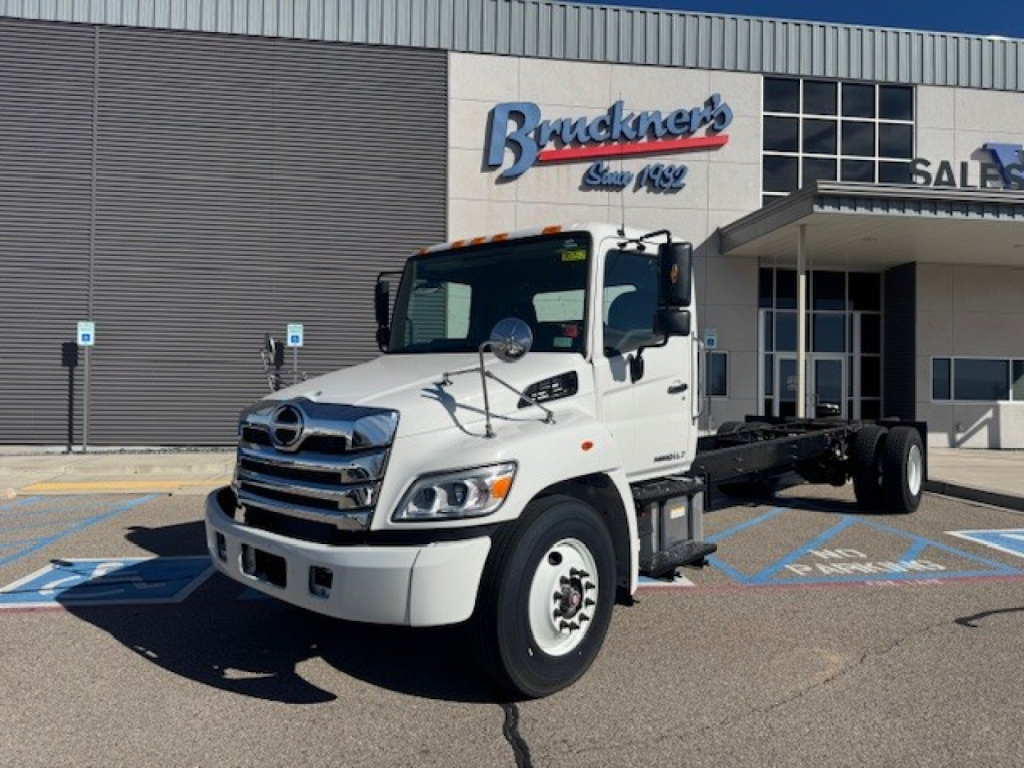
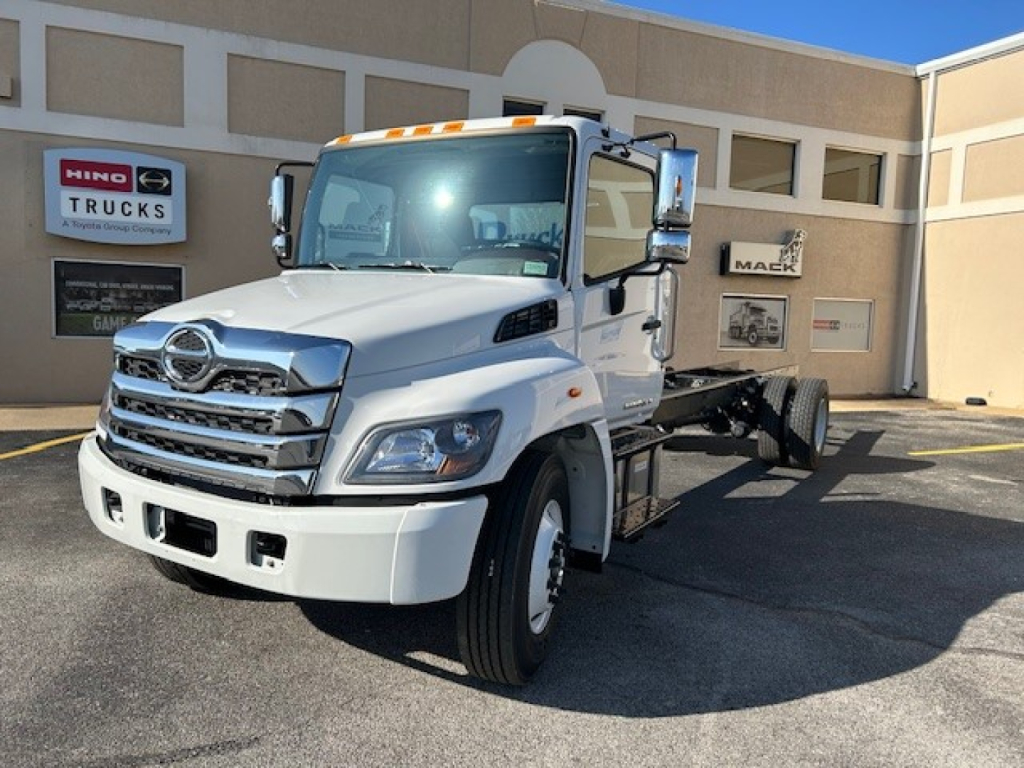
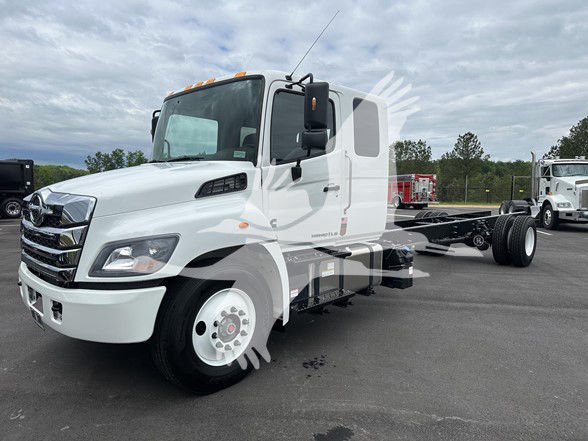
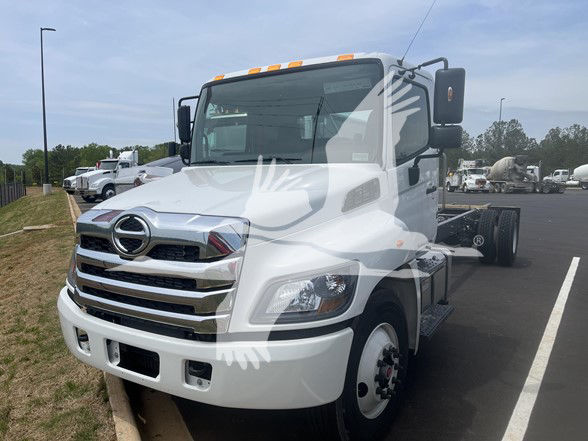
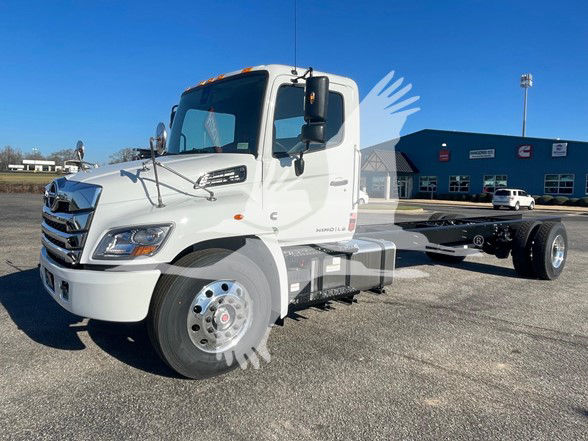
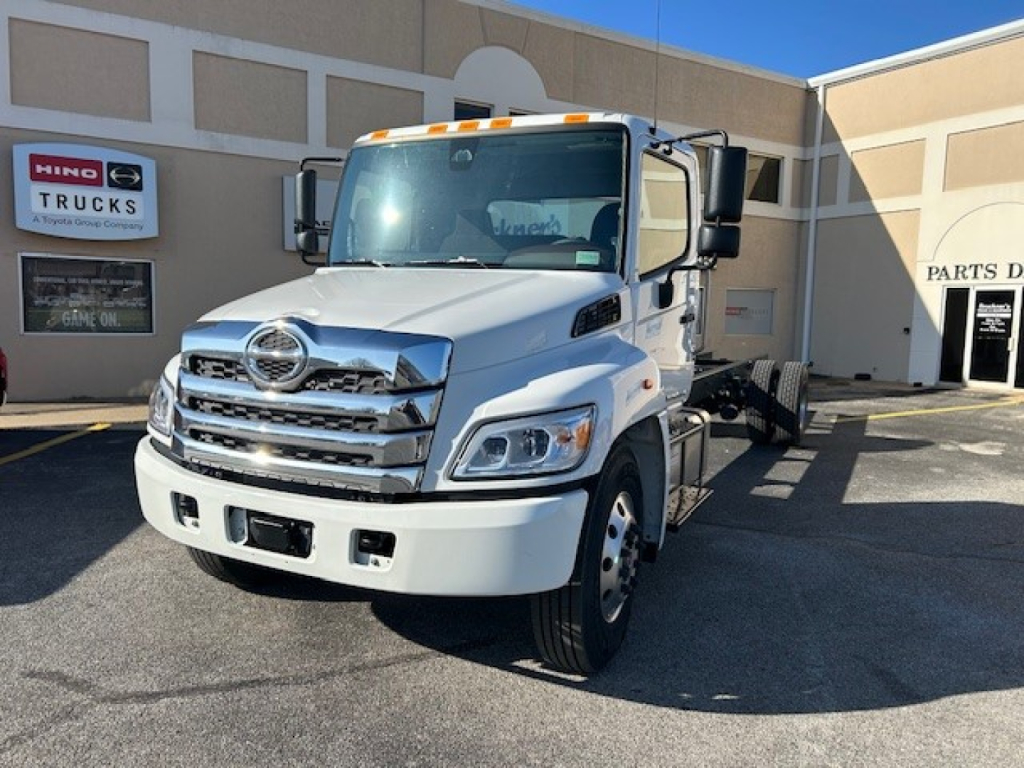
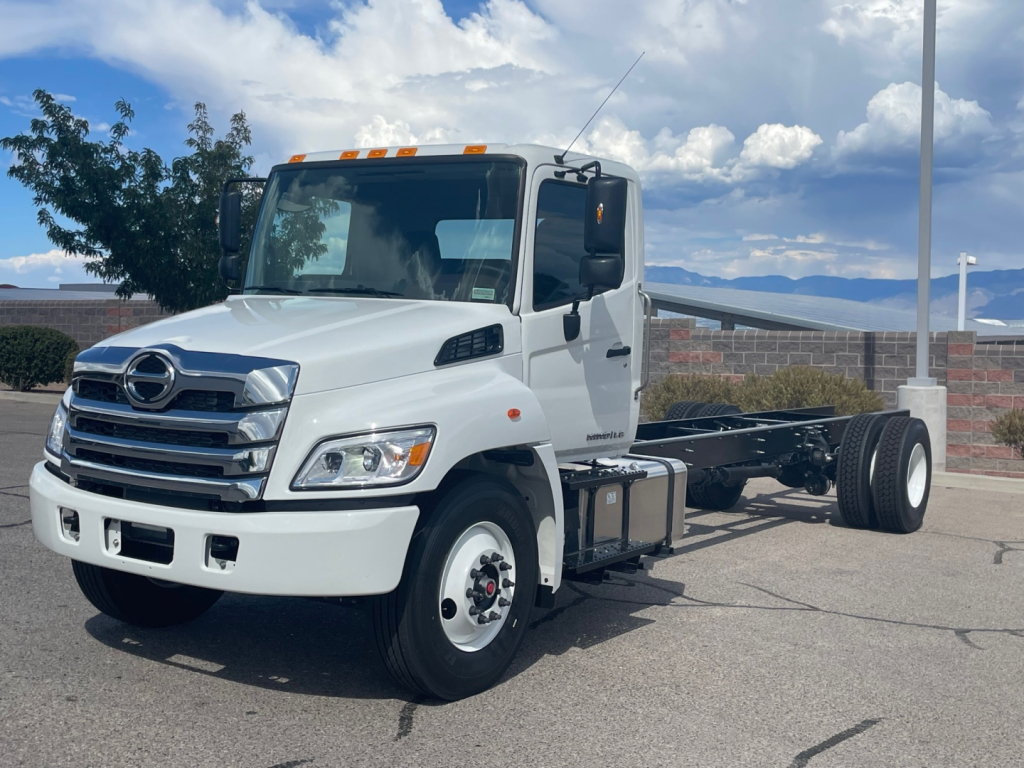
Showing 1 to 28 of 33 results
Selling a hino cab and chassis truck? List your hino cab and chassis truck for sale and reach thousands of commercial buyers.
Hino Cab and Chassis Trucks
Current Hino cab and chassis trucks are often spec'd with diesel engines in the medium-duty range, including Cummins power in newer L-Series applications, paired with Allison automatic transmissions. Buyers will commonly see horsepower around the 220 to 260 HP range, 22.5-inch wheels, single rear axles, and spring or air-ride suspension depending on vocation. A longer wheelbase can improve body fit for box or reefer applications, while a shorter wheelbase is usually preferred for tighter routes, utility work, and jobsite access. Front axle capacity, rear axle ratio, PTO compatibility, frame height, and cab-to-axle measurement all matter if you are trying to match the truck to a specific body builder's requirements.
Hino has a strong reputation in medium-duty service for driver comfort, straightforward controls, and good fit-and-finish compared with many vocational platforms. That matters on routes with frequent stops, multiple drivers, or long days in the cab. Features buyers often look for include air brakes on heavier specs, air-ride driver seats, tilt and telescoping steering, clean dash layouts, and practical service access. On used Hino cab and chassis trucks, pay close attention to frame condition, rust at body mounting points, maintenance records, engine aftertreatment history, transmission behavior under load, and whether the truck was previously drilled or modified for an earlier upfit.
A good Hino cab and chassis spec is the one that leaves enough room for the finished body, payload, and legal axle distribution without overbuying truck. Body length, liftgate weight, reefer unit weight, tool storage, and crew cab or extended cab requirements can change the ideal chassis quickly. Buyers comparing listings should look beyond model year and focus on wheelbase, CA dimension, rear axle capacity, brake type, suspension, and engine-transmission combination. Those details determine how easily the truck can be upfitted, how well it will carry the load, and how productive it will be once it goes to work.
Frequently Asked Questions about Hino Cab and Chassis Trucks
What is a Hino cab and chassis truck used for?
A Hino cab and chassis truck is an upfit-ready platform designed to accept a vocational body behind the cab. Common applications include box trucks, refrigerated trucks, dump trucks, stake beds, flatbeds, utility bodies, landscape bodies, rollback bodies, and hooklift systems. The bare chassis gives the buyer flexibility to match the wheelbase, axle ratings, and frame layout to the exact job.
Which specs matter most when buying a Hino cab and chassis?
The most important specs are GVWR, wheelbase, cab-to-axle length, front and rear axle ratings, suspension type, brake type, and engine-transmission pairing. Those measurements determine which body can be installed and how the finished truck will balance and carry payload. Buyers should also confirm tire size, frame height, PTO provisions, and any body builder requirements before choosing a chassis.
Are Hino cab and chassis trucks good for box and reefer bodies?
Yes. Hino cab and chassis trucks are commonly used for dry van and refrigerated body applications because they offer medium-duty diesel power, automatic transmission availability, and wheelbase options that fit a range of body lengths. For reefer use, buyers should account for the added weight of the refrigeration unit, liftgate, and insulation package so axle loading stays within limits.
What should I check on a used Hino cab and chassis truck?
On a used truck, inspect the frame rails for corrosion, cracks, extra holes, and previous body-mount modifications. Review engine and aftertreatment service history, check for transmission shift quality, inspect suspension wear, and verify axle ratings against the intended body and payload. It is also important to measure the chassis so the cab-to-axle and wheelbase dimensions match the upfit you plan to install.
What is the difference between Hino S-Series, L6, L7, and older 338 chassis?
The main differences are class, engine package, brake system, and intended vocational range. The S-Series generally fits lighter medium-duty applications, while L6 and L7 models are commonly chosen for heavier body and payload needs in Class 6 and Class 7 work. Older Hino 338 chassis remain popular in used fleets because they offer proven medium-duty performance, but buyers should compare emissions systems, axle capacities, and upfit compatibility against newer models.