
Hino Cab and Chassis Trucks For Sale in Arkansas
Browse Hino cab and chassis trucks with diesel power, Allison automatics, and flexible wheelbases for body upfits and vocational use.
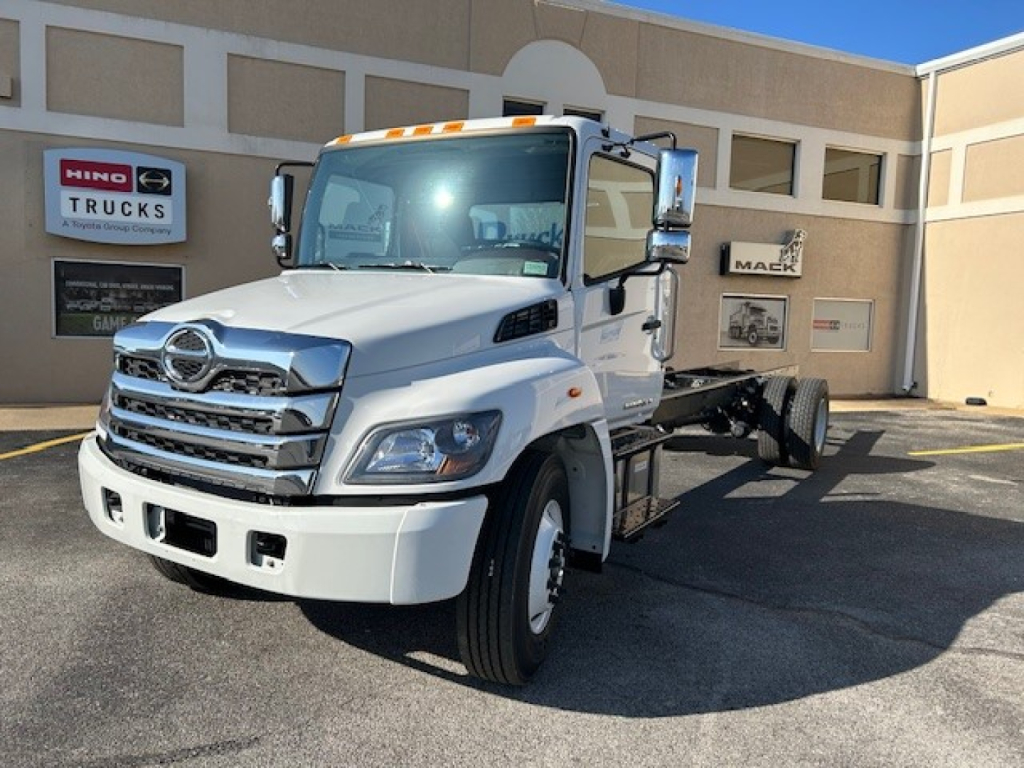
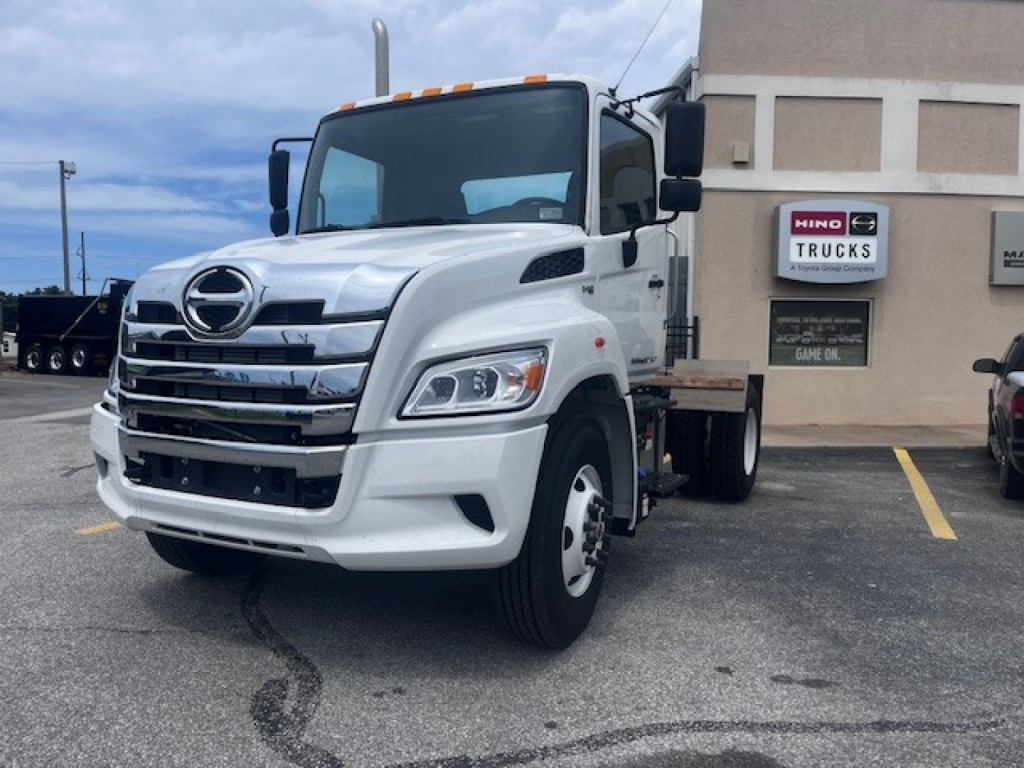
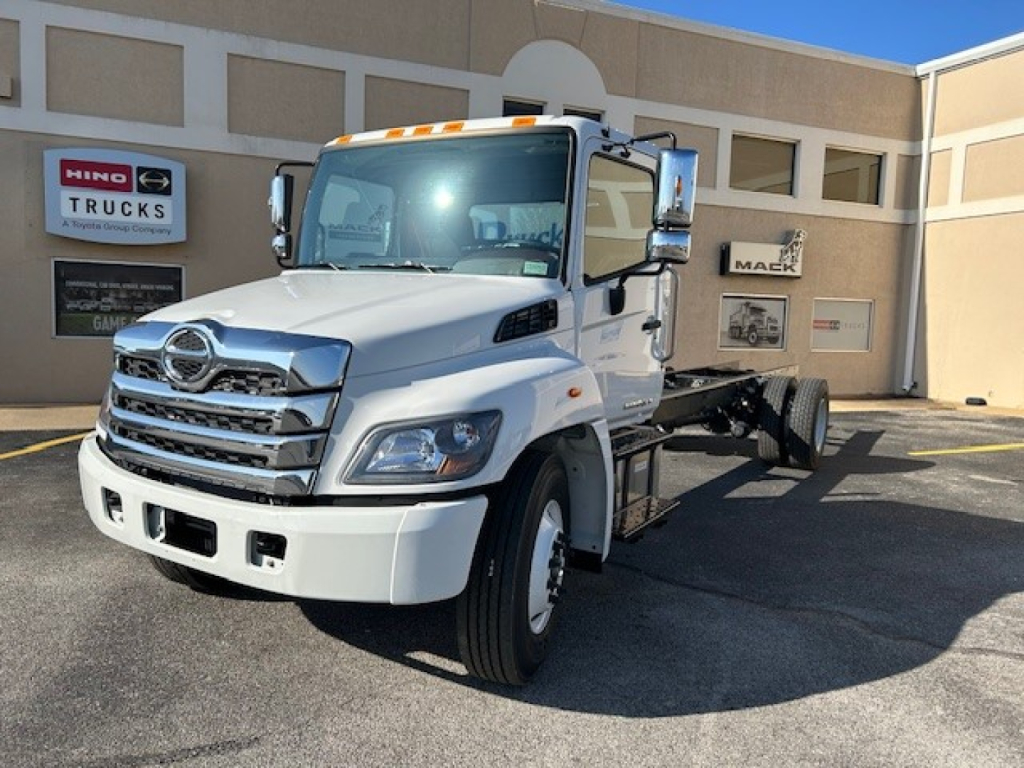
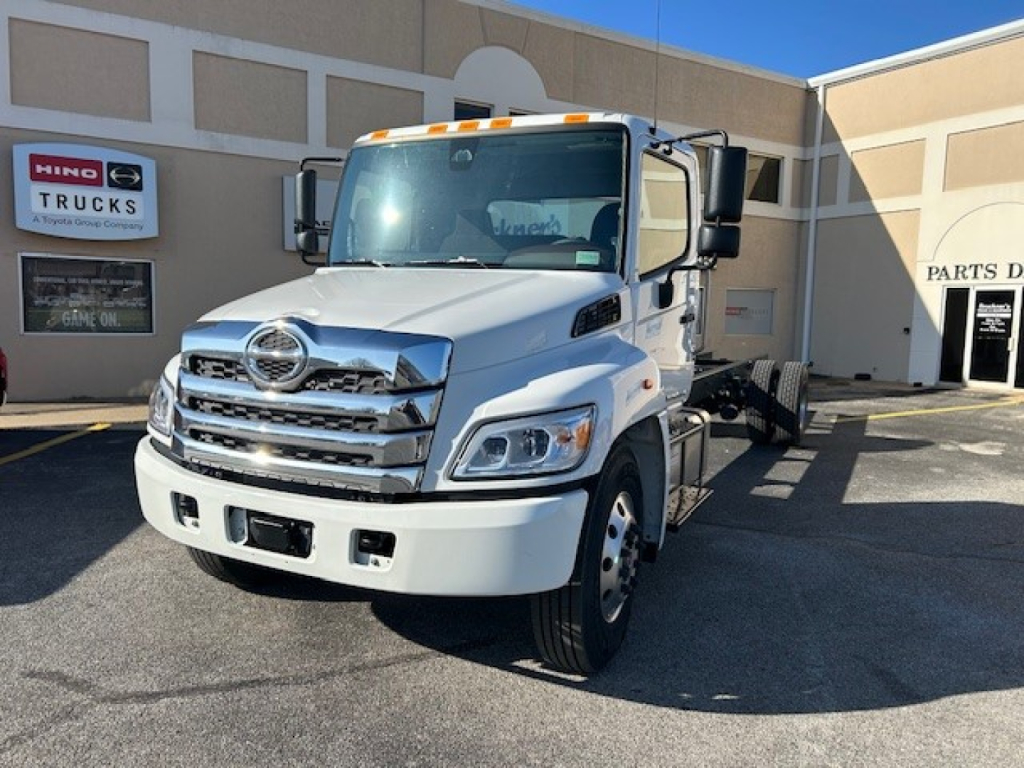
Selling a hino cab and chassis truck? List your hino cab and chassis truck for sale and reach thousands of commercial buyers.
Hino Cab and Chassis Trucks in Arkansas
The first decision is usually GVWR, axle rating, and wheelbase. In this class, you will commonly see configurations from around 25,950 pounds on a de-rated tag up through the 29,000 to 37,000 pound range, with single-axle layouts, front axles around 10,000 to 14,000 pounds, and rear axles from roughly 19,000 to 23,000 pounds. Wheelbase and cab-to-axle dimensions drive body length, bridge law fitment, and turning radius, so they matter as much as engine choice. Shorter wheelbases fit urban work and tighter job sites, while longer wheelbases support larger van bodies, stake beds, and equipment bodies.
Most buyers in this category are comparing suspension, rear ratio, and transmission model as closely as horsepower. A 260 horsepower Cummins B6.7 is a common rating in Hino chassis and gives solid performance for medium-duty payloads without overcomplicating maintenance. Allison 2500, 3000, and 3500 RDS automatic transmissions are all common depending on GVWR and intended body. PTO provision is important for hydraulic equipment such as dumps, cranes, wreckers, and compressors. Rear spring suspension is common for straightforward vocational use and lower complexity, while air ride can improve ride quality and help protect sensitive cargo or body equipment.
A good Hino cab and chassis spec is the one that matches the finished truck, not just the bare chassis. Check cab-to-axle, frame height, rear axle ratio, and available payload after the body is installed. Confirm the upfitter will have enough frame rail length, electrical access, and transmission PTO compatibility for the job. Buyers looking at Hino often value the straightforward diesel-and-Allison drivetrain, practical vocational ratings, and body-builder friendliness. For fleets and owner-operators alike, the category works best when the chassis is selected around the final application from the start.
Frequently Asked Questions about Hino Cab and Chassis Trucks in Arkansas
What are Hino cab and chassis trucks typically used for?
Hino cab and chassis trucks are commonly used as the base for dry van bodies, refrigerated bodies, flatbeds, stake beds, dump bodies, utility bodies, rollbacks, and service trucks. The chassis is sold without a permanent rear body so it can be matched to a specific job. That makes it a strong fit for delivery fleets, contractors, municipalities, equipment rental companies, and regional service operations.
What is the difference between a Hino L6 and Hino L7 cab and chassis?
The Hino L6 and L7 are both medium-duty cab and chassis platforms, but the main difference is weight class and available axle capacity. The L6 is commonly seen in Class 6 applications around 25,950 to 29,000 GVWR, while the L7 moves into heavier Class 7 territory with higher front and rear axle ratings and GVWRs that can reach into the mid-30,000-pound range. The right choice depends on body weight, payload targets, and whether the truck will carry denser vocational equipment.
Why do wheelbase and cab-to-axle matter on a cab and chassis truck?
Wheelbase and cab-to-axle dimensions determine what body length can be installed and how the truck will handle once completed. A short wheelbase improves maneuverability in city routes and confined work areas, while a longer wheelbase supports larger van bodies or specialized equipment. Cab-to-axle measurement is especially important because body builders use it to match the body to the frame correctly, maintain weight distribution, and avoid fitment problems.
Are Allison automatic transmissions a good choice for Hino cab and chassis applications?
Allison automatics are a common and practical choice in Hino medium-duty chassis because they perform well in stop-and-go service, reduce driver fatigue, and are widely accepted by upfitters. Models such as the 2500 RDS, 3000 RDS, and 3500 RDS are selected based on truck weight and application. If the truck will run hydraulic equipment, confirm the transmission has the proper PTO provision before the body is installed.
Should I choose spring suspension or air ride on a Hino cab and chassis?
Spring suspension is often the default for vocational work because it is durable, simple, and well suited to dump, flatbed, and general contractor applications. Air ride can be the better fit when ride quality matters, such as with fragile cargo, certain van bodies, or equipment that benefits from reduced vibration. The best choice depends on payload consistency, road conditions, and the type of body being mounted on the chassis.