
2025 Hino Cab and Chassis Trucks For Sale in Arkansas
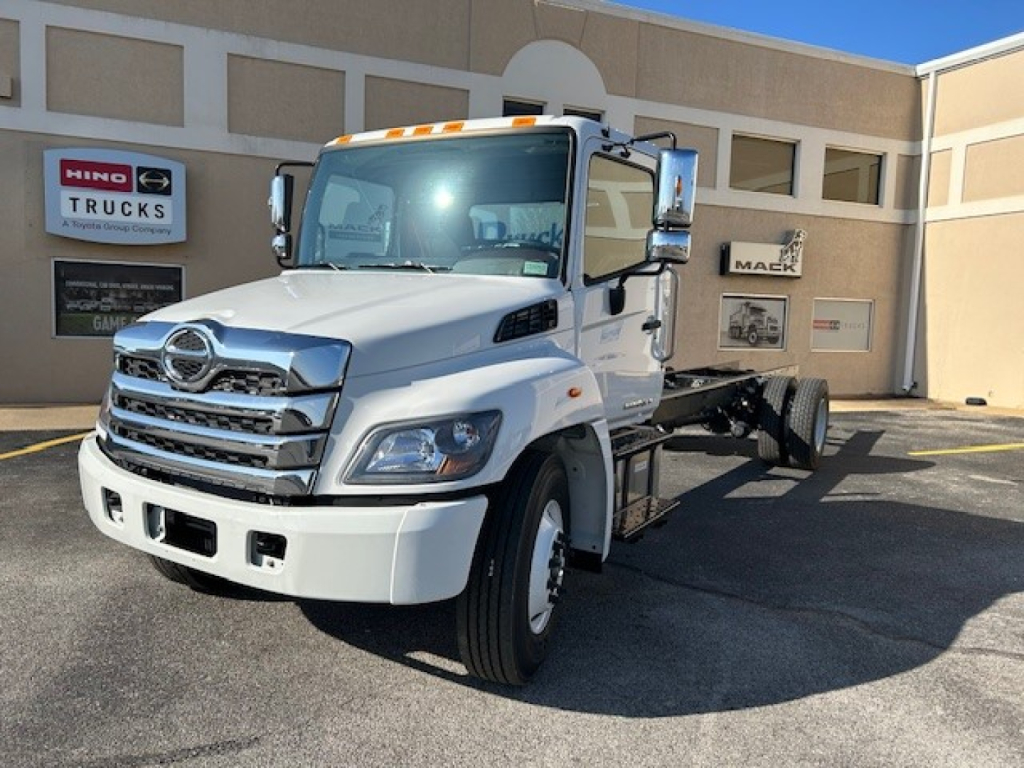
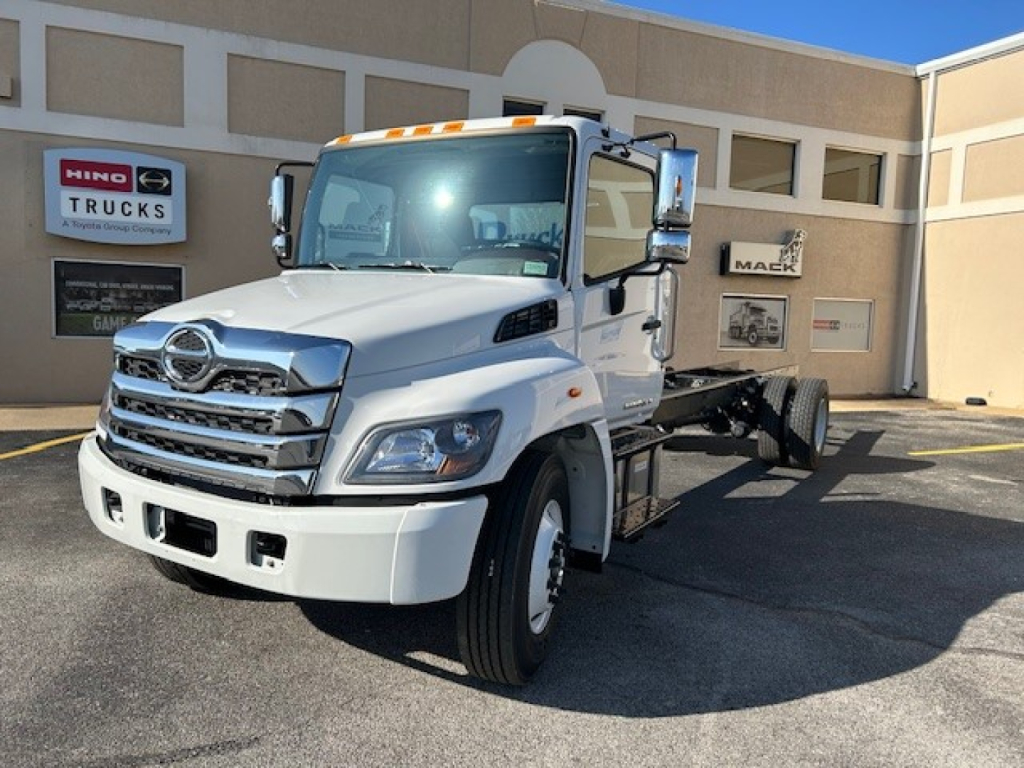
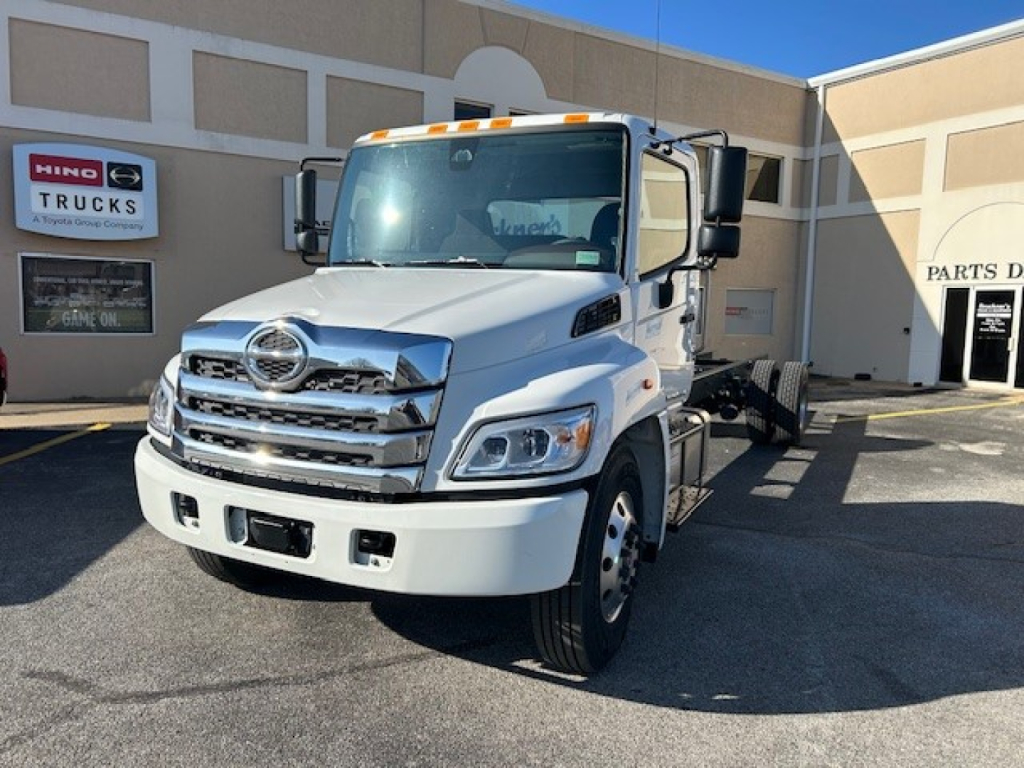
Shop 2025 Hino cab and chassis trucks in Arkansas. Compare L6 and L7 specs, GVWR, wheelbase, engine, PTO, and body upfit options.
Selling a 2025 hino cab and chassis truck? List your 2025 hino cab and chassis truck for sale and reach thousands of commercial buyers.
2025 Hino Cab and Chassis Trucks in Arkansas
The first buying decision is usually class and payload. A Hino L6 typically fits medium-duty applications where maneuverability, lower empty weight, and body versatility are priorities. A Hino L7 steps up for heavier bodies and higher axle capacity requirements. Buyers should compare GVWR, front and rear axle ratings, wheelbase, cab-to-axle dimension, and usable frame space before focusing on body brand. Sample configurations in this class often include Cummins B6.7 power around 260 hp paired with an Allison 3000 or 3500 RDS automatic, while heavier configurations may move into Cummins L9 power. That combination is common because it supports vocational work, broad service access, and straightforward drivability for mixed fleets.
Upfit compatibility is where a cab and chassis either works or creates expensive compromises. Body length has to match wheelbase and rear overhang targets, and the frame spec needs to support the intended hoist, liftgate, compressor, crane, or reefer installation. Buyers should verify PTO provisions, frame reinforcement needs, suspension type, exhaust routing, fuel tank placement, and clearance for toolboxes or outriggers. If the truck will spend time on rural Arkansas roads, job sites, or chip-seal surfaces, suspension tuning, tire size, and rear axle ratio deserve close attention because they affect ride, gradeability, launch with load, and cruise rpm.
Hino cab and chassis trucks are often chosen by fleets that want a clean vocational spec without moving into a larger conventional truck than the job requires. The cab layout is practical, visibility is strong, and parts and service planning are simplified when the engine and transmission package is built around common medium-duty components. For buyers comparing listings, the important differences are usually not cosmetic. Focus on axle spread, horsepower and torque, Allison model, spring capacity, brake configuration, wheelbase, and body-ready dimensions. A well-matched 2025 Hino cab and chassis will upfit faster, carry weight more efficiently, and cost less to operate over the life of the truck.
Frequently Asked Questions about 2025 Hino Cab and Chassis Trucks in Arkansas
What is a Hino cab and chassis truck used for?
A Hino cab and chassis is a body-ready truck sold with the cab, frame, drivetrain, and axles in place so it can be fitted with a vocational body. Common uses include dry van delivery bodies, refrigerated bodies, flatbeds, dump bodies, service bodies, landscape bodies, and rollback carriers. The main advantage is that the chassis can be ordered around the body’s required length, weight distribution, and equipment needs instead of forcing an upfit onto a poorly matched platform.
What is the difference between a 2025 Hino L6 and L7 cab and chassis?
The difference usually comes down to capacity, axle ratings, and the type of body each chassis can support. A Hino L6 is generally aimed at medium-duty applications that need a lighter, more maneuverable chassis. A Hino L7 is commonly selected when the body is heavier, payload expectations are higher, or the application needs stronger axle and suspension capacity. The exact configuration still depends on wheelbase, rear axle ratio, transmission, and engine selection, so buyers should compare the actual chassis specs rather than model name alone.
What specs matter most when buying a cab and chassis truck?
The most important specs are GVWR, front and rear axle ratings, wheelbase, cab-to-axle measurement, frame height, and engine-transmission pairing. Those numbers determine what body can be installed, how the load is distributed, and whether the finished truck will meet legal and practical operating limits. PTO capability, suspension type, rear axle ratio, and tire size also matter because they affect equipment operation, drivability, and performance under load.
Are Hino cab and chassis trucks good for upfitting?
Yes. Hino cab and chassis trucks are widely used for upfits because they are available in body-friendly wheelbases and common vocational drivetrain combinations. Medium-duty buyers often prefer them for applications that need predictable body integration, automatic transmissions, and accessible service support. A good upfit still depends on matching the chassis to the body builder’s dimensional and weight requirements, including rear overhang, frame reinforcement, and accessory clearance.
Why does wheelbase matter on a cab and chassis truck?
Wheelbase controls more than turning radius. It affects body length options, axle loading, ride quality, and how the finished truck handles with cargo or mounted equipment. If the wheelbase is too short or too long for the intended body, the truck may have poor weight distribution, clearance issues, or compromised maneuverability. On a cab and chassis purchase, wheelbase and cab-to-axle dimensions should be confirmed before the body order is finalized.