
2025 Hino Cab and Chassis Trucks For Sale
Shop 2025 Hino cab and chassis trucks built for body upfits, medium-duty hauling, delivery, service, dump, and vocational applications.
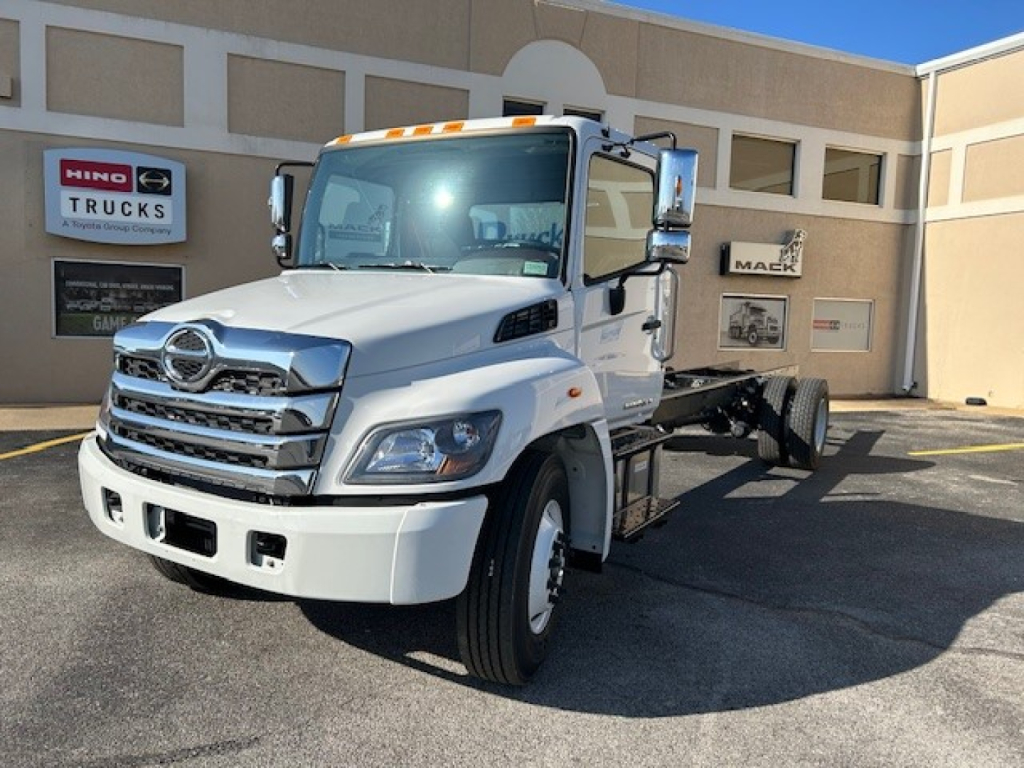
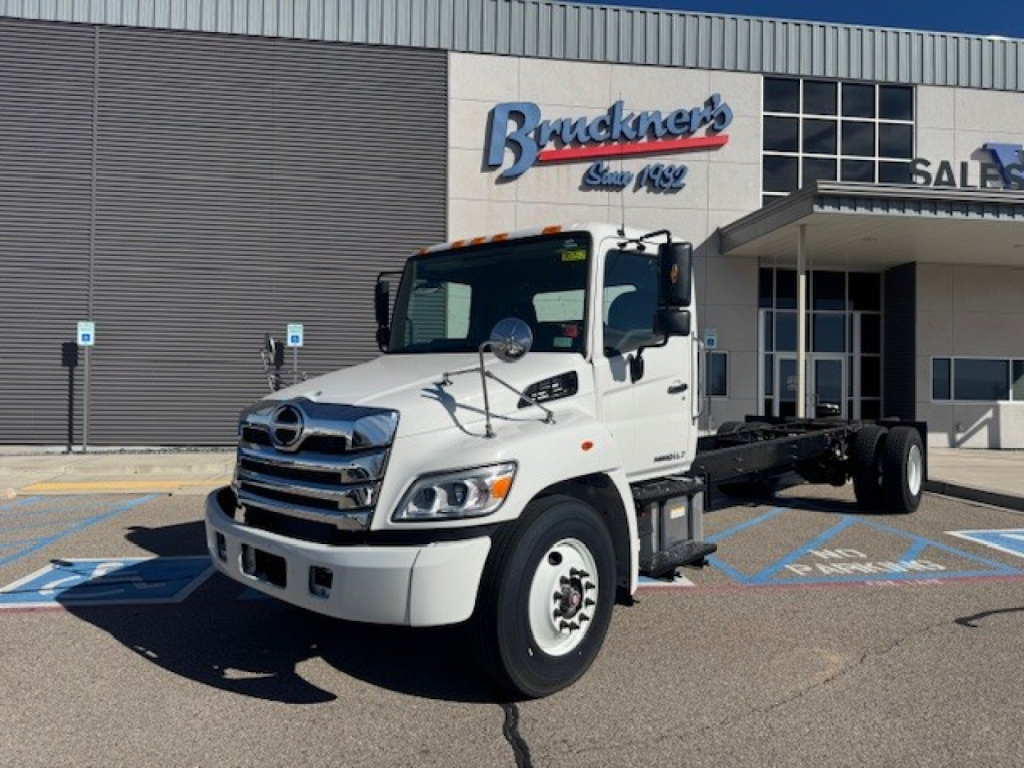
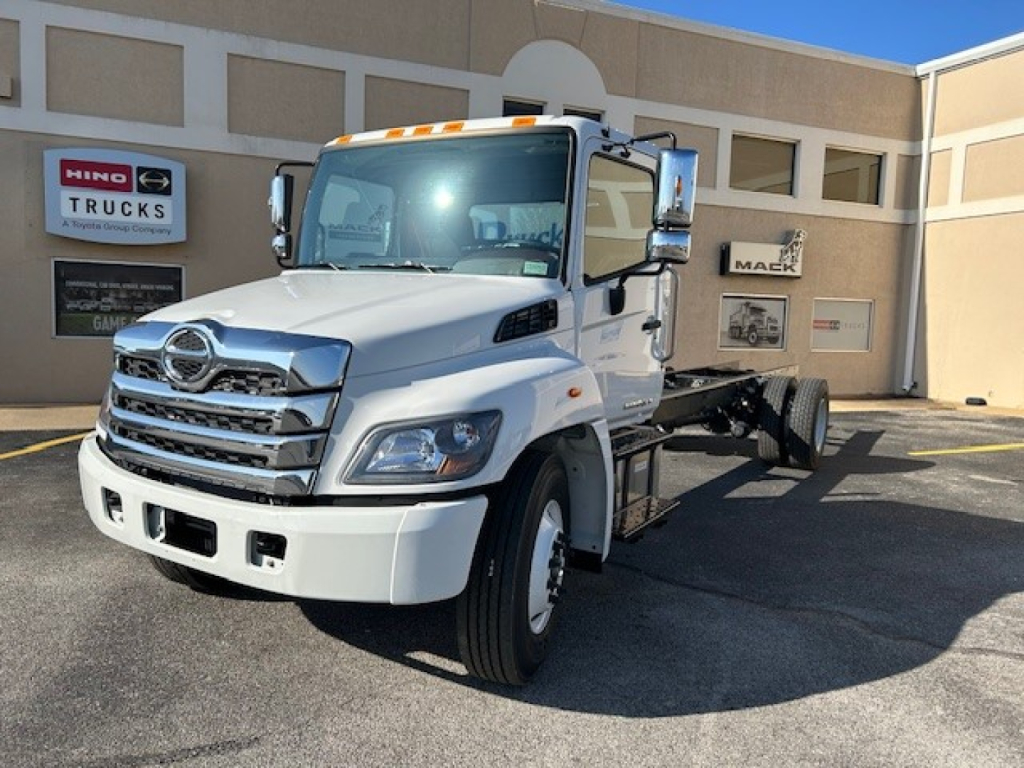
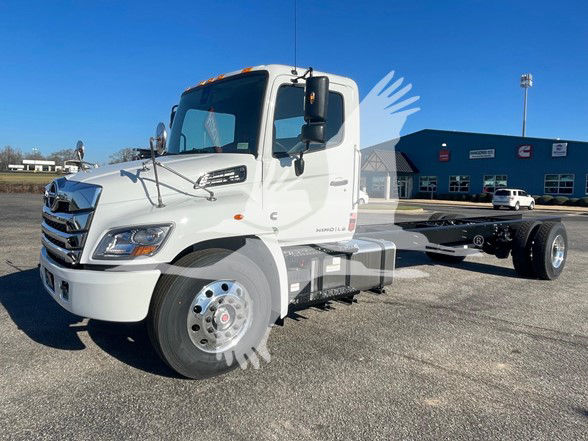
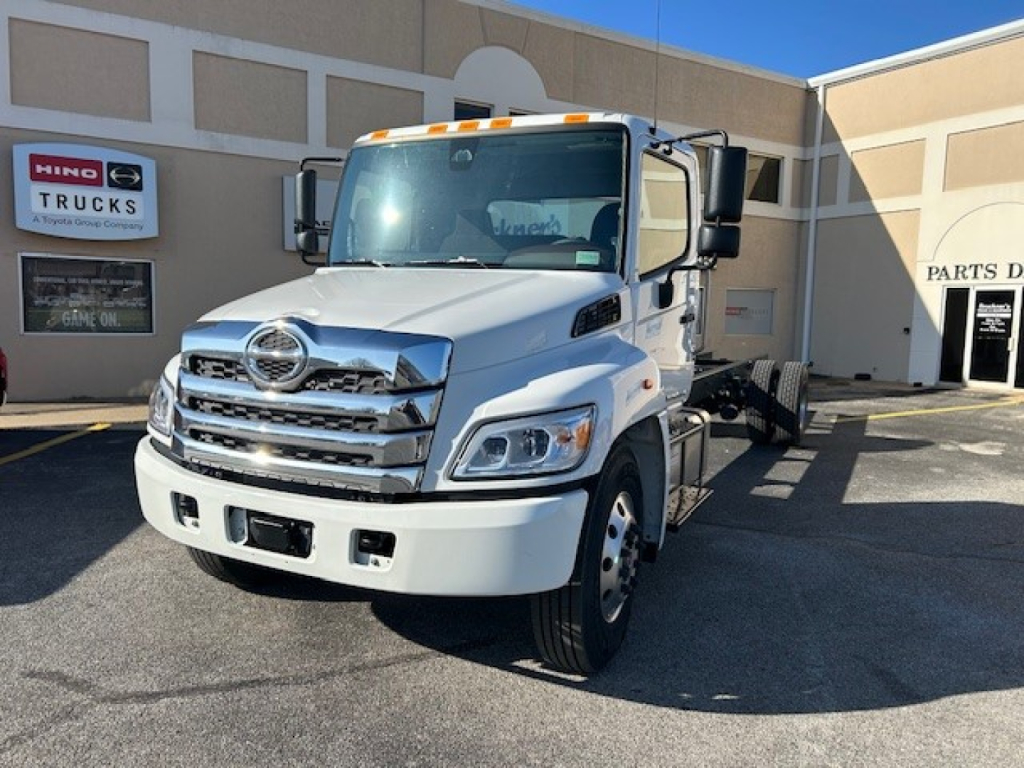
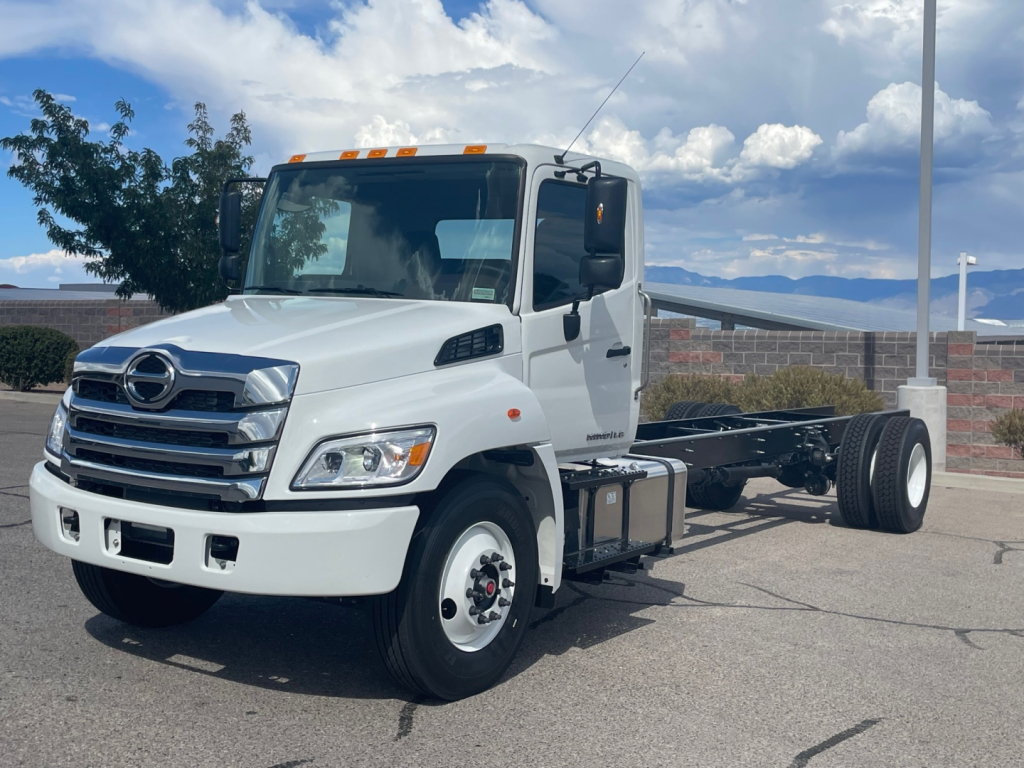
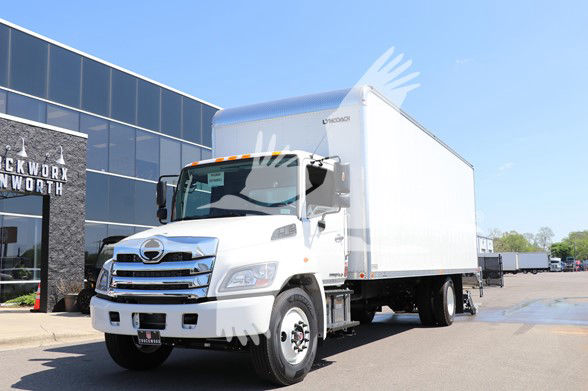
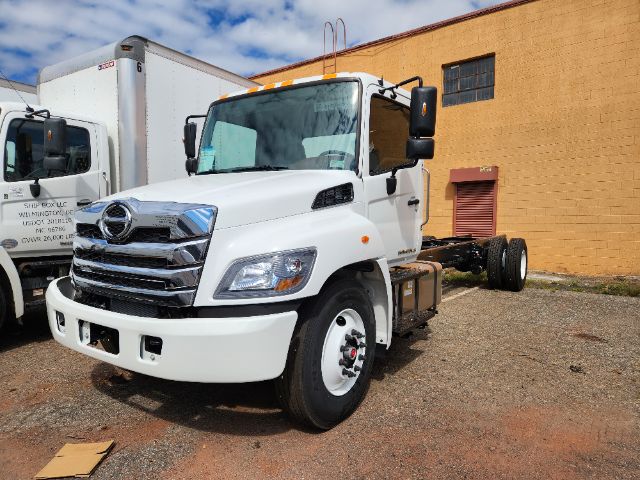
Selling a 2025 hino cab and chassis truck? List your 2025 hino cab and chassis truck for sale and reach thousands of commercial buyers.
2025 Hino Cab and Chassis Trucks
Engine and transmission choices matter because they determine how well the truck handles payload, PTO needs, and route profile. Current Hino cab and chassis models are often paired with Cummins diesel engines such as the ISB6.7 or L9, backed by Allison automatic transmissions including the 3000 or 3500 RDS series. Buyers should pay close attention to horsepower and torque ratings, rear axle ratio, front and rear GAWR, and suspension type. A lighter-spec chassis may fit a dry van or parcel body well, while a heavier setup with a 13,000-plus lb front axle, 23,000 lb rear axle, multileaf suspension, and 11R22.5 rubber is more appropriate for demanding vocational work or heavier body installations.
Upfit compatibility is where a cab and chassis truck proves its value. Frame height, cab-to-axle measurement, wheelbase, exhaust routing, and fuel tank placement all affect how easily the truck can accept a body. If the plan is a dump body, hooklift, crane body, or refrigerated body, confirm clear frame space, PTO provisions, and the body builder's required dimensions before buying. Buyers comparing 2025 Hino cab and chassis trucks should also look at turning radius, cab ergonomics, visibility, and service access, especially for city delivery, municipal, and contractor fleets where uptime and driver acceptance directly affect operating cost.
A good cab and chassis spec is the one that leaves enough capacity after the body is installed. That means looking beyond GVWR and focusing on payload after upfit, axle balance, and legal bridge compliance for the intended route. Hino trucks in this class are often chosen for their straightforward vocational spec'ing, automatic transmission availability, and medium-duty maneuverability. For many fleets, the right truck is less about maximum advertised capacity and more about matching wheelbase, engine output, suspension, and body length to the job from day one.
Frequently Asked Questions about 2025 Hino Cab and Chassis Trucks
What is a Hino cab and chassis truck used for?
A Hino cab and chassis truck is a stripped truck platform delivered with the cab, frame, drivetrain, and axles so it can be fitted with a work body. Common uses include box trucks, flatbeds, dump bodies, stake beds, service bodies, refrigerated bodies, tow bodies, and municipal equipment. The advantage is that the chassis can be spec'd around the exact application, including wheelbase, axle ratings, suspension, and PTO capability.
What should I check before buying a 2025 Hino cab and chassis for an upfit?
Start with cab-to-axle length, wheelbase, GVWR, front and rear axle ratings, and usable frame space. Then verify body builder requirements for frame dimensions, exhaust layout, fuel tank placement, and PTO or hydraulic needs. It is also important to estimate finished curb weight with the body installed so you know the real payload, not just the chassis rating on paper.
Which Hino models are common in cab and chassis form?
Hino cab and chassis trucks are commonly found in medium-duty L Series and heavier vocational XL Series configurations, depending on the job. L6 and L7 models are often considered for regional delivery, van body, flatbed, and contractor use, while heavier XL-spec trucks may be better suited to larger bodies and higher axle loads. The right model depends on body size, payload target, and operating environment.
Why do Allison automatic transmissions matter on cab and chassis trucks?
Allison automatics are popular in medium-duty cab and chassis applications because they simplify driver training, perform well in stop-and-go routes, and are well suited to vocational work. They are especially useful for delivery, municipal, and contractor fleets where multiple drivers may operate the same truck. Transmission model selection still matters because torque capacity, PTO compatibility, and duty cycle must match the engine and body application.
How do I choose the right wheelbase on a Hino cab and chassis truck?
Wheelbase should be chosen around the body length, load placement, and turning needs. A longer wheelbase may be necessary for a larger van body or equipment installation, but too much wheelbase can hurt maneuverability and axle balance. A shorter chassis can work better in urban service, but it still has to provide correct cab-to-axle dimensions and enough room for the upfit without overloading an axle.