
2026 Hino Cab and Chassis Trucks For Sale
Shop 2026 Hino cab and chassis trucks with medium-duty specs, body-ready wheelbases, diesel power, and vocational upfit flexibility.
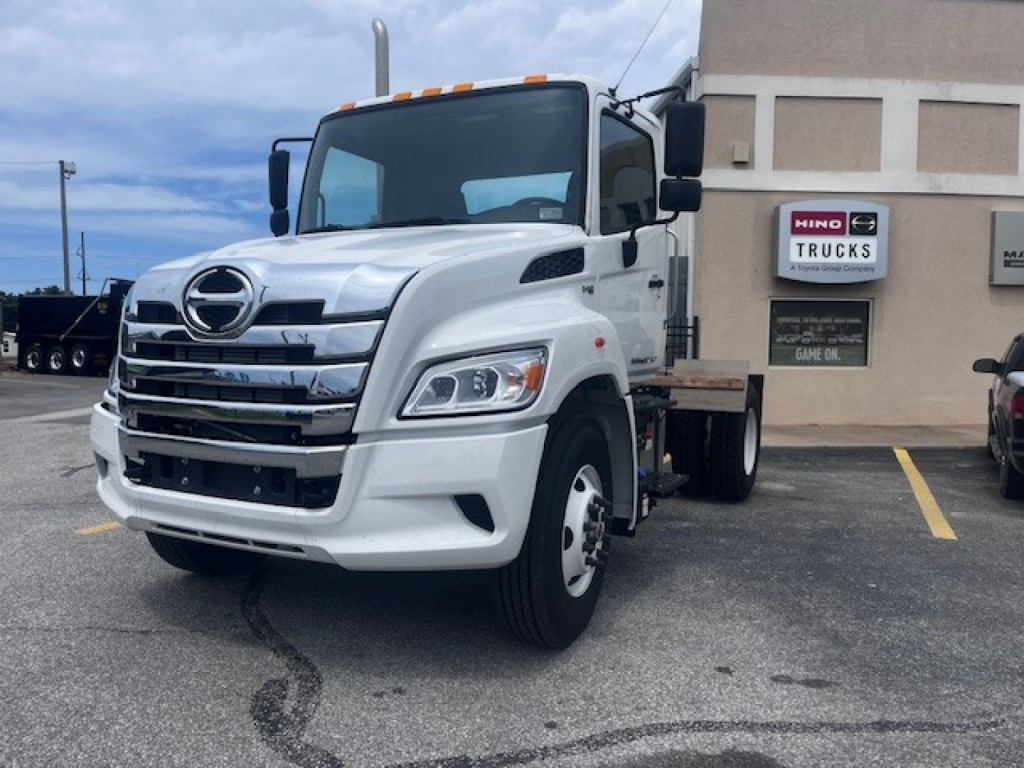
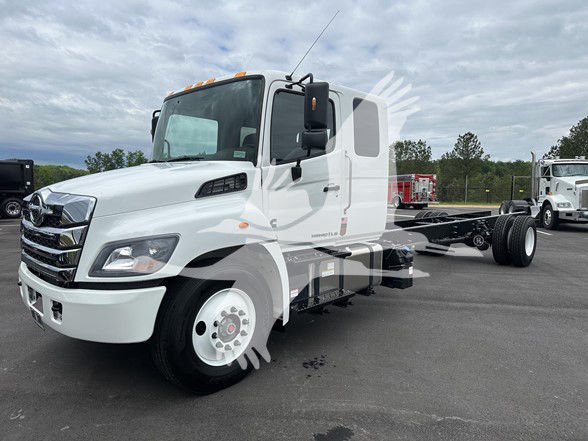
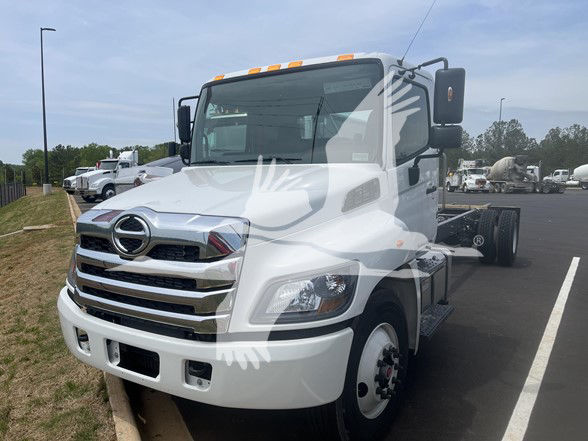
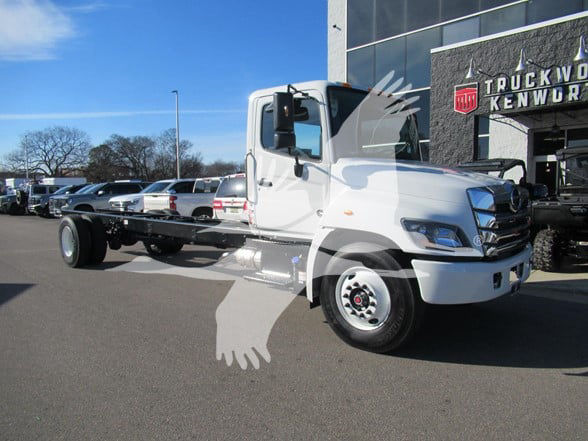
Selling a 2026 hino cab and chassis truck? List your 2026 hino cab and chassis truck for sale and reach thousands of commercial buyers.
2026 Hino Cab and Chassis Trucks
Powertrain choice matters because it affects payload, drivability, and long-term operating cost. Late-model Hino cab and chassis trucks in this range are commonly spec'd with Cummins B6.7 or L9 diesel engines paired with Allison automatic transmissions such as the 2200 RDS, 2500 RDS, or 3500 RDS. Typical horsepower can range from about 240 hp to 300 hp depending on model and GVWR, with torque suited for urban delivery, regional hauling, and vocational work. Buyers should pay close attention to rear axle ratio, suspension type, and brake system. Air brakes are common on higher-GVWR configurations, while multileaf spring or air ride rear suspension can change how the truck handles body weight, ride quality, and load stability.
Body fit is where a cab and chassis purchase is won or lost. A longer wheelbase may support a 24-foot or 26-foot van body, but the correct cab-to-axle and usable frame length are what really determine upfit compatibility. PTO provisions, frame rail spacing, exhaust routing, fuel tank placement, and back-of-cab clearance all matter if the truck will carry specialized equipment. For buyers planning a box truck or reefer, look at body and liftgate weight against the final payload target. For dump, hooklift, or crane service work, confirm the frame section modulus, axle spread, and suspension capacity before ordering the body. A truck that looks right on paper can still be a poor fit if the chassis dimensions are wrong for the intended upfit.
Hino cab and chassis trucks are often chosen by fleets and owner-operators who want medium-duty maneuverability with straightforward serviceability and familiar vocational specs. The cab layout, visibility, automatic transmissions, and diesel engine options make them practical for municipal work, local delivery, rental fleets, and contractor use. When comparing listings, focus less on the badge alone and more on the complete chassis spec: GVWR, wheelbase, cab-to-axle, engine rating, transmission model, front and rear axle ratings, brake type, and suspension. Those details determine whether the truck will accept the body you need, carry the payload you expect, and perform efficiently in the route or job cycle you run.
Frequently Asked Questions about 2026 Hino Cab and Chassis Trucks
What can a 2026 Hino cab and chassis truck be upfitted with?
A 2026 Hino cab and chassis can be upfitted for many medium-duty applications, including box trucks, refrigerated bodies, flatbeds, stake bodies, dump bodies, hooklifts, landscape bodies, utility bodies, and rollback or service body configurations where the chassis spec allows. The right upfit depends on wheelbase, cab-to-axle measurement, GVWR, frame length, and axle ratings. Buyers should confirm the exact body requirements with the upfitter before choosing a chassis.
What is the difference between a Hino L6, L7, and XL7 cab and chassis?
The main differences are capacity, available axle ratings, engine options, and intended vocation. The L6 is commonly used in medium-duty body applications around the non-CDL and lower CDL range, often for box or reefer work. The L7 steps into heavier vocational use with stronger chassis capability for more demanding bodies. The XL7 is typically spec'd for higher-capacity applications with larger axle ratings, heavier suspensions, and powertrain combinations suited for more severe service.
How do I know what body length will fit a Hino cab and chassis?
Body length is influenced by wheelbase, but the more important measurement is cab-to-axle, along with usable frame length and any equipment mounted behind the cab. A chassis advertised as suitable for a 26-foot body usually has a wheelbase and frame layout designed for that application, but buyers should still verify body dimensions, liftgate allowance, and weight distribution. The final decision should be based on the body manufacturer's dimensional guide, not the wheelbase number alone.
Are 2026 Hino cab and chassis trucks good for non-CDL applications?
Yes, many Hino cab and chassis trucks are spec'd at or below 25,950 GVWR, which is a common target for non-CDL box truck and delivery applications. That said, the chassis, body, liftgate, cargo, and any mounted equipment all count against usable payload. A non-CDL rating does not guarantee the truck will carry every load efficiently, so payload planning is just as important as the legal GVWR target.
What specs matter most when comparing Hino cab and chassis listings?
The most important specs are GVWR, front and rear axle ratings, wheelbase, cab-to-axle, engine horsepower and torque, transmission model, rear axle ratio, brake type, and suspension. These numbers determine body compatibility, payload capacity, road speed, gradeability, and ride quality. For vocational buyers, PTO readiness, frame configuration, and fuel tank placement are also critical because they can affect how easily and cleanly the truck can be upfitted.